
Table of Contents >> Show >> Hide
- Why the E-Reader Conversation Has Changed
- What the New Kindle Paperwhite Still Does Very Well
- The Real Alternatives Sitting Next to It
- How to Choose the Right E-Reader Without Falling for Shiny Screen Syndrome
- The Bigger Truth: “Best” Depends on What You Read and How You Read
- Reader Experiences: What Living With These Devices Actually Feels Like
- Conclusion
- SEO Tags
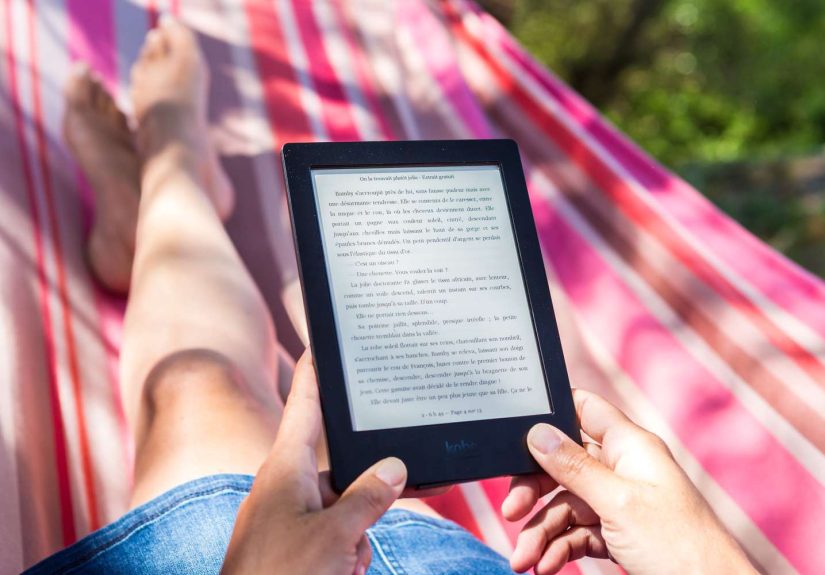
If Amazon’s latest Kindle Paperwhite has been flirting with your wallet, that makes perfect sense. The Paperwhite has spent years being the “safe bet” of e-readers: clean interface, solid battery life, a glare-free screen, and a reading experience so straightforward it practically whispers, “Relax, I’ve got this.” For plenty of readers, that is still the right choice.
But here’s the plot twist: the Paperwhite is no longer the only sensible hero in the e-reader aisle. Not even close.
The e-reader market has gotten surprisingly interesting. Kobo has doubled down on library borrowing, color screens, and page-turn buttons. Boox has gone full “what if your e-reader were also a tiny Android lab?” Barnes & Noble is still hanging around with NOOK devices for readers who like a more bookstore-centered experience. PocketBook has quietly built a case for people who want broader format support and audio features. And if your reading life regularly collides with note-taking, markup, PDFs, or work documents, larger e-paper devices such as the Kindle Scribe, Kobo Elipsa 2E, and reMarkable Paper Pro are playing a different game altogether.
In other words, buying an e-reader in 2026 is not just about asking, “Should I get a Kindle?” It is about asking, “What kind of reader am I, really?” That sounds dramatic, but so does spending money on the wrong gadget and then fake-smiling every time it syncs the wrong thing.
Why the E-Reader Conversation Has Changed
For years, the e-reader decision tree was almost comically simple. If you wanted an e-reader, you bought a Kindle. If you were feeling rebellious, you bought something else and prepared to explain your choice at family dinners like you had joined an experimental jazz cult.
Now the category is more segmented, and that is good news for readers. Today’s e-readers tend to fall into four broad camps: simple reading-first devices, color e-readers, note-taking hybrids, and open-platform e-paper tablets. The Kindle Paperwhite still dominates the first camp beautifully, but it is not the default winner in all the others.
That matters because people do not all read the same way. One person wants long novels and zero distractions. Another wants to borrow library books without hopping through extra steps. Someone else wants a color display for comics, cookbooks, or travel guides. A student may care more about PDFs and handwritten notes than the size of the retail bookstore attached to the device. Once those differences enter the room, the Paperwhite has competition.
What the New Kindle Paperwhite Still Does Very Well
Let’s give the Paperwhite its flowers before we hand the bouquet to the rest of the shelf.
The latest Kindle Paperwhite remains one of the easiest e-readers to recommend because it makes digital reading feel frictionless. The screen is sharp and easy on the eyes. The front light is friendly for late-night reading. Performance is snappier than older Paperwhite models, and Amazon continues to make the overall software experience feel polished, stable, and predictable. That last point sounds boring until you try a device that feels like it was assembled by a brilliant engineer who thinks menus should also be scavenger hunts.
Amazon’s ecosystem is also a genuine strength. The Kindle Store is huge, syncing across devices is reliable, and the platform is still one of the easiest places to buy a book and start reading within seconds. For U.S. readers who borrow library books, Kindle support through Libby remains a major convenience. If you already own a stack of Kindle books, use Goodreads, or live inside Amazon services, the Paperwhite makes a lot of sense.
That is why this is not an anti-Kindle argument. It is a pro-context argument. The Paperwhite is excellent. It is just not automatically the best match for every reader anymore.
The Real Alternatives Sitting Next to It
Kobo: The Best Argument Against “Just Get a Kindle”
If the Kindle Paperwhite has a true mainstream rival, it is not some mysterious niche gadget from the tech wilderness. It is Kobo.
Kobo has become the brand most likely to tempt readers who want a familiar e-reader experience without being fully locked into Amazon’s world. Devices like the Kobo Clara BW and Kobo Clara Colour appeal to readers who want compact, affordable options, while the Kobo Libra Colour steps into premium territory with a seven-inch color display, page-turn buttons, and stylus compatibility.
The Libra Colour is especially important because it is the kind of product that makes shoppers pause mid-scroll. It is not just “a Kindle but not Amazon.” It offers a genuinely different experience. If you read graphic nonfiction, manga, cookbooks, children’s books, or heavily illustrated titles, color can add just enough life to make monochrome screens feel a little too monk-like. Not obsolete. Just aggressively beige.
Kobo also scores points for built-in OverDrive support on many of its devices. For library lovers, that can be a huge deal. Instead of treating library borrowing like a side quest, Kobo makes it feel like part of the main story. If your local library is your actual favorite bookstore, Kobo deserves serious attention.
Then there is the Kobo Elipsa 2E, which pushes the category further by blending reading and writing. It is larger, more productivity-minded, and better suited for people who annotate books, mark up PDFs, or want a notebook that can also moonlight as an e-reader. It is not as casual as a Paperwhite, but that is the point.
Boox: For Readers Who Want Flexibility More Than Simplicity
Boox is what happens when an e-reader decides it is tired of being underestimated.
The company’s Go 7 and Go Color 7 lines appeal to users who want more freedom than a typical locked-down e-reader provides. These devices lean on Android, which opens the door to apps and a much more flexible software environment. That means you can potentially access multiple reading services, tweak your setup, and treat the device less like a single-purpose storefront and more like a customizable reading machine.
That freedom comes with a tradeoff, of course. Boox devices are usually better for confident tinkerers than for people who want the digital equivalent of a toaster: push button, receive toast, read chapter. If you enjoy customization, broader app access, and the idea of one device handling several reading ecosystems, Boox is compelling. If you want zero setup and maximum calm, Kindle and Kobo still feel friendlier.
The practical takeaway is simple: Boox is not the obvious pick for everyone, but for the right user, it can be the most powerful option on the shelf. Especially if your reading life spills into articles, PDFs, third-party apps, and a little glorious chaos.
NOOK and PocketBook: Still in the Conversation
It is easy to talk about e-readers as if the market is only Kindle versus Kobo, but Barnes & Noble and PocketBook still deserve a seat at the table.
The NOOK GlowLight 4 keeps things classic with a six-inch 300-dpi display, physical page-turn buttons, and a straightforward reading-first feel. The NOOK GlowLight 4 Plus moves upmarket with a larger screen and waterproofing, making it more competitive for readers who want extra comfort without jumping into Amazon’s ecosystem. NOOK is not the loudest brand in the room, but it can still appeal to readers who prefer Barnes & Noble’s retail experience or simply want an e-reader that feels purpose-built for books, not platform dominance.
PocketBook is the sleeper pick for readers who care deeply about file compatibility and audio support. Devices such as the PocketBook Era Color bring together a color screen, water protection, Bluetooth, built-in speakers, and text-to-speech options. PocketBook is often attractive to people who sideload content, read across varied file types, or want a device that feels more format-friendly from the start. It may not be the first name casual shoppers recognize, but it tends to make experienced digital readers nod in approval like they know a very good bakery with terrible signage.
Big-Screen E-Paper Devices: When an E-Reader Becomes a Work Companion
Not everyone shopping in this category is just trying to read novels in bed. Some people want to annotate, draft ideas, review PDFs, take class notes, or mark up documents without staring into a traditional tablet screen for hours. That is where the larger e-paper devices come in.
The Kindle Scribe extends Amazon’s ecosystem into a more notebook-like experience, with a larger display built for reading, writing, and annotating. It makes sense for users who love Kindle content but need more room for documents and notes. Kobo’s Elipsa 2E takes a similar general approach, with note-taking and PDF markup pushing it closer to study and productivity use. Meanwhile, reMarkable Paper Pro targets a more focused, paper-like workflow for people who care as much about thinking and writing as they do about reading.
These are not direct Paperwhite replacements. They are adjacent devices for readers whose needs have expanded. If your “reading device” is also going to help you study, work, brainstorm, or edit documents, the shelf gets much wider than one Kindle model.
How to Choose the Right E-Reader Without Falling for Shiny Screen Syndrome
The smartest way to choose an e-reader is to start with habits, not specs.
If You Mostly Read Novels
The Kindle Paperwhite is still one of the safest, smartest buys. It is polished, reliable, and easy to live with. If you want a non-Amazon alternative with strong library appeal, the Kobo Clara BW is a great counterargument.
If You Borrow a Lot of Library Books
Kobo deserves a very long look. Built-in OverDrive support on many Kobo devices makes library reading feel especially convenient. Kindle still works well for many U.S. library users through Libby and Amazon, but Kobo often feels more naturally aligned with the library-first crowd.
If You Read Comics, Manga, Cookbooks, or Illustrated Nonfiction
Color starts to matter. The Kobo Libra Colour, Kobo Clara Colour, and certain Boox color models make more sense than a monochrome Paperwhite. Amazon’s color Kindle options exist too, but the broader point is that color e-readers are now real options, not quirky prototypes for gadget people who alphabetize charging cables.
If You Annotate PDFs or Take Notes
Do not buy a standard Paperwhite and then act surprised when it behaves like a standard Paperwhite. Look at the Kindle Scribe, Kobo Elipsa 2E, Boox’s larger e-paper devices, or reMarkable Paper Pro instead.
If You Hate Ecosystem Lock-In
Kobo, Boox, and PocketBook are worth your time. Kindle is convenient, but convenience and openness are not always the same thing.
If You Want Buttons
This sounds small until you use them. Physical page-turn buttons are beloved for a reason. Kobo Libra devices, certain NOOK models, PocketBook devices, and several Boox models give button loyalists a better experience than a touch-only reader.
The Bigger Truth: “Best” Depends on What You Read and How You Read
The latest Kindle Paperwhite remains excellent because it understands the core appeal of an e-reader: disappear into the book, not the device. But the e-reader market has matured enough that “best for most people” no longer means “best for you.”
That is the real message here. Shoppers finally have options that are not just different for the sake of being different. They are different in useful ways.
Kobo is the obvious choice for readers who want a credible Kindle alternative with strong library support and increasingly attractive hardware. Boox is for power users who want flexibility and app access. NOOK still appeals to readers who like a classic bookstore ecosystem. PocketBook offers surprising depth for format lovers and audio users. And larger e-paper devices have carved out a serious place for students, professionals, and annotation addicts.
So yes, the new Kindle Paperwhite is still a star. It is just no longer alone under the spotlight. The shelf has gotten crowded, and for readers, that is excellent news.
Reader Experiences: What Living With These Devices Actually Feels Like
Here is where the shopping advice gets real. Specs are useful, but experience is what makes you keep a device for years or quietly shove it in a drawer next to old charging cables and broken good intentions.
Using a Kindle Paperwhite feels a bit like staying at a very well-run hotel. Everything is where you expect it to be. The lighting is pleasant. The room service arrives quickly. You may not feel especially adventurous, but you are comfortable, and comfort matters when all you want to do is read for an hour before bed. The Paperwhite is at its best when you want reading to become invisible. That is a genuine superpower.
Using a Kobo often feels like moving into a charming apartment in a neighborhood you wish you had discovered sooner. The vibe is slightly different, slightly more independent, and often more appealing once you settle in. Readers who rely on library borrowing tend to love how naturally Kobo fits into that habit. The Libra Colour, in particular, can make book covers, highlights, and illustrated pages feel more inviting. It does not turn an e-reader into a tablet, nor should it. It simply makes digital reading feel a little less monochrome and a little more alive.
Boox devices feel different from both. They can be thrilling if you are the kind of user who enjoys options and does not mind a setup phase. Reading on Boox can feel like owning a workshop instead of a finished appliance. That is either delightful or exhausting depending on your temperament. For readers who jump between services, documents, and apps, that flexibility can feel liberating. For everyone else, it can feel like bringing a Swiss Army knife to make toast.
NOOK and PocketBook, meanwhile, often appeal through feel rather than hype. There is something satisfying about a device that seems built by people who still believe reading is enough of a reason for a product to exist. PocketBook’s wider format support and audio features can make it feel unexpectedly generous. NOOK’s button-friendly, bookstore-rooted identity can make it feel pleasantly old-school in a market that sometimes overcomplicates everything.
Then there are the larger e-paper devices. These do not feel like cozy paperback substitutes. They feel like tools. The Kindle Scribe, Kobo Elipsa 2E, and reMarkable Paper Pro are for readers who are also note-takers, planners, students, editors, or professionals who live inside documents. Their value shows up when you underline a passage, write in the margin, review a PDF outside in bright light, or sketch an idea without notifications barging into your thoughts like uninvited karaoke.
What many readers eventually discover is that the best e-reader is not the one with the longest feature list. It is the one that fits your rhythm. The device that disappears when you want immersion, helps when you need tools, and does not make simple reading feel like software management. Some people will still land on the Paperwhite, and rightly so. Others will realize their ideal match has page-turn buttons, color, stylus support, broader file compatibility, or a tighter relationship with the public library. That is the good news of today’s e-reader market: there is finally room for different kinds of reading lives.
Conclusion
The newest Kindle Paperwhite remains one of the strongest e-readers you can buy, but it is no longer the only smart pick on the shelf. Today’s market is richer, more specialized, and much more fun to shop. Whether you want a simple reading companion, a color-first device, a library-friendly alternative, or a larger e-paper notebook hybrid, there is now a device that fits the way you actually read instead of forcing you into one brand’s idea of what reading should look like.
That is the best development of all. The modern e-reader shelf is no longer a one-book story.





 Close
Close