
Table of Contents >> Show >> Hide
- What Is a Decline Pushup?
- Decline Pushup Benefits
- Muscles Worked by the Decline Pushup
- How to Do a Decline Pushup Correctly
- Common Decline Pushup Mistakes
- Decline Pushup Modifications for Every Level
- Advanced Variations
- Decline Pushup vs. Standard Pushup
- Who Should Try Decline Pushups?
- Sample Workout Ideas
- Real-World Experience: What the Decline Pushup Feels Like in Practice
- Conclusion
- SEO Tags
If the regular pushup is the dependable sedan of bodyweight training, the decline pushup is the sportier model with a louder engine and a slightly bigger attitude. By elevating your feet, you shift more load into your upper body and make your chest, shoulders, triceps, and core work harder. It looks simple. It is not always simple. That is exactly why it works.
The decline pushup is one of the best bodyweight progressions for people who have already mastered the basics and want more upper-chest emphasis without sprinting straight to fancy gym tricks that end with an ego bruise. Done well, it can build pressing strength, improve body control, and make standard pushups feel noticeably easier. Done badly, it turns into a flopping plank with elbows going on vacation.
In this guide, you will learn how to do a decline pushup correctly, which muscles it works, common mistakes to avoid, and the smartest modifications for different fitness levels. Whether you train at home with a bench, a sturdy box, or the edge of your bed, this exercise can earn a permanent spot in your upper-body routine.
What Is a Decline Pushup?
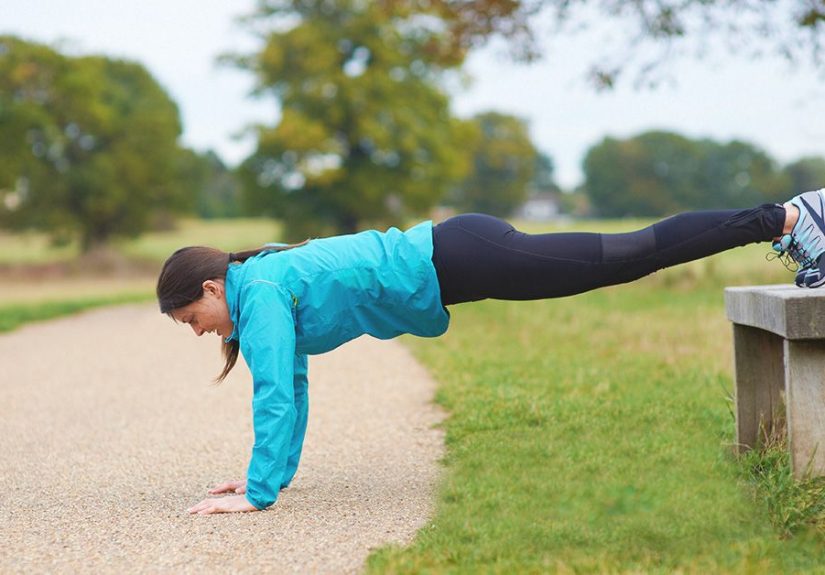
A decline pushup is a pushup variation performed with your feet elevated on a stable surface while your hands stay on the floor. Because your body is angled downward, more of your body weight shifts toward your arms and shoulders compared with a standard pushup. In plain English: gravity gets a bit sassier.
This feet-elevated pushup is generally considered a progression from the standard pushup. The higher your feet, the more challenging the movement becomes. A low step creates a modest upgrade. A bench adds more intensity. A very high box can turn your set into an immediate character-building exercise.
Decline Pushup Benefits
1. Builds More Upper-Body Strength
Because the decline angle increases the percentage of body weight you are pressing, the exercise challenges your chest, shoulders, and triceps more than a basic floor pushup. That makes it a strong bodyweight option for intermediate exercisers who are ready to move beyond standard reps.
2. Emphasizes the Upper Chest
One reason decline pushups are so popular is that they place greater emphasis on the upper portion of the chest. If your regular pushups feel chest-heavy but a little too familiar, decline pushups can help you target the upper pecs more effectively while still training the whole pressing chain.
3. Strengthens the Core
This is not just an arm exercise wearing a chest costume. Your abdominals, obliques, glutes, and spinal stabilizers work hard to keep your body in one straight line. If your core gives up, your hips sag, your lower back complains, and your form goes from athletic to suspicious in a hurry.
4. Requires Minimal Equipment
You do not need a full gym to perform decline pushups. A sturdy bench, low box, step, or couch edge can do the job. That makes it a practical home workout exercise for anyone who wants to increase training difficulty without buying extra gear.
5. Improves Pushup Progression
If your goal is to get better at harder pushup variations, dips, or even barbell pressing, the decline pushup can serve as a useful bridge. It teaches full-body tension, shoulder stability, and controlled pressing mechanics under a higher load.
Muscles Worked by the Decline Pushup
The decline pushup is a compound exercise, which means several muscle groups work together during each rep. Here is the breakdown.
Primary Muscles
- Pectoralis major: Especially the upper chest, which takes on more stress because of the decline angle.
- Anterior deltoids: The front shoulders help drive the press and stabilize the movement.
- Triceps: These muscles extend the elbows as you push back to the top.
Secondary and Stabilizing Muscles
- Rectus abdominis and transverse abdominis: Help keep your torso braced.
- Obliques: Resist rotation and help stabilize the trunk.
- Serratus anterior: Supports healthy shoulder movement and scapular control.
- Glutes and quads: Keep the lower body tight so your body stays aligned.
- Upper back stabilizers: Assist with shoulder positioning and overall control.
If you are wondering, “Will I feel this in my shoulders?” yes, probably. That is normal when form is solid. If you feel sharp pain instead of muscular effort, that is your cue to stop and reassess.
How to Do a Decline Pushup Correctly
Good decline pushup form matters more than heroic rep counts. Five clean reps beat 20 wobbly ones every day of the week.
Step-by-Step Instructions
- Place your feet on a sturdy elevated surface such as a bench, box, or step.
- Walk your hands out on the floor until your body forms a straight line from head to heels.
- Position your hands about shoulder-width apart, with wrists stacked under or slightly outside the shoulders.
- Brace your core, squeeze your glutes, and keep your neck neutral by looking slightly ahead of your hands.
- Bend your elbows and lower your chest toward the floor in one controlled motion.
- Keep your elbows angled roughly 30 to 45 degrees from your torso rather than flaring them straight out.
- Lower until your chest is just above the floor, or as far as you can go while maintaining full-body tension.
- Press through your palms and push the floor away to return to the starting position.
Breathing Tips
Inhale as you lower down. Exhale as you press up. This is a small cue, but it helps you stay organized and avoid turning each rep into a dramatic breath-holding contest.
How Many Reps Should You Do?
For strength and muscle-building, 3 to 4 sets of 6 to 12 controlled reps works well for most people. If you can bang out 20 perfect decline pushups with ease, congratulations: your bench may need to get taller or your variation harder.
Common Decline Pushup Mistakes
Letting the Hips Sag
This is the classic mistake. When your hips drop, your lower back absorbs stress and the movement loses its clean plank structure. Fix it by bracing your abs and squeezing your glutes before every rep.
Flaring the Elbows Too Wide
Elbows shooting straight out to the sides can place extra stress on the shoulders. A more moderate elbow angle usually creates better pressing mechanics and more control.
Dropping the Head
Your forehead should not lead the movement like it is trying to win a race. Keep your head neutral and lower your chest, shoulders, hips, and legs together.
Using Too Much Elevation Too Soon
A beginner often sees a bench and thinks, “I am ready.” The bench sometimes says otherwise. Start with a low step or sturdy platform first. You can always increase the height later.
Rushing Through Reps
Fast reps with no control tend to turn a strong exercise into a sloppy one. Slow the lowering phase, pause briefly near the bottom, and press up with intent.
Decline Pushup Modifications for Every Level
Not everyone should jump straight into full decline pushups, and that is perfectly normal. Smart training is not glamorous, but it works.
Best Regression: Hands-Elevated Pushup
If full decline pushups are too difficult, the most useful modification is often not a knee pushup but a hands-elevated pushup. Place your hands on a bench, countertop, or sturdy box and keep your body in one straight line. This lets you practice proper mechanics while reducing the load.
Low Decline Pushup
If you can do standard pushups but are not ready for a full bench setup, elevate your feet only a few inches on a low step or bumper plate. This is a practical middle ground between standard and steeper decline pushups.
Knee Pushup
The knee pushup can still be useful when you need a simpler option, especially if upper-body strength is limited. Just keep your body straight from your head to your knees and avoid folding at the hips.
Pushup Handles or Dumbbells
If wrist extension bothers you, using pushup handles or gripping hex dumbbells can create a more neutral wrist position. This small adjustment can make pressing more comfortable for some people.
Tempo Decline Pushup
Want to make the exercise harder without increasing height? Slow the lowering phase to three or four seconds. A slower eccentric builds control and makes each rep feel like it actually means something.
Paused Decline Pushup
Pause for one second near the bottom before pressing back up. This removes momentum and makes your chest, triceps, and core work harder.
Advanced Variations
Single-Leg Decline Pushup
Lifting one foot adds an anti-rotation challenge for the core. It sounds small. It feels rude.
Weighted Decline Pushup
A weight vest or carefully placed plate can increase resistance, but this is best for experienced exercisers with excellent control and a stable setup.
Decline Plyo Pushup
This explosive variation emphasizes power. It is advanced, demanding, and not the place to improvise if your regular decline pushups still look like a survival drill.
Decline Pushup vs. Standard Pushup
A standard pushup is the better entry point for most people. It teaches alignment, tension, and pressing mechanics without loading the shoulders too aggressively. The decline pushup builds on that foundation by increasing difficulty and shifting more emphasis to the upper chest and shoulders.
If your goal is to master bodyweight pressing, the smartest path is usually this: wall pushup, incline pushup, knee pushup if needed, standard pushup, low decline pushup, then a full decline pushup. Skipping steps may feel brave, but your reps will usually tell the truth.
Who Should Try Decline Pushups?
The decline pushup is a great fit for:
- Intermediate exercisers who can already do solid standard pushups
- Home workout fans who want more challenge without machines
- People training upper-body strength with bodyweight exercises
- Athletes who want better shoulder stability and pressing endurance
It may not be ideal for people with active wrist pain, shoulder pain, or poor plank control. If you cannot hold a stable high plank or perform standard pushups with good form, build that base first.
Sample Workout Ideas
Upper-Body Finisher
- Decline pushup: 3 sets of 8 to 10 reps
- Bodyweight row: 3 sets of 10 to 12 reps
- Forearm plank: 3 rounds of 30 to 45 seconds
Chest and Triceps Session
- Decline pushup: 4 sets of 6 to 12 reps
- Bench dips or close-grip pushups: 3 sets of 8 to 12 reps
- Pike pushup: 3 sets of 6 to 10 reps
Beginner Progression Day
- Hands-elevated pushup: 3 sets of 10 reps
- Standard pushup negatives: 3 sets of 5 reps
- Low decline pushup: 2 sets of as many clean reps as possible
Real-World Experience: What the Decline Pushup Feels Like in Practice
One of the most useful things about the decline pushup is how quickly it reveals the difference between “I can do pushups” and “I can really control pushups.” Many people first try it expecting a tiny upgrade from the regular version, then discover that elevating the feet changes the whole personality of the movement. The chest feels the effort sooner, the shoulders wake up fast, and the core suddenly realizes it has been invited to work overtime.
For beginners moving into decline pushups for the first time, the first few sessions often feel humbling. A person who can do 15 standard pushups may only manage 5 or 6 quality decline reps. That is normal. The challenge is not just strength. It is also body position. As soon as the feet go up, maintaining a rigid line from shoulders to heels becomes much more demanding. The people who improve fastest are usually not the ones chasing more reps. They are the ones who slow down, tighten their core, and treat each rep like practice instead of punishment.
Intermediate exercisers often report that decline pushups help them “feel” their upper chest more clearly than standard pushups. That makes sense in training terms, but it also matters psychologically. When an exercise creates a clear mind-muscle connection, people tend to stay more engaged and consistent. It stops feeling like random suffering and starts feeling like targeted work.
At home, this exercise is also surprisingly practical. People use workout benches, aerobic steps, ottomans, low stairs, and sometimes the side of a bed. The key lesson most learn the hard way is that stability matters. A wobbly surface turns a useful pushup variation into a negotiation with gravity. A sturdy setup makes a huge difference in confidence and performance.
Another common experience is wrist or shoulder discomfort when form slips. Often, the fix is not abandoning the movement but reducing the foot height, improving hand placement, and lowering the reps to a range that allows control. Some people also do better with pushup handles or dumbbells because a neutral wrist position feels more natural. Small changes can make the exercise feel dramatically better.
Over a few weeks, the progress can be easy to notice. Standard pushups usually feel smoother. Top-end pressing strength improves. Even planks and pike pushups may feel more stable because decline pushups teach full-body tension so well. In other words, the exercise has carryover. It does not just make you better at decline pushups. It can make you better at being strong in general, which is a much nicer reward than simply collecting sweaty floor time.
Conclusion
The decline pushup is one of the best bodyweight exercises for building upper-body strength when regular pushups are no longer enough. It targets the chest, shoulders, triceps, and core, emphasizes the upper pecs, and requires no fancy equipment beyond a sturdy elevated surface. The secret is not doing more reps at all costs. The secret is good form, smart progressions, and enough honesty to lower the foot height when your plank starts looking like cooked spaghetti.
Start with a version you can control. Keep your body straight. Lower with intention. Press hard. Over time, the decline pushup can become one of the most effective and satisfying exercises in your training plan.






 Close
Close