
Table of Contents >> Show >> Hide
- What Is Tangent Black Shoe Polish, Really?
- Why Black Shoe Polish Works Better Than Neutral for Black Leather
- The Best Routine for Tangent Black Shoe Polish
- How Often Should You Use Tangent Black Shoe Polish?
- Cream vs Wax: Where Tangent Black Polish Fits
- Common Mistakes (and How to Avoid Them)
- Material Compatibility: Where You Should (and Shouldn’t) Use It
- Storage, Tools, and Setup for Better Results
- Is Tangent Black Shoe Polish Worth It?
- 500-Word Experience Notes: What Real Use Feels Like Over Time
- Conclusion
If your black leather shoes look tired, dusty, or one bad commute away from “retirement,” don’t panicdon’t replace. Restore. A good black polish can make older shoes look sharp again, protect leather from everyday abuse, and extend lifespan in a way your wallet and closet both appreciate. That’s exactly where Tangent Black Shoe Polish enters the chat.
This guide breaks down what Tangent black shoe polish is, why black polish behaves differently from neutral products, how to get a better shine without over-polishing, and how to build a realistic care routine that works for normal people with normal schedules. No ceremonial shoe shrine requiredjust practical technique, a brush, and a little patience.
What Is Tangent Black Shoe Polish, Really?
Product positioning in plain English
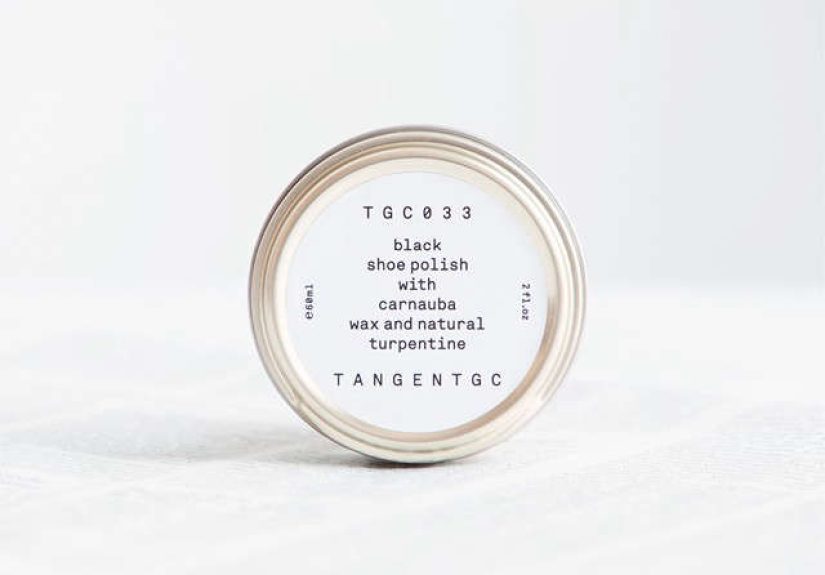
Tangent’s black polish is marketed as a classic leather refresher: it helps cover scuffs, revive faded black uppers, and restore shine for dress shoes and other smooth black leather footwear. The product is commonly listed in a 60 ml tin, which is enough for many applications when used in thin layers.
Formula logic: why these ingredients matter
You’ll typically see a familiar formula family around this product category: natural turpentine, beeswax, carnauba wax, and dye/pigment. Each part does a job:
- Turpentine: helps spread waxes and improves workability during application.
- Beeswax: nourishes and adds a soft protective film.
- Carnauba wax: the “shine and durability” waxharder, glossier finish.
- Black dye/pigment: evens color and visually hides light scuffing.
Carnauba is often favored in polish formulas because it is very hard and has a high melting range (roughly low-80s °C), which helps create a tougher, more lustrous top layer after buffing. In practical terms: better shine retention and better surface protection than random “mystery wax” polish blends.
Why Black Shoe Polish Works Better Than Neutral for Black Leather
Neutral polish has its place, but if your shoes are actually black, black polish usually wins for restoration.
1) It restores visual depth
Black leather fades unevenly over time, especially around creases, toe-box edges, and heel counters. Black pigment helps unify tone so shoes look “intentionally black,” not “charcoal with memories.”
2) It softens the appearance of scuffs
Light scuffs and friction marks stand out on black leather. A pigmented polish doesn’t erase damage, but it does reduce contrast, making wear less obvious at normal viewing distance.
3) It gives a cleaner formal finish
If you wear oxfords, derbies, loafers, or black service boots in professional settings, black polish creates a more formal look than neutral-only care. Your suit might be simple, but your shoes still whisper “I planned this.”
The Best Routine for Tangent Black Shoe Polish
Think in layers: clean → condition (when needed) → polish → buff → protect. This sequencing shows up consistently in high-quality shoe and boot care guides, and it works.
Step 1: Prep like you mean it
- Remove laces (yes, really).
- Dry brush off dirt and dust.
- Wipe with a slightly damp cloth if needed.
Polish over grit = tiny sandpaper session. Not the spa treatment your leather asked for.
Step 2: Apply polish in thin coats
Use a soft cloth or dauber and apply a small amount in circular motions. Work section by section (toe, quarters, heel) and keep layers thin. Overloading polish creates haze and buildup, not elegance.
Step 3: Let it rest
Give it time to settle (roughly 10–20 minutes is a common practical window). This lets solvents flash off and waxes set before buffing.
Step 4: Buff with horsehair
Buff briskly with a horsehair brush to even the film and increase gloss. This is the step most people rushand the step that transforms “I polished” into “these shoes look expensive.”
Step 5: Optional mirror finish
For extra shine on toe and heel only, add very light layers and buff between passes. Keep mirror work away from deep flex zones where heavy wax can crack visually.
How Often Should You Use Tangent Black Shoe Polish?
There’s no single schedule for everyone. Use this practical baseline:
- Office wear (2–4 wears/week): light polish every 2–3 weeks.
- Occasional formal wear: polish before events, brush after use.
- Wet or dirty conditions: clean and dry first, then polish as needed.
If shoes look dull, thirsty, or chalky, don’t just keep layering waxadd conditioning at the right interval. Polish is makeup; conditioner is skincare. You need both, just not every day.
Cream vs Wax: Where Tangent Black Polish Fits
Many shoe care systems separate polish types by purpose:
- Cream polish: better color refresh, lighter shine, more nourishment feel.
- Wax polish: stronger top shine, stronger surface protection, ideal for a dressier finish.
Tangent black polish is used primarily for that protective/shine-forward role while still improving color appearance. If your shoes are heavily dehydrated, condition first, then polish. If they just need a fast visual reset, polish alone may be enough.
Common Mistakes (and How to Avoid Them)
Mistake 1: Applying polish to dirty shoes
Fix: Brush first, always. Dirt trapped under wax can scratch and cloud the finish.
Mistake 2: Drowning shoes in product
Fix: Think thin, even, repeat. Two light coats beat one heavy one.
Mistake 3: Ignoring drying time
Fix: Let each layer set before buffing. Patience gives the shine; rushing gives streaks.
Mistake 4: Using one rag for everything forever
Fix: Use separate cloths for cleaner, black polish, and final buff. Cross-contamination is real, and your tan shoes will remember.
Mistake 5: Polishing cracked leather without conditioning
Fix: If leather feels dry or looks stressed at flex points, condition first, polish after.
Material Compatibility: Where You Should (and Shouldn’t) Use It
Great for:
- Smooth black calfskin and corrected-grain leather shoes
- Dress boots with polished leather uppers
- Black leather accessories needing tone refresh (test first)
Use caution or avoid on:
- Suede and nubuck (different care system entirely)
- Patent leather (specialized cleaner/products preferred)
- Heavily oiled/waxy leathers that are not designed for polish buildup
When in doubt, patch-test in a discreet area. It’s a lot less dramatic than emergency stain management.
Storage, Tools, and Setup for Better Results
Essential toolkit
- Horsehair brush (one for black, one for neutrals if possible)
- Soft cotton cloths
- Dauber (optional but useful)
- Shoe trees
- Mild leather cleaner
Environment matters
Work in a ventilated area and keep products closed between passes. Store polish tins away from direct heat so texture and solvent balance stay stable.
Is Tangent Black Shoe Polish Worth It?
If your goals are color refresh, scuff masking, and a polished formal finish, yesit’s a strong candidate, especially if you like natural wax-based formulas and smaller-batch aesthetic products. The value equation improves over time: one tin can support many care sessions, and consistent maintenance can extend wear life significantly compared with neglect-and-replace cycles.
In other words, it’s cheaper to spend ten minutes polishing than to spend two hundred dollars pretending the old pair is “beyond saving.”
500-Word Experience Notes: What Real Use Feels Like Over Time
Across enthusiast circles, office commuters, and people who only remember shoe care five minutes before a wedding, the experience pattern with black polish is surprisingly consistent. Week one is usually “Wow, this is shinier than expected,” week three is “Okay, this is becoming a habit,” and month three is “Why do my older shoes now look newer than the pair I bought last year?”
The first noticeable change is visual coherence. Shoes that once looked patchyespecially at toes and along the outer sidesstart looking uniform again. Not airbrushed, not fake, just cleaner and more intentional. People often underestimate how much small scuff contrast makes shoes look worn out. Black polish reduces that contrast fast. Under office lighting or daylight at street level, the difference is obvious even when no one can explain why your outfit suddenly looks more “put together.”
The second change is psychological: routine reduces decision fatigue. Users who commit to a 10–15 minute weekend ritual report fewer panic moments before events. Instead of crisis-cleaning at the door, shoes are already ready. That predictability also helps with long-term leather health because footwear gets brushed and inspected more often. Small issuessalt residue, edge scuffs, dryness at flex pointsget corrected early rather than turning into expensive repairs later.
There’s also a practical “commuter test.” In rainy weeks, polished black shoes tend to clean up faster the next day because dirt doesn’t cling as aggressively to a recently waxed surface. This is not magical waterproofing and shouldn’t replace proper protectants for harsh conditions, but users routinely notice easier wipe-downs and less stubborn grime after transit days. The shoes still get wet, still get creased, still live real livesjust with less visual punishment.
Another shared experience: beginners usually over-apply polish during the first few tries. The result is haze, sticky feel, and a finish that looks worse before it gets better. Once they switch to very thin coats and proper buffing, outcomes improve immediately. That learning curve is normal. The same goes for tool quality: a decent horsehair brush can feel like an unnecessary purchase until you try one. Then you wonder why you spent years polishing with old T-shirts alone.
For people wearing black leather dress shoes in professional settings, consistent polish care becomes a quiet style advantage. Clothes can be simple and repeated, but clean, deep-black, softly glossy shoes elevate everything from plain chinos to full tailoring. It signals detail orientation without shouting for attention.
Finally, there’s the sustainability angle users mention most: fewer replacements. When people care for leather correctlycleaning first, conditioning when needed, polishing in thin layersthey keep shoes in rotation longer. That saves money, reduces waste, and builds a better relationship with fewer, better items. The shoes develop character instead of just damage. You stop seeing care as a chore and start seeing it as maintenance that pays you back every week.
Conclusion
Tangent Black Shoe Polish shines brightestliterally and figurativelywhen you use it as part of a simple system: clean first, polish thinly, buff well, and repeat consistently. It’s not about chasing mirror-level perfection every time. It’s about giving black leather what it needs to stay sharp, protected, and wearable for years. If you’re after better-looking shoes with less waste and more value per wear, this is one of the easiest upgrades you can make.







 Close
Close