
Table of Contents >> Show >> Hide
- What people mean by “itchy stomach”
- Common causes of an itchy stomach
- 1) Dry skin (xerosis): the “my skin is thirsty” itch
- 2) Contact dermatitis: your belly is mad at something touching it
- 3) Hives (urticaria): the “itchy welts that come and go” situation
- 4) Eczema (atopic dermatitis): the chronic itch-and-dry cycle
- 5) Fungal irritation and intertrigo: sweat + friction + skin folds
- 6) Scabies: intense itch (often worse at night) and a contagious cause
- 7) Shingles: itch or tingling before a one-sided rash
- 8) Psoriasis: itchy, scaly patches on the trunk
- 9) Bug bites and environmental exposures
- 10) Less common: “systemic” causes of itch
- Symptoms to pay attention to
- When to get medical care quickly
- At-home treatment: what you can try safely
- Medical treatments (what a clinician might recommend)
- How clinicians figure out the cause
- Prevention: keep the itch from coming back
- FAQ: quick answers to common questions
- “Experience” section: what itchy stomach can look like in real life
- Scenario A: “My belly itches every winter, and my skin feels tight.”
- Scenario B: “It started after I changed laundry detergent.”
- Scenario C: “It’s worse after workouts and under my belly fold.”
- Scenario D: “I have itchy welts that show up and disappear.”
- Scenario E: “The itch came with tingling, then a painful one-sided rash.”
- Conclusion
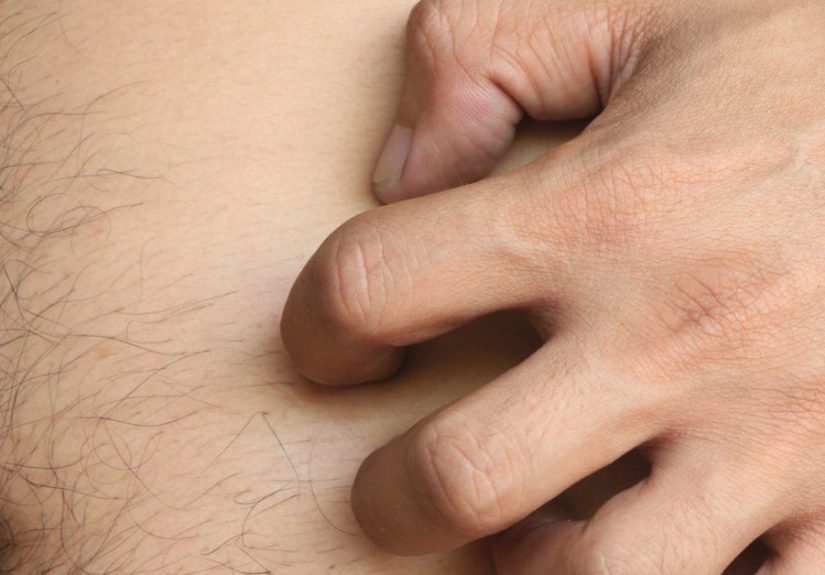
An itchy stomach (a.k.a. an itchy belly or abdomen) is one of those annoyances that can make you feel like you’re
auditioning for a role as a confused raccoonscratching, stopping, scratching again, wondering what you did to deserve this.
The good news: most belly itching is caused by common, fixable stuff like dry skin, irritation, or a mild rash. The important news:
sometimes itching can be a clue that your skin (or your body) wants a little extra attention.
This guide breaks down the most likely causes of an itchy stomach, the symptoms that matter, what you can safely try at home,
and when it’s time to call in a clinician. It’s not a substitute for medical care, but it will help you make sense of the itch.
What people mean by “itchy stomach”
Most of the time, “itchy stomach” means itchy skin on the abdomenthe area from your ribs down to your hips,
including around the belly button and waistband. Less commonly, people use the phrase to describe an “itchy” or uneasy sensation
inside the stomach (more like nausea, burning, or indigestion). If the discomfort feels internal and comes with heartburn, belly pain,
vomiting, or diarrhea, you may be dealing with a digestive issue rather than an itch of the skin.
For the rest of this article, we’re mostly talking about itch on the abdominal skin, because that’s the most common interpretationand the one that has the widest set of causes.
Common causes of an itchy stomach
Abdominal itching can happen with or without a visible rash. That detail matters because it helps narrow down what’s going on.
Here are the most common culprits clinicians think about.
1) Dry skin (xerosis): the “my skin is thirsty” itch
Dry skin is a top reason people itchespecially in colder weather, low humidity, or after lots of hot showers. When the skin barrier gets dried out,
your nerves get more reactive and your skin becomes more “scratchable,” even if it looks mostly normal.
- Clues: tightness, flaking, “ashy” look, itch that’s worse after bathing or at night.
- Common triggers: hot water, harsh soaps, frequent washing, dry indoor heat, chlorine pools.
2) Contact dermatitis: your belly is mad at something touching it
Contact dermatitis is an itchy rash caused by an irritant (like a harsh soap) or an allergic reaction (like nickel).
The abdomen is a classic spot because it’s where clothes, waistbands, belt buckles, detergents, lotions, and fragrances hang out all day.
- Clues: redness, bumps, burning or stinging, rash shaped like a waistband/buckle patch, itch that started after a new product or clothing item.
- Typical triggers: detergents, fabric softeners, fragrance, lotion ingredients, nickel in buttons/buckles, poison ivy/oak exposure.
3) Hives (urticaria): the “itchy welts that come and go” situation
Hives are raised, itchy welts that can appear anywhereincluding the bellyoften in response to infections, stress, heat, pressure, or allergens.
Each spot may fade within a day, only for a new one to pop up somewhere else (because hives love drama).
- Clues: puffy welts, intense itch, spots that move around or change quickly, swelling.
- Triggers: viral illnesses, certain foods/medications, temperature changes, exercise, stress, pressure from tight clothing.
4) Eczema (atopic dermatitis): the chronic itch-and-dry cycle
Eczema causes dry, inflamed, very itchy skin. While it’s famous for showing up in skin creases, it can appear on the trunk too.
Scratching can make it worse, which makes you scratch more, which… you get the idea.
- Clues: dry patches, rough texture, redness, recurring flares, personal/family history of allergies/asthma/eczema.
- Often worsened by: stress, sweating, fragranced products, and dry weather.
5) Fungal irritation and intertrigo: sweat + friction + skin folds
If the itch is strongest in areas where skin rubs skin (lower belly fold, under a pannus, around the groin edge) you might be dealing with
intertrigo (inflammation from moisture/friction) or a yeast/fungal overgrowth. Warm, moist areas are basically a spa day for yeast.
- Clues: redness that feels “raw,” burning itch, worse after sweating, possible odor, satellite small bumps with yeast.
- Common settings: hot weather, tight clothing, workouts, prolonged dampness, higher body weight, diabetes.
6) Scabies: intense itch (often worse at night) and a contagious cause
Scabies is caused by tiny mites that burrow into the skin. The abdomen and waistline can be involved, and the itch is often intense,
especially at night. It spreads through close skin-to-skin contact.
- Clues: severe itch at night, small bumps, burrow-like lines, other household members itching too.
- Note: scabies needs prescription treatment and household/close-contact management.
7) Shingles: itch or tingling before a one-sided rash
Shingles can start with itching, tingling, or pain before a rash appearsoften in a strip on one side of the torso.
If the skin feels oddly sensitive and then a blistery rash shows up, don’t ignore it. Antiviral treatment works best when started early.
- Clues: pain/tingling/itch, sensitivity to touch, then a one-sided rash with blisters.
- Urgency: prompt medical evaluation is recommended if shingles is suspected.
8) Psoriasis: itchy, scaly patches on the trunk
Psoriasis can cause thick, scaly, itchy plaques and can occur on the trunk (including the abdomen).
Some types show up in skin folds with less scaling and more redness/irritation.
9) Bug bites and environmental exposures
Mosquitoes, fleas, bed bugs, caterpillar hairs, and plant exposures can all make the belly itchespecially if your shirt rode up outdoors,
or if you’re reacting to something on bedding or clothing.
10) Less common: “systemic” causes of itch
Sometimes itching isn’t mainly a skin condition. Clinicians may consider internal causesespecially if itching is widespread, persistent,
and doesn’t match a clear rash or trigger.
- Liver and bile flow problems: cholestasis can cause significant itching and may come with jaundice, dark urine, or pale stools.
- Kidney disease: advanced kidney problems can cause chronic itch (often described as deep or widespread).
- Endocrine and metabolic issues: thyroid disease and diabetes can contribute to dry skin, infections, or itching.
- Pregnancy-related itching: itching can happen in pregnancy for several reasons; certain patterns need prompt evaluation.
- Medications: some medicines can cause itching or rashes as a side effect or allergic reaction.
Symptoms to pay attention to
Two questions help you sort abdominal itching quickly:
(1) Is there a rash? and (2) Are there other symptoms?
If there’s a rash, notice what it looks like
- Red, patchy, and where clothing touches: think contact dermatitis.
- Raised welts that come and go: think hives.
- Dry, rough, inflamed patches: think eczema.
- Bright red, moist, in a fold: think intertrigo/yeast.
- Small bumps with intense night itch: consider scabies.
- One-sided stripe of blisters: consider shingles.
- Thick, scaly plaques: consider psoriasis.
If there’s no rash, look for patterns
- Worse after hot showers: dry skin is likely.
- Worse at night: dry skin, eczema, scabies, and some systemic causes can be worse at night.
- Triggered by sweating or friction: intertrigo or irritation.
- New medication, supplement, or product: consider a reaction.
When to get medical care quickly
Many itchy-belly cases are mild. But get prompt medical care (urgent care or your clinician) if you notice:
- Difficulty breathing, facial/lip/tongue swelling, or widespread hives (possible severe allergy).
- A painful or tingling one-sided rash that looks like shingles.
- Signs of infection: fever, rapidly spreading redness, pus, increasing warmth, or significant swelling.
- Yellow skin/eyes, dark urine, or pale stools along with itching.
- Severe itch lasting more than 2–3 weeks without a clear cause, especially if it affects sleep.
- Unexplained weight loss, drenching night sweats, or persistent fatigue alongside ongoing itch.
- Possible scabies (especially if others around you are itching too).
- Pregnancy + intense itching, particularly on palms/soles or with no rashneeds clinician input.
At-home treatment: what you can try safely
If your symptoms are mild and you’re not seeing red flags, these steps can calm most belly itchingespecially from dryness or mild irritation.
Think of it as “skin diplomacy”: reduce triggers, restore moisture, and protect the barrier.
1) Cool the itch (without scratching your skin into a sequel)
- Apply a cool compress for 10–15 minutes.
- Keep fingernails short to reduce skin injury if you do scratch.
- Try “pressing” or gently rubbing through clothing instead of direct scratching.
2) Switch to gentle washing
- Use warmnot hotwater and keep showers shorter.
- Choose a fragrance-free, gentle cleanser instead of heavily scented body washes.
- Skip scrubs and loofahs on the itchy area while it heals.
3) Moisturize like it’s your job (especially after bathing)
- Apply moisturizer within a few minutes of drying off (“seal in” the water).
- For very itchy, very dry skin, ointments (like petrolatum-based) often work better than light lotions.
- If your skin reacts easily, choose “fragrance-free” and “dye-free.”
4) Remove obvious triggers
- Switch laundry detergent to a free-and-clear option and avoid fabric softener for a couple weeks.
- Avoid new lotions, perfumes, and essential oils on the abdomen until the itch is gone.
- If the rash matches a belt buckle or jeans button area, cover the metal or switch clothing (nickel can be a common trigger).
- Wear loose, breathable fabrics to reduce friction and sweating.
5) Over-the-counter options (use thoughtfully)
Over-the-counter (OTC) products can help, but the best choice depends on the cause:
- For mild inflammation/irritation: a small amount of OTC hydrocortisone can help short-term for minor dermatitis. Avoid prolonged use without clinician guidance.
- For hives/allergic itch: non-drowsy oral antihistamines are often used. Follow label directions and ask a pharmacist if you take other meds.
- For suspected fungal irritation in folds: OTC antifungal creams are commonly used, but if it doesn’t improve, get checked to confirm the diagnosis.
Important: if the skin is cracked, oozing, very painful, or you’re unsure what you’re treating, it’s smarter to get a quick medical opinion than to play “product roulette.”
Medical treatments (what a clinician might recommend)
If home care isn’t enough, a clinician may tailor treatment to the diagnosis:
- Contact dermatitis: identifying and avoiding the trigger is key; topical anti-inflammatory meds may be recommended for flares.
- Eczema: structured skin care (moisturizing routine) plus prescription topical options for inflammation in flares.
- Hives: antihistamines are often first-line; persistent or severe cases may need additional evaluation and treatment.
- Fungal/yeast issues: antifungal creams or powders; addressing moisture and friction is part of the plan.
- Scabies: prescription therapy plus management of close contacts and environment per clinician instructions.
- Shingles: antivirals are time-sensitive, so early treatment matters.
- Psoriasis: topical therapies, phototherapy, or systemic treatments depending on severity and type.
- Systemic causes: the focus is treating the underlying condition, plus itch-relief strategies.
How clinicians figure out the cause
Diagnosis often starts with a simple but powerful combo: history + skin exam.
Expect questions like:
- When did the itch start? Did it come on suddenly or slowly?
- Any new soaps, detergents, lotions, medications, supplements, or clothing?
- Is it worse at night? After showers? After sweating?
- Is anyone else in the home itching?
- Any other symptoms: fever, pain, fatigue, jaundice, weight changes?
If there’s no clear skin explanation and itch is persistent, clinicians may consider targeted testing (for example, screening labs),
especially when symptoms suggest a systemic contributor.
Prevention: keep the itch from coming back
- Moisturize consistently, not just when you’re itchy.
- Keep showers short and warm, and use gentle cleansers.
- Choose breathable clothing and manage sweat quickly after workouts.
- Use fragrance-free products if you’re prone to reactions.
- Address friction (waistbands, belts) and consider barrier products in folds if chafing is common.
FAQ: quick answers to common questions
Why is my stomach itchy but there’s no rash?
The most common reason is dry skin. But itching without an obvious rash can also happen with early irritation,
mild eczema, medication reactions, or (less commonly) systemic conditions. If it persists more than a couple of weeks or disrupts sleep,
it’s reasonable to get it checked.
Can stress make my stomach itch?
Stress can amplify itch signals and worsen conditions like eczema and hives. It doesn’t mean the itch is “imaginary”it means your nervous system and immune system can turn the volume knob up.
Is an itchy belly button normal?
It can be, especially if there’s irritation from clothing, trapped moisture, or yeast. Persistent redness, discharge, strong odor, or pain should be evaluated.
What if the itch is mostly at my waistband?
That pattern often points to contact dermatitis (detergent, elastic, dyes) or nickel allergy (buttons/buckles).
Switching to fragrance-free laundry products and covering metal contact points can help.
“Experience” section: what itchy stomach can look like in real life
Because itching is a sensation (not a diagnosis), people’s experiences can sound wildly differenteven when the underlying cause is similar.
Here are a few realistic, common scenarios clinicians hear, along with what tends to help.
Scenario A: “My belly itches every winter, and my skin feels tight.”
This person usually notices the itch ramps up after hot showers, especially when the air is dry and heaters are running.
The belly may look a little dull or flaky, but there’s no dramatic rashjust a persistent “I want to scratch my entire midsection” feeling.
What helps most often is boring (and therefore powerful): switching to warm water, using a gentle cleanser, and applying a thick moisturizer right after bathing.
Many people are surprised how quickly the itch improves when the skin barrier is repairedsometimes within a few days.
The “aha” moment tends to be realizing that lotion used randomly is less effective than moisturizer used consistently and strategically.
Scenario B: “It started after I changed laundry detergent.”
This experience often comes with a mild rash that traces where clothing touches: waistband, lower belly, or the area under a snug sports top.
The itch may be accompanied by burning or stinging, and scratching makes it angrier.
People sometimes try more soap (which feels logical but backfires), or they add scented lotions (which can also backfire).
What usually helps is removing the trigger: switching to a fragrance-free detergent, skipping fabric softener, and rinsing clothes well.
If the skin is inflamed, short-term anti-inflammatory care may be recommended by a clinician.
The most common “lesson learned” in these stories is that a product labeled “fresh” or “clean” can still contain fragrances and additives that sensitive skin hates.
Scenario C: “It’s worse after workouts and under my belly fold.”
This story shows up a lot in warm climates or during summer.
The itch tends to be paired with redness and a “raw” feeling in areas where skin rubs skin.
The discomfort may spike after sweating, long walks, or sitting in damp clothes.
People sometimes describe it as itchy-and-burny at the same time, and they may notice odor or irritation that doesn’t improve with regular body wash.
In many cases, moisture management makes the biggest difference: changing out of sweaty clothing quickly, gently drying the area,
using breathable fabrics, and reducing friction with barrier methods.
If yeast is involved, antifungal treatment may be needed.
People often say the turning point was realizing it wasn’t “just sweat”it was sweat plus friction plus a disrupted skin barrier.
Scenario D: “I have itchy welts that show up and disappear.”
Hives can feel almost comical because the marks can vanish as if your skin is messing with you.
Someone may wake up with itchy patches on the stomach, and by lunchtime those spots are gone but new ones appear on the side or back.
The itch can be intense, and sleep can suffer.
Many people in this scenario can’t identify a single trigger, which is common.
A clinician may ask about recent infections, new medications, foods, and stressand then focus on symptom control.
People often find relief with antihistamines (as advised by a clinician or pharmacist), cooling measures, and avoiding overheating or tight clothing until the flare settles.
The biggest frustration tends to be unpredictability, so reassurance and a clear plan (“what to do when it flares, and when to seek help”) can be just as helpful as medication.
Scenario E: “The itch came with tingling, then a painful one-sided rash.”
When itching is part of a shingles pattern, people frequently describe an odd skin sensitivity firstlike the area is sunburned or “electric,”
even before any rash appears. Once blisters show up in a strip on one side of the torso, it becomes clearer what’s happening.
The experience here is less about experimenting with home remedies and more about getting prompt medical care, because early treatment can reduce severity and complications.
People often say they wish they’d recognized the early warning signs soonerespecially if the first symptom felt like itch rather than pain.
If you see yourself in one of these scenarios, that can help you choose a smarter next step. The goal isn’t to self-diagnose perfectlyit’s to
reduce irritation, treat what’s likely, and know when to get professional help.
Conclusion
An itchy stomach is usually caused by everyday issues like dry skin, mild irritation, contact dermatitis, hives, eczema, or moisture/friction problems.
Most cases improve with gentle skin care, moisturizer, trigger avoidance, and a little patience (plus a cool compress when your belly is being dramatic).
But if itching is severe, persistent, spreads quickly, comes with red flags (painful one-sided rash, signs of infection, jaundice, breathing symptoms),
or affects sleep, it’s time to get medical guidance. The right treatment depends on the causeand the cause is often very treatable once identified.






 Close
Close