
Table of Contents >> Show >> Hide
- What Is Sweet Potato Meringue Pie?
- Why Sweet Potatoes Make Such a Good Pie Filling
- The Flavor Profile: Cozy, But Not Sleepy
- Ingredients for Sweet Potato Meringue Pie
- Step-by-Step: How to Make Sweet Potato Meringue Pie
- How to Prevent Weeping Meringue
- Best Spices and Flavor Additions
- Serving Ideas
- Storage Tips
- Common Mistakes to Avoid
- Sweet Potato Meringue Pie Experience: A Baker’s Notes from the Kitchen
- Conclusion
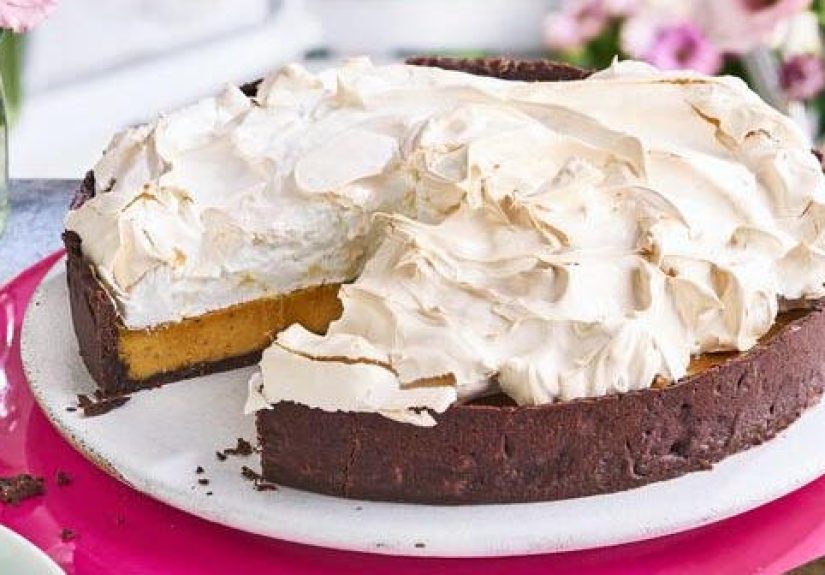
Sweet Potato Meringue Pie is what happens when Southern comfort food puts on a fancy hat and says, “Actually, I do have plans this evening.” It takes the cozy, cinnamon-kissed richness of classic sweet potato pie and crowns it with a glossy cloud of toasted meringue. The result is creamy, fluffy, buttery, dramatic, and just a little bit show-offyin the best possible way.
If pumpkin pie is the reliable cousin who always brings napkins to Thanksgiving, sweet potato meringue pie is the cousin who arrives with perfect hair, a caramelized topping, and a story about “just whipping up dessert.” It feels nostalgic without being boring, elegant without being fussy, and indulgent without needing a chocolate drizzle to beg for attention.
This in-depth guide walks through how to make a memorable sweet potato meringue pie, why the ingredients work, how to avoid common pie disasters, and how to serve it like you absolutely meant for everyone to ask for seconds.
What Is Sweet Potato Meringue Pie?
Sweet Potato Meringue Pie is a baked custard-style pie made with cooked sweet potatoes, eggs, dairy, sugar, warm spices, and a flaky pie crust. After the filling sets, the pie is topped with meringueusually made from egg whites, sugar, cream of tartar, and vanillathen toasted until golden.
The filling is smooth and earthy-sweet, similar to pumpkin pie but often richer and naturally sweeter. Sweet potatoes bring a deeper flavor, especially when roasted instead of boiled. The meringue adds contrast: lightness against density, sweetness against spice, and a toasted marshmallow-like finish that makes the pie look bakery-window ready.
Why Sweet Potatoes Make Such a Good Pie Filling
Sweet potatoes are naturally creamy when cooked, which makes them perfect for custard desserts. Their starches help create body, while their natural sugars add depth. They also pair beautifully with classic baking spices such as cinnamon, nutmeg, ginger, cloves, and allspice.
From a nutrition standpoint, sweet potatoes are known for providing vitamin A, fiber, and potassium. Of course, once they are mixed with butter, sugar, cream, and tucked into pie crust, we are no longer pretending this is a salad. Still, the vegetable brings real substance to the dessert, and that counts for somethingespecially if anyone at the table asks why you are eating pie for breakfast the next day.
The Flavor Profile: Cozy, But Not Sleepy
A great sweet potato meringue pie should taste balanced. The filling should be sweet but not sugary, spiced but not dusty, rich but not heavy. The best versions include a little salt, a touch of vanilla, and sometimes citrus zest or bourbon to brighten the filling.
The meringue should not simply sit on top like a decorative foam hat. It should contribute texture and flavor. A properly made meringue is glossy, stable, soft inside, and lightly toasted outside. It gives each bite a soft, cloudlike finish that makes the whole dessert feel lighter than it really is. Pie has many talents; calorie invisibility is sadly not one of them.
Ingredients for Sweet Potato Meringue Pie
For the Crust
You can use a homemade pie crust or a high-quality store-bought crust. A buttery crust works especially well because the filling is soft and custardy. The contrast between crisp pastry and silky sweet potato filling is part of the pie’s charm.
- 1 single 9-inch pie crust
- Pie weights or dried beans for blind baking
- Optional egg wash for extra color
For the Sweet Potato Filling
- 2 cups mashed roasted sweet potatoes
- 3/4 cup packed brown sugar
- 2 large eggs
- 1/2 cup evaporated milk, whole milk, or heavy cream
- 4 tablespoons melted unsalted butter
- 1 teaspoon vanilla extract
- 1 teaspoon ground cinnamon
- 1/2 teaspoon ground ginger
- 1/4 teaspoon ground nutmeg
- 1/4 teaspoon fine salt
- Optional: 1 teaspoon orange zest or 1 tablespoon bourbon
For the Meringue
- 4 large egg whites
- 3/4 cup granulated sugar or superfine sugar
- 1/4 teaspoon cream of tartar
- 1 teaspoon vanilla extract
- Pinch of salt
Step-by-Step: How to Make Sweet Potato Meringue Pie
Step 1: Roast the Sweet Potatoes
Roasting sweet potatoes concentrates their flavor and reduces excess moisture. Pierce them with a fork, place them on a baking sheet, and roast at 400°F until very tender. Depending on size, this usually takes 45 to 60 minutes. Once cool enough to handle, scoop out the flesh and mash until smooth.
For an ultra-smooth filling, pass the mashed sweet potatoes through a fine mesh sieve or blend them briefly in a food processor. This small step helps prevent stringy bits from sneaking into the custard like uninvited guests.
Step 2: Blind Bake the Pie Crust
Because sweet potato filling is moist, blind baking helps prevent a soggy bottom crust. Fit the dough into a 9-inch pie pan, crimp the edges, chill it, then line it with parchment paper and fill with pie weights. Bake until the edges begin to set, remove the weights, and continue baking until the bottom looks dry.
This step is worth it. A crisp crust makes the pie feel complete, while a soggy crust makes everyone quietly focus on the whipped topping and avoid eye contact.
Step 3: Mix the Filling
In a large bowl, whisk the mashed sweet potatoes with brown sugar, melted butter, eggs, milk or cream, vanilla, spices, and salt. The mixture should be smooth, thick, and pourable. Taste the filling before adding the raw eggs if you want to adjust the spice level safely.
Brown sugar gives the pie a caramel-like note, while butter adds richness. Cinnamon and nutmeg bring warmth, ginger adds lift, and salt keeps the sweetness from becoming flat.
Step 4: Bake Until Just Set
Pour the filling into the prepared crust and bake at 350°F until the center is mostly set but still has a gentle wobble. This usually takes 40 to 50 minutes. The filling should not look liquid, but it should not be overbaked until cracked and dry.
Because the pie contains eggs and dairy, food-safety guidance recommends that custard-style fillings reach 160°F. A digital thermometer is the most reliable way to check doneness without guessing.
Step 5: Make the Meringue
Beat egg whites with cream of tartar and a pinch of salt until foamy. Gradually add sugar, a spoonful at a time, and continue beating until the meringue becomes glossy and holds stiff peaks. Add vanilla near the end.
For extra stability, use superfine sugar or make a Swiss meringue by gently heating the egg whites and sugar over a double boiler until the sugar dissolves, then whipping until thick and glossy. This helps reduce grittiness and gives the topping a more polished texture.
Step 6: Spread and Toast
Spread the meringue over the warm pie filling, making sure it touches the crust all the way around. This seal helps reduce shrinking and weeping. Create swoops and peaks with the back of a spoon, because drama is free and pie deserves accessories.
Return the pie to the oven and bake at 350°F for 10 to 15 minutes, or toast carefully with a kitchen torch until golden. Watch closely. Meringue can go from “beautifully bronzed” to “campfire incident” with impressive speed.
How to Prevent Weeping Meringue
Weeping happens when moisture beads form on or beneath the meringue. It is common, but a few smart habits help prevent it.
- Use superfine sugar so it dissolves more easily.
- Add sugar gradually after the egg whites become foamy.
- Spread meringue onto warm filling so the bottom begins cooking right away.
- Seal the meringue to the crust edge.
- Avoid making meringue on very humid days if possible.
- Let the pie cool completely before slicing.
The goal is a stable, glossy topping that slices cleanly and does not leave a puddle behind. Pie should be emotional, not watery.
Best Spices and Flavor Additions
Classic sweet potato pie usually leans on cinnamon, nutmeg, and vanilla, but there is room to play. Orange zest adds freshness. Bourbon adds warmth and depth. Maple syrup can replace part of the sugar for a woodsy sweetness. A little cardamom creates a fragrant twist, while black pepper adds subtle heat that makes the other spices pop.
If you want a more dessert-like profile, add a spoonful of caramel sauce to the filling. If you want something more refined, use browned butter instead of plain melted butter. Browned butter brings a nutty aroma that makes the pie taste like it came from a bakery where everyone wears linen aprons and speaks softly about crumb structure.
Serving Ideas
Sweet Potato Meringue Pie is excellent for Thanksgiving, Christmas, Sunday dinners, potlucks, and any event where people pretend they are “too full” before somehow eating dessert anyway.
Serve it slightly chilled or at cool room temperature. A sharp knife dipped in warm water helps create clean slices. Because the meringue is already sweet and fluffy, this pie does not need whipped cream. However, a small drizzle of caramel or a sprinkle of toasted pecans can add crunch and visual appeal.
Storage Tips
Since this pie contains eggs and dairy, refrigerate leftovers. Let the pie cool completely first, then cover it loosely and place it in the refrigerator. Custard-style pies are generally best enjoyed within 3 to 4 days.
Meringue is most beautiful on the day it is made. It can soften in the refrigerator, especially in humid conditions. If you want the best presentation, bake the pie ahead, then add and toast the meringue closer to serving time.
Common Mistakes to Avoid
Using Watery Sweet Potatoes
Boiled sweet potatoes can absorb extra water, which may thin the filling. Roasting is better for concentrated flavor and texture.
Skipping the Blind Bake
A custard filling can make unbaked crust soft. Prebaking gives the crust a head start and helps it stay crisp.
Overbeating the Meringue
Meringue should be glossy and smooth. If it turns dry, grainy, or clumpy, it has gone too far. Stop when stiff peaks form.
Slicing Too Soon
The filling needs time to set. Cutting too early can lead to a messy slice. Delicious, yes. Photogenic, not exactly.
Sweet Potato Meringue Pie Experience: A Baker’s Notes from the Kitchen
The first time you make Sweet Potato Meringue Pie, it may feel like you are baking three desserts wearing one trench coat: pie crust, custard filling, and meringue. But once you break it into steps, the process becomes surprisingly manageable. The secret is not rushing. Pie can sense panic. It is basically a pastry-based lie detector.
Roasting the sweet potatoes is the moment when the kitchen starts to smell promising. They come out soft, caramelized, and fragrant, with syrupy edges that hint at the flavor waiting inside the pie. This is also when it becomes clear why sweet potatoes are better than canned shortcuts for this particular dessert. Freshly roasted sweet potatoes have personality. They are earthy, sweet, creamy, and just rustic enough to make the pie feel homemade in the most charming way.
The crust stage teaches patience. Chilling the dough, weighting it properly, and baking it until dry may not feel glamorous, but it makes a huge difference. A good crust should support the filling without turning limp. When the fork breaks through crisp pastry and slides into the soft orange filling, you understand why the extra step matters.
The filling itself is forgiving. Unlike some custards that behave like tiny culinary divas, sweet potato filling has enough body to cooperate. It smells like cinnamon, butter, vanilla, and holidays. Adding orange zest gives it brightness, while a splash of bourbon makes it taste deeper and more grown-up. Neither is required, but both can make the pie memorable.
Then comes the meringue, the part that makes everyone gather near the oven. Watching egg whites transform into glossy peaks feels a little magical, even if all you did was operate a mixer and believe in sugar. Spreading it over the pie is pure fun. You can make swoops, peaks, waves, or a dramatic mountain range. There is no wrong shape as long as the meringue seals to the crust.
Toasting the meringue is the grand finale. The pale topping turns golden at the edges, and suddenly the pie looks like it belongs on a magazine cover. A kitchen torch gives the most control, but the oven works well if watched carefully. Do not walk away during this step. Meringue waits for no one.
Serving the pie is its own reward. The first slice may not be perfect, but it will reveal the layers: flaky crust, velvety sweet potato custard, and soft toasted meringue. The flavor is familiar yet special, cozy yet elegant. It is the kind of dessert people remember because it feels both comforting and celebratory.
Sweet Potato Meringue Pie also has excellent leftover energy. A chilled slice the next morning with coffee is dangerously good. It is not officially breakfast, but neither is cake, and society seems to have made peace with that. The meringue may soften a little overnight, but the filling becomes even more flavorful as the spices settle.
The biggest lesson from making this pie is that small details matter. Roast the sweet potatoes. Blind bake the crust. Dissolve the sugar in the meringue. Let the pie cool before slicing. None of these steps are difficult, but together they turn a good dessert into a truly memorable one.
Conclusion
Sweet Potato Meringue Pie is a beautiful blend of Southern tradition, classic baking technique, and dessert-table drama. The filling is creamy, warmly spiced, and naturally rich, while the toasted meringue adds height, softness, and a lightly caramelized finish. With a crisp crust, smooth sweet potato custard, and stable meringue topping, this pie can easily become the star of a holiday meal or weekend gathering.
Whether you make it for Thanksgiving, a family dinner, or a cozy baking project, the key is balance: roast the sweet potatoes for flavor, prebake the crust for texture, and give the meringue enough care to shine. The result is a pie that tastes nostalgic, looks impressive, and disappears faster than anyone admits.







 Close
Close