
Table of Contents >> Show >> Hide
- What Type of Fish Are We Talking About?
- Why Swapping Beef for Fish May Help Lower Early Death Risk
- What the Research Actually Says
- Why Small Oily Fish Stand Out
- How to Make the Swap Without Feeling Punished
- What About Mercury and Safety?
- Who Might Benefit Most From This Swap?
- What This Swap Looks Like in Real Life: The Experience Side
- The Bottom Line
- SEO Tags
If your dinner plate has a long-running, complicated relationship with beef, this is not an intervention. It is, however, a gentle nudge. A growing body of research suggests that replacing some red meat with fish may help lower the risk of cardiovascular disease and premature death. And not just any fish: the standout category is small oily fish, often called forage fish, such as sardines, herring, and anchovies.
These fish may not have the star power of a fancy salmon fillet, but nutritionally, they punch way above their weight. They are rich in omega-3 fatty acids, provide high-quality protein, and tend to be lower in saturated fat than beef. Many are also lower in mercury than larger predatory fish, which makes them a smart pick for people who want the benefits of seafood without turning dinner into a chemistry experiment.
Before we give sardines a tiny fish-shaped crown, let’s be clear: no single food is a magic shield against illness. Your overall eating pattern matters more than one heroic lunch. But when it comes to easy, realistic protein swaps, trading some beef for small oily fish is one of the more evidence-backed moves you can make.
What Type of Fish Are We Talking About?
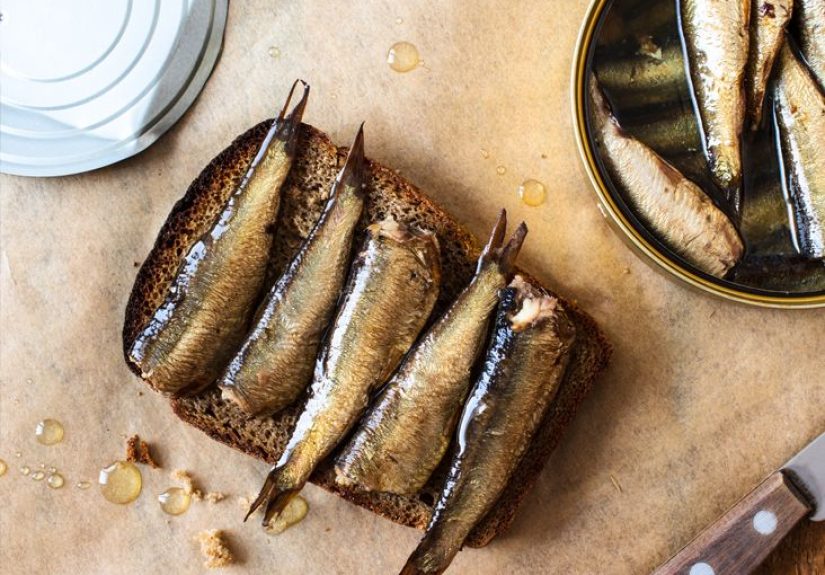
The phrase “this type of fish” points to small oily fish, especially sardines, herring, and anchovies. These fish are sometimes grouped under the term forage fish because they feed low on the food chain and are eaten by larger marine animals. That sounds dramatic, but nutritionally it is great news for humans.
Why? Because these fish are compact packages of heart-friendly fats, protein, vitamin D, vitamin B12, selenium, and sometimes calcium if you eat the soft edible bones, as you often do with canned sardines. They also tend to be more affordable than trendy seafood options, which is a rare and beautiful moment in modern grocery shopping.
Other fatty fish like salmon, trout, and Atlantic mackerel also deserve credit. But small oily fish stand out because they combine several advantages at once: they are nutrient-dense, convenient, shelf-stable in canned form, and generally considered a practical low-mercury choice.
Why Swapping Beef for Fish May Help Lower Early Death Risk
1. You usually cut back on saturated fat while increasing unsaturated fat
Beef can absolutely fit into a healthy diet, especially when portions are moderate and cuts are lean. But many common beef meals bring along more saturated fat than your heart would prefer. Burgers, steaks with visible fat, takeout beef bowls, and processed beef products can all nudge your diet toward a less favorable fat profile.
Small oily fish shift the balance in the opposite direction. They contain more unsaturated fat, including omega-3 fatty acids. That matters because diets that replace some saturated fat with unsaturated fat are generally associated with better cardiovascular outcomes. In plain English: your arteries are less likely to send you a passive-aggressive letter.
2. Omega-3s are one of the main reasons fish keeps winning nutrition arguments
Sardines, herring, and anchovies are rich in EPA and DHA, the long-chain omega-3 fats most closely tied to heart health. These fats are associated with lower triglycerides, healthier blood pressure patterns, and a reduced risk of certain cardiovascular problems when fish is part of an overall balanced diet.
This is one reason major heart-health organizations keep recommending fish, especially fatty fish, at least twice a week. It is not because fish is trendy. It is because the evidence has been annoyingly consistent for years.
3. Red meat is linked with higher long-term health risks in many studies
Large observational studies have repeatedly found that higher intake of red meat, especially processed red meat, is associated with higher risks of all-cause mortality, cardiovascular disease, and certain cancers. That does not mean every steak is a villain in a leather jacket. It means that, over time, eating more red meat and less of other protein sources appears to push risk in the wrong direction.
That is where the swap matters. The benefit is not only about eating fish. It is also about eating less beef in its place. Nutrition is often less about crowning one perfect food and more about choosing the better trade-off.
What the Research Actually Says
Here is the short version without the jargon parade. In major U.S. cohort research, increasing red meat consumption over time was associated with a higher risk of premature death. In that same line of research, replacing one daily serving of red meat with healthier options, including fish, was linked with a lower risk of death over the following years.
Another large analysis pooling U.S. cohort data found that processed and unprocessed red meat were associated with higher mortality risk, while fish was not. That does not prove fish is a miracle food. It does suggest fish is generally the better bet when choosing between the two.
Then came an attention-grabbing 2024 modeling study that looked specifically at forage fish. Researchers estimated that replacing part of global red meat consumption with forage fish like sardines, herring, and anchovies could prevent a substantial number of diet-related deaths by 2050. That study was a population model, not a personal prediction tool, so it should not be read as “eat one can of sardines and become immortal.” Still, it reinforces the same overall message: small oily fish are a promising substitute for red meat from a public health standpoint.
Why Small Oily Fish Stand Out
Let’s give these tiny swimmers their moment.
- Sardines: Rich in omega-3s, protein, calcium, vitamin D, and B12. They are canned, convenient, and surprisingly versatile.
- Herring: High in omega-3s and deeply satisfying when smoked, pickled, or baked. Strong personality, stronger nutrition profile.
- Anchovies: Intense flavor in small amounts, which means a little goes a long way. Great for sauces, dressings, pasta, and toast-based bravery.
These fish can also be easier on the budget than many fresh fillets. If your grocery cart has been acting like seafood belongs to people with yachts, canned sardines and anchovies are a refreshing reality check.
How to Make the Swap Without Feeling Punished
The biggest mistake people make is assuming the only way to eat fish is a sad, dry fillet next to unseasoned vegetables. That is not a health plan. That is a cry for help.
Easy swap ideas
- Replace one burger night with grilled sardines on toast, a salmon bowl, or a herring-and-potato plate.
- Use anchovies to add savory depth to tomato sauce, vinaigrettes, or roasted vegetables instead of using beef as the flavor anchor.
- Swap beef tacos for fish tacos with cabbage slaw and avocado.
- Trade deli roast beef sandwiches for sardine toast, tuna-white bean salad, or salmon salad wraps.
- Use canned sardines in pasta, rice bowls, or grain salads for a fast weeknight dinner.
You do not need to go from “steak every Friday” to “anchovy-only monk lifestyle.” A realistic goal is to replace one or two beef-based meals each week with fatty fish. That is enough to start changing your overall eating pattern in a meaningful way.
What About Mercury and Safety?
This is where sensible choices matter. Fish is nutritious, but not all fish are equal when it comes to mercury. In general, smaller oily fish are a smart choice because they tend to be lower in mercury than larger predatory fish like shark, swordfish, king mackerel, and some types of tuna.
For many adults, low-mercury seafood can be part of a healthy routine. People who are pregnant, breastfeeding, or feeding children should be especially mindful of choosing lower-mercury options. That is one more reason sardines, anchovies, salmon, trout, and similar choices often come up in nutrition guidance.
One practical note: canned fish can be higher in sodium depending on the brand and packing liquid. If you are watching blood pressure, compare labels. “Heart healthy” loses some of its sparkle when your lunch tastes like it was marinated in the Atlantic and then insulted with extra salt.
Who Might Benefit Most From This Swap?
Almost anyone who eats beef regularly can benefit from making this swap more often, but it may be especially helpful for:
- People with elevated cholesterol or triglycerides
- Adults trying to improve heart health
- People aiming to follow a Mediterranean-style eating pattern
- Anyone looking for a high-protein option with more omega-3s and less saturated fat
- Busy households that need shelf-stable protein that cooks fast
If you do not eat fish because of allergies, preferences, or dietary pattern, you can still lower red meat intake by swapping in beans, lentils, tofu, tempeh, or nuts. Fish is a strong option, not the only option.
What This Swap Looks Like in Real Life: The Experience Side
On paper, “eat more small oily fish” sounds wonderfully simple. In real life, it can feel like a tiny identity crisis. A lot of people grew up thinking beef equals comfort, celebration, and a proper meal, while sardines were either mysterious pantry objects or something your grandfather ate without explanation. So the first experience many people have with this swap is not culinary bliss. It is mild suspicion.
That suspicion usually fades the moment the swap becomes practical instead of theoretical. The people who do well with it are rarely the ones making dramatic declarations on Monday morning. They are the ones who start small. One person swaps a roast beef lunch for sardines on whole-grain toast with lemon and cracked pepper. Another stops defaulting to ground beef for pasta night and tries a garlicky anchovy tomato sauce that tastes rich without tasting “fishy.” Someone else keeps canned herring in the pantry for nights when cooking from scratch feels emotionally ambitious.
There is also an interesting psychological shift that happens when people stop treating fish like a special-occasion entrée and start treating it like normal protein. That is often the real breakthrough. Once sardines become “the thing I throw into a grain bowl” instead of “the intimidating can in the back of the cabinet,” the habit gets easier. Convenience matters. Health goals live or die in the fifteen-minute window between “I’m hungry” and “I’m ordering takeout.”
Taste adaptation is another real part of the experience. Small oily fish have more personality than plain chicken breast, and not everyone falls in love on the first bite. But flavor has a funny way of becoming appealing once it is paired well. Acid helps. Herbs help. Crunch helps. Toast, mustard, capers, olives, chili flakes, yogurt sauces, pickled onions, cucumbers, roasted potatoes, and fresh lemon all make these fish feel less like a sacrifice and more like a smart upgrade. Many people who think they dislike anchovies actually dislike bad anchovy introductions.
Energy-wise, people often report that meals built around fish, vegetables, beans, and whole grains feel lighter but still satisfying. Not “I just ate air” light. More like “I can function after lunch” light. That may be because the meal is often less greasy, less heavy, and easier to portion than a beef-centered plate. You do not need a nap afterward, and your afternoon meeting becomes marginally less tragic.
There is also the budget experience, which surprises people in a good way. Fresh seafood can be expensive, but canned sardines and anchovies are often cheaper than beef, especially compared with steaks or premium ground beef. Once people realize the healthier option is not automatically the pricier option, consistency gets easier.
And finally, there is the long-game experience: the quiet satisfaction of knowing your meals are doing more for you. Not in a flashy detox-tea way. In a steady, grown-up, evidence-based way. You are eating protein. You are getting omega-3s. You are cutting back on a food linked with higher long-term risk when consumed too often. It is not dramatic. It is just smart. And in nutrition, smart beats dramatic almost every time.
The Bottom Line
If you want the simplest takeaway, here it is: swap some beef meals for small oily fish like sardines, herring, and anchovies. This kind of change may help lower your risk of early death because it generally means less red meat, less saturated fat, and more heart-friendly omega-3s. The evidence does not say you need to ban beef forever or start living on canned fish like a stylish lighthouse keeper. It says that, over time, choosing fish more often is a meaningful move in the right direction.
In other words, your healthiest dinner upgrade may not be complicated at all. It may just be smaller, shinier, and wildly underrated.






 Close
Close