
Table of Contents >> Show >> Hide
- What do stretch marks on thighs look like?
- What causes stretch marks on thighs?
- Are stretch marks on thighs harmful?
- Can stretch marks on thighs go away?
- Best treatments for stretch marks on thighs
- Can you prevent stretch marks on thighs?
- When should you see a doctor?
- How to feel better about stretch marks on thighs
- Experiences people commonly share about thigh stretch marks
- Final thoughts
Thigh stretch marks have a talent for showing up uninvited. One day your skin is minding its business, and the next day there are streaks on your inner or outer thighs that seem to have appeared out of nowhere. The good news is that stretch marks on thighs are common, harmless, and incredibly normal. The less-fun news is that they can make people self-conscious, especially when shorts, swimsuits, gym clothes, or summer weather enter the chat.
If you have been wondering what these lines are, why they showed up, and whether anything actually helps, you are in the right place. Stretch marks are a type of scar that forms when skin stretches or shrinks quickly. They often fade with time, but they do not always disappear completely. Still, there are ways to make them less noticeable, and there are even more ways to stop blaming yourself for having them in the first place.
This guide breaks down the appearance, causes, treatments, and everyday reality of stretch marks on thighs in plain English. No miracle cream promises. No magical coconut-butter fairy tales. Just practical, real-world information you can actually use.
What do stretch marks on thighs look like?
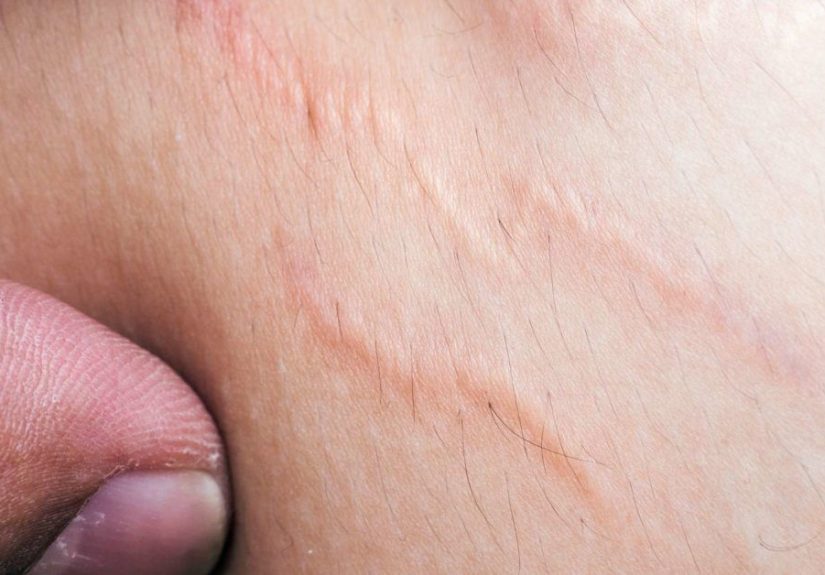
Stretch marks on thighs usually appear as narrow streaks, lines, or bands that run parallel across the skin. They can show up on the inner thighs, outer thighs, upper thighs, or near the buttocks. At first, they may look red, pink, purple, blue, dark brown, or reddish-brown depending on your skin tone. Early marks can also feel slightly raised or itchy. Over time, they typically flatten, become lighter, and may look silvery, pale, or scar-like.
That change in appearance matters because newer stretch marks and older stretch marks do not behave the same way. Fresh marks are often more colorful and easier to notice in certain lighting. Older marks tend to be flatter and lighter, but the skin texture may still feel a bit different from the surrounding area. If you run a finger across them, you might notice a slight indentation. In other words, stretch marks are not just about color. Texture is part of the story too.
New vs. old stretch marks
New stretch marks are often brighter, more visible, and sometimes mildly itchy. These are sometimes called early stretch marks.
Older stretch marks usually fade and soften in color, but they can remain visible for a long time. These are often less responsive to over-the-counter products than newer marks.
Why thighs are such a common spot
The thighs are one of the most common places for stretch marks because this area often changes size during puberty, pregnancy, muscle gain, and weight fluctuations. The skin on the thighs can also be affected by genetics, hormones, and body composition. So if your thighs developed stretch marks before the rest of your body got the memo, they are not being dramatic. They are just being very on-brand.
What causes stretch marks on thighs?
Stretch marks happen when skin changes quickly enough that the supporting structures beneath it cannot keep up. Collagen and elastin help skin stay strong and flexible. When the skin stretches or shrinks rapidly, those fibers can be disrupted. As the skin heals, stretch marks appear. This is why stretch marks are considered a type of scarring.
Several common triggers can lead to stretch marks on thighs, and many people have more than one cause at the same time.
1. Puberty and growth spurts
Teen years are prime time for stretch marks, especially on the thighs, hips, buttocks, and legs. Rapid growth during puberty can stretch the skin quickly, which is why even healthy, active teens can develop thigh striae. This is one of the most overlooked facts about stretch marks: they are not a sign that anything is wrong. Sometimes they are simply evidence that your body grew faster than your skin wanted to file paperwork for.
2. Weight gain or weight loss
Quick weight gain can stretch the skin, especially on the thighs. Major weight loss can also play a role because the skin has been through significant change in a relatively short period. Stretch marks are especially common after cycles of gaining and losing weight or after obesity-related skin expansion.
3. Pregnancy
Pregnancy is famous for stretch marks on the abdomen, but the thighs, hips, breasts, and buttocks are also common locations. Hormonal shifts, fluid changes, and natural weight gain all contribute. Some pregnant women notice thigh stretch marks for the first time during the second or third trimester.
4. Muscle gain and bodybuilding
Rapid muscle growth can also stretch the skin. This is why athletes and bodybuilders can develop stretch marks on the thighs, shoulders, arms, and other areas where muscle size increases quickly. It is not always about body fat. Sometimes it is about the speed of change.
5. Genetics
Some people are simply more likely to get stretch marks than others. If your family members developed them during puberty or pregnancy, you may be more prone to them too. Skin structure, elasticity, and how your body handles rapid change can all have a genetic component.
6. Corticosteroid use and hormone-related conditions
Long-term use of corticosteroid creams or high levels of cortisol in the body can increase the risk of stretch marks. In some cases, wide, dark, or unusually severe stretch marks may be linked to conditions such as Cushing syndrome. If stretch marks appear suddenly without a clear reason, or if they come with symptoms like easy bruising, fatigue, muscle weakness, high blood pressure, or rapid changes in body shape, it is smart to get medical advice.
Are stretch marks on thighs harmful?
Most of the time, no. Stretch marks are generally harmless and painless. They are a cosmetic concern more than a medical danger. That said, “harmless” does not automatically mean “emotionally irrelevant.” Many people feel embarrassed, frustrated, or annoyed by stretch marks, especially when they show up on visible areas like the thighs.
It is also worth noting that early stretch marks can sometimes itch. And if your stretch marks appeared for no obvious reason, are extremely wide or dark purple, or are paired with other symptoms, it is worth checking in with a healthcare professional. Sometimes the skin is just skinning. Other times it is waving a small red flag.
Can stretch marks on thighs go away?
They usually fade, but they do not always go away completely. That is the honest answer. Many stretch marks become less noticeable over time even without treatment. Their color softens, the contrast with surrounding skin decreases, and the texture may become less obvious. But because stretch marks are a form of scar, complete removal is difficult.
This is why it helps to think in terms of improvement rather than erasure. Good treatment can reduce visibility. Great expectations can still ruin your day. The best results usually come from realistic goals, patience, and early treatment when marks are still new.
Best treatments for stretch marks on thighs
There is no single treatment that works for everyone. The best option depends on how old the marks are, your skin tone, your budget, your tolerance for downtime, and whether you are pregnant or breastfeeding. Also, many products sold for stretch marks are big on packaging and light on proof. A fancy jar is not a scientific study.
Topical retinoids and tretinoin
Prescription tretinoin may help make newer stretch marks less noticeable. It is a retinoid derived from vitamin A and may support collagen remodeling in the skin. Results tend to be better for newer marks than for mature ones. However, tretinoin can irritate the skin, and it is not appropriate during pregnancy or while nursing unless your healthcare provider specifically says otherwise.
Hyaluronic acid
Some evidence suggests that hyaluronic acid may help early stretch marks look less noticeable, especially when used consistently. It is not a miracle fix, but it is one of the ingredients with at least some scientific support behind it.
Laser therapy
Laser treatment is one of the most commonly used in-office options for stretch marks. Different lasers are used for different goals. Some target redness in newer marks, while others focus on texture and collagen remodeling. Treatment often requires multiple sessions, and results vary. Laser therapy may improve the appearance of thigh stretch marks, but it does not erase them completely.
Microneedling
Microneedling uses tiny needles to stimulate collagen production. It is often used for scars and stretch marks, and it may be a useful option for people who want improvement in texture and visibility. It can also be a preferred first approach for people with darker skin tones because it carries less risk of pigment change than some laser treatments.
Microdermabrasion and related procedures
Microdermabrasion and other resurfacing procedures may help some people, especially when used as part of a treatment plan. Dermatologists may also combine methods, such as radiofrequency with laser therapy, depending on the age and appearance of the marks.
What usually does not work very well
Cocoa butter, vitamin E, olive oil, almond oil, and many stretch mark creams have limited evidence or little meaningful benefit for existing marks. That does not make them evil. It just means they are often better at moisturizing skin than rewriting history. Some products may help with comfort or dryness, but that is not the same as removing stretch marks.
Can you prevent stretch marks on thighs?
Prevention is tricky. No method is proven to fully prevent stretch marks, and many heavily advertised creams do not live up to the hype. Still, a few habits may help support skin health and possibly reduce risk in some people.
Helpful habits
Try to avoid rapid weight gain when possible. Build muscle gradually instead of chasing overnight transformation fantasies. Keep skin moisturized if dryness is an issue. And if you are pregnant, ask your clinician before using any active ingredients on your skin.
Some research suggests that products containing hyaluronic acid or centella combined with regular massage may offer modest preventive benefit, but even then, prevention is far from guaranteed. Genetics and hormones still get a big vote.
When should you see a doctor?
Most thigh stretch marks do not need medical treatment. However, you should consider seeing a doctor or dermatologist if:
- stretch marks appear suddenly without clear weight change, puberty, pregnancy, or muscle gain
- they are very wide, dark purple, or unusually severe
- you also have easy bruising, thin skin, fatigue, muscle weakness, or high blood pressure
- you have been using corticosteroid creams for a long time
- you want a treatment plan tailored to your skin tone and goals
A dermatologist can also help you separate social-media hype from actual treatment options, which is a public service worthy of medals.
How to feel better about stretch marks on thighs
Let us be honest: even when something is medically harmless, it can still affect confidence. Thigh stretch marks can make people avoid shorts, change how they pose in photos, or think twice before going to the beach. That emotional side is real, and it deserves respect.
At the same time, stretch marks are extremely common across body sizes, ages, and life stages. They happen to teens during puberty, athletes during training, women during pregnancy, and people whose weight changes for all sorts of reasons. They are not proof that you failed your skincare routine, ignored hydration, or committed some tragic moisturizer crime. They are just evidence that your body changed.
Experiences people commonly share about thigh stretch marks
People often describe the first moment they notice stretch marks on their thighs as surprisingly emotional. Sometimes it happens in a dressing room under fluorescent lighting, which is already a rude environment for human self-esteem. Sometimes it happens after a growth spurt, after pregnancy, after starting a new workout program, or after losing or gaining weight. The reaction is often the same: confusion first, then a quick internet search, then a dramatic internal monologue that softens once they realize how common these marks really are.
Many teenagers notice stretch marks on their thighs during puberty and assume they did something wrong. In reality, that experience is incredibly common. A teen may not have changed diet, skincare, or exercise habits at all. Their body simply grew fast. For some, the marks start as reddish or purple lines on the inner thighs and slowly fade over months or years. The strange part is that the marks often become less noticeable long before the memory of panicking about them does.
Adults often connect thigh stretch marks with body transitions. Someone who starts strength training may feel proud of growing stronger but conflicted about developing marks near the upper thighs or hips. A person who loses a significant amount of weight may feel healthier and more energetic while still feeling frustrated that their skin tells an older story. Pregnant women may expect marks on the belly and be caught off guard when they show up on the thighs instead. In each case, the skin becomes a timeline, and people do not always feel ready to read it.
Another common experience is trying product after product in hopes of quick results. People often start with oils, butters, scrubs, or creams that promise dramatic improvement. Some enjoy the routine and the softness these products bring, but many eventually realize that smoother skin and erased stretch marks are not the same thing. That can be disappointing, but it can also be clarifying. Once expectations become more realistic, people tend to make calmer choices about whether to leave the marks alone, try a prescription product, or book a consultation with a dermatologist.
People with darker skin tones sometimes describe an extra layer of frustration because stretch marks may look darker or more noticeable at first, and some treatments carry a risk of pigment changes. This is one reason individualized care matters. A treatment that sounds exciting online may not be the best first option for every skin tone. In-office guidance can make a real difference.
What many people say over time is that stretch marks matter less than they expected. Not always immediately, and not in a cheesy “love every line” way. More in a practical way. The marks fade. Life gets busy. Shorts get worn. Photos get taken. The thighs continue doing their main job, which is getting you through the day. For some, treatment helps. For others, time helps more. Either way, the most common long-term experience is this: stretch marks on thighs often start as a big emotional event and gradually turn into background information.
Final thoughts
Stretch marks on thighs are common, normal, and usually harmless. They can look red, purple, brown, or pink at first and later fade to a lighter, flatter appearance. Puberty, pregnancy, weight changes, muscle growth, genetics, and hormone-related issues can all contribute. While no treatment removes them perfectly, options like tretinoin, microneedling, and laser therapy may help reduce their appearance, especially when marks are newer.
If your stretch marks showed up after a period of normal body change, they are probably just part of being human. If they appeared suddenly or alongside other symptoms, get them checked. And if they bother you cosmetically, you have options. Just do yourself a favor and be skeptical of any product that sounds like it was invented by a wizard in a skincare lab.






 Close
Close