
Table of Contents >> Show >> Hide
- Why Stovetop Smoking Works
- Ingredients
- Equipment
- Choosing Salmon for Smoking
- Prep & Cure Options (Pick Your Adventure)
- Set Up Your Stovetop “Smoker” (Without Setting Off Your Whole Building)
- Stove Top Smoked Salmon Recipe (Step-by-Step)
- Doneness, Temps & Food Safety
- How to Serve Stove Top Smoked Salmon
- Flavor Variations
- Troubleshooting
- Storage & Leftovers
- FAQ
- Experiences & Real-World Tips ( of “What Actually Happens”)
- Conclusion
If you’ve ever paid deli-counter prices for smoked salmon and thought, “Sure, this is delicious… but also, why does it cost the same as my streaming subscriptions combined?”
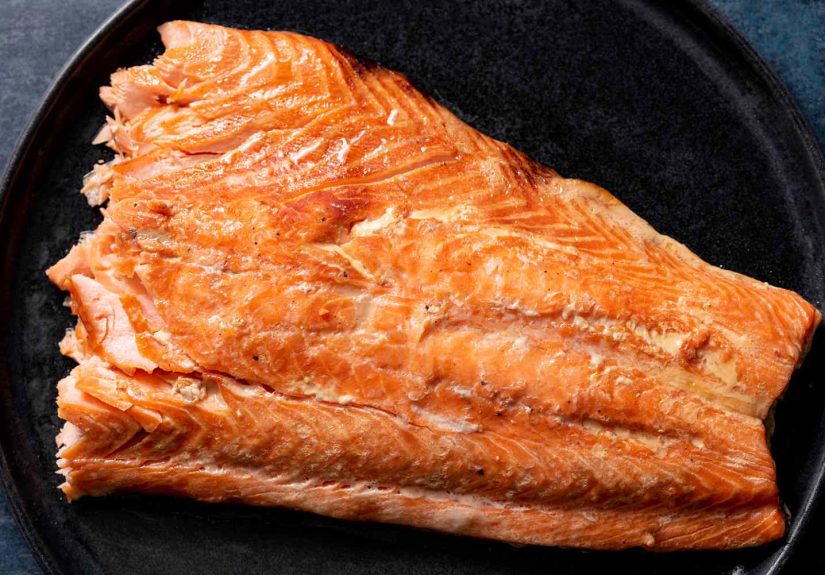
Good news: you can make legit, hot-smoked salmon on your stovetop with a pan, some foil, and a small handful of wood chips. No backyard smoker. No special handshake.
Just big flavor, tender fish, and the deeply satisfying feeling of pulling off something that sounds far fancier than it actually is.
This guide gives you two reliable approaches:
(1) a fast weeknight method (season and smoke right away) and
(2) a deeper-flavor method with a quick cure that firms the salmon and boosts that classic smoked-salmon vibe.
Along the way you’ll get smoke-control tips, doneness temps, troubleshooting, and plenty of serving ideasbecause once you nail this,
you’ll want excuses to put smoked salmon on everything.
Why Stovetop Smoking Works
Smoking is basically seasoning + gentle heat + aromatic wood smoke. On a stovetop, you can trap smoke in a foil-sealed pan or foil “tent,”
letting it circulate around the fish long enough to perfume and cook it.
Because salmon is naturally rich and fatty, it’s one of the most forgiving fish for smokingmeaning you can get restaurant-worthy results without a lot of drama.
The trick is managing three things:
smoke, moisture, and temperature.
Too much heat and you dry the fish. Too much moisture and the smoke can’t cling.
That’s why many smoked-salmon methods include a short cure and a brief drying step to help the surface get tacky (that “pellicle” you’ll hear smoking folks mention).
Translation: better smoke flavor, better texture, less chance of your salmon acting like it’s trying to escape the rack.
Ingredients
For the salmon
- Salmon: 1 1/2 to 2 pounds skin-on salmon fillet (center-cut is ideal)
- Kosher salt: for seasoning or curing
- Brown sugar: optional but highly recommended for balance
- Black pepper: freshly ground, because you’re worth it
- Neutral oil: for greasing the rack (prevents sticking)
- Optional aromatics: lemon zest, dill, crushed coriander, garlic powder, smoked paprika
For the smoke
- Wood chips: alder (classic), apple, cherry, or maple (mild and slightly sweet)
- Optional: a pinch of dried tea leaves + a spoonful of sugar + a spoonful of uncooked rice (an aromatic stovetop smoke alternative)
Wood choice matters: salmon loves mild woods. Heavy hitters like mesquite can taste like you dropped your fish into a campfire memory.
If that’s your thinglive your truth. Otherwise, go gentle.
Equipment
- A large wok, roasting pan, or deep skillet with a lid (or sturdy foil to seal)
- Heavy-duty aluminum foil (your smoke containment system)
- A wire rack that fits inside the pan (cooling rack works if it’s heat-safe)
- Instant-read thermometer (recommended for confidence and consistency)
- Ventilation help: range hood, open window, maybe a fan that understands your dreams
If you own a stovetop smoker (the dedicated kind), you can absolutely use it here. The method is the same:
heat the chips, place salmon on the rack, close it up, and control the heat.
Choosing Salmon for Smoking
For the best stove top smoked salmon recipe results, aim for a thick, even filletthink “center-cut” rather than a skinny tail piece.
Thickness matters because stovetop smoking is a relatively quick cook; an even fillet helps the whole thing finish at the same time.
- Skin-on is your friend: it protects the fish and makes removal easier.
- Fresh vs. previously frozen: both can be excellent. Quality and proper handling matter more than “never frozen.”
- Pin bones: remove them for a better eating experience (and fewer surprise mouth puzzles).
Prep & Cure Options (Pick Your Adventure)
Option A: Fast method (10–15 minutes of prep)
If you want smoked salmon tonightnot “after I reorganize my fridge and think about my life choices”skip the long cure.
Season the salmon well with salt, a little sugar, and pepper, then smoke it right away.
You’ll get a clean smoky flavor and tender texture in under an hour.
Option B: Quick cure for firmer texture + deeper smoked flavor (4 hours to overnight)
Curing draws out some moisture, seasons the fish more deeply, and firms it up. The payoff is a more classic smoked-salmon bite.
This is especially worth it if you plan to serve the salmon chilled later (bagels, salads, fancy brunch boards, etc.).
Simple cure blend (works well for 1 1/2–2 pounds salmon)
- 1/2 cup brown sugar
- 1/4 cup coarse salt (or 3 tablespoons kosher salt, depending on crystal size)
- 1 tablespoon freshly ground black pepper
Optional upgrades: add lemon zest, crushed coriander, or a little dill. Keep it simple the first time; you can get fancy on your second batch when you’re emotionally ready.
Drying step (tiny effort, big reward)
After curing (or even after just seasoning), pat the salmon dry and let it sit uncovered in the fridge for 20–60 minutes if you can.
This helps the surface dry slightly so smoke adheres better and the texture improves.
Set Up Your Stovetop “Smoker” (Without Setting Off Your Whole Building)
- Ventilate first: turn on the exhaust fan, crack a window, andif you have onedisable the smoke alarm only if your local rules and common sense allow it. Otherwise, use extra ventilation and keep smoke minimal.
- Prep your chips: you can soak chips for 20–30 minutes and drain them (slower smolder, less scorching). For fine smoking dust, soaking is usually unnecessary.
- Foil lining: line the bottom of your pan with heavy-duty foil. This makes cleanup dramatically less tragic.
- Add chips: place a small handful in the center (or about 1/2 cup if using a big roasting pan).
- Rack goes in: lightly oil it, then set it above the chips so the salmon doesn’t touch them.
- Seal strategy: use a tight lid if you have one; otherwise seal the top with multiple layers of foil. A tight seal keeps smoke inside (and your curtains less “artisanal”).
Stove Top Smoked Salmon Recipe (Step-by-Step)
Step 1: Prep the salmon
- Check for pin bones and remove them with tweezers (pull in the direction the bones naturally point).
- Pat the salmon very dry with paper towels.
- If using Option A (fast): season with 1 to 1 1/2 teaspoons kosher salt, 1/2 teaspoon sugar, and black pepper. (Adjust to taste; thicker fillets can take more.)
- If using Option B (cure): spread 1/3 of the cure mix in a dish, place salmon skin-side down, then cover the top with remaining cure. Cover and refrigerate at least 4 hours (or overnight).
Step 2: If you cured it, rinse and dry
- Rinse the cure off under cold water quickly (don’t soak it).
- Pat completely dry.
- Optional but helpful: refrigerate uncovered for 20–60 minutes to dry the surface a bit.
Step 3: Set up the pan
- Line the pan with foil.
- Add wood chips in the center.
- Place the oiled rack above the chips.
- Set salmon on the rack, skin-side down.
Step 4: Start the smoke
- Heat the pan over high until you see smoke starting (this may take a few minutes).
- As soon as smoke begins, reduce heat to low.
- Seal the pan tightly with a lid and/or multiple layers of foil.
Step 5: Cook time (two reliable timing tracks)
- Fast track (seasoned, not cured): 10–15 minutes for an average-thickness fillet portion; check early.
- Cured track (firmer smoked texture): about 25–30 minutes, then rest in the sealed pan off heat while it cools for extra smoke infusion.
The best move: use a thermometer and cook to your preferred doneness (see next section). Stovetop heat can vary wildly, and salmon does not care about your schedule.
Step 6: Rest and serve
- Turn off heat and let the salmon rest 5 minutes before flaking or slicing.
- Serve warm, room temp, or chilled.
Doneness, Temps & Food Safety
For food safety in the U.S., a common guideline is cooking fish to an internal temperature of 145°F.
That yields fully opaque, easily flaking salmon.
That said, plenty of cooks prefer salmon at a lower internal temp (around the mid-120s to mid-130s °F) for a softer, “medium” texture.
If you choose that route, be especially mindful about fish quality, handling, and serving to higher-risk groups.
Quick doneness cues (use more than one)
- Thermometer: thickest part reads your target temp.
- Look: color shifts from translucent to opaque, but can remain slightly glossy in the center for medium.
- Flake test: gently press with a fork; it should separate into flakes.
- Albumin (white stuff): harmless, but a sign the fish got a bit hot or cooked a bit long.
Important note on “smoked salmon” styles
This recipe makes hot-smoked salmon (cooked by heat while it smokes). That’s different from cold-smoked salmon (often smoked at much lower temperatures),
which has different food safety considerations and is generally trickier to do safely at home.
How to Serve Stove Top Smoked Salmon
The best part of making smoked salmon at home is realizing it’s not just a “bagel topping.” It’s a flavor tool.
Here are some specific, proven ways to use it:
Classic and proud
- Bagel board: cream cheese, capers, red onion, cucumber, tomato, lemon wedges
- Breakfast upgrade: fold into scrambled eggs or an omelet with chives
- Salad flex: flake over greens with a lemony vinaigrette and crunchy cucumbers
Weeknight-friendly
- Smoked salmon rice bowl: rice, avocado, cucumber, quick pickled onions
- Pasta in 15: toss flakes with warm pasta, olive oil or a little cream, lemon zest, and parsley
- Smoked salmon dip: mix with cream cheese (or Greek yogurt), lemon, and green onions
Entertaining (a.k.a. pretending you have it all together)
- Crostini: whipped ricotta, smoked salmon, honey drizzle, cracked pepper
- Potato situation: top mini baked potatoes with sour cream and salmon
- Brunch salad: arugula, grapefruit segments, toasted nuts, smoked salmon
Flavor Variations
1) Maple-pepper smoked salmon
Add 1–2 teaspoons maple sugar (or a tiny drizzle of maple syrup brushed on right before smoking) plus plenty of black pepper.
Keep it subtlesugar can scorch at high heat if you go heavy.
2) Citrus-dill
Add lemon zest to your cure or seasoning, and finish with fresh dill after smoking.
Bright, classic, and extremely hard to stop eating straight from the cutting board.
3) “Everything bagel” vibes
Smoke the salmon simply, then sprinkle everything seasoning on top once it comes off heat.
(If you add it before smoking, some bits can burn.)
4) Tea-rice stovetop smoke (aromatic twist)
Instead of wood chips, some cooks use a small mix of uncooked rice, sugar, and tea leaves to create fragrant smoke.
It’s a cool option when you want smoky aroma without the full “BBQ smoke” personality.
Troubleshooting
“My kitchen got smoky.”
Common on the first try. Next time: use fewer chips, lower the heat sooner, and seal the pan more tightly.
Also: ventilation before smoke starts is 10x better than ventilation after the alarm starts.
“The salmon is too salty.”
Cure time was likely too long for your fillet thickness, or the salt crystal size was smaller than expected.
Shorten curing time (try 2–3 hours), or reduce salt slightly. Always rinse cured salmon and pat dry.
“It’s dry.”
Heat was too high or it cooked too long. Next time, cut heat to low as soon as smoke starts and check earlier.
Pulling the salmon a little earlier and letting it rest in the sealed pan can help too.
“It stuck to the rack.”
Oil the rack lightly and keep the skin on. Also: don’t try to flip it unless you’re using a stovetop smoker designed for flipping.
Salmon is delicious, but it’s not always emotionally stable when you move it mid-smoke.
Storage & Leftovers
Even though it’s smoked, this salmon is not shelf-stable. Treat it like cooked fish.
- Refrigerator: store in an airtight container and eat within 3–4 days for best safety and quality.
- Freezer: freeze in tightly wrapped portions; thaw overnight in the fridge.
- Fridge temperature: keep your refrigerator at 40°F (4°C) or below.
Best leftover move: flake it into eggs, rice bowls, pasta, or a quick dip. Smoked salmon leftovers rarely make it to “boring.”
FAQ
Do I need a special stovetop smoker?
Nope. A wok/roasting pan + rack + foil works. A dedicated stovetop smoker can be more convenient and better sealed, but the DIY method is absolutely legit.
Do I have to soak wood chips?
Not always. Soaking can slow how quickly chips burn and can help them smolder. For fine smoking dust, soaking is often unnecessary.
If you’re new, soaking is a safe, beginner-friendly choice.
Can I use salmon portions instead of a big fillet?
Yesjust shorten cooking time. Portions can be done surprisingly fast, so check early and use a thermometer.
What’s the best wood for smoking salmon?
Alder is classic, especially in the Pacific Northwest tradition. Apple and cherry are mild and slightly sweet.
Strong woods can overpower fish quickly in a small stovetop setup.
Can I make it ahead for brunch?
Absolutely. The cured version is especially great chilled. Smoke it, cool it, refrigerate it, then slice or flake it the next day.
Experiences & Real-World Tips ( of “What Actually Happens”)
Here’s the part nobody tells you until you’re already standing over a foil-covered pan like a scientist in a food lab:
stovetop smoking is equal parts cooking and “learning your specific stove’s personality.”
The same burner that gently simmers soup can turn wood chips into a tiny dragon if you blink at the wrong time.
The good news? Once you understand the rhythm, the whole process becomes almost laughably repeatable.
Most home cooks notice three “first-time” surprises. The first is how quickly smoke can build in a well-sealed pan.
You don’t need a mountain of chipsespecially in a small indoor setup. A small handful often produces plenty of smoke flavor.
The second surprise is how sensitive salmon is to heat spikes. If you keep the burner too high after smoke starts,
salmon can go from silky to dry faster than you can say “Wait, is that the smoke alarm warming up?”
The third surprise is that the smell lingers. It’s not badmost people describe it as cozy and savorybut it is enthusiastic.
Good ventilation up front makes the whole experience calmer, and it keeps your “smoked salmon night” from becoming “smoked throw pillows week.”
The cure step also creates a very specific kind of confidence. When you quick-cure salmon (even just a few hours),
you can feel the fillet firm up. That firmer texture makes it easier to transfer, easier to slice, and less likely to shed flakes into the pan.
People who plan to serve smoked salmon chilled often become cure converts for that reason alone.
On the flip side, some folks realize they prefer the fast method because it tastes fresher and more “cooked salmon with smoke,”
which is fantastic for warm dinners and bowls.
Another very common experience: the first time you see white albumin on the surface, you may think something has gone wrong.
It hasn’t. Albumin is a natural protein that can appear when fish heats quickly.
If you’d like less of it, the usual “kitchen wisdom” fixes are simple:
keep the heat gentle after smoke starts, don’t overcook, and consider a short curing/drying step so the surface cooks more evenly.
It’s a cosmetic issue, not a safety issueand if you’re flaking the salmon into a dip or rice bowl, it’s basically a non-event.
Finally, there’s the cleanup reality. Most people become foil fanatics after their first batch.
Lining the pan and using a foil seal means you can remove the smoky chip remnants in one go instead of scrubbing a “campfire memory” off your cookware.
If you want to be extra smart, let everything cool completely before you open the foil wideboth for comfort and to avoid releasing a dramatic puff of smoke into your kitchen.
After a couple tries, you’ll likely develop your own perfect routine: chip amount, heat timing, and doneness preference.
And once that happens, this stove top smoked salmon recipe stops feeling like a project and starts feeling like a superpower.






 Close
Close