
Table of Contents >> Show >> Hide
- Why a Shepherd’s Hut Makes a Ridiculously Good Kitchen
- The “Stockpot & Two Smoking Barrels” Concept: A Field Kitchen With Teeth
- Design Breakdown: How to Fit a Real Kitchen Into a Tiny Hut
- The Stockpot: The One Tool That Basically Runs the Whole Show
- Two Smoking Barrels: Why Barrels Are the Ultimate Rustic Upgrade
- Safety in a Tiny Kitchen: Fire Is Romantic Until It’s Not
- What You Actually Cook in a Shepherd’s Hut Kitchen
- How to Steal the Look Without Copying It
- Conclusion: A Tiny Kitchen With Big “Let’s Eat” Energy
- Experience Add-On: From a Weekend in the Hut Kitchen
There are kitchens that exist to impress guests, and then there are kitchens that exist to feed people.
The best ones, somehow, manage to do bothusually with less marble and more common sense. Enter the shepherd’s
hut kitchen: small, wheeled, stubbornly practical, and so charming it makes your stainless-steel refrigerator
feel like it should apologize.
And in the category of “tiny kitchen, huge personality,” few ideas hit as hard (or as deliciously) as
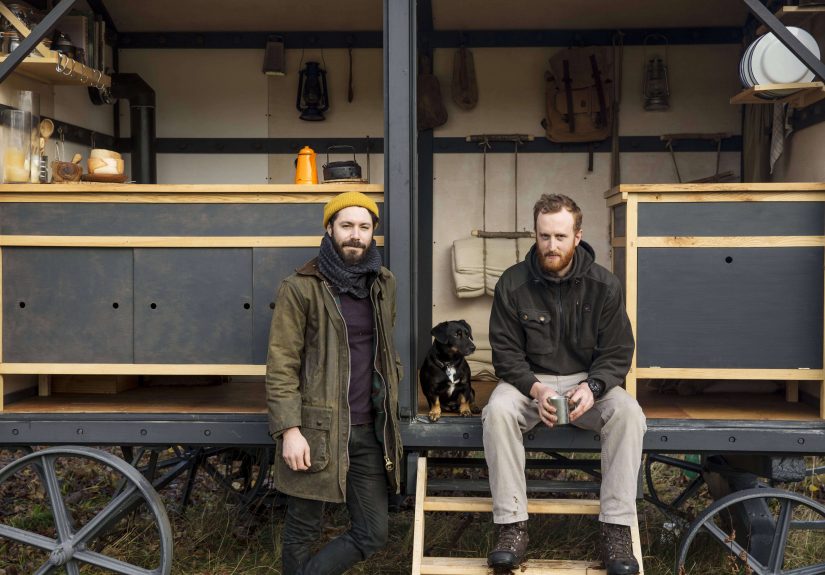
Stockpot & Two Smoking Barrelsa converted shepherd’s hut in England dreamed up for outdoor
cooking workshops and built to work like a pro kitchen that just happens to live in a field. It’s a name that
winks at pop culture while quietly signaling its priorities: one big pot, two barrels of smoke, and a whole lot
of honest food.
Why a Shepherd’s Hut Makes a Ridiculously Good Kitchen
Shepherd’s huts were originally mobile shelterssmall structures that could be moved across farmland and used
as a basic refuge during long days outdoors. Today, they’ve been reborn in the worlds of glamping and tiny living,
but the original logic still shines: compact footprint, tough construction, and a layout that rewards simplicity.
A kitchen inside a shepherd’s hut benefits from the same “everything has a job” mindset you’ll find on boats,
in campers, and in any apartment where the oven doubles as a sweater drawer. The hut sets boundaries that keep
you from collecting junk you don’t need. You can’t buy the 17-piece gadget set because you literally have nowhere
to put the avocado slicer (nature is healing).
The micro-kitchen advantage
When space is limited, your kitchen naturally becomes more efficient. The best tiny kitchens prioritize:
prep surface, safe heat, clean water, smart storage, and a workflow that doesn’t require an interpretive dance
just to chop an onion. This is exactly the design challenge that makes a shepherd’s hut kitchen so satisfying:
the constraints force clarity.
The “Stockpot & Two Smoking Barrels” Concept: A Field Kitchen With Teeth
The project known as Stockpot & Two Smoking Barrels began as a campfire ideatwo like-minded
outdoors types talking shop until the idea refused to die. The plan: convert an old shepherd’s hut into a mobile
kitchen that could roll out into the fields for rural courses where people learn to forage, cure, and cook over
live fire. In other words: a classroom where lunch is the final exam.
The conversion leans into an indoor-outdoor rhythm. A full side of the hut was opened up and fitted with folding
doors so the workspace can face the landscapebecause if you’re going to chop herbs in the countryside, you might
as well chop them while staring at the countryside. The cabinetry is designed for access from multiple sides,
turning the hut into a functional pass-through kitchen rather than a one-person galley.
Rustic, yes. “Twee,” no.
Here’s the twist: the aesthetic isn’t cosplay-cottage. It’s rural without being preciousmore “serious workshop”
than “storybook set.” That matters, because a working kitchen has different needs than a decorative one. Surfaces
must hold up. Storage must make sense. The layout must support a group. You can still keep it beautiful, but the
beauty should be a byproduct of good decisions, not a distraction from them.
Design Breakdown: How to Fit a Real Kitchen Into a Tiny Hut
Whether you’re building your own hut kitchen, designing a cabin kitchenette, or just daydreaming your way through
a Tuesday meeting, the structure of a successful small-space kitchen tends to follow a few repeatable principles.
1) Put the prep where the light is
In a micro-kitchen, prep space is your power. Place your main counter where you naturally want to standideally
near daylight and near your most-used tools. In the hut concept, counters face outward, making the view part of
the workflow. It also keeps the kitchen from feeling like a closet with a cutting board.
2) Use open storage like a grown-up
Open shelving is the small-kitchen cheat codeeasy access, visually light, and (bonus) it forces you to stop
hoarding mismatched plastic containers like they’re vintage collectibles. The key is restraint: keep everyday
items on display (mugs, bowls, oils, spices) and store the chaotic stuff elsewhere. Open shelves can be both
practical and attractive when edited well.
3) Hang what you can, stack what you must
Tiny kitchens reward vertical thinking. Peg rails, hooks, magnetic racks, and wall-mounted storage pull tools off
counters and free up workspace. Pots and pans can nest; bowls can stack; lids can live on a rack instead of
playing hide-and-seek in a cabinet.
4) Make the cabinets do double duty
In a hut kitchen that serves groups, pass-through cabinetry is genius: doors that open from either side, drawers
that reveal essentials without traffic jams, and compartments that can be “assigned” to categories (knives,
spices, cookware, dry goods). The goal is to keep multiple people useful at oncewithout turning the kitchen into
a polite argument about who’s blocking the flour.
The Stockpot: The One Tool That Basically Runs the Whole Show
If this kitchen had a mascot, it wouldn’t be a fancy stand mixer. It would be a big, hardworking stockpot with
handles you can actually grab. In a rustic hut kitchenespecially one supporting outdoor workshopsone large pot
is the ultimate multiplier: it stretches ingredients, feeds a crowd, and turns scraps into gold.
Why the stockpot wins in small spaces
- It’s versatile: stock, soup, stew, pasta, boiled potatoes, braises, chili, beans, mulled cider.
- It’s efficient: one pot means fewer dishes (and fewer chances to lose a spoon in the grass).
- It’s forgiving: rustic cooking thrives on “close enough,” and simmering is friendly that way.
A 10–12 quart stockpot is a sweet spot for feeding people without needing a forklift. Wider pots often simmer more
evenly and make it easier to brown aromatics before you add liquid (that browning is where flavor starts paying rent).
Three stockpot moves that feel like magic
1) “Scrap stock” with standards: Save bones, onion ends, carrot peels, herb stemsthen simmer
with intention. Keep it clean, avoid anything that will turn bitter or overpowering, and aim for a stock that
tastes like you meant it.
2) One-pot stew architecture: Brown your meat (or mushrooms), sweat onions and garlic, add a
splash of something acidic, then build from there with stock, roots, and time. The stockpot loves long, gentle
heatespecially on cold, damp English days that practically beg for stew.
3) The “feed-the-class” bean strategy: Beans plus aromatics plus smoked flavor equals a meal
that feels bigger than its ingredients. If you’re already running smokers, beans are basically the best sidekick
you can hire.
Two Smoking Barrels: Why Barrels Are the Ultimate Rustic Upgrade
Smoking barrels (often similar in concept to drum smokers) are beloved for a reason: they’re simple, stable,
and shockingly good at producing consistent heat once you learn the airflow. They’re also wonderfully on-theme
for a shepherd’s hut kitchen: practical, portable-ish, and just a little bit dramatic in the best way.
How a barrel smoker works (without the engineering lecture)
Think vertical heat: a fire basket sits near the bottom, adjustable vents control oxygen, and heat and smoke rise
up past the food. Once dialed in, the system can hold steady temperatures for long cooks with minimal fuss.
You’re not babysitting a bonfireyou’re managing a controlled environment.
Hot smoking vs. “I’m just adding a little smoke”
Hot smoking typically lives in the “low and slow” zonewarm enough to cook food through while flavoring it with
smoke. For many cooks, a practical target range is roughly the mid-200s to around 300°F, depending on the food,
the rig, and how you like your bark. The trick is monitoring both the cooker temperature and the internal temp of
the food, because smoke does not magically replace food safety.
Wood choice: flavor starts before the fire is even lit
Hardwood varieties create distinct smoke profiles. Fruit woods are gentle and sweet; oak is steady and classic;
stronger woods can bully delicate foods if you overdo it. In a workshop setting, barrels make it easier to teach
these differences because the results are clearand delicious.
Safety in a Tiny Kitchen: Fire Is Romantic Until It’s Not
A rustic kitchen often leans on real flamewood stove, charcoal, live fire cooking, or all of the above. In a
small space, safety isn’t optional; it’s part of the design brief. The smaller the volume of air, the more you
need to respect ventilation and carbon monoxide risk. That’s true in huts, cabins, tiny houses, and “I’m just
going to crack a window” situations.
Non-negotiables for fire-based cooking in tight quarters
- Vent properly: use vented appliances and keep airflow in mindespecially in enclosed spaces.
- Install alarms: smoke alarms and carbon monoxide alarms should be part of the setup, not an afterthought.
- Respect clearances: maintain safe distances between heat sources and anything combustible.
- Keep a fire extinguisher accessible: “accessible” means you can reach it without reaching through fire.
Good design also reduces risk. Use heat-tolerant surfaces near stoves, create a safe landing zone for hot pans,
and make sure the workflow doesn’t require anyone to pivot with boiling liquid in a crowded aisle. In a hut
kitchen, where people may be moving in and out, clear paths matter as much as beautiful cabinetry.
What You Actually Cook in a Shepherd’s Hut Kitchen
A rustic field kitchen isn’t about complicated plating; it’s about food that makes sense for the environment.
You want dishes that scale, travel well, and improve while they sitbecause in a real outdoor workshop, someone
is always distracted by a fascinating mushroom or an argument about whether that plant is edible.
A sample “hut kitchen” day
- Breakfast: porridge simmered in the stockpot, topped with apples and toasted nuts; kettle tea that tastes better outdoors.
- Lunch: smoked fish or smoked sausage, warm bread, pickles, and a bright slaw that cuts the richness.
- Dinner: a deep stew built on homemade stock, served with potatoes; smoked onions or roasted roots as the supporting cast.
Notice the pattern: one-pot base plus smoked accents. The stockpot carries the meal; the barrels add drama and
depth. It’s the culinary equivalent of a great outfit: good jeans (stockpot) and an incredible jacket (smoke).
How to Steal the Look Without Copying It
You don’t need the exact hut, the exact countryside, or the exact barrels to capture the spirit. What you need is
the logic behind the choices: durable materials, smart storage, a strong focal tool (hello, stockpot), and a heat
source that invites communal cooking.
Design cues that translate anywhere
- Keep the palette grounded: wood, metal, enamel, and a few purposeful colors.
- Choose fewer, better tools: one excellent pot beats five mediocre ones.
- Use open shelving as a display of function: bowls, jars, and frequently used utensils earn their keep.
- Create an indoor-outdoor threshold: folding doors, a serving hatch, or even a countertop that faces a window.
Most of all: design for the cooking you’ll actually do. If you’re dreaming of smoking food every weekend, build
for that. If your reality is “soup season and the occasional heroic batch of chili,” your stockpot deserves pride
of place and your smoker can be the weekend treat.
Conclusion: A Tiny Kitchen With Big “Let’s Eat” Energy
Stockpot & Two Smoking Barrels is a reminder that great kitchens aren’t measured in square
footagethey’re measured in how well they support real cooking and real people. A shepherd’s hut kitchen works
because it’s honest: it prioritizes workflow, storage, fire, and flavor. And it proves that “rustic” doesn’t have
to mean cluttered or kitschy. It can be clean, efficient, and quietly beautiful.
Put a stockpot at the center, add two barrels of smoke for depth, and you’ve got something rare: a kitchen that
feels like an invitation rather than an exhibit. If that doesn’t make you want to simmer something while the wind
rattles the grass outside, check your pulse.
Experience Add-On: From a Weekend in the Hut Kitchen
The first thing you notice when you step into a shepherd’s hut kitchen is the soundwood creaking, metal gently
ticking as it warms, and the low hush of open land outside that makes every clink of a spoon feel oddly important.
The second thing you notice is that you cannot bring your usual chaos in here. There’s nowhere to hide it.
No drawer for “miscellaneous.” No cabinet for “I’ll deal with this later.” It’s just you, a counter, and the
ruthless honesty of limited storage.
We started with the stockpot, because the stockpot is the boss. Onions went in first, then carrots and celery,
then a handful of herbs that smelled like someone had bottled the color green. The pot sat over steady heat while
the conversation wanderedhalf about what we were cooking, half about what we were pretending we knew about
smoking. A barrel smoker is a humbling teacher. You adjust a vent one millimeter and suddenly you’re either a
genius or the proud owner of a temperature spike that could melt your confidence.
Outside, the smokers were already doing their slow work. One barrel carried something rich and forgivingsausages
that don’t mind a little fluctuation. The other held fish, which is basically smoke’s love language but also
absolutely the kind of thing you can ruin by getting cocky. We learned quickly to trust the thermometer more than
our vibes. “It feels hot” is not a measurement. It’s a romance novel line, and the smoker does not care about
your feelings.
By midday, the hut kitchen felt like a tiny restaurant without the stress of Yelp. People drifted in and out,
grabbing mugs from open shelves and chopping things they’d foraged five minutes earlier like they were on a
cooking showexcept with more mud and less lighting. The best part was how the space forced cooperation.
One person stirred, one person sliced, one person watched the smokers like a hawk that had discovered brisket.
Nobody could disappear into a corner scrolling a phone, because the corner was already occupied by a broom, a
bucket, and the moral judgment of the stockpot.
Dinner was the payoff: stew ladled into bowls, smoky bites on the side, and bread eaten the way bread should be
eatenwarm, torn, and without anyone asking if it’s “allowed.” When the wind picked up and the doors were folded
in, the hut held its warmth like it was proud of itself. We washed dishes in a tiny sink, wiped the counter, and
looked around at a kitchen that had done exactly what it was designed to do: feed people well, with minimal fuss
and maximum story. The smoke clung to our clothes, the stockpot cooled on the stove, and we all agreed on the
obvious truth: tiny kitchens don’t limit you. They edit you. And honestly, most of us could use the help.





 Close
Close