
Table of Contents >> Show >> Hide
- What Is a Stent?
- Why Might You Need a Stent?
- How Stent Placement Works: Step-by-Step
- Benefits of a Stent
- Risks and Possible Complications of Stents
- Living With a Stent: What to Expect
- Questions to Ask Before Getting a Stent
- Real-Life Experiences: How People Describe Life With a Stent
- The Bottom Line
Hearing that you might need a stent can feel scary. Any procedure that involves your heart,
blood vessels, or other vital organs is bound to get your attention. The good news? Stents
are one of the most common tools doctors use to quickly restore blood flow or keep important
passages in your body open. In many cases, they can prevent serious complications and help you
feel better fast.
In this guide, we’ll break down what a stent actually is, why your clinician might recommend
one, how the procedure works, and what risks you should know about. We’ll also talk about
what life looks like after stent placement, including medications, lifestyle changes, and the
questions you should ask before you say “yes” to the procedure.
What Is a Stent?
A quick, plain-English definition
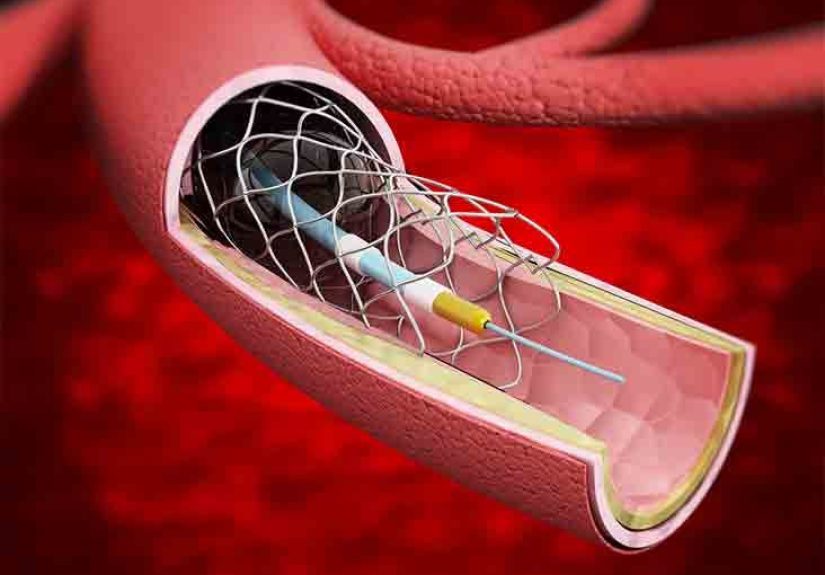
A stent is a tiny, tube-shaped medical device that helps keep a passageway in your body open.
Most people hear about stents in the context of heart disease, where a stent props open a
narrowed artery that supplies blood to your heart. But stents are also used in other parts of
the body, including:
- Coronary arteries (heart)
- Peripheral arteries in the legs or arms
- Carotid arteries in the neck (which supply the brain)
- Renal arteries (kidneys)
- Ureters (the tubes that carry urine from kidneys to bladder)
- Airways in the lungs
Think of a stent like a tiny scaffolding inside a blood vessel or duct. Without it, the
vessel might collapse or become too narrow for blood or other fluids to flow properly.
Common types of stents
Not all stents are the same. Your clinician chooses the type based on where it’s going and
what problem it needs to fix. Some common types include:
-
Bare-metal stents: Simple metal mesh tubes. They provide support but do
not release medication. -
Drug-eluting stents: Metal stents coated with medicine that slowly
releases over time. The medication helps reduce the risk that the artery will narrow again. -
Bioresorbable stents: Made of materials that are designed to slowly
dissolve or be absorbed by the body over time. These are less commonly used and are still
being studied and refined. -
Nonvascular stents: Stents placed in non-blood-vessel structures, such as
ureteral stents in the urinary tract or airway stents in the lungs, usually made from metal,
plastic, or silicone.
When people say “stent” without specifying, they’re usually talking about a coronary stent,
but the same basic idea applies wherever a stent is used: keep a vital passage open.
Why Might You Need a Stent?
Narrowed or blocked arteries
The most common reason for a stent is a narrowed or blocked artery caused by
atherosclerosisa buildup of fatty deposits (plaque) inside artery walls.
Over time, plaque reduces blood flow and can lead to:
- Chest pain or pressure (angina)
- Shortness of breath with activity
- Heart attack (if a coronary artery becomes blocked)
- Pain when walking (if leg arteries are affected)
- Higher risk of stroke (if carotid arteries are involved)
A stent is often placed after a balloon angioplasty procedure, where a small
balloon is inflated at the site of the blockage to widen the artery. The stent is then
expanded and left in place as a permanent support.
Other reasons stents are used
Outside the heart and large arteries, stents might be used to:
-
Bypass or relieve an obstruction in the ureter so urine can flow from the
kidneys to the bladder. -
Keep airways open in conditions where tumors or scarring narrow the windpipe
or bronchi. - Support weakened artery walls affected by an aneurysm.
In every case, the goal is similar: improve flow, reduce symptoms, and lower the risk of
serious complications like heart attack, stroke, or organ damage.
How Stent Placement Works: Step-by-Step
Before the procedure
Before placing a stent, your care team will evaluate your overall health, review your medical
history, and often order tests such as:
- Blood tests
- Electrocardiogram (EKG or ECG)
- Imaging studies, such as ultrasound, CT, or angiography
You’ll receive instructions about eating and drinking before the procedure and what to do
with your regular medicationsespecially blood thinners, diabetes medications, or kidney
medicines. In many cases, you’ll start or continue antiplatelet medications
(such as aspirin plus another blood thinner) to reduce the risk of clots forming in the stent.
During the procedure
Most vascular stent procedures are minimally invasive and done in a catheterization lab
rather than an operating room. Here’s what typically happens:
-
You’re given a local anesthetic to numb the skin where the catheter will go in, often in
the wrist or groin. You may also receive light sedation so you feel relaxed but awake. -
The clinician inserts a thin tube called a catheter into a blood vessel and
guides it to the problem area using X-ray imaging and contrast dye. -
A tiny balloon with a collapsed stent around it is advanced to the blocked or narrowed
segment of the vessel. -
The balloon is inflated, pushing the plaque against the vessel wall and expanding the stent
so it locks into place. - The balloon is deflated and removed, but the stent remains behind as a permanent support.
The entire procedure may take 30 minutes to a couple of hours, depending on how complex the
blockage is and how many stents are needed.
After the procedure
After stent placement, you’ll be monitored in a recovery area or hospital room. Your care
team will:
- Check your blood pressure, heart rate, and oxygen levels
- Monitor the catheter insertion site for bleeding or swelling
- Watch for chest pain, shortness of breath, or changes in neurological status
Many people go home the same day or after one night in the hospital, especially after a
straightforward coronary stent procedure. You’ll receive detailed instructions about activity
restrictions, medicines, and follow-up appointments.
Benefits of a Stent
When used appropriately, stents provide several key benefits:
-
Improved blood flow: By opening a narrowed artery, a stent helps deliver
more oxygen-rich blood to your heart, brain, legs, or other organs. -
Rapid symptom relief: Many people notice chest pain or leg pain improve
quickly after successful stenting. -
Less invasive than surgery: Compared with open surgery (like bypass
surgery), stenting uses small punctures instead of large incisions, often with shorter
hospital stays and faster recovery times. -
Prevention of serious events: In certain emergency situations, such as a
heart attack, quickly opening an artery with a stent can limit damage to the heart muscle.
It’s important to remember, though, that a stent is not a magic “cure.” It treats a specific
blockage, but it does not remove the underlying disease processlike high cholesterol,
diabetes, or smokingthat caused the problem in the first place. Long-term treatment still
involves medications and lifestyle changes.
Risks and Possible Complications of Stents
Every medical procedure has risks, and stent placement is no exception. Serious complications
are relatively uncommon, but understanding the possibilities helps you give informed consent
and recognize warning signs early.
Short-term risks (during or soon after the procedure)
-
Bleeding or bruising at the catheter insertion site, sometimes forming a
large bruise or hematoma. -
Damage to the blood vessel (such as a tear or dissection), which may
require additional treatment or, rarely, emergency surgery. -
Allergic reaction to the contrast dye or medications used during the
procedure. - Abnormal heart rhythms (arrhythmias) during coronary procedures.
-
Heart attack or stroke, particularly in higher-risk patients or when
the procedure is complex. -
Kidney problems, especially in people who already have reduced kidney
function and receive a significant amount of contrast dye.
Long-term risks and complications
-
Restenosis (re-narrowing of the artery): Scar tissue or plaque can build
up again inside the stent over time, causing the vessel to narrow once more. Drug-eluting
stents have helped lower this risk compared with bare-metal stents, but it’s not zero. -
Stent thrombosis (blood clot inside the stent): This is a serious but
relatively rare complication. A clot forming inside a stent can block blood flow entirely
and cause a heart attack or stroke. Taking your antiplatelet medications exactly as
prescribed is one of the most important ways to reduce this risk. -
Need for repeat procedures: If restenosis or stent thrombosis occurs, or
if new blockages form elsewhere, additional stents or other treatments may be needed.
Who is at higher risk of complications?
Some people are more likely to experience problems related to stent placement. Factors that
may increase risk include:
- Diabetes
- Chronic kidney disease
- Heart failure or reduced heart function
- Older age
- Multiple or very complex blockages
- Active smokers
If you fall into any of these categories, your clinician will weigh the benefits and risks
carefully and may recommend additional precautions or alternative treatments.
Living With a Stent: What to Expect
Medications after stent placement
After getting a stent, especially a drug-eluting coronary stent, most people need a
combination of medications called dual antiplatelet therapy. This typically
includes:
- Aspirin (usually long-term)
-
A second antiplatelet drug (like clopidogrel, prasugrel, or ticagrelor) for months to a
year or more, depending on your situation
Stopping these medications too early can dramatically increase the risk of stent thrombosis,
so never discontinue them without talking to your cardiologist or prescribing clinician first.
Activity and recovery
Most people can:
- Walk the same day or the next day after a straightforward procedure
- Return to desk work within a few days, if cleared by their clinician
-
Gradually resume exercise and heavier physical activity over several days to weeks, based
on medical advice
You’ll receive instructions about caring for the catheter insertion site, such as avoiding
heavy lifting for a few days and watching for signs of infection like redness, warmth, or
drainage.
Long-term lifestyle changes
A stent treats a blockage, but it doesn’t erase the underlying cardiovascular risk. To get
the most benefit, pair your stent with heart-healthy habits:
- Quit smoking and avoid secondhand smoke
- Follow a heart-healthy eating pattern (such as a Mediterranean-style diet)
- Stay physically active as recommended by your clinician
- Maintain a healthy weight
- Manage blood pressure, cholesterol, and blood sugar levels
- Take all prescribed medications consistently
These changes don’t just protect your stentthey help protect the rest of your arteries too.
Questions to Ask Before Getting a Stent
Being an informed patient can make a big difference in how confident and prepared you feel.
Consider asking your care team:
- What problem is the stent treating? Is it urgent or elective?
- Are there alternatives, such as medications alone or surgery?
- What type of stent will you use, and why?
- What are my personal risks based on my health history?
- How long will I need to take antiplatelet medications?
- What symptoms after the procedure should prompt an emergency call?
- How soon can I go back to work, driving, and exercise?
Real-Life Experiences: How People Describe Life With a Stent
While everyone’s experience is different, many patients share common themes about what it’s
like to live with a stent. The details below are based on typical patient stories and
clinical follow-up, not one specific person.
The first 24 hours: “I was surprised how quickly it was over.”
Many people are shocked that such a big-sounding procedure involves such a small incision.
Instead of a large surgical cut, they usually see a bandage on the wrist or groin. There may
be some soreness or bruising, but it often feels more like a deep bruise than a surgical
wound. For those who went in with severe chest pain or a heart attack, the contrast can be
dramaticrelief of crushing pressure replaced by mild soreness and fatigue.
It’s common to feel emotionally overwhelmed, too. Some people feel grateful and relieved;
others feel anxious, wondering what would have happened if they hadn’t gotten to the hospital
in time. Both reactions are normal, and many benefit from talking things through with family,
friends, or a counselor.
The first few weeks: “New routines, new medications.”
The early weeks after stent placement are often about adjusting to new routines. Patients
describe lining up pill bottles or using smartphone reminders to keep track of antiplatelet
medications and other heart drugs. Skipping doses becomes something they consciously avoid
once they understand how important these medications are in preventing clots.
Fatigue is also common at first. Even with a minimally invasive procedure, your body has
still been through a medical event. Cardiac rehabilitation programsstructured exercise and
education supervised by professionalscan be enormously helpful. People often report that
rehab gave them confidence to be active again without constant fear that every twinge of
chest discomfort is another heart attack.
Months later: “The stent fades into the background.”
Over time, most people say they stop thinking about the stent every day. Instead, it becomes
part of their medical history, like “I wear glasses” or “I had my gallbladder removed.”
They may carry a card in their wallet that lists their stent and medications and tell new
clinicians about it, but they’re not constantly aware that a tiny metal scaffold is sitting
inside a blood vessel.
What tends to matter more in the long run is whether they stick with lifestyle changes and
medical therapy. People who adopt healthier habits often say the stent was a turning point
the “wake-up call” that pushed them to take their heart health seriously. Others struggle
more with quitting smoking or changing their diet and benefit from extra support, like
smoking cessation programs, dietitians, or support groups.
Emotional side: balancing gratitude and worry
Emotionally, it’s common to feel both thankful and worried. Thankful that modern medicine
can open a blocked artery in under an hour, and worried that another blockage might appear
someday. Over time, learning about the condition, asking questions, and keeping follow-up
appointments often helps people feel more in control.
Many patients describe a shift from “Why did this happen to me?” to “What can I do now to
protect my heart?” That mindsetcombined with guidance from a trusted care teamis one of
the most powerful “treatments” you can give yourself after getting a stent.
The Bottom Line
A stent is a small device with a big job: keeping important passageways in your body open so
blood or other fluids can flow freely. For the right person, at the right time, it can
quickly relieve symptoms and reduce the risk of serious complications, especially in
emergencies like heart attacks.
Still, it’s important to understand that a stent is one piece of a bigger picture. Long-term
success depends on taking medications as prescribed, making heart-healthy lifestyle changes,
and keeping regular follow-up appointments. If your clinician recommends a stent, don’t be
afraid to ask questions. The more you know, the more confident you can feel about your
treatment plantoday and for years to come.






 Close
Close