
Table of Contents >> Show >> Hide
- Why peas + sumac + feta works (and why it tastes like spring)
- Ingredients
- Fresh vs. frozen peas: what to use and how to treat them
- How to choose sumac and feta (so the flavor actually pops)
- Step-by-step: how to make spring peas with sumac and feta
- Printable recipe card
- Variations that still taste like spring
- What to serve with spring peas, sumac, and feta
- Make-ahead, storage, and “how to keep it from getting sad”
- Frequently asked questions
- Experience Notes (extra-long, extra-real-life): the little moments that make this dish a keeper
- Conclusion
Spring peas have a very short window where they taste like candy that decided to become a vegetable.
And while they’re already excellent with just butter and salt, they’re even better with a little help:
tart sumac for brightness and salty feta for creamy contrast. The result is a fast, zingy side dish that feels
fancy enough for guests and easy enough for a Tuesday that needs emotional support.
This recipe is built around one simple goal: keep the peas sweet, green, and snappythen finish with a hit of
lemony-tangy sumac and a snowfall of feta. You’ll be done in about 15 minutes, which is exactly the amount of time
spring will wait before it turns into “why is it suddenly 85 degrees?”
Why peas + sumac + feta works (and why it tastes like spring)
Peas bring sweetness and a soft pop. Sumac brings a dry, citrus-like tang (brightness without adding extra liquid).
Feta brings salt and creaminess, plus that briny edge that makes vegetables taste more “finished.”
Put them together and you get balance: sweet + tangy + salty, with just enough richness to make it craveable.
The best part: this dish doesn’t require complicated techniquejust respect the peas. Overcook them and they’ll go
from bright green joy to olive-drab regret. Cook them quickly, keep them moving, and you’re golden (well, green).
Ingredients
This recipe is intentionally short on ingredients so the peas can be the star. Still, each supporting actor has a job.
Use what you love, but don’t skip the feta unless you’re ready to replace the salty, creamy “why is this so good?”
factor.
Main ingredients
- Peas (fresh or frozen) – English peas are classic, but frozen peas are a legit weeknight hero.
- Extra-virgin olive oil – A fruity oil works nicely with feta and herbs.
- Garlic – Just enough to perfume the peas without turning the whole dish into garlic bread (tempting, though).
- Ground sumac – Tart, fruity, and bright; think “lemon zest’s cool cousin.”
- Feta – Preferably a block you crumble yourself for better texture and flavor.
Optional but highly recommended
- Fresh herbs – Mint, dill, parsley, or a mix.
- Lemon zest – If you want extra lift without extra juice.
- Black pepper – Freshly cracked makes a noticeable difference.
- Toasted nuts – Pistachios, sliced almonds, or pine nuts for crunch.
- Chili flakes – A tiny pinch adds contrast to the sweetness.
Fresh vs. frozen peas: what to use and how to treat them
If you’re using fresh English peas
Fresh peas are amazing, but they require shellingan activity that’s either meditative or mildly insulting, depending
on your mood and playlist. If you’ve got them, use them. Just cook them briefly so they stay sweet and bright.
- Shell the peas and rinse quickly.
- Blanch in salted boiling water until crisp-tender and bright green (usually very fast).
- Drain well, then finish in the pan with garlic, oil, and sumac.
If you’re using frozen peas
Frozen peas are typically processed at peak freshness, which is why they can taste surprisingly good.
The key is not boiling them into mush. A quick sauté (sometimes with a splash of water to steam-sauté) keeps them
snappy and vibrant.
How to choose sumac and feta (so the flavor actually pops)
Sumac tips
Sumac should smell bright and a little fruity. If it smells like dust and disappointment, it’s probably old.
Store it in a cool, dark place like you would other ground spices, and don’t be shy about using it as a finishing
touchits tang is most noticeable when it isn’t cooked to death.
Feta tips
If you can, buy feta in a block (often packed in brine) and crumble it yourself. It tends to be creamier, less dry,
and more flavorful than the pre-crumbled kind. If your feta is stored in liquid, keep it that way; brine helps it
stay moist and salty in the best possible way.
Step-by-step: how to make spring peas with sumac and feta
The method is simple: cook the peas quickly, bloom the garlic briefly, toss with sumac, then finish with feta and
whatever fresh extras you love. This is a “bright finish” dishmost of the magic happens at the end.
-
Prep your finishing ingredients first.
Crumble feta, chop herbs, zest lemon (if using), and have sumac ready. Once peas are cooked, you want to finish fast. -
Cook the peas quickly.
If fresh: blanch briefly in salted boiling water until crisp-tender, then drain very well.
If frozen: sauté in a skillet with a tiny splash of water if needed to steam and heat through. -
Bloom the garlic.
Warm olive oil over medium heat. Add garlic and cook just until fragrantthink “30 seconds,” not “golden and bitter.” -
Toss peas with sumac.
Add peas to the skillet and toss to coat. Sprinkle in sumac, salt, and pepper, and toss again. Taste and adjust. -
Finish off heat.
Turn off the heat. Add herbs and lemon zest (if using). Fold in feta last so it softens slightly but doesn’t vanish.
Printable recipe card
Spring Peas With Sumac and Feta (15-Minute Side)
Yield: 4 servings (as a side) | Time: ~15 minutes
Ingredients
- 4 cups peas (about 1 lb fresh shelled English peas, or 16 oz frozen peas)
- 1 tbsp extra-virgin olive oil
- 1 small garlic clove, finely minced (or 2 cloves if you’re living boldly)
- 1/2 to 1 tsp ground sumac (start smaller; you can always add more)
- 1/4 tsp kosher salt, plus more to taste
- Freshly ground black pepper, to taste
- 3/4 cup crumbled feta (about 4 oz)
- 2 tbsp chopped fresh herbs (mint, dill, parsley, or a mix) (optional)
- 1/2 tsp lemon zest (optional)
- 1–2 tbsp toasted pistachios or sliced almonds (optional)
Instructions
- Prep: Crumble the feta and chop herbs (if using). Set aside.
-
Cook peas:
Fresh peas: Bring salted water to a boil. Blanch peas until crisp-tender and bright green, then drain well.
Frozen peas: Add peas to a skillet with a tiny splash of water; cover for a minute to steam, then uncover and let moisture evaporate. - Bloom garlic: In a large skillet over medium heat, warm olive oil. Add garlic and stir until fragrant (about 30 seconds).
- Toss + season: Add peas. Toss with sumac, salt, and pepper for 1–2 minutes, just to coat and warm through.
- Finish: Off heat, fold in herbs and lemon zest (if using). Add feta and gently toss. Top with nuts if you want crunch.
Notes
- Keep peas green: Cook fast, avoid high heat for too long, and finish off heat when possible.
- Feta texture tip: Add feta last so it stays crumbled and creamy instead of melting into a sauce.
- Sumac control: If your sumac is very tart, start with 1/2 teaspoon and build from there.
Variations that still taste like spring
1) Make it a real salad
Let the peas cool slightly, then toss with chopped cucumbers, thinly sliced radishes, and extra herbs.
Add feta and a quick vinaigrette (olive oil + vinegar or lemon + a pinch of sumac). Suddenly it’s picnic material.
2) Turn it into toast (aka “spring on bread”)
Smash about a third of the peas with a fork, drizzle with olive oil, then pile onto toasted sourdough.
Finish with feta, sumac, pepper, and herbs. It’s a snack that feels like it owns a linen shirt.
3) Add protein without making it heavy
This is a great side for grilled salmon, chicken thighs, shrimp, or lamb. For a vegetarian option,
add chickpeas or white beans and serve warm with pita.
4) Make it spicy-sweet
Add a pinch of red pepper flakes and a drizzle of honey (or hot honey). It sounds like a stunt,
but it works: sweet peas + tangy sumac + salty feta + heat is a very good equation.
5) Make it dairy-free (still delicious)
Skip feta and use a salty, briny topper instead: chopped olives, capers, or toasted nuts with extra salt.
You’ll lose the creaminess, but the dish stays bright and satisfying.
What to serve with spring peas, sumac, and feta
This dish is flexible. It can be a side, a topper, or the green part of a “spring dinner plate” where everything is
grilled and you pretend you planned it that way.
- With grilled fish: Salmon or cod love the salty-tangy finish.
- With chicken: Especially anything lemony, garlicky, or herby.
- With lamb: Sumac is a natural match for richer meats.
- With grains: Spoon over farro, couscous, quinoa, or rice for a fast lunch bowl.
- With eggs: Yesrunny yolk + peas + feta is quietly elite.
Make-ahead, storage, and “how to keep it from getting sad”
Can you make it ahead?
You can prep components ahead (crumble feta, chop herbs, zest lemon), but peas are at their best right after cooking.
If you do cook ahead, slightly undercook the peas and rewarm gently before finishing with feta and sumac.
How to store leftovers
Store in an airtight container in the fridge. The flavor will still be good the next day, but the peas will soften
and the color won’t be as vivid. It’s still worth eatingjust maybe in a grain bowl or tossed into pasta where texture
is less of a high-stakes beauty contest.
Frequently asked questions
Can I use snap peas or snow peas instead?
Absolutely. Thinly slice snap peas or snow peas on a bias and sear quickly over high heat so they stay crisp.
They’ll be less “sweet pop” and more “fresh crunch,” which is also excellent.
Do I need lemon juice if I already have sumac?
Not necessarily. Sumac brings brightness without extra liquid. If you want extra lift, lemon zest is a great compromise.
If you do add juice, add it at the end so the peas don’t get dull or overly soft.
Why does pre-crumbled feta taste different?
Pre-crumbled feta can be drier and less creamy. A block (especially in brine) often has better texture and a cleaner,
tangier flavor. Crumbling it yourself takes 10 seconds and feels strangely powerful.
Experience Notes (extra-long, extra-real-life): the little moments that make this dish a keeper
There’s a very specific kind of joy that happens when you make a “simple” dish and it tastes like a restaurant.
Spring peas with sumac and feta is one of those. It’s not complicated, it’s not fussy, and it doesn’t require a
shopping trip to three specialty stores. But it reliably delivers that “Wait… I did that?” feeling.
If you’ve ever bought fresh English peas because they looked adorable in their pods and then realized you had to shell
them one by one, you know the emotional arc: optimism → mild confusion → acceptance → zen → “why did I do this to myself?”
But here’s the twist: once you taste a pea that’s actually sweetlike, genuinely sweetyou forgive the whole process.
Shelling becomes less of a chore and more of a pre-game ritual. Put on a podcast, sit down, and let the peas pile up.
By the time you’re done, you’ve earned your dinner and also accidentally practiced patience.
On the other hand, there’s the frozen-pea version of this story, which is equally valid and arguably more aligned with
modern life. It starts with you opening the freezer and thinking, “I need a vegetable, but I need it to not be a project.”
Frozen peas show up with that dependable, no-drama energy. They’re already sweet, already portioned, and already waiting
for you to do something smarter than boiling them for 12 minutes.
The first time most people try sumac, the reaction is usually: “Ohthis is what I wanted lemon to do, without getting
juice everywhere.” It’s bright, a little fruity, and it makes vegetables taste more awake. And because it’s dry, it plays
nicely with feta. Nothing turns watery, nothing breaks, nothing becomes a puddle. You just sprinkle, toss, taste, and feel
like the kind of person who owns matching pantry jars (even if your spices are actually in a shoebox).
Feta is the final flex. It adds salt, tang, and creaminessplus those little crumbles that cling to peas like they signed
a lease. You’ll notice the difference between “feta melted into the dish” and “feta folded in at the end.” The second
version is where the magic lives: pockets of cool, briny cheese against warm, sweet peas. It’s contrast you can taste.
And then there are the tiny, human moments: the way this dish makes a grilled chicken dinner feel less boring; how it
saves you from serving “plain peas” to someone who definitely judges you silently; the way leftovers (tossed into pasta,
a grain bowl, or even scrambled eggs) feel like a clever second act instead of a sad repeat. It also has that spring-party
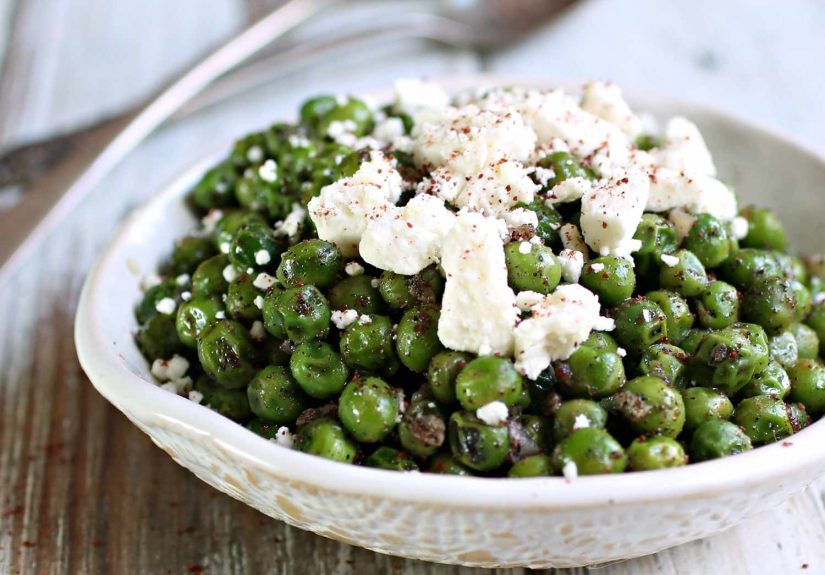
superpower of looking gorgeous with basically no effort. Bright green peas, white feta, a blush of sumac, flecks of herbs
it’s the edible version of opening a window after a long winter.
The biggest “experience lesson” here is simple: treat peas like they’re delicate. Cook fast. Season with intention.
Finish strong. Then take one bite and enjoy the fact that something this quick can taste like you planned your life.
Conclusion
Spring peas with sumac and feta is a small recipe with big payoff: sweet peas, bright tang, salty creaminess, and an
optional shower of herbs that makes everything feel fresher. Use fresh peas when you want a peak-season moment, use frozen
peas when you want dinner to happen, and keep sumac in your spice lineup for the days when you need brightness without fuss.
Either way, this is the kind of dish that makes spring taste like spring.







 Close
Close