
Table of Contents >> Show >> Hide
- What Is the 6-6-6 Walking Workout Challenge?
- How Does 6-6-6 Walking Compare to Official Exercise Guidelines?
- Potential Benefits of the 6-6-6 Walking Workout
- Who Is the 6-6-6 Walking Challenge Good For?
- Who Should Be Cautious About the 6-6-6 Walking Trend?
- How to Start the 6-6-6 Walking Workout Safely
- A Simple 1-Week 6-6-6 Walking Plan
- Common Mistakes to Avoid
- Is the 6-6-6 Walking Challenge Good for Weight Loss?
- So… Should You Try the 6-6-6 Walking Workout Challenge?
- Real-Life Style Experiences With the 6-6-6 Walking Challenge
- Final Takeaway
If you’ve been anywhere near TikTok or wellness Instagram lately, you’ve probably seen people talking about the mysterious-sounding
6-6-6 walking workout challenge. Don’t worry, it’s not spooky, satanic, or anything involving a goat. It’s just walking
but with a catchy formula that’s supposed to boost your heart health, help with weight loss, and get you moving more consistently.
The idea is simple: walk regularly, walk on purpose, and walk long enough that your body actually notices. But is this viral
6-6-6 walking trend really worth your time, or is it just another flashy fitness fad that will disappear
faster than your motivation on Monday morning?
Let’s break down what the 6-6-6 walking workout actually is, what science says about walking this much, who it’s great for, and
who may want to tweak (or skip) it.
What Is the 6-6-6 Walking Workout Challenge?
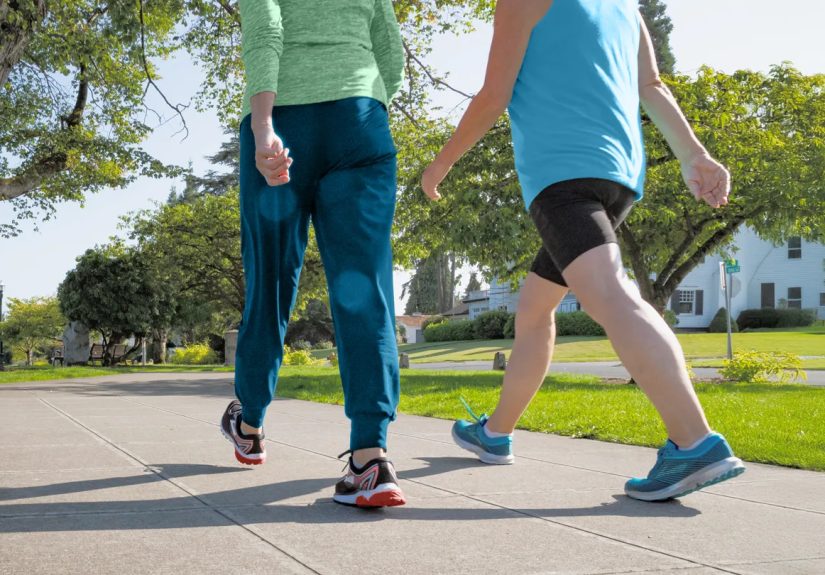
At its core, the 6-6-6 walking routine is a structured way to walk more. The “6-6-6” stands for:
- 6-minute warm-up – gentle walking to ease into movement
- 60-minute brisk walk – the main workout, usually at a moderate pace
- 6 days a week – consistency is the star of the show
Many people also add a short cool-down (another 6 minutes of slower walking and stretching), and some versions emphasize doing it
at 6 a.m. or 6 p.m. for a little extra structure and aesthetic. Morning walkers like the quiet and the
“I already exercised!” mood. Evening walkers use it to unplug from work and doomscrolling.
A few spins on the trend also treat it as:
- Walking around 6,000+ steps per day, 6 days a week
- Or simply committing to a 1-hour walk most days, with a warm-up and cool-down baked in
However you frame it, the 6-6-6 walking workout challenge is about this: move your body on purpose, at a steady pace, almost every day.
How Does 6-6-6 Walking Compare to Official Exercise Guidelines?
Viral trends are fun, but it’s always smart to ask: does this actually line up with what health experts recommend?
In the United States, guidelines from organizations like the Centers for Disease Control and Prevention (CDC)
and the American College of Sports Medicine (ACSM) suggest that most adults should aim for:
- At least 150 minutes per week of moderate-intensity aerobic activity (like brisk walking), or
- 75 minutes per week of vigorous activity, or a combination of the two
- Plus muscle-strengthening activities on at least 2 days per week
Now let’s do the math on the 6-6-6 walking challenge:
- 60 minutes of walking per day
- 6 days per week
That’s a total of 360 minutes of walking weekly. In other words, you’re getting more than double the minimum
recommended aerobic activity for general health. For people aiming at weight management, long-term guidelines often suggest
200–300 minutes per week of moderate activity, so the 6-6-6 routine fits comfortably in that range.
Translation: from a purely numbers perspective, the 6-6-6 walking workout isn’t extremeit’s actually very aligned with
what health experts have been recommending for years. The viral part is just the branding.
Potential Benefits of the 6-6-6 Walking Workout
1. A Powerful Boost for Heart Health
Walking has been shown to improve cardiovascular health by:
- Improving circulation and supporting healthier blood vessels
- Helping lower blood pressure over time
- Supporting healthier cholesterol levels
- Reducing the risk of heart disease and stroke
A consistent, brisk daily walk puts your heart in that zone where it’s working harder than at rest but not suffering through
high-intensity misery. It’s the sweet spot often called moderate intensity or “you can talk but not sing” effort.
2. Support for Weight Loss and Weight Maintenance
On its own, walking won’t magically dissolve a lifetime of pizza, but a 60-minute walk can burn a meaningful
amount of calories, especially if you’re moving briskly. Rough estimates:
- Someone weighing around 150 pounds: about 200–300 calories per hour at a moderate pace
- Someone heavier or walking faster: even more
Over 6 days, that could add up to 1,200–1,800+ calories burned from walking alone. Combine that with even modest
adjustments to your dietsay, skipping sugary drinks or reducing late-night snacksand you have a realistic, sustainable path
toward gradual weight loss or easier weight maintenance.
3. Better Mood, Less Stress, and Clearer Thinking
The mental health benefits of walking are seriously underrated. Regular walks have been linked with:
- Lower stress and anxiety levels
- Improved mood and reduced risk of depression
- Better sleep quality
- More mental clarity and focus (especially after a long day staring at screens)
The 6-6-6 format naturally carves out one hour of “me time” most days of the week. You can use it to listen to
a podcast, talk to a friend, or just enjoy a moment where nobody is asking, “What’s for dinner?”
4. Habit Formation and Routine
One of the biggest advantages of the 6-6-6 walking challenge isn’t the numbers; it’s the structure. Knowing that
you’ll walk for roughly an hour, at roughly the same time, on most days of the week:
- Removes decision fatigue (“Should I work out today?” becomes “It’s 6 p.m., I walk.”)
- Makes it easier to stack other healthy habits (like hydrating, stretching, or going to bed on time)
- Feels like a “mini commitment” you’re keeping to yourself, which can be great for self-confidence
If your life currently looks like “sit, scroll, snack, repeat,” the 6-6-6 walking routine can be a kind of reset button.
Who Is the 6-6-6 Walking Challenge Good For?
The 6-6-6 walking workout trend is especially suitable for:
- Beginners who want something structured but not intimidating
- People returning to movement after a break (post-pandemic, post-busy season, post-everything)
- Desk workers who sit for long periods and need regular low-impact activity
- People who dislike high-intensity workouts but still want to improve their fitness and health
- Anyone craving routine and mental “off time” built into their day
Because it’s low-impact and relatively gentle, walking is also accessible for many older adults and people with larger bodies.
As always, medical conditions and personal limitations matter, so it’s wise to check in with a healthcare provider, especially
if you have heart issues, joint pain, or other chronic concerns.
Who Should Be Cautious About the 6-6-6 Walking Trend?
While walking is generally one of the safest forms of exercise, the “one hour a day, six days a week” format may be a big jump
for some people. You may want to modify or build up gradually if:
- You’ve been mostly sedentary for months or years
- You have significant knee, hip, or back pain when you walk
- You live with heart disease, lung disease, or uncontrolled blood pressure
- You’re recovering from surgery or a recent injury
In these situations, it may be safer to start with:
- 10–20 minutes of walking per day and gradually increasing
- Breaking the hour into two shorter walks, like 30 minutes in the morning and 30 in the evening
- Choosing softer surfaces (like tracks or trails) and supportive footwear
The challenge is flexiblethere’s no actual walking police. If your body says “30 minutes is enough today,” listen.
How to Start the 6-6-6 Walking Workout Safely
1. Set a Realistic Starting Point
If 60 minutes feels like a lot, you can “audition” the challenge first. Try:
- Three 40-minute walks in your first week
- Then bump up to 50–60 minutes as you feel more comfortable
The goal is progress, not punishment. You want to finish thinking, “I could do that again tomorrow,” not “I never want to see shoes again.”
2. Warm Up and Cool Down
The “6-6-6” name actually builds in something people often skip: warm-ups and cool-downs.
For your 6-minute warm-up:
- Start walking slowly
- Gently roll your shoulders, swing your arms, and loosen your hips
- Gradually increase your pace so you’re ready for your main walk
For your cool-down:
- Slow your pace in the last 5–10 minutes
- Stretch your calves, hamstrings, and hips afterwards
3. Choose the Right Pace
For most people, a brisk walk is ideal. A good rule of thumb:
- You should be able to talk in sentences
- You should not be able to belt out a full song with no effort
If you’re totally new to exercise, start slower and gradually work your way up. Your pace can also vary by daysome days feel
like power-walk days, others feel like “I showed up, that’s enough” days. Both count.
4. Gear Up Without Overcomplicating It
You don’t need fancy equipment for the 6-6-6 walking workout, but a few basics make a big difference:
- Comfortable, supportive shoes with cushioning and good arch support
- Moisture-wicking socks to reduce blisters
- Weather-appropriate clothing (layers, sun protection, or a light rain jacket)
- Optional: a smartwatch or app to track time, steps, and distance
Think of yourself as a very chill athlete: you don’t need a full sponsorship deal, just good shoes and maybe a water bottle.
A Simple 1-Week 6-6-6 Walking Plan
Here’s an example week to get you started:
- Day 1 (Monday): 6-minute warm-up, 40-minute brisk walk, 10–14-minute cool-down and stretch
- Day 2 (Tuesday): 6-minute warm-up, 50-minute brisk walk, 4–10-minute cool-down
- Day 3 (Wednesday): Full 6-6-6 structure – 6-minute warm-up, 60-minute brisk walk, 6-minute cool-down
- Day 4 (Thursday): Optional lighter day – 30–40 minutes easy walking
- Day 5 (Friday): 6-minute warm-up, 60-minute walk with some hills or slightly faster intervals
- Day 6 (Saturday): 6-minute warm-up, 60-minute social walk with a friend or podcast
- Day 7 (Sunday): Rest day or gentle 20-minute stroll
Over time, you can standardize it to 60 minutes on six days if your body feels good and your schedule allows.
Common Mistakes to Avoid
-
Going from 0 to 6 days per week overnight. If you’ve barely moved in months, suddenly walking an hour daily
is a shock. Progress slowly. - Ignoring pain. Mild muscle soreness is normal. Sharp, persistent pain in your knees, hips, or back is not.
-
Skipping strength training forever. Walking is fantastic, but your muscles and bones also like resistance training.
Try to add 2 days of simple strength exercises. - All-or-nothing thinking. Missing a day doesn’t “ruin” the challenge. You’re building a lifestyle, not passing an exam.
Is the 6-6-6 Walking Challenge Good for Weight Loss?
The short answer: it can be, especially when combined with thoughtful eating habits.
The 6-6-6 structure gives you:
- High weekly activity (360+ minutes)
- Mostly moderate-intensity effort
- Consistency, which is the secret sauce of weight loss and maintenance
But like every form of cardio, its effectiveness for weight loss depends on your overall lifestyle:
- If you walk an hour, then celebrate with a daily milkshake, progress will be slow.
- If you pair your walks with balanced meals, plenty of protein, and fewer ultra-processed, high-calorie snacks, you’ll likely see better results.
Think of the 6-6-6 walking workout as your “movement foundation.” You can always tweak your nutrition, add some resistance training,
and sleep a little more to amplify the benefits.
So… Should You Try the 6-6-6 Walking Workout Challenge?
If you’re generally healthy, cleared for exercise, and looking for a structured yet approachable routine, the
6-6-6 walking challenge is a solid option. It:
- Aligns well with major health guidelines
- Supports heart health, weight management, and mental well-being
- Doesn’t require a gym, complex moves, or expensive gear
- Is flexible enough to adapt to your schedule and fitness level
You don’t have to follow it perfectly to benefit. You can:
- Start with shorter walks and build up to a full hour
- Break your 60 minutes into two sessions
- Walk fewer than 6 days a week at first
The real “win” isn’t checking a challenge off your list. It’s discovering that regular walking makes you feel betterphysically,
mentally, and even emotionally. And if a catchy 6-6-6 routine helps you get there? That’s a trend worth trying.
Real-Life Style Experiences With the 6-6-6 Walking Challenge
While everyone’s experience is different, it can be helpful to imagine how this routine might play out in real life. Here are a
few “composite stories” based on how people often describe structured walking programs.
Case 1: The Remote Worker Who Needed Boundaries
Alex works from home, which sounds dreamy until you realize it often turns into eating lunch at the desk and logging out at 8 p.m.
They started the 6-6-6 walking routine with a simple rule: laptop closes at 5:45 p.m., shoes on by 5:50, and out the door by 6.
The first week, 60 minutes felt long. Some days Alex did 40 minutes and called it good. But by week two, that evening walk became
non-negotiable. It helped:
- Mark the end of the workday
- Reduce stress and “brain fog”
- Cut down on mindless late-night snacking, because the urge to snack moved to a bottle of water and a shower
After a month, Alex wasn’t obsessing over the scalebut their energy was up, their sleep was better, and their step count app was
extremely proud of them.
Case 2: The Parent Who Needed “Me Time” Without Guilt
Taylor is a parent of two young kids and spends much of the day juggling meals, school runs, and laundry that multiplies on its
own. Gym memberships are basically a donation at this point.
The 6-6-6 walking workout became a 6 p.m. ritual. One parent handled dinner and bedtime prep while the other
took a long walk around the neighborhood. The trade-off gave each adult an hour of fresh air and quiet.
For Taylor, those walks were less about athletic performance and more about sanity. Over time, though, there were extra perks:
- Feeling less “locked inside” the house routine
- Improved mood and patience (kids are intense; walking helps)
- A sense of having an identity outside of just “parent”
Case 3: The Gym-Hater Who Discovered Movement Doesn’t Have to Hurt
Morgan always thought exercise meant burpees, boot camps, and people yelling encouragement while everyone looked vaguely miserable.
Spoiler: that vibe was not it.
When they saw the 6-6-6 walking trend, the first reaction was skepticism. “Just walking? That’s it?” But it felt doable, so they
tried it three days a week at first6 a.m., headphones in, the world still half asleep.
A few weeks in, Morgan noticed:
- Walking uphill didn’t leave them gasping anymore
- Jeans felt a tiny bit looser
- There was less afternoon fatigue and fewer energy crashes
Most importantly, the 6-6-6 walking workout didn’t feel like punishment. It felt like a moving meditation with side effects like
better health. That mindset shift made it easier to stick with than any previous fitness “kick.”
Case 4: The Gradual Upgrader
Jordan already walked occasionallymaybe once or twice a weekbut wanted more structure. Instead of jumping straight into six
days, they did a “3-4-5” approach:
- Week 1: 3 walks of 30–40 minutes
- Week 2: 4 walks of 45–50 minutes
- Week 3–4: 5–6 walks of 60 minutes
This gradual progression allowed their joints, muscles, and schedule to adjust. By the time they hit six days a week, it didn’t
feel extremeit just felt normal. That’s the magic of consistency: what once seemed “too much” becomes your new baseline.
Final Takeaway
The 6-6-6 walking workout challenge looks flashy on social media, but when you peel back the trendiness, you’re left with something
very simple and very powerful: walking regularly, most days of the week, for long enough that it truly benefits your body and mind.
You don’t need to hit every single “6” perfectly. Start where you are, progress at a pace that feels good, and treat the challenge
as an invitation rather than a strict rulebook. Your heart, your brain, your sleep, and your mood will likely all say thank you.






 Close
Close