
Table of Contents >> Show >> Hide
- What Are Reclaimed Black 6 in. Quarry Tiles?
- Why Reclaimed Black Quarry Tile Has Such Lasting Appeal
- Where Reclaimed Black 6 in. Quarry Tiles Work Best
- What to Look for When Buying Reclaimed Quarry Tile
- Design Ideas for Reclaimed Black Quarry Tile
- Installation Notes That Matter
- Maintenance and Everyday Care
- Pros and Cons at a Glance
- Is Reclaimed Black Quarry Tile Worth It?
- Real-World Experiences with Reclaimed Black 6 in. Quarry Tiles
- Conclusion
- SEO Tags
There are trendy floors, and then there are floors that look like they have stories. Reclaimed black 6 in. quarry tiles fall firmly into the second camp. They do not scream for attention. They do not sparkle like a disco ball. They do not pretend to be marble while quietly being something else. Instead, they show up with grit, texture, character, and the kind of confidence that says, “I have survived muddy boots, spilled coffee, and at least one questionable paint color era.”
If you love timeless materials, reclaimed black quarry tile is the kind of finish that rewards you for having good taste and a little patience. It feels historic without being fussy, practical without being boring, and dramatic without trying too hard. In a world full of floors that want to be the star of the room, this one is happy being the cool supporting actor who somehow steals every scene.
This guide takes a close look at what reclaimed black 6-inch quarry tiles are, why they remain so desirable, where they work best, what to inspect before buying them, and how to use them well in modern or period-inspired spaces. If you are considering a black quarry tile floor for an entry, mudroom, kitchen, porch, fireplace area, or restoration project, this is where the rubber meets the reclaimed road.
What Are Reclaimed Black 6 in. Quarry Tiles?
Quarry tile is a hard-wearing, usually unglazed ceramic tile traditionally made from natural clay and shale, then fired at high temperatures. The result is a dense tile with a matte, slightly textured surface and a reputation for holding up in spaces that are harder on floors than most people are on their New Year’s resolutions.
The “6 in.” part matters because 6-by-6 quarry tile is one of the most classic and practical sizes in the category. It is small enough to feel traditional, sturdy enough to look grounded, and easy to lay in straightforward grids, checkerboards, borders, or more custom patterns. Black quarry tile adds a sharper visual edge than the more familiar red or brown versions. It can read industrial, historic, farmhouse, minimalist, or even slightly moody in the best possible way.
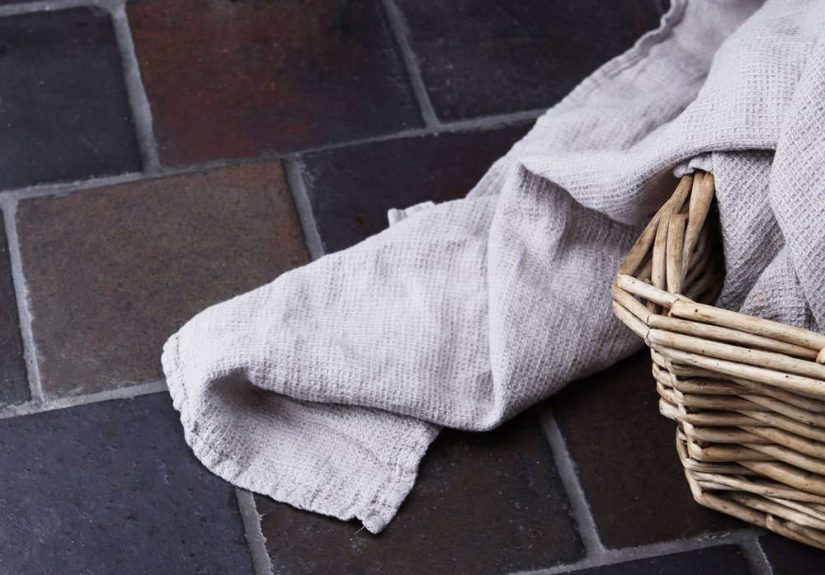
When the tile is reclaimed, it has been salvaged from a previous installation or sourced from old stock rather than manufactured yesterday and shipped straight from a distribution center. That reclaimed status is what gives the material its charm. You may see softened edges, subtle surface wear, tonal variation, traces of age, and the kind of patina designers spend a lot of money trying to fake. The difference is that this version earned it honestly.
Why Reclaimed Black Quarry Tile Has Such Lasting Appeal
1. It looks authentic because it is authentic
Reclaimed black quarry tiles do not need artificial distressing, faux-aging, or a marketing department insisting the tile has “heritage vibes.” The color depth, minor imperfections, and worn-in surface come from actual use. That makes the floor feel believable, especially in older homes, renovated cottages, converted lofts, and utility spaces where a polished look would feel suspiciously overdressed.
2. Black brings drama without chaos
Black quarry tile gives you contrast and definition, but it usually does so in a quieter way than glossy black porcelain or high-polish stone. Because quarry tile tends to be matte and textured, the color feels grounded rather than flashy. It can anchor pale walls, brighten natural wood cabinetry, and make brass, iron, oak, walnut, or painted millwork look more intentional.
3. The 6-inch size is beautifully flexible
Large-format tile can look sleek, but small-format quarry tile has a rhythm that suits older architecture and hardworking rooms. A 6-inch tile creates more grout lines, which can improve traction and reinforce that classic utilitarian style. It also makes repairs easier, since replacing a single damaged tile in a field of smaller pieces is generally less disruptive than patching a huge slab-like floor.
4. Reclaimed material supports thoughtful reuse
There is also a sustainability angle that actually makes sense here. Reusing old tile keeps durable material in service longer and can reduce the need for manufacturing and transport associated with buying new products. In other words, reclaimed black quarry tiles look old-school, but the reuse mindset is very current.
Where Reclaimed Black 6 in. Quarry Tiles Work Best
This material shines in places where durability, traction, and visual character all matter at the same time.
Entryways and mudrooms
A reclaimed black quarry tile floor in an entryway immediately says, “Yes, people actually live here.” It handles dirt, moisture, and heavy foot traffic well while hiding the everyday mess of real life more gracefully than a precious pale floor ever could. Pair it with white walls and a wood bench, and you have instant classic charm.
Kitchens
Quarry tile has a long history in hardworking kitchens for good reason. It is practical, sturdy, and visually forgiving. Reclaimed black tile looks especially strong in kitchens with shaker cabinets, butcher block counters, soapstone, stainless steel, or vintage-inspired details. It can tilt rustic or urban depending on what you pair it with.
Back halls, laundry rooms, and utility areas
Some floors are best where they can quietly do their job. Black quarry tile is perfect for service spaces, especially if you want those rooms to feel finished without becoming too decorative. It gives even a laundry room a sense of permanence, which is refreshing in a world where many utility spaces are designed like they might disappear by Tuesday.
Covered porches and transitional spaces
Because quarry tile is associated with indoor-outdoor durability, it is a natural fit for enclosed porches, vestibules, and covered transition zones. The texture and darker tone also help disguise dirt tracked in from outside.
Fireplace surrounds and hearth-adjacent floors
If your design goal is “quietly historic but still cool,” reclaimed black quarry tile around a fireplace can absolutely deliver. It works beautifully with brick, plaster, painted millwork, and vintage cast iron details.
What to Look for When Buying Reclaimed Quarry Tile
Not all reclaimed tile is equal. Some pieces are gorgeous. Some pieces are charmingly imperfect. And some pieces are one bad decision away from becoming very expensive coasters. Here is what matters.
Consistency of size
Even when old tile was originally manufactured to a standard size, age and salvage conditions can introduce variation. Measure several pieces. Tiny differences may be acceptable and even desirable, but significant size inconsistency can complicate layout and grout spacing.
Thickness and backing condition
Check whether the backs are relatively clean or still loaded with old mortar. Reclaimed tile often needs preparation before reuse. A tile that looks affordable upfront may become much less adorable after hours of scraping and sorting.
Cracks, chips, and structural soundness
Minor edge wear is part of the charm. Structural cracks are another story. Hairline crazing, chipped corners, and surface abrasion may be acceptable depending on your project, but tiles that are badly fractured or unstable are better left out of the main field.
Color variation
Black quarry tile rarely reads as one flat, uniform black. It may lean charcoal, near-ebony, smoky gray, or even slightly brown depending on the clay body and firing history. Request photos in natural light or, better yet, inspect in person. A little variation is gorgeous. A surprise zebra effect is less romantic.
Quantity and overage
Always buy extra if you can. Reclaimed batches are finite, and once they are gone, they are usually gone in the dramatic, never-text-back kind of way. Secure enough tile for cuts, breakage, future repairs, and the inevitable “we decided to extend the tile into the pantry” moment.
Design Ideas for Reclaimed Black Quarry Tile
Classic black-and-red checkerboard
This is the old-school look that never really left. A black and red quarry tile checkerboard feels historic, playful, and grounded all at once. It works especially well in vestibules, garden rooms, and mudrooms.
Monochrome black with tonal grout
If you want a more modern look, lay black quarry tiles in a straightforward grid and use a medium or dark grout. The effect is clean, tailored, and architectural rather than busy.
Black tile with warm wood and creamy walls
This combination is almost unfairly attractive. Reclaimed black quarry tile against white oak, walnut, or antique pine creates instant tension in the best way. The room feels balanced: warm above, grounded below.
Bordered layouts
In older homes, a simple border can help the floor feel intentional and period-friendly. Consider black field tile with a contrasting edge, or use the black tile itself as the border around a red or brown center field.
Installation Notes That Matter
Reclaimed tile installation is not the same as popping open a new carton and hoping for the best. Preparation is everything.
Sort before you set
Lay out the reclaimed tiles dry before installation. Group pieces by tone, condition, and size. This helps distribute variation naturally and keeps the finished floor from having one accidental “all the weird tiles ended up in the corner” zone.
Use the right installer
If the tile is truly reclaimed and especially if the project is in a historic home, this is not the moment to choose a contractor based solely on the lowest estimate and a vague promise that they are “pretty handy.” Choose someone comfortable with ceramic tile standards, substrate prep, and the realities of salvaged material.
Expect some layout adjustments
Older or reclaimed tile may call for slightly wider grout joints or subtle field corrections during installation. That is not a flaw. It is part of working with real material rather than factory-perfect replicas.
Think about grout color early
Grout can completely change the personality of black quarry tile. Dark grout gives the floor a seamless, quieter look. Medium gray highlights the grid without making it look too sharp. Light grout creates more graphic contrast, which can be stunning but also a little less forgiving.
Maintenance and Everyday Care
One reason quarry tile has stayed relevant for so long is that it is refreshingly practical. Still, reclaimed tile deserves thoughtful care.
Routine cleaning is simple: sweep or vacuum grit, then mop with a neutral cleaner or mild soap-and-water solution appropriate for tile and grout. Avoid aggressive acid-based products or harsh cleaners that can damage grout, leave residue, or create problems over time. In wet or greasy areas, consistent cleaning matters more than miracle products with labels that sound like they were named during a laboratory thunderstorm.
Some quarry tiles may benefit from sealing depending on porosity, location, and exposure to stains. Reclaimed material varies, so test first rather than assuming all pieces will behave the same way. In a kitchen or mudroom, stain resistance can be worth the extra step. In a historic setting, the goal is usually to protect the tile without making it look shiny and overworked.
Pros and Cons at a Glance
Pros
Reclaimed black 6 in. quarry tiles offer timeless character, strong durability, good traction, design flexibility, and a more sustainable reuse story than many new flooring materials. They fit both historic and contemporary interiors surprisingly well.
Cons
They can be difficult to source in consistent quantities, may require significant prep, often show variation in size and finish, and usually demand a more careful installation process. If you want absolute uniformity, reclaimed tile may test your patience. If you value personality, that same variation becomes the whole point.
Is Reclaimed Black Quarry Tile Worth It?
For the right project, absolutely. This is not the cheapest or easiest path, and it is not supposed to be. Reclaimed black quarry tile is for people who want a floor with backbone. It suits homes and spaces where authenticity matters more than perfection, where texture beats gloss, and where design choices are meant to age gracefully instead of chasing a two-season trend cycle.
If you want a floor that looks better after life happens to it, reclaimed black 6-inch quarry tile is hard to beat. It brings substance, history, and a calm sense of confidence that many newer materials struggle to fake. In practical terms, it is durable. In design terms, it is timeless. In emotional terms, it is the flooring equivalent of a vintage leather jacket: a little rugged, endlessly useful, and somehow cooler every year.
Real-World Experiences with Reclaimed Black 6 in. Quarry Tiles
People who choose reclaimed black quarry tiles usually do not do it by accident. They are often the ones who have looked at a dozen sleek flooring samples, shrugged, and said, “Nice, but where is the soul?” Then they find a stack of old 6-inch black tiles with scuffed edges, color variation, and the faint suggestion that they have seen more history than the average kitchen island ever will. That is the moment the project changes from “pick a floor” to “build a room around this.”
One of the most common reactions after installation is surprise at how grounded the room feels. Homeowners expect black tile to read dark or severe, but reclaimed quarry tile often does the opposite. Because the surface is matte and the color varies from tile to tile, the floor feels softer and more lived-in than a uniform jet-black finish. It anchors a room without making it gloomy. In an entryway, it can make white trim look crisper. In a kitchen, it can make wood cabinets look warmer. In a mudroom, it can make the entire space feel like it has always belonged to the house.
Another real-world experience is learning to appreciate imperfection. A reclaimed floor rarely looks machine-perfect, and that is part of the charm. Some tiles sit a little differently. Some carry faint scratches or wear marks. Some lean more charcoal than black. At first, people sometimes fixate on those differences. Then, after a few weeks, they stop seeing “imperfections” and start seeing a floor with texture, depth, and personality. It is the same shift that happens when someone buys an antique table and realizes the old marks are not damage. They are evidence of life.
There is also a practical satisfaction that comes with using reclaimed material. People like knowing the tile did not come off an endless assembly line only to be replaced in ten years by something trendier and slightly worse. Reusing old quarry tile feels thoughtful. It gives the floor a sense of continuity, especially in older houses where new materials can sometimes look too crisp or too generic.
Of course, the experience is not all romance and dramatic before-and-after photos. Reclaimed tile can require patience. There may be sorting, cleaning, testing, and a little problem-solving. Sometimes you buy extra because the batch includes a few pieces that are too worn for the main field. Sometimes you spend a Saturday morning dry-laying tile on the floor and muttering like a set designer with trust issues. But once the tile is down, most people feel the effort was worth it because the result does not look copied from a catalog. It looks collected, considered, and genuinely personal.
That may be the best thing about reclaimed black 6-inch quarry tiles. They give a space a sense of permanence. They feel steady. Honest. Unfussy. They do not beg for compliments, but they tend to get them anyway. Guests notice the floor, ask where it came from, and assume the house must have always had it. That is usually the sign of a smart design decision: when the finished result feels so right that nobody can imagine the room without it.
Conclusion
Reclaimed black 6 in. quarry tiles offer a rare combination of durability, design character, and historical credibility. They are tough enough for hard-working rooms, stylish enough for design-forward homes, and versatile enough to bridge old-house charm with modern restraint. Whether you use them in a kitchen, mudroom, entryway, porch, or restoration project, they deliver something many newer flooring choices cannot: a sense of permanence that still feels cool.
If your goal is a floor that ages well, hides real life gracefully, and brings texture instead of trendiness, reclaimed black quarry tile deserves a serious look. It is one of those materials that does not need to shout to make a statement. It just keeps showing up, year after year, looking better than half the stuff that replaced it.






 Close
Close