
Table of Contents >> Show >> Hide
- A Fast, Flavor-Packed Dinner That Tastes Like a Vacation
- Why This Grilled Peanut Shrimp Recipe Works
- Ingredients for Grilled Peanut Shrimp With Sesame Snow Peas
- How to Choose the Best Shrimp
- Step-by-Step Instructions
- Flavor Tips for Better Peanut Shrimp
- Serving Ideas
- Make-Ahead and Storage Tips
- Nutrition Notes
- Common Mistakes to Avoid
- Recipe Variations
- Personal Cooking Experience: What Makes This Dish So Enjoyable
- Conclusion
Note: This original article is written for web publishing and synthesizes reliable cooking, seafood-safety, nutrition, and recipe-technique guidance from reputable U.S. food and health sources.
A Fast, Flavor-Packed Dinner That Tastes Like a Vacation
Some dinners politely enter the room. Others kick open the patio door, wave a pair of tongs, and say, “We’re grilling tonight.” Grilled Peanut Shrimp With Sesame Snow Peas belongs firmly in the second group. It is smoky, nutty, bright, crisp, and fast enough to make on a weeknight when your motivation is running on fumes and your stomach is already drafting complaint letters.
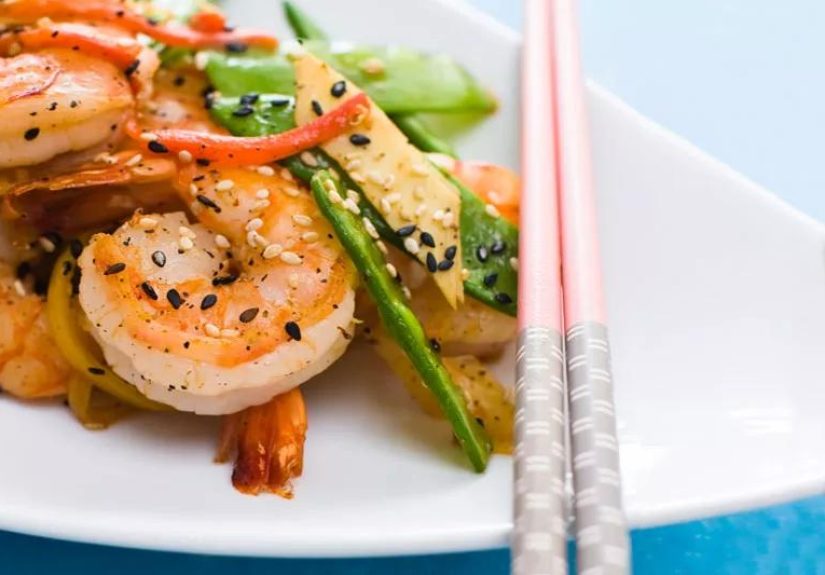
This dish brings together juicy grilled shrimp, a creamy peanut-lime marinade, and sesame-scented snow peas that stay crisp-tender instead of turning into sad green shoelaces. The result is a balanced seafood dinner with big flavor, smart texture, and just enough “restaurant energy” to make you feel like you have your life togethereven if the laundry pile is quietly judging you from the hallway.
The beauty of this grilled peanut shrimp recipe is that it uses everyday ingredients in a way that feels exciting. Peanut butter becomes a silky sauce. Lime juice wakes everything up. Garlic and ginger do what garlic and ginger always do: show up and make the room better. Snow peas add crunch, color, and a clean garden-fresh snap that keeps the peanut sauce from feeling heavy.
Why This Grilled Peanut Shrimp Recipe Works
Shrimp is one of the best proteins for quick grilling because it cooks in minutes, absorbs bold flavors quickly, and looks impressive with very little effort. Unlike thick cuts of meat, shrimp does not need hours of marinating. In fact, a short marinade is better, especially when lime juice or vinegar is involved. Too much acid for too long can make shrimp’s delicate texture mushy, and nobody wants seafood with the personality of wet tissue.
The peanut marinade in this recipe is designed to cling to the shrimp without burning aggressively on the grill. Creamy peanut butter gives body, low-sodium soy sauce adds savory depth, lime juice balances richness, honey rounds out the edges, and sesame oil gives the dish its signature toasted aroma. A little warm water loosens the sauce so it coats evenly instead of sitting in one dramatic peanut blob at the bottom of the bowl.
Snow peas are the perfect sidekick because they cook quickly and bring freshness to the plate. They are eaten whole in the pod, and their flat shape makes them ideal for fast blanching or sautéing. The goal is not to cook them into submission. The goal is to keep them bright green, crisp, and slightly sweet, with sesame seeds and garlic adding just enough savory sparkle.
Ingredients for Grilled Peanut Shrimp With Sesame Snow Peas
For the Peanut Shrimp
- 1 pound large or jumbo shrimp, peeled and deveined
- 1/3 cup creamy peanut butter
- 2 tablespoons low-sodium soy sauce or tamari
- 1 tablespoon fresh lime juice
- 1 tablespoon rice vinegar
- 1 tablespoon honey or maple syrup
- 1 tablespoon warm water, plus more as needed
- 2 teaspoons toasted sesame oil
- 2 cloves garlic, finely grated or minced
- 1 teaspoon fresh grated ginger
- 1/2 teaspoon chili-garlic sauce or sriracha, optional
- 1 tablespoon neutral oil for the grill grates
- Chopped peanuts, cilantro, and lime wedges for serving
For the Sesame Snow Peas
- 12 ounces fresh snow peas, trimmed and strings removed if needed
- 1 teaspoon olive oil or avocado oil
- 1 teaspoon toasted sesame oil
- 1 clove garlic, thinly sliced or minced
- 1 tablespoon sesame seeds
- 1 teaspoon low-sodium soy sauce
- 1 teaspoon fresh lemon or lime juice
- Pinch of black pepper
How to Choose the Best Shrimp
For grilling, large or jumbo shrimp are your best friends. Smaller shrimp can work, but they are more likely to overcook or slip through the grill grates like tiny escape artists. Look for shrimp that smell fresh and mild, never sour, fishy, or ammonia-like. If buying frozen shrimp, choose packages that are tightly sealed and avoid bags with heavy frost or ice crystals, which may suggest thawing and refreezing.
Fresh shrimp should look clear or pearl-like and have little to no odor. Frozen shrimp is often an excellent choice because many shrimp are frozen shortly after being harvested. In many grocery stores, the “fresh” shrimp at the seafood counter may have been previously frozen and thawed. That is not automatically bad; it simply means you should cook it soon and avoid refreezing it unless it has been cooked first.
For this peanut shrimp recipe, peeled and deveined shrimp save time. Tail-on shrimp look pretty and are easy to pick up, while tail-off shrimp are more convenient for bowls, rice plates, or meal prep. Either works. The grill does not care about your tail preferences.
Step-by-Step Instructions
Step 1: Make the Peanut Marinade
In a medium bowl, whisk together the peanut butter, soy sauce, lime juice, rice vinegar, honey, warm water, sesame oil, garlic, ginger, and chili sauce if using. The sauce should be creamy but pourable. If it is too thick, add warm water one teaspoon at a time until it loosens. Taste it. It should be savory, nutty, tangy, and slightly sweet. If it tastes flat, add a squeeze of lime. If it tastes too sharp, add a tiny drizzle of honey.
Step 2: Marinate the Shrimp Briefly
Pat the shrimp dry with paper towels. This helps the marinade stick and improves browning on the grill. Add the shrimp to the bowl with about two-thirds of the peanut marinade. Reserve the remaining marinade for serving, making sure it does not touch raw shrimp. Toss the shrimp gently and refrigerate for 15 to 25 minutes.
Do not marinate the shrimp for hours. Shrimp is delicate, and the lime juice can change its texture if left too long. Think of this marinade as a quick flavor jacket, not an overnight spa treatment.
Step 3: Skewer the Shrimp
Thread the shrimp onto metal skewers or soaked wooden skewers. If using wooden skewers, soak them in water for at least 20 to 30 minutes first so they do not burn too quickly. For easier turning, use two skewers per row of shrimp. Thread one skewer through the thicker end and another near the tail end. This keeps the shrimp from spinning when you flip them, which is helpful unless you enjoy fighting dinner with tongs.
Step 4: Grill the Shrimp
Preheat the grill to medium-high heat. Clean the grates and lightly oil them. Place the shrimp skewers over direct heat and grill for about 2 minutes per side, depending on size. The shrimp are done when they turn pink, curl slightly, and become opaque. Properly cooked shrimp should be pearly or white and no longer translucent.
Avoid overcooking. Shrimp can go from juicy to rubbery faster than a group chat can go off-topic. Pull them from the grill as soon as they are opaque and firm but still tender.
Step 5: Cook the Sesame Snow Peas
While the shrimp rests, bring a pot of water to a boil. Add the snow peas and blanch for 60 to 90 seconds, just until they turn bright green. Drain and rinse briefly under cold water to stop the cooking. This keeps them crisp and vibrant.
In a large skillet, heat olive oil and sesame oil over medium heat. Add the garlic and sesame seeds and cook for about 30 seconds, stirring constantly. Add the drained snow peas and toss for 1 to 2 minutes until warmed through. Finish with soy sauce, lemon or lime juice, and black pepper.
Step 6: Serve
Arrange the sesame snow peas on a platter or divide them among plates. Place the grilled peanut shrimp on top or alongside. Drizzle with the reserved peanut sauce, then garnish with chopped peanuts, cilantro, and lime wedges. Serve immediately while the shrimp are smoky and the snow peas still have their crunch.
Flavor Tips for Better Peanut Shrimp
Balance the Sauce
A great peanut sauce has balance. Peanut butter brings richness, but it needs acid, salt, and sweetness to come alive. Lime juice gives brightness. Soy sauce gives umami. Honey softens the sharp corners. Ginger brings warmth. Garlic adds backbone. Sesame oil is powerful, so use it like perfume: enough to notice, not enough to announce itself from three rooms away.
Use Medium-High Heat
Shrimp loves a hot grill, but sugary marinades can burn if the heat is too aggressive. Medium-high heat gives you light char without scorching the peanut sauce. If your grill runs hot, move the shrimp slightly away from the strongest flame or use a grill basket.
Keep Shrimp and Vegetables Separate
It may be tempting to skewer shrimp and snow peas together, but shrimp and vegetables often cook at different speeds. Cooking them separately gives you more control. The shrimp stays juicy, and the snow peas stay crisp. Harmony is wonderful, but timing matters.
Serving Ideas
This grilled peanut shrimp with sesame snow peas is satisfying on its own, but it also plays nicely with other simple sides. Serve it over jasmine rice, brown rice, coconut rice, or rice noodles. For a lighter dinner, spoon it over shredded cabbage, cucumber ribbons, and carrots for a crunchy shrimp salad bowl.
If you want a more filling plate, add grilled pineapple, sliced avocado, or roasted sweet potatoes. The sweetness of pineapple is especially good with peanut sauce and lime. For a party appetizer, serve the shrimp skewers on a platter with extra peanut dipping sauce and a pile of sesame snow peas on the side. It looks fancy, but secretly it is very manageable. We love that kind of culinary deception.
Make-Ahead and Storage Tips
You can prepare the peanut sauce up to three days ahead and store it in an airtight container in the refrigerator. It will thicken as it chills, so whisk in a splash of warm water before using. Trim the snow peas a day ahead and store them wrapped in a slightly damp paper towel inside a sealed container.
For best texture, grill the shrimp right before serving. Cooked shrimp can be refrigerated for up to three days, but reheating should be gentle. Warm leftovers briefly in a skillet over low heat or enjoy them cold in a salad or wrap. Do not blast them in the microwave unless you enjoy turning beautiful shrimp into seafood-flavored rubber bands.
Nutrition Notes
Shrimp is a lean protein that cooks quickly and fits beautifully into balanced meals. It pairs well with vegetables, whole grains, and healthy fats. Peanut butter adds plant-based fat and satisfying richness, while snow peas contribute fiber, vitamin C, and a crisp texture that makes the plate feel fresh. Because soy sauce and peanut butter can both contain sodium, using low-sodium soy sauce helps keep the dish balanced without sacrificing flavor.
People with shellfish or peanut allergies should avoid this recipe or use safe substitutions. For a peanut-free version, try sunflower seed butter or tahini, though the flavor will change. For a gluten-free version, use tamari instead of soy sauce and confirm that all condiments are labeled gluten-free.
Common Mistakes to Avoid
Over-Marinating the Shrimp
A short marinade is enough. Shrimp absorbs flavor quickly, and acidic ingredients can affect texture. Keep the marinating window under 30 minutes for the best bite.
Skipping the Pat-Dry Step
Wet shrimp steam instead of grill. Patting them dry helps the marinade cling and supports better browning.
Cooking Snow Peas Too Long
Snow peas should be crisp-tender, not floppy. Blanch briefly, rinse, and toss quickly in sesame oil. When they turn bright green, you are already close to done.
Using Too Much Sesame Oil
Toasted sesame oil is bold. A little brings deep aroma; too much can overpower the shrimp and peanut sauce. Measure it, even if your heart says “just pour.” Your heart is enthusiastic but not always accurate.
Recipe Variations
Spicy Grilled Peanut Shrimp
Add extra sriracha, chili-garlic sauce, or crushed red pepper to the marinade. Finish with sliced Fresno chile for color and heat.
Coconut Peanut Shrimp
Replace the warm water in the sauce with light coconut milk. This creates a creamier, slightly sweeter sauce with tropical flavor.
Peanut Shrimp Rice Bowls
Serve the shrimp and snow peas over rice with cucumber, shredded carrots, scallions, and extra lime. Add chopped peanuts for crunch.
Grill Pan Version
No outdoor grill? Use a grill pan or cast-iron skillet. Heat it well, oil lightly, and cook the shrimp in a single layer. You may not get the same smoky flavor, but you will still get a delicious dinner without negotiating with charcoal.
Personal Cooking Experience: What Makes This Dish So Enjoyable
The first time you make Grilled Peanut Shrimp With Sesame Snow Peas, the biggest surprise is how quickly everything happens. This is not one of those recipes that asks you to simmer, reduce, rest, fold, chill, chant, and then wait until the next moon cycle. It moves fast. Once the sauce is whisked and the shrimp are marinating, dinner is already halfway there.
The peanut sauce is the emotional center of the dish. It starts thick and humble in the bowl, then suddenly turns glossy when warm water, lime juice, and soy sauce come together. The aroma of garlic and ginger makes the kitchen feel instantly more alive. It is the kind of sauce that makes people walk by, dip a spoon in, pretend they are “checking seasoning,” and then check it three more times for scientific accuracy.
Grilling the shrimp is deeply satisfying because shrimp gives obvious visual cues. Raw shrimp looks gray and relaxed; cooked shrimp turns pink, opaque, and pleasantly curled. That quick transformation makes the cook feel confident. The only trick is staying attentive. Shrimp does not want you to wander off and reorganize the spice drawer. It wants eye contact, a quick flip, and a graceful exit from the heat.
The snow peas add a different kind of pleasure. After blanching, they become intensely green, almost cartoonishly bright, like vegetables in a commercial where everyone has perfect countertops. Tossing them with sesame oil, garlic, and sesame seeds gives them a nutty aroma while preserving their snap. They bring freshness to every bite and prevent the peanut sauce from becoming too rich.
One of the best ways to serve this recipe is family-style. Put the snow peas on a wide platter, stack the shrimp skewers on top, and drizzle the reserved peanut sauce in loose ribbons. Add lime wedges and chopped peanuts. The platter looks generous and colorful, and it invites people to reach in. Food always feels more fun when it arrives looking like it knows it is the main event.
This recipe is also forgiving in real-life kitchens. If the grill is not available, a grill pan works. If snow peas are out of stock, sugar snap peas can step in. If you want more heat, add chili crisp. If you want more freshness, add mint or cilantro. If you want to stretch the meal, serve it with rice noodles or jasmine rice. The structure is strong enough to handle variations, which is exactly what home cooks need on busy nights.
The leftovers, if you have any, are excellent in cold noodle bowls. Slice the shrimp, toss with chilled rice noodles, cucumber, carrots, herbs, and a little extra peanut sauce. The snow peas keep enough crunch to make the bowl feel fresh the next day. It is the rare leftover lunch that does not feel like a punishment for being responsible.
Most importantly, this dish feels cheerful. It has smoke from the grill, creaminess from the peanut sauce, brightness from lime, crunch from snow peas, and a little sesame warmth in the background. It is quick but not boring, healthy-ish but not joyless, and impressive without demanding a culinary degree. That is the sweet spot for a repeat recipethe one you make once, then quietly add to your personal dinner rotation like you discovered buried treasure.
Conclusion
Recipe: Grilled Peanut Shrimp With Sesame Snow Peas is the kind of dinner that proves fast food can still mean real food. With juicy grilled shrimp, a creamy peanut-lime sauce, and crisp sesame snow peas, it delivers bold flavor without complicated prep. The shrimp cook in minutes, the snow peas stay bright and crunchy, and the whole dish feels fresh, colorful, and deeply satisfying.
Whether you serve it over rice, tuck it into lettuce cups, or present it as a backyard grilling platter, this recipe brings together convenience and flavor in the best possible way. It is smoky, nutty, tangy, and just a little playfulthe dinner equivalent of putting on sunglasses before walking into your own kitchen.







 Close
Close