
Table of Contents >> Show >> Hide
- What Is a Bruise and Why Does It Change Color?
- Quick First Aid: What to Do in the First 24 to 48 Hours
- After 48 Hours: Switch from Cold to Warmth
- Easy Home Remedies That May Help Bruises Fade
- What Not to Do When Treating a Bruise
- Quick Bruise Care Routine: Tips Video Script
- How Long Does It Take for a Bruise to Go Away?
- When to See a Doctor About a Bruise
- How to Prevent Bruises Before They Happen
- Experience Notes: What Actually Helps When You Want a Bruise Gone Fast
- Conclusion
Bruises are the body’s tiny, dramatic way of saying, “Remember when you bumped into the coffee table at full speed and pretended it didn’t hurt?” A bruise forms when small blood vessels under the skin break after impact, letting blood leak into nearby tissue. The result is that familiar red, purple, blue, green, or yellow mark that looks like modern art but feels less fancy.
The good news: most minor bruises heal on their own. The even better news: simple home remedies can help reduce swelling, ease tenderness, and support the natural healing process. The not-so-magical news: no remedy can erase a bruise in five minutes. If anyone promises that, they are probably selling a jar of optimism with a label.
This guide explains quick ways to get rid of bruises safely, including cold compresses, elevation, gentle compression, warm therapy, smart pain relief, food choices, prevention tips, and a practical video-style routine you can follow at home.
What Is a Bruise and Why Does It Change Color?
A bruise, also called a contusion, happens when small blood vessels beneath the skin are damaged without the skin necessarily breaking. At first, the area may look red or purplish because fresh blood is trapped under the skin. Over time, your body breaks down and reabsorbs that blood, which is why bruises often shift from purple or blue to green, yellow, or brown before fading away.
Most bruises last about two weeks, although small ones can disappear sooner and deeper ones may take longer. The healing timeline depends on the force of the bump, your age, the location of the bruise, your medications, and how quickly you start basic first aid.
Quick First Aid: What to Do in the First 24 to 48 Hours
The first day or two after an injury matters most. This is when swelling and bleeding under the skin are still active. Your goal is not to “scrub the bruise away” or attack it like a stain on a white shirt. Your goal is to calm the area, slow swelling, and let the body begin repairs.
1. Use a Cold Compress Right Away
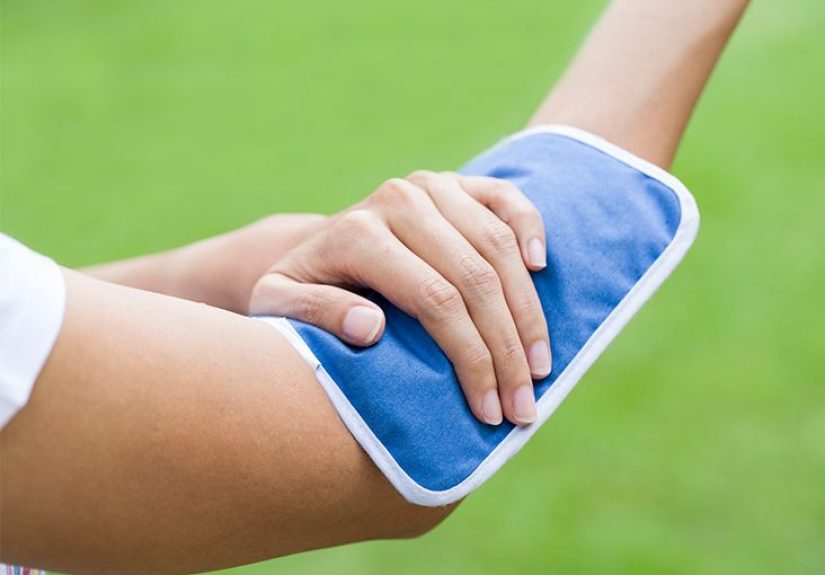
Cold therapy is one of the simplest and most useful home remedies for bruises. It helps narrow blood vessels, which may reduce swelling and limit the size of the bruise. Wrap an ice pack, a bag of frozen peas, or a cold gel pack in a thin towel. Apply it to the bruised area for about 15 to 20 minutes at a time.
Never place ice directly on your skin. Your bruise already has enough drama; it does not need frostbite as a co-star. Repeat the cold compress several times during the first 24 to 48 hours, especially if the area is swollen or sore.
2. Elevate the Bruised Area
If possible, raise the bruised area above heart level. For example, if you bruised your shin, lie down and prop your leg on pillows. Elevation can help reduce fluid buildup and swelling. It is especially helpful for bruises on the legs, ankles, feet, hands, and arms.
Think of elevation as giving gravity a job. Instead of letting extra fluid gather around the injury, you encourage it to move away from the bruised tissue.
3. Rest the Area
Rest does not mean you must become a couch sculpture for three days. It simply means avoiding activities that make the bruise hurt more. If you bruised your thigh during soccer, give sprinting a short vacation. If your arm is bruised, do not test it with pushups just to prove you are “fine.” Your body is already working; do not assign it overtime.
4. Try Gentle Compression
If the bruise is swollen, a soft elastic bandage may help. Wrap the area gently, not tightly. Compression should feel supportive, not like your limb has joined a boa constrictor’s fitness program. If you notice numbness, tingling, increased pain, or color changes beyond the bruise itself, loosen the wrap immediately.
After 48 Hours: Switch from Cold to Warmth
After the first two days, warmth can be helpful. A warm compress or heating pad may increase circulation in the area, supporting the body as it clears away trapped blood. Apply gentle warmth for 10 to 20 minutes at a time, several times a day if it feels good.
Use warmth, not heat worthy of a pizza oven. The skin over a bruise may be sensitive, and too much heat can irritate it. A warm washcloth, microwavable heat pack, or low-setting heating pad is usually enough.
Easy Home Remedies That May Help Bruises Fade
Cold First, Heat Later
The best home remedy schedule is simple: cold during the first 24 to 48 hours, then warmth after swelling has calmed down. Cold helps limit early swelling. Warmth later helps circulation. Mixing them up is not a disaster, but using heat too early may increase swelling in a fresh bruise.
Eat Foods Rich in Vitamin C
Vitamin C helps the body make collagen, a protein that supports skin and blood vessel structure. You do not need to chew oranges with heroic intensity, but adding vitamin C-rich foods can support normal healing. Good options include oranges, strawberries, kiwi, bell peppers, broccoli, and tomatoes.
Include Vitamin K Foods
Vitamin K plays a role in normal blood clotting. Leafy greens such as spinach, kale, collard greens, and romaine lettuce are common sources. If you take blood-thinning medication, talk with a healthcare professional before making big changes to vitamin K intake, because consistency matters with certain medicines.
Stay Hydrated
Water will not magically erase a bruise, but hydration supports overall tissue health. Dehydration can make your body feel sluggish, and healing is not the time to run on “iced coffee and hope.” Drink enough fluids throughout the day, especially if you are active or live in a hot climate.
Use Pain Relief Wisely
For soreness, acetaminophen may be an option for many people when used according to the label. Some pain relievers, including aspirin and certain anti-inflammatory medicines, can increase bleeding risk for some people or interact with medications. If you are on blood thinners, have liver disease, have a bleeding disorder, or are unsure what is safe, ask a healthcare professional.
What Not to Do When Treating a Bruise
Do Not Massage a Fresh Bruise
Rubbing a new bruise hard can make irritation worse. The tissue is already injured, and aggressive massage may increase swelling or tenderness. After a couple of days, gentle movement around the area can be fine if it does not hurt, but skip deep pressure directly on the bruise.
Do Not Apply Ice Directly
Ice should always be wrapped in a towel or cloth. Direct ice contact can injure the skin, especially if you leave it on too long. A bruise plus ice burn is not a healing upgrade.
Do Not Ignore Severe Pain
A bruise should gradually feel better. If pain increases, swelling becomes severe, the area feels unusually firm, or you cannot move the nearby joint normally, the injury may be more than a simple bruise.
Do Not Try Risky “Miracle” Fixes
Skip harsh rubbing, very hot compresses, tight wrapping, mystery creams, or internet hacks that sound like they were invented during a lunch break. Safe bruise care is boring in the best way: cold, elevation, rest, gentle compression, warmth later, and patience.
Quick Bruise Care Routine: Tips Video Script
If you are creating or following a short “Quick Ways to Get Rid of Bruises” tips video, here is a simple structure that is clear, practical, and safe.
Scene 1: Explain the Bruise
“A bruise happens when tiny blood vessels under the skin break after a bump or injury. Most bruises heal naturally, but a few simple steps can help reduce swelling and discomfort.”
Scene 2: First 48 Hours
“Wrap an ice pack in a towel and apply it for 15 to 20 minutes. Repeat several times a day. Keep the bruised area raised when possible, and rest it if movement makes pain worse.”
Scene 3: Compression Tip
“If there is swelling, use a gentle elastic wrap. It should feel snug, not tight. Loosen it if you feel numbness, tingling, or more pain.”
Scene 4: After Two Days
“Switch to a warm compress for 10 to 20 minutes at a time. Warmth may help circulation as your body clears the bruise.”
Scene 5: Healing Support
“Eat colorful fruits and vegetables, drink water, and avoid re-injuring the area. Bruises usually fade gradually, so give your body time.”
Scene 6: Safety Reminder
“Call a healthcare professional if bruises appear for no clear reason, are very painful, happen often, show signs of infection, or follow a serious injury.”
How Long Does It Take for a Bruise to Go Away?
A small bruise may improve within a few days, but many bruises take around two weeks to fade. Larger or deeper bruises can take longer, especially on the legs where circulation may be slower. The color changes are part of the normal healing process, not a sign that your body is redecorating for fun.
Here is a general timeline:
- Day 1: Red, pink, purple, or dark blue; may be tender or swollen.
- Days 2 to 5: Blue, purple, or black tones may become more noticeable.
- Days 5 to 10: Green or yellow shades may appear as blood breaks down.
- Days 10 to 14: Brown or light yellow fading often occurs.
- After 2 weeks: Many bruises are mostly gone, though larger ones may linger.
When to See a Doctor About a Bruise
Most bruises are harmless, but some need medical attention. Contact a healthcare professional if you notice any of the following:
- Bruising without a clear injury or reason
- Frequent bruises that appear suddenly
- A bruise that is extremely painful or rapidly swelling
- Difficulty moving a joint or using the injured area
- Bruising after a head, eye, chest, or abdominal injury
- Signs of infection, such as warmth, pus, fever, or spreading redness
- Unusual bleeding from the nose, gums, urine, or stool
- Bruises that do not improve after two weeks or keep getting worse
- Bruising while taking blood thinners or after starting a new medication
It is also important to tell a trusted adult or healthcare professional if bruises are happening because someone is hurting you. Getting help is not “making a big deal.” It is taking care of yourself.
How to Prevent Bruises Before They Happen
You cannot bubble-wrap your entire life, although some furniture corners seem to deserve it. Still, a few habits can reduce everyday bruising.
Make Your Home Less Bruise-Friendly
Move clutter out of walking paths, secure loose rugs, improve lighting, and use corner guards on sharp furniture if needed. This is especially helpful for kids, older adults, and anyone whose shin has a long-term rivalry with the bed frame.
Wear Protective Gear
Sports and hobbies can come with bumps. Shin guards, knee pads, elbow pads, helmets, and proper footwear can reduce injuries. Protective gear may not make you look like a superhero, but it does help you avoid looking like you wrestled a staircase.
Review Medications if Bruising Changes
Some medications and supplements can make bruising more likely. Do not stop prescribed medicine on your own, but talk with a healthcare professional if you notice sudden or unusual bruising after starting something new.
Support Skin Health
A balanced diet, regular movement, hydration, and sun protection all support healthy skin. Skin becomes thinner with age and sun damage, which can make bruises easier to get. Sunscreen will not prevent every bruise, but it does help protect the skin’s structure over time.
Experience Notes: What Actually Helps When You Want a Bruise Gone Fast
Anyone who has ever developed a bruise before a big event knows the emotional journey. First comes denial: “Maybe nobody will notice.” Then comes bargaining: “What if I ice it, elevate it, drink water, eat spinach, and stare at it with healing energy?” Finally comes acceptance: bruises fade on their own schedule, and the best thing you can do is help your body do its job.
In real life, the fastest improvement usually comes from acting early. The people who handle bruises best are not doing complicated rituals. They are simply quick with the cold compress. For example, after bumping a knee on a desk or catching an elbow during basketball, applying wrapped ice within the first hour can make a noticeable difference in swelling and tenderness. It may not prevent every bit of discoloration, but it often keeps the bruise from becoming the main character.
Elevation is another underrated trick. It sounds too simple, which is probably why people ignore it. But propping up a bruised ankle or shin while watching a show, reading, or answering messages is easy and useful. The trick is consistency. Five minutes with your leg on one pillow while scrolling through your phone is nice. Twenty minutes with the area comfortably raised is better. Your body likes a little commitment.
Warm compresses after the first couple of days can also feel surprisingly comforting. A bruise that was sharp and tender on day one may feel stiff or dull by day three. That is when gentle warmth often feels better than cold. The warmth should be soothing, not sizzling. If the heating pad makes you say, “Wow, that is spicy,” turn it down.
Food and hydration are supportive, not magical. Eating oranges, berries, peppers, leafy greens, eggs, beans, fish, or other nutrient-rich foods gives your body useful building blocks. However, one salad will not erase a purple mark by sunrise. Think of nutrition as background support, like the quiet friend who brings snacks and never asks for applause.
The biggest lesson from everyday bruise care is this: do not keep re-injuring the area. A bruise on the thigh will not love a heavy leg workout the next morning. A bruised forearm will not appreciate being leaned on during homework, gaming, or desk work. Protecting the spot for a few days can prevent the bruise from getting darker or more painful.
It also helps to take a quick photo once a day if the bruise is large. This is not for social media. Please do not give your bruise its own fan account. A photo simply helps you see whether it is improving. Normal bruises change color and slowly shrink. A bruise that grows, becomes more painful, feels hot, or appears without explanation deserves medical attention.
In short, the most realistic “quick” bruise plan is: ice early, elevate often, rest the area, use gentle compression if swollen, switch to warmth after 48 hours, eat well, hydrate, and be patient. Not glamorous, but effective. Your bruise may not vanish instantly, but it will get the calm, sensible support it needs to leave the party sooner.
Conclusion
Getting rid of bruises quickly is really about helping your body heal efficiently. The best home remedies are simple: cold compresses during the first 24 to 48 hours, elevation, rest, gentle compression, and warm compresses after the early swelling stage. Add balanced nutrition, hydration, and common sense, and you have a safe bruise-care routine that works without turning your bathroom into a suspicious science lab.
Most bruises fade naturally within about two weeks. However, unexplained bruising, severe pain, swelling, signs of infection, or bruising linked to medication should be checked by a healthcare professional. A bruise is usually no big deal, but your body deserves attention when something feels off.







 Close
Close