
Table of Contents >> Show >> Hide
- What Puppy Teething Looks Like
- Why Puppies Chew So Much
- 12 Tips to Help Your Teething Puppy
- 1. Give your puppy the right chew toys
- 2. Use cold, not chaos
- 3. Avoid dangerously hard chews
- 4. Puppy-proof like you mean it
- 5. Redirect every time, calmly
- 6. Do not let teething become people-chewing
- 7. Rotate toys to keep them interesting
- 8. Support your puppy’s daily routine
- 9. Offer food in ways that soothe and occupy
- 10. Start dental habits gently
- 11. Supervise every chew session
- 12. Know when to call the vet
- Common Puppy Teething Mistakes to Avoid
- When Puppy Teething Usually Gets Better
- Real-Life Experience: What This Stage Often Feels Like for Owners
- Conclusion
- SEO Tags
Note: This HTML includes only the body content for easy publishing, and the SEO tags appear at the end in JSON format.
Your puppy is adorable. Your puppy is cuddly. Your puppy is also, unfortunately, a tiny land shark with the confidence of a tax auditor. One minute they are sleeping like an angel; the next, they are testing their new chompers on your shoelaces, chair legs, and favorite hoodie strings.
Welcome to puppy teething.
The good news is that teething is normal, temporary, and manageable. Most puppies have 28 baby teeth, then swap them for 42 adult teeth over the next several months. During that time, chewing, mouthing, drooling, and occasional “why is my puppy trying to eat my sofa?” behavior are all part of the package. The secret is not to stop chewing completely. The goal is to guide it.
This puppy teething guide walks you through what to expect, what helps, what to avoid, and how to survive this stage with your fingers, furniture, and sanity mostly intact.
What Puppy Teething Looks Like
Puppies usually begin getting baby teeth when they are very young, and by about 6 to 8 weeks old, that tiny mouth is full of sharp little needles. Then the real fun begins: many puppies start losing baby teeth and getting adult teeth around 3 to 4 months of age, with most adult teeth in by about 6 to 7 months.
During this phase, you may notice:
- More chewing than usual
- Red or mildly sore gums
- Extra drooling
- A little blood on toys
- Irritability or fussiness
- Mouthing during play
- Less enthusiasm for hard kibble
You might even find a baby tooth on the floor. Or not. Many puppies swallow their baby teeth without any drama at all, because apparently that is just how puppies prefer to keep life interesting.
Why Puppies Chew So Much
Chewing helps relieve gum discomfort, but that is only part of the story. Puppies also chew because they are curious, excited, bored, overtired, or trying to explore the world mouth-first. In other words, not every bite means “my teeth hurt.” Sometimes it means “I am a puppy and your sleeve looked emotionally available.”
That is why a smart puppy teething plan combines pain relief, training, routine, supervision, and safe outlets for normal chewing behavior.
12 Tips to Help Your Teething Puppy
1. Give your puppy the right chew toys
The best teething toys are puppy-specific, flexible, and appropriately sized. Think soft rubber, textured surfaces, and toys with a little give. If a toy feels like a rock, skip it. Very hard items can damage teeth instead of helping them.
A good rule of thumb: if you cannot press into it at all, it may be too hard for a teething mouth. Keep several textures available so your puppy can “vote with their face.” Some prefer rubber. Others like soft fabric, rope, or a toy with ridges that massage sore gums.
2. Use cold, not chaos
Cold can be soothing for inflamed gums. Try chilling a puppy-safe chew toy, offering a cold washcloth for supervised chewing, or using vet-approved frozen treats. A stuffed toy chilled in the freezer can turn five noisy minutes into blessed silence.
For example, you can freeze a puppy-safe rubber toy stuffed with a little wet puppy food. Your puppy gets comfort, enrichment, and a job to do. You get a break from negotiating with a creature who thinks table legs are cuisine.
3. Avoid dangerously hard chews
This is where many well-meaning owners go wrong. Hard bones, antlers, hooves, extra-hard nylon chews, and similar items can fracture teeth or become a choking or swallowing hazard. During teething, safer and softer is usually better.
That does not mean your puppy needs flimsy toys that fall apart in two minutes. It means choosing items made for puppies and checking them often for damage.
4. Puppy-proof like you mean it
If your puppy keeps chewing the same forbidden item, the solution is not a dramatic speech. The solution is management. Put shoes in a closet. Move cords behind furniture. Pick up kids’ toys. Block off tempting rooms. Use gates or a playpen when you cannot supervise closely.
Teething puppies are opportunists. If the remote is on the couch, the remote is now part of the enrichment program. Set your puppy up to succeed instead.
5. Redirect every time, calmly
When your puppy grabs something inappropriate, calmly trade it for an approved chew. No shouting. No chasing. No turning it into a game of “catch me if you can, human.” Quietly interrupt, redirect, and praise the new choice.
Consistency matters more than intensity. If your puppy learns that socks always become chew toys and safe toys always earn praise, the pattern starts to stick.
6. Do not let teething become people-chewing
Mouthing and play biting are common in puppies, but hands and feet should never become approved chew items. It may seem cute when your puppy is tiny, but the habit ages poorly.
If your puppy starts biting hands during play, end the game briefly and redirect to a toy. Keep your response boring and predictable. The lesson is simple: biting people makes fun stop; chewing your toy keeps fun going.
7. Rotate toys to keep them interesting
Not every toy needs to be on the floor at once. In fact, that often makes them less exciting. Keep a small rotation and swap them out every day or two. “New” toys feel special, even when they are secretly old toys coming back from vacation.
This is especially helpful for puppies who seem to get bored and go hunting for baseboards, rug corners, or your backpack straps.
8. Support your puppy’s daily routine
Teething is easier when the rest of life is predictable. Puppies need enough sleep, regular meals, bathroom breaks, short training sessions, and structured play. Overtired puppies are often mouthier puppies.
If your puppy turns into a bitey gremlin every evening, look at the schedule. They may need more naps, less overstimulating play, or a calmer wind-down routine.
9. Offer food in ways that soothe and occupy
Some puppies eat less enthusiastically when their gums are sore. You can soften kibble with warm water, mix in a little wet puppy food, or use food puzzles and lick toys to slow things down and reduce frustration.
For example, a puppy who ignores a dry meal may happily eat the same food softened and served in a puzzle bowl. That is not picky behavior. Sometimes it is simply a tender mouth asking for a different format.
10. Start dental habits gently
Teething time is not always the best moment for vigorous toothbrushing, but it is a smart time to build comfort with mouth handling. Gently lift the lip, touch the muzzle, and reward calm behavior. Later, once your puppy is more comfortable and the adult teeth are in, brushing becomes much easier.
Use a soft-bristled dog toothbrush or finger brush and dog-safe toothpaste. Human toothpaste is not for dogs. Think of this stage as dental kindergarten: short, positive, and heavy on encouragement.
11. Supervise every chew session
Even good toys can become bad news if they break apart. Watch for missing pieces, frayed edges, cracks, or anything your puppy could swallow. Remove damaged toys right away.
This matters even with “safe” products. Puppies are talented at turning normal objects into engineering failures. If a toy is coming apart, retire it before your puppy decides to sample the parts.
12. Know when to call the vet
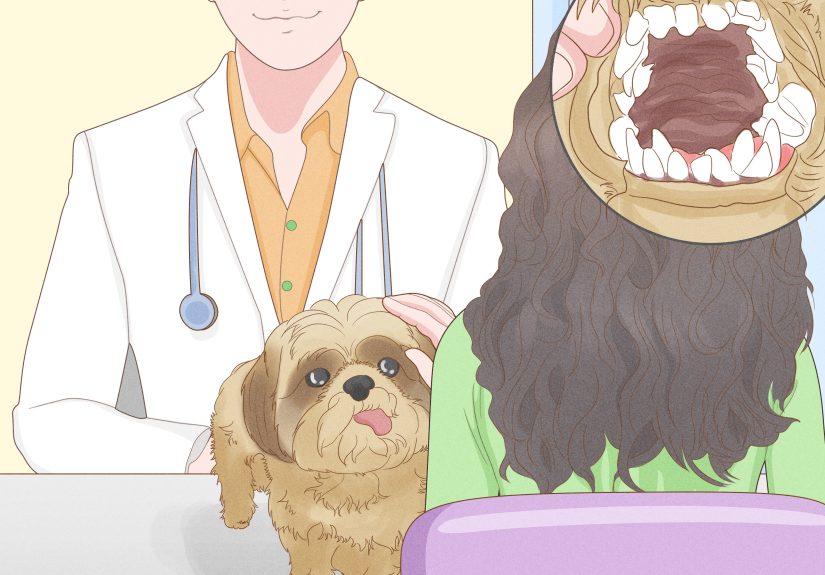
Most teething is normal. Some situations are not. Contact your veterinarian if your puppy has baby teeth that do not fall out when adult teeth are coming in, stops eating, has severe gum bleeding, bad breath that seems unusual, facial swelling, obvious pain, broken teeth, or chewing that suddenly becomes extreme and distressed.
Retained baby teeth are especially worth mentioning because they can crowd adult teeth and affect bite alignment. When in doubt, let your vet take a look. It is easier to fix small dental issues early than major ones later.
Common Puppy Teething Mistakes to Avoid
Using punishment instead of guidance
Teething puppies are not being “bad.” They are being puppies. Punishment can increase fear, stress, and confusion. Clear redirection and management work better.
Giving too much freedom too soon
A puppy loose in the living room with no supervision is basically an unpaid interior designer with no taste boundaries. Controlled freedom prevents bad habits from getting rehearsed.
Confusing all biting with teething pain
Some mouthing is due to sore gums. Some is excitement, play, or overstimulation. The solution is usually a mix of safe chews, shorter play sessions, calmer routines, and consistent training.
Ignoring the mouth during wellness care
It is easy to focus on vaccines, potty training, and crate training while forgetting dental health. But your puppy’s mouth deserves attention too. Early care can help prevent long-term trouble.
When Puppy Teething Usually Gets Better
For many puppies, the most intense teething stage settles down after adult teeth finish coming in, often around 6 to 7 months. That said, chewing does not disappear completely. Dogs naturally chew throughout life. What changes is the urgency and randomness.
A teething puppy may seem determined to sample every object in your home. A well-guided older dog is more likely to stick with appropriate chew items. So yes, there is light at the end of the tunnel. It just helps if you do not let the tunnel eat your coffee table first.
Real-Life Experience: What This Stage Often Feels Like for Owners
If you have never lived with a teething puppy before, the experience can be surprisingly emotional. You bring home a fluffy little companion expecting sweet cuddles and playful zoomies, and instead you discover that this adorable creature has opinions about your ankles. Strong opinions. It can make new owners wonder whether they are doing something wrong. Usually, they are not. They are just meeting a normal developmental stage up close.
One of the biggest surprises is how fast teething behavior can shift throughout the day. In the morning, your puppy may politely chew a toy and look like the poster child for good manners. By evening, after missed naps and too much excitement, that same puppy may become extra mouthy, restless, and determined to chew the corner of a rug that they completely ignored six hours earlier. This is why routines matter so much in real life. Many owners notice huge improvements when they add more structured naps, calmer play, and better toy rotation.
Another common experience is the trial-and-error process of finding the “right” chews. Puppies are individuals. Some love a cold rubber toy right away. Others prefer a soft plush toy, a damp chilled cloth, or a food-stuffed chew they can work on slowly. Owners often buy a toy that looks perfect, only to watch the puppy sniff it once and walk away as if it were an unpaid bill. Then a simpler toy becomes the favorite. That is normal. Teething care is not about finding one magical object. It is about building a small toolkit and noticing what your puppy responds to best.
Owners also learn quickly that redirection is less glamorous than it sounds. It is not a one-time lesson. It is repeating the same calm exchange over and over: “Not the table leg. Here is your toy. Good job.” At first, it can feel like you are having the same conversation with a furry toddler who has no email and does not read memos. But repetition works. Puppies learn through patterns, not speeches.
Then there is the emotional side. New puppy owners sometimes feel guilty for getting frustrated. That frustration is common. It does not mean you are failing. Living with a teething puppy can be tiring, especially when you are also house-training, socializing, and trying to protect your belongings from becoming modern art. The helpful mindset is to treat this stage as temporary coaching, not permanent chaos. Every calm redirect, every safe chew offered, and every prevented mistake is part of teaching your puppy how to live in your home.
Perhaps the best real-world advice is this: celebrate small wins. The first time your puppy chooses a chew toy over your shoe, that is progress. The first time they settle with a frozen stuffed toy instead of mouthing your hands, that is progress. The first day you realize they have not tried to eat the couch in a week, that is very real progress, and honestly, maybe a reason for cake. Teething can be messy, noisy, and occasionally ridiculous, but it also passes. With patience, management, and a sense of humor, most owners come out of this phase with a healthier puppy and a much better understanding of how to guide good behavior.
Conclusion
Puppy teething is one of those stages that feels long while you are living through it and weirdly short once it is over. Your puppy is not trying to ruin your home or launch a personal campaign against shoelaces. They are growing, learning, and coping with a mouth full of changes.
The best approach is simple: provide safe chew options, keep hard hazards out of reach, redirect consistently, support rest and routine, and call your vet when something seems off. Do that, and your puppy can move through teething with less discomfort and a lot fewer opportunities to redesign your furniture.
And one day, sooner than it feels right now, you will look at your grown dog peacefully chewing the correct toy and think, “Wow. We survived the tiny shark era.”




 Close
Close