
Table of Contents >> Show >> Hide
- Why Your Diet Matters When You Have Psoriasis
- Big Picture: An Anti-Inflammatory Approach
- Top Foods and Drinks to Avoid With Psoriasis
- 1. Alcohol
- 2. Red and Processed Meats
- 3. Foods High in Saturated and Trans Fats
- 4. Ultra-Processed Foods and Refined Carbohydrates
- 5. Sugary Drinks and Sweets
- 6. High-Fat Dairy for Some People
- 7. Gluten (If You’re Sensitive)
- 8. Nightshade Vegetables (For a Subset of People)
- 9. Caffeine and Energy Drinks
- 10. Very Salty or Highly Spiced Snack Foods
- How to Identify Your Trigger Foods
- What to Eat Instead (In a Nutshell)
- Everyday Tips for a Psoriasis-Friendly Diet
- Real-Life Experiences: Living With a Psoriasis Diet
- Key Takeaways
If you live with psoriasis, you already know it has a mind of its own. One week your skin is calm and happy, the next week your plaques are acting like they just had five espresso shots. While food doesn’t cause psoriasis and can’t cure it, what you eat can nudge inflammation up or down and that can make a real difference in flare-ups, itch, and how you feel overall.
Think of your psoriasis diet as a daily “background setting” for your immune system. When it’s full of anti-inflammatory foods, your body gets more support. When it’s overloaded with certain trigger foods, your immune system can get louder and more reactive. The good news: you don’t need a perfect diet or a complicated plan. You just need to know which foods are more likely to stir things up and how to swap them out for better options.
This guide breaks down the main foods to avoid (or at least limit) with psoriasis, why they can be a problem, and how to make realistic changes without feeling like you’re giving up everything you love.
Why Your Diet Matters When You Have Psoriasis
Psoriasis is a chronic inflammatory disease driven by an overactive immune system. That same chronic inflammation is also linked with conditions like obesity, heart disease, diabetes, and fatty liver disease, which are more common in people with moderate to severe psoriasis.
Several large reviews from dermatology and rheumatology experts suggest that:
- Losing excess weight through a calorie-controlled diet can improve psoriasis severity and help some treatments work better.
- Patterns like a Mediterranean or anti-inflammatory diet rich in fruits, vegetables, whole grains, and healthy fats are associated with fewer or milder psoriasis symptoms.
- Certain foods appear over and over in research and patient reports as possible triggers for flares.
There is no single “psoriasis diet” that works for everyone, and no food list can replace medical treatment. But many people find that avoiding some high-risk foods while focusing on anti-inflammatory options helps calm their skin, energy, and overall health.
Big Picture: An Anti-Inflammatory Approach
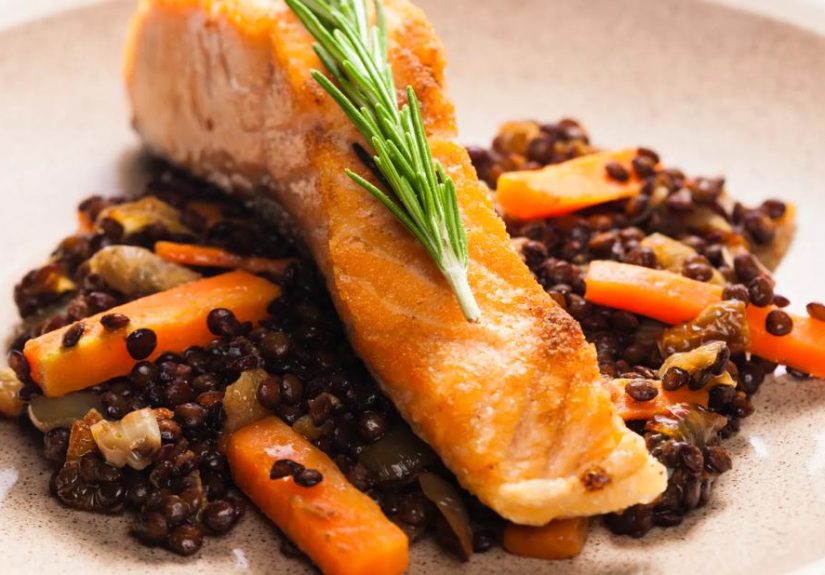
Most expert guidance for psoriatic disease now points toward an anti-inflammatory eating pattern similar to the Mediterranean diet: plenty of vegetables and fruit, whole grains, legumes, nuts, seeds, olive oil, and fatty fish; less processed food, red meat, and added sugar.
But before you fill your cart with salmon and kale, it’s just as important to know which foods tend to work against you. Let’s zoom in on the biggest dietary troublemakers for psoriasis.
Top Foods and Drinks to Avoid With Psoriasis
1. Alcohol
Alcohol is one of the most consistent lifestyle triggers linked with psoriasis flare-ups. Heavy drinking can worsen symptoms, interfere with medications, affect the skin barrier, and increase the risk of liver problems which is especially concerning if you’re on certain systemic or biologic treatments.
Alcohol may also:
- Promote inflammation and immune activation
- Make it harder to stick with healthy eating and exercise goals
- Increase the chance of medication side effects or interactions
For many people with psoriasis, cutting back on alcohol or avoiding it altogether is one of the most powerful diet changes they can make. If you do drink, talk with your dermatologist about what’s safe given your medications and health history.
2. Red and Processed Meats
Red meat (especially fatty cuts of beef, lamb, and pork) and processed meats (bacon, sausage, deli meats, hot dogs, jerky) are classic pro-inflammatory foods. They’re high in saturated fat and may contain a fatty acid called arachidonic acid, which can be broken down into chemicals that promote inflammation in skin and joints.
Studies and expert reviews point out that people with psoriasis often eat more high-fat, high-sugar foods and fewer plant-based foods than recommended and that trimming down red and processed meat intake can help lower overall inflammation.
Smart swaps: Try replacing some red meat meals with:
- Fatty fish like salmon or trout a couple of times per week
- Lean poultry without the skin
- Plant proteins like beans, lentils, and tofu
3. Foods High in Saturated and Trans Fats
It’s not just meat. Many fried foods and packaged snacks are loaded with saturated and trans fats, which can raise LDL (“bad”) cholesterol and drive inflammation throughout the body including the skin.
Common culprits include:
- Deep-fried foods (fried chicken, French fries, onion rings)
- Fast food burgers and breakfast sandwiches
- Certain margarine and shortening products
- Packaged pastries, doughnuts, and some crackers
Saving these foods for rare occasions instead of making them a weekly habit can help reduce inflammatory burden and support heart health, which matters a lot if you live with psoriasis.
4. Ultra-Processed Foods and Refined Carbohydrates
Ultra-processed foods are those long-shelf-life items with a large ingredient list: refined grains, added sugars, industrial oils, flavorings, and preservatives. Think frozen pizza, instant noodles, many snack bars, sugary breakfast cereal, and ready-to-heat meals.
These foods tend to be high in refined carbohydrates and low in fiber. That mix can spike blood sugar and insulin, feed inflammation, and crowd out more nourishing foods.
Refined carbs show up in:
- White bread, white pasta, many crackers
- Many baked goods made with white flour
- Sweetened breakfast cereals and pastries
Instead, aim for slow-burn carbs like oats, brown rice, quinoa, and whole-grain bread, which deliver more fiber and nutrients with less blood sugar drama.
5. Sugary Drinks and Sweets
Soda, sweet tea, energy drinks, sugary coffee beverages, and candy all pack a lot of added sugar into a small space. That sugar rush may temporarily boost your mood, but it also triggers inflammatory pathways and can contribute to weight gain both of which are bad news for psoriasis.
Even “natural” sweeteners can add up quickly. Juice, agave-sweetened drinks, and large smoothies made mostly with fruit and juice concentrates can carry more sugar than you realize.
Smart swaps: Try sparkling water with citrus, unsweetened tea with lemon, or coffee with a little milk and minimal sweetener. For dessert, fruit with yogurt or a small square of dark chocolate beats a giant slice of cake most days.
6. High-Fat Dairy for Some People
Dairy is a mixed bag in psoriasis. For some people, high-fat dairy (like full-fat cheese, ice cream, and heavy cream) seems to worsen their skin; for others, low-fat yogurt and milk fit in just fine. Some experts suggest that the saturated fat and certain proteins in dairy may be inflammatory for a subset of people.
There’s no rule that everyone with psoriasis has to avoid dairy. But if you notice your skin gets worse after pizza night or ice cream binges, it may be worth testing a lower-dairy or lower-fat approach for a few weeks (with your clinician’s blessing) to see if you feel better.
7. Gluten (If You’re Sensitive)
Gluten a protein in wheat, barley, and rye has a complicated relationship with psoriasis. Some people with psoriasis also have celiac disease or gluten sensitivity. In those cases, a strict gluten-free diet is medically necessary and can improve both intestinal and skin symptoms.
Expert guidelines generally recommend:
- Testing for celiac disease or gluten antibodies if you have psoriasis plus digestive symptoms or a strong family history
- Considering a gluten-free diet only if those tests are positive, or if you and your care team decide a short, supervised trial makes sense
A gluten-free diet is restrictive, and it’s easy to swap wheat for ultra-processed gluten-free products that aren’t any healthier. This is one area where working with a dermatologist and a registered dietitian is especially helpful.
8. Nightshade Vegetables (For a Subset of People)
Nightshades include tomatoes, potatoes, eggplant, and peppers. They’re nutritious for most people, but a small group of people with psoriasis report that nightshades worsen their joint or skin symptoms. Some diet plans designed for psoriasis specifically suggest avoiding nightshades.
Research is limited, and nightshades are not automatically “bad.” If you suspect they bother you, try a short elimination trial ideally with professional guidance and reintroduce them slowly to see if symptoms change.
9. Caffeine and Energy Drinks
Caffeine itself isn’t universally harmful for psoriasis, and moderate coffee intake can even have some health benefits. But very high caffeine intake (especially from energy drinks loaded with sugar and additives) can interfere with sleep, spike stress hormones, and increase inflammation.
Poor sleep and high stress are well-known psoriasis triggers. If your caffeine habit is fueling both, cutting back or swapping some drinks for decaf or herbal tea may help your skin indirectly.
10. Very Salty or Highly Spiced Snack Foods
There’s nothing wrong with herbs and spices; some (like turmeric and ginger) may even have anti-inflammatory benefits. But ultra-salty snacks and intensely flavored chips often come packaged with refined carbs and unhealthy fats. Some people also report that extra spicy foods seem to worsen redness or itch, even if research is limited.
If you notice a pattern hot-wing night today, extra angry plaques tomorrow that’s a useful clue for your personal trigger list.
How to Identify Your Trigger Foods
Lists are helpful, but psoriasis is stubbornly individual. What flares one person may do nothing to another. Instead of trying to follow a dozen rules at once, use these steps to personalize your psoriasis diet:
- Keep a simple food and symptom diary. For a few weeks, jot down what you eat and rate your skin each day (for example, 1–10 for itch or redness). Over time, patterns often appear.
- Change one thing at a time. Rather than cutting gluten, dairy, sugar, and nightshades all at once, pick the most likely trigger (often alcohol, red meat, or ultra-processed foods) and focus on that for 3–4 weeks.
- Reintroduce foods slowly. If you eliminate something, add it back gradually while watching for changes. That helps you separate real triggers from random flares.
- Loop in your care team. A dermatologist or primary care clinician can help you avoid overly restrictive diets, monitor your overall health, and refer you to a dietitian if needed.
Any diet that leaves you constantly hungry, stressed, or undernourished is not going to support your psoriasis long-term, no matter how “clean” it looks on paper.
What to Eat Instead (In a Nutshell)
Because this article focuses on foods to avoid, here’s a quick counter-balance: the kinds of foods that tend to support a calmer psoriasis picture are the same ones that show up in anti-inflammatory and Mediterranean-style diets.
- Vegetables and fruits: Aim for color leafy greens, berries, citrus, peppers, carrots, tomatoes (unless nightshades bother you).
- Whole grains: Oats, quinoa, brown rice, whole-grain bread and pasta.
- Lean proteins: Fish (especially fatty fish), skinless poultry, beans, lentils, tofu.
- Healthy fats: Olive oil, avocado, nuts, and seeds.
- Fermented and high-fiber foods: Yogurt or kefir (if tolerated), sauerkraut, and fiber-rich plant foods to support gut health.
Many people find that when they build meals around these foods, they naturally eat fewer of the high-risk items listed earlier without feeling deprived.
Everyday Tips for a Psoriasis-Friendly Diet
- Shop the perimeter. Most whole, minimally processed foods live in the outer aisles (produce, meat, seafood, dairy, frozen veggies).
- Cook more at home. Restaurant meals tend to be higher in salt, sugar, and fat. Home cooking gives you more control over ingredients.
- Plan “good enough” meals. You don’t need Instagram-perfect bowls. Rotisserie chicken (skin removed), microwaved veggies, and a bagged salad absolutely count.
- Have a backup plan. Keep quick, healthier options on hand: canned beans, frozen veggies, canned tuna or salmon, pre-washed greens, nuts, and seeds.
- Be kind to yourself. One slice of pizza or a dessert does not undo your progress. Watch trends over weeks, not one meal.
And remember: diet is just one piece of psoriasis care, along with medication, stress management, sleep, and movement. Never stop or change prescribed treatments without talking to your clinician.
Real-Life Experiences: Living With a Psoriasis Diet
Everyone’s journey with a psoriasis diet looks a little different. These fictionalized examples are based on patterns many people report they’re not medical advice, but they might help you recognize pieces of your own story.
“I Didn’t Realize How Much Weekends Were Killing My Weekdays” – Mark, 38
Mark’s weekdays were fairly tame: oatmeal, a turkey sandwich, a reasonable dinner. But every Friday and Saturday were “treat days” wings and beer with friends, late-night fast food, sugary coffee drinks the morning after.
His plaques always seemed worst on Monday, right when he was trying to get back into a routine. Once his dermatologist suggested tracking both food and flares, the pattern became obvious. Weekends weren’t just “cheat meals”; they were extended marathons of alcohol, fried foods, and sugar.
He started small: cutting down to one or two drinks and swapping wings for grilled chicken and veggies at his favorite pub. He also added sparkling water between drinks so he didn’t feel left out. Within a couple of months, he noticed he wasn’t dreading Monday mornings as much. His skin wasn’t perfect, but the wild swings calmed down, and his energy improved.
“Gluten Wasn’t My Issue But Ultra-Processed Food Was” – Brianna, 29
Brianna was convinced she needed to go gluten-free after seeing psoriatic disease posts on social media. She cut out bread, pasta, and baked goods overnight. The problem? She replaced them with gluten-free cookies, chips, and frozen meals that were still ultra-processed and high in sugar and fat.
Her skin didn’t improve, and she felt frustrated and restricted. A dietitian helped her step back and look at the bigger picture: her overall pattern was still low in fiber and high in additives, regardless of gluten.
They rebuilt her meals around whole foods instead: brown rice, quinoa, potatoes, beans, veggies, fruit, yogurt, and some whole-grain bread. She reintroduced gluten slowly and found no clear link to flares. What did make a difference was cutting way back on packaged snacks and sweet drinks. Her plaques were less inflamed, she lost a bit of weight, and she felt more in control without a long list of “forbidden” foods.
“Nightshades Really Did Bother My Joints” – Carlos, 52
Carlos had both psoriasis and psoriatic arthritis. His elbows and knees were manageable, but his fingers were stiff and achy, especially in the mornings. He noticed that certain meals seemed to coincide with extra stiffness particularly big tomato-based dinners and his favorite spicy potato dishes.
Working with his rheumatology team, he tried a brief nightshade-free trial while keeping everything else stable. For four weeks, he swapped tomato sauce for pesto, used sweet potatoes instead of white potatoes, and chose herbs and lemon instead of hot peppers.
To his surprise, his morning stiffness improved. When he brought back tomato-heavy dishes several times in a week, the stiffness returned. It wasn’t a cure he still needed his medications but it gave him one more lever to pull when his joints started complaining.
“Progress, Not Perfection, Keeps Me Sane” – Dana, 44
Dana used to bounce between extremes: super strict diets during flare-ups, then burnout and “forget it” mode with fast food and dessert every night. Over time, she realized her all-or-nothing approach was stressing her out, and stress is a big trigger for her psoriasis.
Now she aims for an 80/20 rule. About 80% of the time, she builds her meals around vegetables, lean proteins, whole grains, and healthy fats. The other 20% is flexible a burger at a party, cake at a birthday, the occasional latte with whipped cream. She pays attention to how she feels, but she doesn’t panic about individual meals.
The result? Her plaques still come and go, but the flares are less dramatic and feel more predictable. She feels calmer, less guilty about food, and more able to stick with her habits long term.
These stories highlight an important truth: a psoriasis-friendly diet doesn’t have to be perfect, gluten-free, dairy-free, and joy-free all at once. It just needs to move you toward fewer inflammatory foods, more nourishing ones, and a pattern you can actually live with ideally with guidance from the health professionals who know your medical history best.
Key Takeaways
- There’s no one “psoriasis diet,” but some foods especially alcohol, red and processed meats, high-fat and fried foods, ultra-processed foods, and sugary drinks commonly worsen inflammation and flares.
- Weight management and an anti-inflammatory eating pattern can support better skin and overall health, particularly if you’re overweight or have other metabolic conditions.
- Gluten, dairy, nightshades, and spicy foods may trigger flares for some people but not others. Testing these cautiously with professional guidance can help identify your personal triggers.
- Diet changes should complement, not replace, medical treatment. Always talk with your dermatologist or healthcare provider before making major dietary changes or stopping prescribed medications.







 Close
Close