
Table of Contents >> Show >> Hide
- What Postpartum Recovery Really Feels Like (a.k.a. The Fourth Trimester)
- So… What Exactly Is Postpartum Massage?
- How Postpartum Massage Supports Healing
- 1) It helps your nervous system downshift from “fight-or-flight”
- 2) It eases the posture pain that comes from feeding, holding, and living on the edge of a couch cushion
- 3) It may help with postpartum swelling (especially with gentle, lymph-style techniques)
- 4) It can support sleep quality (yes, even if the baby didn’t get the memo)
- 5) It offers emotional reliefwithout you having to “perform wellness”
- When Is It Safe to Get a Postnatal Massage?
- What to Expect in a Postpartum Massage Session
- DIY: Gentle At-Home Massage Ideas (No Spa Appointment Required)
- How to Choose a Postpartum Massage Therapist
- Safety Checklist: When to Skip Massage and Call Your Clinician
- FAQ: Quick Answers About Massage Therapy After Birth
- Conclusion: Recovery After Birth Deserves Support (Including Yours)
- Extra: Real-World Experiences With Postpartum Massage (Composite Stories)
- 1) “I didn’t realize my shoulders were basically earrings.”
- 2) “My legs felt puffy, but I was nervous about anyone touching them.”
- 3) “C-section recovery made me feel like my core had a ‘Do Not Disturb’ sign.”
- 4) “I thought I needed a deep tissue massage. Turns out I needed a nap and someone to be gentle.”
- 5) “The most helpful thing was the plan, not just the massage.”
- SEO Tags
The baby is out. Congrats! Now your body starts the part nobody put on the registry: the recovery.
If you’ve heard the phrase “the fourth trimester,” it’s basically the official name for
“Why does everything feel weird and why am I sweating like I ran a marathon while holding a burrito?”
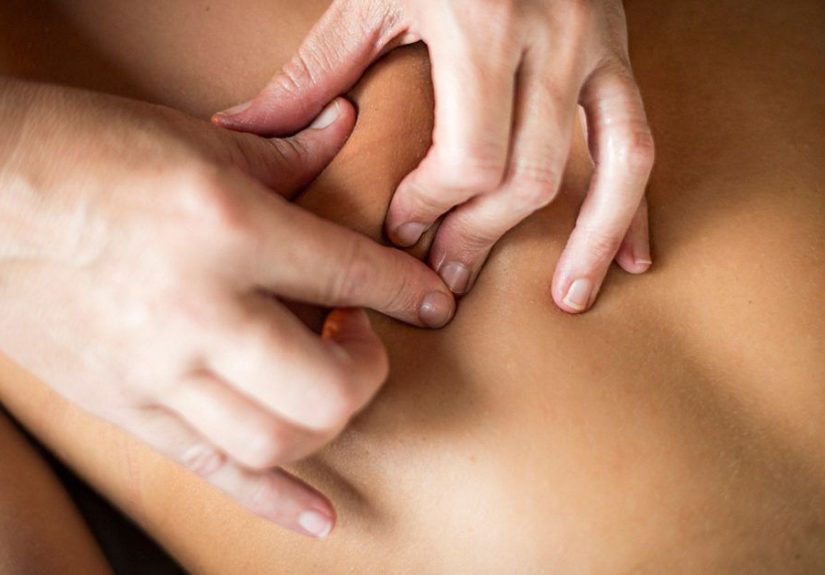
This is where postpartum massage (also called postnatal massage) can be a surprisingly helpful teammate.
Done safely and at the right time, massage can support postpartum recovery by easing muscle tension, helping with swelling,
improving rest, and giving your nervous system a moment to unclench its jaw.
Not magic. Not a cure-all. But often a very real, very welcome “Ahhh.”
What Postpartum Recovery Really Feels Like (a.k.a. The Fourth Trimester)
Recovery after birth is not one-size-fits-all. Vaginal delivery, C-section, tearing, no tearing, long labor, fast labor
your body’s “after party” looks different depending on the guest list.
But most people experience a mix of physical changes and emotional whiplash, often at the exact same time as
learning how to keep a tiny human alive. Fun!
Common postpartum symptoms (and why your body is not “broken”)
- Perineal soreness (especially with tearing or an episiotomy)
- Uterine cramping (“afterpains”) as your uterus shrinks back down
- Swelling in feet/legs/hands as your body shifts fluids
- Upper back, neck, and shoulder tension from feeding/holding/rocking
- Hip and low-back discomfort from pregnancy posture and core changes
- Breast tenderness or engorgement (whether breastfeeding or not)
- Sleep disruption (understatement of the century)
- Mood swings from hormones + sleep loss + life change (hello, baby blues)
The goal of postpartum care is to help you heal, function, and feel like yourself againgradually.
Postpartum massage is one supportive tool in that bigger recovery toolbox (right next to hydration, nutrition, medical follow-ups,
pelvic floor care, and accepting help without guilt).
So… What Exactly Is Postpartum Massage?
Postpartum massage is a form of massage therapy designed for the weeks and months after childbirth.
It usually looks like a gentler, more customized session than a standard “deep tissue everything everywhere all at once” massage.
A skilled postnatal therapist considers things like:
- tender areas (perineum, abdominal incision, sore ribs, aching hips)
- postpartum swelling and circulation changes
- breastfeeding/pumping comfort and positioning
- sleep deprivation and stress load (which is real, measurable, and not “in your head”)
- delivery type (vaginal vs. C-section) and healing timeline
In other words: it’s massage therapy with context. And postpartum context is… a lot.
How Postpartum Massage Supports Healing
Let’s talk about what postpartum massage can realistically do. The best benefits tend to be practical:
less tension, better comfort, calmer mood, and a body that feels more “online.”
1) It helps your nervous system downshift from “fight-or-flight”
Labor, birth, pain, adrenaline, medical decisions, newborn careyour nervous system may be running like it’s late for a flight.
Massage can promote relaxation and help you feel grounded in your body again.
Even short sessions can feel like hitting “reset” on your stress response.
2) It eases the posture pain that comes from feeding, holding, and living on the edge of a couch cushion
Many postpartum aches are “position injuries”:
shoulders creeping up toward your ears while you feed, wrists gripping the baby like a tiny (adorable) kettlebell,
and your upper back doing unpaid overtime.
Massage can loosen tight muscles and improve comfort in the areas that tend to take the biggest hit:
neck, shoulders, mid-back, low back, hips, and forearms.
3) It may help with postpartum swelling (especially with gentle, lymph-style techniques)
Postpartum swelling is common as your body shifts fluids after pregnancy.
Lymphatic drainage massage is a light-pressure technique aimed at supporting fluid movement and reducing puffiness.
The key words are light and trainedthis is not the time for aggressive leg work,
especially if swelling is sudden, one-sided, or painful.
4) It can support sleep quality (yes, even if the baby didn’t get the memo)
Massage doesn’t magically make a newborn sleep, but it can make you more relaxed.
Research on postnatal back massage has found improvements in relaxation and sleep quality in some settings.
Translation: you may fall asleep faster and rest more deeply during the short windows you actually get.
5) It offers emotional reliefwithout you having to “perform wellness”
Postpartum can be tender emotionally: joy, overwhelm, tears, gratitude, grief for your old routine, fear you’re doing it wrong
(you’re not), and a lot of “Why am I crying while staring at a sock?”
Massage can be a low-effort way to feel cared for.
Not as a substitute for mental health supportbut as a legitimate form of physical comfort that can help you cope.
When Is It Safe to Get a Postnatal Massage?
Timing depends on your delivery, your symptoms, and your clinician’s guidance.
In general, many people can start gentle postpartum massage fairly soon after birthespecially if recovery is uncomplicated.
But “safe” also means “smart.” Here’s a practical way to think about it:
After a vaginal birth
If you had an uncomplicated vaginal delivery and you feel up to it, gentle massage (like shoulders, back, arms, and feet)
may be comfortable within days. Many people prefer to wait until bleeding has slowed and sitting/lying down feels easier.
If you had significant tearing, severe perineal pain, or postpartum complications, check with your clinician first.
After a C-section
A C-section is major abdominal surgery, so the timeline is different.
Many postpartum massage sessions after C-section focus on areas away from the incision early on:
neck/shoulders, back, hips, legs (with safety screening), and hands/arms.
Abdominal work and C-section scar massage should wait until the incision is fully closed and you’ve been cleared
often around the postpartum follow-up window.
If you had complications or you’re unsure
If you experienced postpartum hemorrhage, high blood pressure issues, infection, blood clot concerns, severe swelling,
or anything that makes you say, “Hmm, should I be worried?”pause and ask your clinician.
The right therapist will want you to be medically cleared when needed.
What to Expect in a Postpartum Massage Session
A good postpartum session should feel like it was designed by someone who understands that your body is healing,
your sleep is fragile, and your tolerance for nonsense is at an all-time low.
Positions that won’t make you feel like a folded lawn chair
- Side-lying with pillows (often the most comfortable early on)
- Supported recline with bolsters
- Shorter, targeted sessions if a full hour feels like too much
Common focus areas
- Upper back and shoulders (feeding posture headquarters)
- Neck and jaw (stress likes to live here)
- Low back and hips (pregnancy + recovery combo pack)
- Arms, hands, and forearms (hello, “mom thumb” and gripping)
- Gentle leg work only after screening for swelling red flags
You’re allowed to ask for adjustments. Too much pressure? Say so.
Don’t want your feet touched? Also valid. Want silence because your brain has heard enough noise for one lifetime?
Completely reasonable.
DIY: Gentle At-Home Massage Ideas (No Spa Appointment Required)
Not everyone can get a professional postpartum massage right away. Time, money, logistics, baby carereal barriers.
The good news: small, safe moments of touch can still help.
A 5-minute partner massage “script”
- Shoulder squeeze: gentle kneading at the tops of shoulders (30 seconds each side).
- Neck release: light circles at the base of the skull (30 seconds).
- Forearm glide: slow strokes from wrist to elbow (1 minute each arm).
- Hand massage: thumb circles in the palm and between fingers (1 minute).
- Finish: one slow, steady hand on the upper back with deep breaths (30 seconds).
Keep it gentle. Avoid deep pressure on the legs if there’s unusual swelling, pain, warmth, or redness
that’s a “check with a clinician” situation, not a “let’s dig in” situation.
Simple self-massage tools
- Tennis ball against the wall for upper back tight spots (skip the low back if it feels sharp)
- Warm compress on shoulders/upper back before gentle stretching
- Foot rolling on a ball if it feels soothing (again: not if you have concerning swelling)
How to Choose a Postpartum Massage Therapist
A postpartum body is not the moment for a therapist who “freestyles.”
Look for someone trained in prenatal/postnatal massage or who regularly works with postpartum clients.
Questions worth asking
- Do you have specific training in postpartum massage or perinatal clients?
- How do you position postpartum clients (especially after C-section)?
- How do you screen for contraindications like infection or blood clot symptoms?
- Can you adapt the session if I’m breastfeeding/pumping or need breaks?
- Do you avoid abdominal/scar work until I’m cleared?
Bonus points if they communicate clearly, respect boundaries, and treat “I’m not sure what I need” as a normal answer.
Safety Checklist: When to Skip Massage and Call Your Clinician
Massage should feel supportivenot risky. If you have any of the following, pause and get medical advice first:
- Signs of a blood clot: one-sided leg swelling, pain/tenderness, warmth, redness/discoloration
- Breathing or chest symptoms: shortness of breath, chest pain, coughing blood, feeling faint
- Fever or infection signs: fever, chills, worsening incision pain, pus, spreading redness
- Severe headache that doesn’t improve or comes with vision changes
- Heavy bleeding or sudden worsening pain
- Mastitis symptoms (fever, breast redness, severe breast pain) before any breast-focused work
Bottom line: postpartum massage is meant to complement postpartum care, not compete with it.
When in doubt, ask your OB-GYN, midwife, or primary care clinician.
FAQ: Quick Answers About Massage Therapy After Birth
Can postpartum massage help milk supply?
Massage may help you relax, and relaxation can support letdown for some people.
But milk supply is influenced by many factors (frequency of feeding/pumping, latch, hormones, health conditions).
Think of massage as a comfort toolnot a guaranteed lactation “hack.”
If supply is a concern, a lactation consultant can offer targeted help.
Is postpartum lymphatic drainage massage worth it?
If you’re experiencing normal postpartum puffiness, gentle lymphatic-style massage may feel great and may help reduce swelling.
It should be light pressure and done by someone trained.
If swelling is sudden, one-sided, painful, or comes with warmth/redness, skip massage and get checked for clots.
How often should I get a postpartum massage?
Many people start with one session and decide from there.
Some like weekly sessions for a few weeks; others prefer occasional “maintenance” sessions.
The best schedule is the one your body tolerates, your budget allows, and your life with a newborn doesn’t revolt against.
Conclusion: Recovery After Birth Deserves Support (Including Yours)
Postpartum recovery is physical healing plus emotional adaptation plus a newborn who doesn’t care about your calendar.
Postpartum massage can help by easing muscle tension, calming stress, supporting rest, andhonestlygiving you
a rare moment where someone takes care of you.
Keep it safe: choose a trained therapist, avoid deep work on risky areas, wait for clearance after C-section when needed,
and pay attention to red flags like one-sided leg swelling or chest symptoms.
Used wisely, postnatal massage can be a comforting, practical part of your postpartum recovery plan.
Extra: Real-World Experiences With Postpartum Massage (Composite Stories)
Below are composite stories based on common postpartum experiences shared in clinical and wellness settings.
They’re not one person’s storyand not medical advicebut they may help you picture how postpartum massage can fit into real life.
1) “I didn’t realize my shoulders were basically earrings.”
A first-time parent came in around two weeks postpartum, convinced the main issue was low-back pain. But when the therapist
asked them to take a breath and notice their posture, the shoulders were practically living next to the ears. Feeding sessions,
burping sessions, rocking sessionsrepeat foreverhad turned their upper back into a tight, tired knot. The massage focused on
shoulders, upper back, forearms, and gentle neck work in a side-lying position. The best part wasn’t even the pressureit was the
permission to fully exhale. They left saying, “I feel taller,” which is not a scientific metric, but it’s an extremely satisfying one.
2) “My legs felt puffy, but I was nervous about anyone touching them.”
Around one week postpartum, another parent noticed generalized swelling in both feet and ankles. They’d heard “don’t massage legs”
and assumed massage was completely off-limits. A postpartum-trained therapist did a careful intake: no one-sided swelling, no heat,
no redness, no calf pain, no shortness of breathjust the classic postpartum fluid shift. The session used very light, lymph-style
techniques and focused more on comfort than “fixing.” The result? Their legs felt less heavy, and they slept more deeply that night.
The biggest takeaway was confidence: they learned what normal swelling can look like and what symptoms should trigger a medical call.
3) “C-section recovery made me feel like my core had a ‘Do Not Disturb’ sign.”
A C-section parent booked a session about three weeks postpartum but didn’t want anyone near the incision (fair).
The therapist worked around itupper back, hips, glutes, and gentle work through the rib cage and diaphragm area to support easier breathing.
The surprise benefit was how much better standing and walking felt afterward. When the parent was later cleared for scar work,
they started slow and light, more about desensitizing and reconnecting with the area than “breaking up scar tissue.”
Their review was simple: “It helped me trust my body again.” That’s the part people don’t always talk aboutbut it matters.
4) “I thought I needed a deep tissue massage. Turns out I needed a nap and someone to be gentle.”
This one is common: a parent arrives saying, “Go hard, I’m wrecked,” because they’re used to powering through discomfort.
But postpartum bodies can be tender, depleted, and sensitivedeep pressure isn’t always the fastest route to relief.
With a slower, gentler session (and lots of bolsters), they noticed their breathing changed first, then their jaw unclenched,
then their whole body stopped bracing. The next day they reported less neck painand also fewer stress headaches.
The lesson: postpartum massage isn’t about “winning” against tight muscles. It’s about helping your system feel safe enough to soften.
5) “The most helpful thing was the plan, not just the massage.”
One parent loved the session but said, “I can’t come back often.” So the therapist built a mini home routine:
two minutes of shoulder self-massage with lotion after a shower, a tennis ball for upper-back tight spots, and a partner hand massage
during one evening feeding. Small steps, realistic timing. Over a couple of weeks, that routine became a signal to their body:
“You’re allowed to recover too.” That’s the underrated power of postpartum massageit can become a habit of care, not just a one-time treat.
If you see yourself in any of these, you’re not alone. Postpartum recovery is messy, nonlinear, and deeply human.
And if a safe, well-timed massage helps you feel more comfortable in your bodygreat. You deserve that.






 Close
Close