
Table of Contents >> Show >> Hide
- What is Pixel by Labcorp, exactly?
- How the process works
- What Pixel by Labcorp gets right
- Where the experience gets messy
- How accurate is at-home testing?
- Best use cases for Pixel by Labcorp and similar kits
- Who should be cautious?
- My overall review: Is Pixel by Labcorp worth it?
- Extended section: what real-world experiences with Pixel by Labcorp tend to feel like
- Conclusion
At-home testing has officially entered its “wear real pants or do not wear real pants” era. You can check for certain infections, screen for colon cancer, and monitor a few wellness markers without scheduling a full waiting-room adventure. That convenience is exactly why people search for the Pixel test by Labcorp. They want reliable answers, minimal hassle, and preferably zero clipboard drama.
But here is the important twist: when people say “Pixel by Labcorp,” they are usually thinking about Labcorp’s mail-back home collection model, especially the respiratory tests that made the brand famous during the pandemic. Today, the bigger consumer platform is Labcorp OnDemand, which includes both genuine at-home kits and tests you can buy online but still complete at a Labcorp location. That difference matters. A lot. It is the difference between “easy Sunday project” and “still leaving the house.”
This review takes a close, practical look at how Pixel by Labcorp fits into the modern world of at-home testing, what it does well, where it falls short, and who is most likely to find it genuinely useful.
What is Pixel by Labcorp, exactly?
Pixel by Labcorp became widely known as a way to collect a sample at home and send it to a Labcorp lab for analysis. That is not the same as a rapid self-test you read on your bathroom counter in 15 minutes. In many cases, Pixel-style testing is better described as home collection plus professional lab processing.
That distinction is not just a technicality for people who alphabetize their spice rack. It affects everything from convenience to turnaround time. A true self-test gives immediate results at home. A mail-back test adds shipping time, lab processing time, and online result delivery. The upside is that a lab-processed result can feel more robust and easier to compare with traditional medical testing. The downside is obvious: you may spend a day or three waiting and checking your email like it owes you money.
Under the broader Labcorp OnDemand umbrella, shoppers can now find a mix of options. Some tests are fully at-home collection kits, such as certain respiratory tests, stool-based screening, and selected sexual health tests. Others can be purchased online but require an in-person blood draw or specimen drop-off. So, when evaluating a “Pixel test by Labcorp,” the first question is not “Is it good?” but rather “Which kind of test are we talking about?”
How the process works
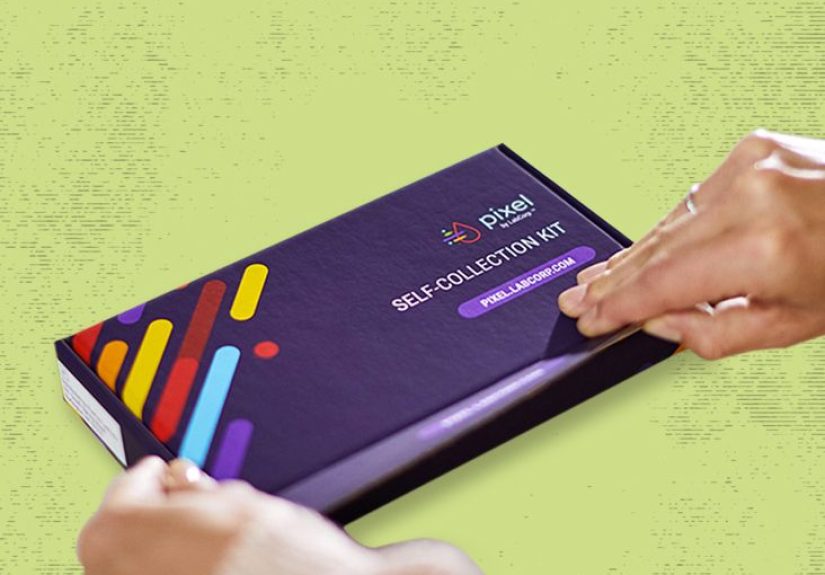
In the simplest version of the Pixel experience, you order online, create a Labcorp Patient account, receive a kit, collect the sample according to the instructions, and send it back using the provided packaging. Then the lab processes the specimen and posts results online. Some products also include follow-up guidance or access to clinical support if the result raises a concern.
That workflow is one of the strongest things Labcorp has going for it. The company is not trying to invent a cute little health-tech fantasy world where everyone becomes their own doctor overnight. Instead, it uses a familiar medical-lab structure and moves part of the collection step into the home. For many people, that feels reassuring. You are not just buying a mystery kit from the internet and hoping the box was not designed by a marketing intern with too much confidence.
There is also a practical benefit: privacy. For people screening for infections, checking colon health, or monitoring wellness markers they would rather not discuss under fluorescent lights, home collection can make the experience feel more manageable. The sample is still tested in a professional lab environment, but the awkward part happens in your own space.
What Pixel by Labcorp gets right
1. It reduces friction
The biggest advantage is convenience. At-home collection removes some of the classic barriers to testing: scheduling, travel, time off work, and the general annoyance of healthcare logistics. That matters more than people admit. Many conditions go unchecked not because people do not care, but because arranging care can feel like a side quest in a game nobody asked to play.
2. It blends convenience with lab-based credibility
Labcorp is a known clinical laboratory brand, and that recognition helps. Consumers are often more comfortable using an at-home kit when the company behind the result is already part of mainstream diagnostic medicine. That does not make every test perfect, but it does make the experience feel less like internet roulette.
3. It supports real screening use cases
Several of Labcorp’s at-home offerings fit genuine public-health needs. Respiratory PCR kits can help identify viral infections without a clinic visit. Stool-based colon cancer screening can make early detection more approachable for average-risk adults who are due for screening. Some sexual health options add privacy and speed for people who might otherwise delay testing.
4. It is usually easy to understand
One underrated feature of a good consumer test is plain-language design. Most people do not want a laboratory result to read like it was translated from ancient marble. Labcorp’s consumer-facing workflow is generally built around registration, kit instructions, and online result access in a format that feels more usable than old-school paper reports.
Where the experience gets messy
Not every “home” test is truly home-based
This is the most important limitation. The Labcorp OnDemand catalog includes many tests that are ordered from home but collected in person. That is not necessarily bad, but it can surprise people who assume “buy online” equals “never leave the sofa.” If you are specifically looking for a finger-prick, swab, or stool-based test you can do entirely at home, you need to read the collection method carefully before checkout.
Sample quality still depends on you
Mail-back testing sounds easy until you remember the human factor. Home collection only works well when the user follows directions closely. That includes timing, labeling, sample handling, packing, and shipping. A lab can run an excellent analysis, but it cannot rescue a sample that was collected incorrectly, delayed too long, or stored badly next to last night’s leftover takeout.
Turnaround time is not instant
For people spoiled by rapid pregnancy tests and quick home COVID tests, mail-back testing can feel slow. Shipping to the lab plus processing time creates a waiting period, and that may be stressful if you are testing because of symptoms or anxiety. In those situations, “convenient” and “fast” are not always the same thing.
Abnormal results still need follow-up
This is a screening tool, not a magical replacement for clinicians. An at-home result may tell you that something deserves attention, but it does not automatically answer every question that comes next. A positive stool-based screening result can lead to further evaluation. An abnormal A1C or cholesterol marker still needs interpretation in the context of medical history, family history, symptoms, and other risk factors. In plain English: the kit can open the door, but it does not furnish the whole house.
How accurate is at-home testing?
The honest answer is wonderfully unglamorous: it depends on the test and on how well the instructions are followed. That is true for home cholesterol kits, stool-based screening, infectious-disease tests, and almost everything else in this category.
For Labcorp-style home collection, the reassuring part is that the actual analysis is typically performed by a professional laboratory rather than entirely by the consumer. That can be a major advantage over some direct-read home tests. At the same time, the quality of the result still begins with the sample you collect. A nasal swab that is too casual, a blood sample that is mishandled, or a stool kit that is mailed late can reduce reliability.
In other words, the Pixel by Labcorp model can be very useful, but it rewards careful users. This is not the moment to channel your “I skimmed the instructions and now I am an expert” energy.
Best use cases for Pixel by Labcorp and similar kits
Respiratory testing
This remains the clearest fit for the Pixel brand. A home-collected swab sent to a lab can be a smart option when you want a professional test result without immediately heading into a clinic. It is especially appealing when you want more confidence than a quick OTC test may provide.
Screening for colon health
At-home stool-based screening is one of the strongest arguments for home testing in general. For average-risk adults who are due for screening, the ability to collect a sample privately can remove a huge emotional barrier. Nobody dreams of stool collection as a hobby, but early detection beats denial every time.
Selected sexual health testing
Privacy matters here, and at-home options can encourage people to test sooner. That said, users should be especially careful about confirming which infections are covered, whether the test is self-read or lab-processed, and what follow-up support is offered after a reactive or positive result.
Who should be cautious?
People with severe symptoms, urgent medical concerns, or a high risk of complications should not treat at-home testing like a substitute for prompt care. A mail-back kit is not ideal when you need immediate treatment decisions. It is also not a perfect choice for people who know they struggle with instructions, shipping deadlines, or sample collection. Some users will love the independence. Others will stare at the instruction card like it is a tax audit in miniature.
It is also wise to be cautious if you want a test result without understanding what happens next. Home testing is best when you are prepared for either outcome: reassurance if the result is normal, or follow-up if it is not.
My overall review: Is Pixel by Labcorp worth it?
Yes, with one giant asterisk. The asterisk is that you need to know whether you are buying a true at-home collection kit or simply using Labcorp’s online storefront to order a test that will still require an in-person visit.
When the test is genuinely designed for home collection, Pixel by Labcorp offers a strong mix of convenience, privacy, and laboratory-backed credibility. It is most compelling for screening scenarios where convenience improves the odds that you will actually get tested. That is not a small thing. In health care, the perfect plan that never happens usually loses to the good plan that gets done on Tuesday.
Still, this is not a universal replacement for traditional care. The service works best as a bridge: a way to lower barriers, start screening, or gather information before talking with a clinician. It works less well when consumers expect instant answers, total self-sufficiency, or a full medical consultation in a cardboard box.
If you go in with realistic expectations, the Pixel by Labcorp experience is solid, useful, and refreshingly practical. If you expect every test to be fully at-home, instantly processed, and medically complete, disappointment may arrive before the results do.
Extended section: what real-world experiences with Pixel by Labcorp tend to feel like
For many users, the experience begins with a simple thought: I should probably get this checked, but I really do not want to turn it into an all-day event. That is where Pixel by Labcorp and similar at-home options shine. The ordering process feels familiar to anyone who has ever bought something online, and that alone makes testing feel more approachable. There is a big psychological difference between opening a laptop in your kitchen and walking into a clinic while trying not to make eye contact with the fish tank.
The second phase is the kit-arrival moment. This is usually where the service feels most modern and least intimidating. Everything is packaged to walk you through the collection steps, and that can be comforting for first-time users. People who dislike traditional healthcare settings often describe this part as the main advantage: it lets them move at their own pace, in private, without the pressure of an appointment clock ticking in the background.
Then comes the most human part of the experience: self-doubt. Did I swab correctly? Did I label it right? Was that enough sample? Did I seal the package or invent a new category of medical arts and crafts? This is normal. At-home testing gives users more control, but it also hands them more responsibility. People who are methodical often find the process easy. People who improvise their way through furniture assembly may discover that health kits are less forgiving than a bookshelf.
Waiting for results is another common emotional theme. Even when the published turnaround time is reasonable, the experience can feel longer because health-related waiting rarely behaves like normal waiting. Five minutes on a streaming app is nothing. Twenty-four hours for a test result can feel like you have aged into wisdom and a mild beard. This does not make the service bad; it simply means consumers should factor in the mental side of delayed results when choosing between a mail-back lab test and a rapid self-test.
Users also tend to appreciate the privacy factor more than they expected. That is especially true for sensitive topics like sexual health, respiratory illness before travel, or colon screening. People often say they were more willing to test because they could do the awkward part at home. In that sense, the service is not just convenient; it can actually improve follow-through. That may be its most valuable feature of all.
Finally, the best experiences usually happen when the user treats the kit as part of care, not the entirety of care. A normal result can offer reassurance. An abnormal result can give someone a clear reason to book follow-up care instead of putting it off. The worst experiences tend to come from unrealistic expectations, especially when someone assumes a single home kit will answer every question forever. Used thoughtfully, Pixel by Labcorp feels less like a gimmick and more like a practical health tool that respects people’s time, privacy, and reluctance to spend their afternoon in a waiting room reading a four-year-old magazine.
Conclusion
The Pixel test by Labcorp earns good marks for convenience, privacy, and the confidence boost that comes from professional lab processing. Its biggest strength is not that it replaces the healthcare system. It is that it lowers the barrier to getting started. For respiratory testing, stool-based screening, and selected at-home options, that can make a real difference.
The main caution is simple: read the details before buying. Some Labcorp OnDemand products are true at-home kits, while others are home-ordered tests that still need an in-person collection. Once you understand that split, the service makes much more sense. And when a health product makes sense before you open the box, that already puts it ahead of half the internet.







 Close
Close