
Table of Contents >> Show >> Hide
- What Is a Peritonsillar Abscess?
- Peritonsillar Abscess Causes
- Peritonsillar Abscess Symptoms
- When Is a Peritonsillar Abscess an Emergency?
- How Doctors Diagnose a Peritonsillar Abscess
- Peritonsillar Abscess Treatment
- Can a Peritonsillar Abscess Go Away on Its Own?
- Possible Complications
- Recovery: What to Expect After Treatment
- Prevention Tips
- Peritonsillar Abscess vs. Tonsillitis
- Experiences Related to Peritonsillar Abscess: What Patients Often Notice
- Conclusion
A peritonsillar abscess sounds like something only a medical textbook could love, but it is a realand seriously painfulthroat infection that deserves attention. Often called “quinsy,” a peritonsillar abscess is a pocket of pus that forms near one of the tonsils, usually after tonsillitis or another throat infection spreads beyond where it belongs. In plain English: the tonsil area throws a very angry, very swollen party, and your throat is not invited.
This condition can make swallowing feel like a heroic act, talking sound muffled, and opening your mouth surprisingly difficult. While many sore throats improve with rest, fluids, and time, a peritonsillar abscess is different. It may need urgent medical treatment, including drainage and antibiotics. The good news is that with prompt care, most people recover well.
In this guide, we will walk through the causes, symptoms, diagnosis, treatment options, complications, prevention tips, and real-life experiences related to peritonsillar abscess. The goal is to make the topic clear, useful, and slightly less intimidatingbecause medical information should not require a decoder ring.
What Is a Peritonsillar Abscess?
A peritonsillar abscess is a collection of pus that develops in the tissue around a tonsil. The tonsils sit at the back of the throat and help trap germs, but sometimes they become infected themselves. If the infection spreads into the nearby soft tissue, pus may collect and form an abscess.
Most peritonsillar abscesses occur on one side of the throat. This is why many people describe the pain as sharply one-sided. The swelling can push the tonsil inward and may shift the uvulathe little dangling tissue at the back of the throataway from the infected side. That physical shift is one of the classic clues doctors look for during an exam.
Peritonsillar Abscess Causes
The most common cause of a peritonsillar abscess is a bacterial infection that begins as tonsillitis, strep throat, or pharyngitis. When bacteria move from the tonsil into the surrounding tissue, the body sends white blood cells to fight the infection. Pus forms as part of that battle. Unfortunately, the throat is a tight neighborhood, so swelling can quickly become painful and disruptive.
Common bacteria involved
Peritonsillar abscesses are often polymicrobial, meaning more than one type of bacteria may be involved. Common culprits include group A Streptococcus, the bacteria associated with strep throat, as well as anaerobic bacteria that naturally live in the mouth and throat. Staphylococcus species and other oral bacteria may also contribute.
Risk factors
Anyone can develop a peritonsillar abscess, but it is more common in teens and young adults. Risk factors may include recurrent tonsillitis, untreated or partially treated strep throat, smoking, gum disease, poor oral hygiene, and a weakened immune system. A history of frequent throat infections may also raise the odds.
Some cases may develop from blockage or infection of small salivary glands near the tonsils, known as Weber glands. That means a peritonsillar abscess does not always follow an obvious sore throat, though many cases do.
Peritonsillar Abscess Symptoms
The symptoms of a peritonsillar abscess are usually more intense than a typical sore throat. Many people feel sick enough to seek urgent care, especially when swallowing becomes difficult.
Key symptoms to watch for
- Severe sore throat, often worse on one side
- Painful swallowing or difficulty swallowing
- Fever and chills
- Swollen tonsil or swelling near one tonsil
- Muffled “hot potato” voice
- Difficulty opening the mouth, called trismus
- Drooling because swallowing is too painful
- Ear pain on the same side as the throat pain
- Bad breath
- Swollen, tender lymph nodes in the neck
- Uvular deviation, where the uvula is pushed away from the swollen side
The “hot potato” voice is a famous symptom because it sounds as if the person is talking with a hot potato in their mouth. No potato is involved, thankfully, but the muffled voice can be a strong sign that swelling is affecting the throat space.
When Is a Peritonsillar Abscess an Emergency?
A peritonsillar abscess can sometimes block part of the throat or make it hard to stay hydrated. Seek urgent medical care if you have severe throat pain with trouble swallowing, drooling, inability to open your mouth, worsening neck swelling, high fever, or a muffled voice.
Call emergency services or go to the emergency department right away if there is trouble breathing, noisy breathing, severe weakness, confusion, or inability to swallow saliva. These symptoms may suggest airway involvement or serious infection spread.
How Doctors Diagnose a Peritonsillar Abscess
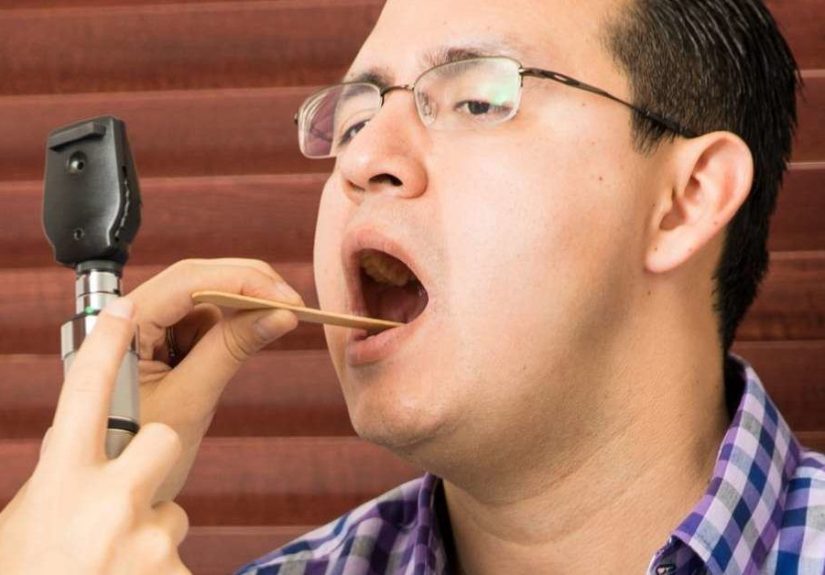
Diagnosis usually begins with a medical history and physical exam. A clinician will ask about throat pain, fever, swallowing problems, voice changes, previous tonsillitis, and antibiotic use. Then they will examine the mouth and throat, often looking for one-sided tonsil swelling, redness, pus, uvula displacement, and swollen lymph nodes.
Physical exam findings
Doctors may suspect a peritonsillar abscess when the throat appears asymmetrical. One tonsil may bulge forward, the soft palate may swell, and the uvula may lean away from the affected side. Trismus can make the exam tricky because the patient may not be able to open wide. At that point, nobody is winning a “say ahh” contest.
Needle aspiration
Needle aspiration may be used to confirm the diagnosis and treat the abscess at the same time. After numbing the area, a clinician inserts a needle into the suspected abscess to see if pus can be withdrawn. If pus is present, it confirms the abscess and helps relieve pressure.
Imaging tests
Imaging is not always needed, but it can help when the diagnosis is unclear or when doctors suspect a deeper neck infection. Ultrasound may help locate the abscess. A contrast-enhanced CT scan may be used if swelling is severe, symptoms are unusual, or there is concern that infection has spread beyond the peritonsillar area.
Peritonsillar Abscess Treatment
Treatment usually focuses on three goals: drain the pus, kill the bacteria, and help the person eat, drink, and recover comfortably. The exact plan depends on the severity of symptoms, the size of the abscess, the patient’s age, other health conditions, and whether the airway is safe.
Drainage
Drainage is often the most important part of treatment. An abscess is a pocket of pus, and antibiotics alone may not always penetrate it well enough. Common drainage methods include needle aspiration and incision and drainage. Both are usually performed with local anesthetic, though some patientsespecially children or people with severe trismusmay need additional support.
Needle aspiration uses a needle to remove pus. Incision and drainage involves making a small cut to allow pus to escape. In selected cases, especially with repeated abscesses or chronic tonsil problems, a tonsillectomy may be considered.
Antibiotics
Antibiotics are used to treat the bacterial infection. Because peritonsillar abscesses often involve multiple bacteria, doctors usually choose antibiotics that cover both strep bacteria and anaerobic bacteria. Some people take antibiotics by mouth, while others need IV antibiotics in the hospital.
It is important to take antibiotics exactly as prescribed, even if symptoms improve quickly. Stopping early is like leaving a horror movie before the monster is actually gone.
Pain control and hydration
Pain relief matters because swallowing can be miserable. Clinicians may recommend acetaminophen, ibuprofen, or other pain control options depending on the patient’s health history. Hydration is also essential. Some people need IV fluids if they cannot drink enough.
Corticosteroids
In some cases, clinicians may use corticosteroids to reduce swelling and pain. These are not a replacement for drainage or antibiotics when those are needed, but they may help symptoms improve faster in selected patients.
Can a Peritonsillar Abscess Go Away on Its Own?
A peritonsillar abscess should not be treated as a “wait and see” problem. While a simple sore throat may improve on its own, an abscess can worsen, spread, or interfere with breathing and swallowing. Medical evaluation is the safest choice when symptoms suggest an abscess.
Trying to pop or drain it at home is dangerous. The throat contains important blood vessels and airway structures. Home surgery belongs in exactly one place: nowhere.
Possible Complications
Most people recover without long-term problems when treated promptly. However, untreated or severe peritonsillar abscess can lead to complications. These may include dehydration, airway obstruction, spread of infection into deeper neck spaces, aspiration of pus, pneumonia, sepsis, or recurrence.
Deep neck infections can become serious because infection may move through tissue planes in the neck. That is why worsening swelling, breathing difficulty, chest pain, neck stiffness, or severe illness should never be ignored.
Recovery: What to Expect After Treatment
Many people feel noticeable relief after drainage because pressure decreases. Pain and swelling may continue for several days, but they should gradually improve with antibiotics, fluids, rest, and proper follow-up.
During recovery, soft foods and cool fluids may be easier to tolerate. Soup, smoothies, yogurt, applesauce, and mashed potatoes are common choices. Avoid smoking, alcohol, spicy foods, and rough-textured foods until the throat is healing. Your throat has already filed a complaint; do not send tortilla chips as a follow-up memo.
Prevention Tips
Not every peritonsillar abscess can be prevented, but some habits may reduce the risk. Treat bacterial throat infections as directed by a healthcare professional. Finish prescribed antibiotics. Practice good oral hygiene, including brushing, flossing, and regular dental care. Avoid smoking and vaping, which can irritate the throat and affect immune defense.
People who have repeated tonsillitis or recurrent peritonsillar abscesses may benefit from discussing tonsillectomy with an ear, nose, and throat specialist. The decision depends on frequency, severity, age, overall health, and impact on daily life.
Peritonsillar Abscess vs. Tonsillitis
Tonsillitis is inflammation or infection of the tonsils. It can cause sore throat, fever, swollen tonsils, white patches, and painful swallowing. A peritonsillar abscess is more serious because pus collects in the tissue around the tonsil.
The biggest warning signs that tonsillitis may have progressed include severe one-sided pain, muffled voice, drooling, trismus, and a visibly shifted uvula. When in doubt, especially with worsening symptoms, medical evaluation is the smart move.
Experiences Related to Peritonsillar Abscess: What Patients Often Notice
Although every patient experience is different, many people describe a peritonsillar abscess as “the worst sore throat of my life.” That phrase appears often because the pain tends to be sharp, one-sided, and relentless. Unlike a scratchy cold-related sore throat, this pain may radiate to the ear, make swallowing nearly impossible, and turn drinking water into a negotiation.
One common experience is the surprise of jaw stiffness. A person may wake up expecting a regular sore throat, then realize they cannot open their mouth fully. This symptom, called trismus, can be alarming. People may also notice that their speech sounds strange. Friends or family might ask, “Why do you sound like that?” The answer is not “dramatic flair.” It is swelling near the tonsil changing the way sound moves through the mouth and throat.
Another frequent experience is delayed care. Some people assume they have ordinary tonsillitis and try home remedies for a few days. Warm tea, saltwater gargles, and lozenges may soothe mild throat irritation, but they usually do not fix an abscess. By the time patients seek care, they may be dehydrated because swallowing has become too painful. This is one reason clinicians take hydration seriously during treatment.
The drainage procedure can sound frightening, but many patients report that the relief afterward is worth it. The numbing medicine may sting briefly, and the process can feel uncomfortable, but removing pus often reduces pressure quickly. Some people describe it as finally giving the throat room to breathe. Of course, nobody puts “peritonsillar abscess drainage” on a vacation bucket list, but it can be a turning point in recovery.
Recovery often involves a few practical challenges. Eating may be awkward for several days. Soft foods become the VIP section of the kitchen: yogurt, smoothies, scrambled eggs, oatmeal, soup, pudding, and mashed potatoes. Acidic drinks like orange juice may sting. Crunchy foods may feel like betrayal. Patients often learn that “I can probably eat chips now” is not always a wise medical theory.
Emotionally, a peritonsillar abscess can be stressful because symptoms escalate quickly. A person may go from “I have a sore throat” to “I cannot swallow my own saliva” in a short period. Parents may feel especially worried when a child drools, refuses fluids, or sounds muffled. The key lesson from many experiences is simple: severe one-sided throat pain deserves attention, especially when paired with fever, jaw stiffness, drooling, or voice changes.
Another lesson is the importance of follow-up. Feeling better after drainage does not mean the infection is fully gone. Antibiotics, hydration, rest, and any recommended recheck help prevent recurrence and complications. People with repeated infections may eventually discuss tonsil removal with an ENT specialist, particularly if throat infections are interfering with school, work, sleep, or quality of life.
In the end, the patient experience is often a mix of pain, urgency, relief, and a newfound respect for the humble act of swallowing. A peritonsillar abscess is not just a “bad sore throat.” It is a treatable infection that becomes much less scary when recognized early and managed properly.
Conclusion
A peritonsillar abscess is a painful pocket of pus near the tonsil, often linked to tonsillitis or strep-related throat infection. The classic symptoms include severe one-sided sore throat, fever, trouble swallowing, muffled voice, drooling, jaw stiffness, ear pain, and swollen neck glands. Diagnosis usually involves a physical exam and may include needle aspiration, ultrasound, or CT imaging when needed.
Treatment commonly includes drainage, antibiotics, pain relief, and hydration. Some people can be treated as outpatients, while others need hospital care, especially if they cannot swallow, are dehydrated, or have airway concerns. With prompt medical treatment, most people recover well. The most important takeaway is this: do not ignore a severe sore throat that comes with trouble swallowing, trouble opening the mouth, voice changes, drooling, or breathing difficulty.
Note: This article is for general educational purposes only. It is not a substitute for medical advice, diagnosis, or treatment. Anyone with symptoms of a peritonsillar abscess should contact a healthcare professional promptly, and emergency symptoms such as breathing difficulty or inability to swallow saliva require immediate care.






 Close
Close