

Table of Contents >> Show >> Hide
- What Are Parasocial Relationships?
- Why Parasocial Relationships Feel So Real
- Benefits of Parasocial Relationships
- Risks of Parasocial Relationships
- Parasocial Relationships and Teen Mental Health
- How to Build Healthier Parasocial Boundaries
- Real-Life Experiences: What Parasocial Relationships Feel Like
- Conclusion: Parasocial Relationships Are Human, But They Need Boundaries
A parasocial relationship is the strangely modern experience of feeling close to someone who does not know you exist. That person may be a celebrity, podcaster, YouTuber, athlete, fictional character, livestreamer, author, political commentator, or even an AI persona. You know their laugh, their favorite drink, their breakup timeline, their dog’s name, and possibly the color of their kitchen cabinets. They, meanwhile, could not pick you out of a grocery-store line unless you were holding a giant sign that said, “I bought your merch.”
Parasocial relationships are not automatically unhealthy. In fact, they are a normal part of media life. People have felt attached to radio hosts, TV characters, sports teams, and movie stars for decades. What has changed is the level of access. Social media makes public figures appear available around the clock. A creator can post from bed, answer comments, cry on camera, share a “get ready with me” routine, and sell a skincare serum before breakfast. That steady intimacy can feel like friendship, mentorship, or emotional support.
The key question is not, “Are parasocial relationships bad?” A better question is, “What role are they playing in your life?” Like caffeine, online shopping, and group chats named “emergency only” that are absolutely not emergency only, parasocial bonds can be helpful in moderation and messy when they take over.
What Are Parasocial Relationships?
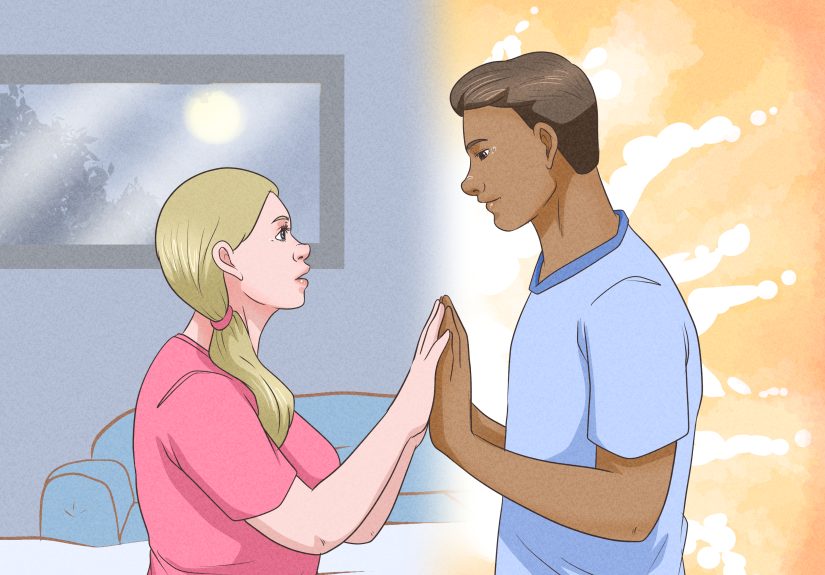
Parasocial relationships are one-sided emotional connections with media figures or personas. The audience member feels familiarity, affection, loyalty, admiration, or even grief, while the public figure does not share a real personal relationship with that individual viewer. The relationship may feel warm and meaningful, but it is not reciprocal in the way friendship, family connection, or romance is.
These bonds often begin through repeated exposure. You listen to the same podcast during your commute. You watch a creator’s videos every night. You follow a musician through albums, interviews, tours, scandals, reinventions, and suspiciously timed haircuts. Over time, your brain starts treating that person as familiar. Familiarity can become comfort. Comfort can become trust. Trust can become emotional attachment.
Common Examples of Parasocial Bonds
Parasocial relationships show up in everyday life more often than people realize. A teenager may feel deeply understood by a mental health influencer. A sports fan may speak about a quarterback as if he is a cousin who keeps disappointing the family. A reader may grieve when a fictional character dies. A viewer may feel personally betrayed when a favorite creator promotes a questionable product. A podcast listener may say, “They got me through a hard year,” even though the host never knew they were listening.
None of these experiences automatically indicate obsession. Human beings are wired for connection, storytelling, imitation, and emotional learning. Media personalities often become symbols of hope, humor, identity, ambition, beauty, strength, rebellion, or survival.
Why Parasocial Relationships Feel So Real
Parasocial relationships feel powerful because they borrow ingredients from real relationships. There is routine, emotional disclosure, shared language, inside jokes, visual familiarity, and sometimes the illusion of direct interaction. A creator who says, “I love you guys,” looks into the camera, and replies to comments can create a sense of personal closeness, even when the audience is thousands or millions of people.
Social platforms intensify this effect. Algorithms reward creators who post frequently, reveal personal details, and invite engagement. The more intimate the content feels, the more likely viewers are to watch, comment, share, subscribe, and buy. In other words, the platform is not just showing you a person. It is often packaging emotional closeness as a feature.
The Psychology Behind the Attachment
The human brain does not always make a clean emotional distinction between in-person and mediated familiarity. When someone’s face, voice, opinions, and personal stories become part of your daily environment, your mind may classify them as socially significant. That can be soothing. It can also make criticism, conflict, or distance feel surprisingly personal.
This is why fans may defend a celebrity with the energy of a courtroom attorney or feel genuine sadness when a creator disappears from the internet. The bond may be one-sided, but the emotions are real.
Benefits of Parasocial Relationships
Parasocial relationships can offer genuine benefits, especially when they add inspiration, comfort, learning, or community without replacing real-life responsibilities and relationships. The healthiest parasocial bonds tend to make people feel more capable, less alone, and more connected to the wider world.
1. Emotional Comfort and Companionship
During lonely, stressful, or transitional periods, familiar media figures can provide comfort. A person moving to a new city may rely on a favorite podcast for a sense of routine. Someone grieving may watch a beloved sitcom because the characters feel emotionally safe. A college student far from home may follow creators who speak openly about anxiety, identity, or failure.
This kind of connection does not replace real support, but it can provide a gentle emotional bridge. Sometimes a familiar voice in your headphones is not a solution, but it is enough to get you through the dishes, the bus ride, or the “what am I doing with my life?” spiral at 11:47 p.m.
2. Learning, Motivation, and Self-Improvement
Parasocial relationships can motivate positive behavior. Fitness creators can encourage movement. Financial educators can make budgeting feel less like punishment with spreadsheets. Therapists and doctors who create educational content can help people learn vocabulary for emotions, boundaries, sleep habits, or warning signs. Authors and artists can model creative discipline.
Many people begin a new hobby, apply for a job, attend therapy, cook healthier meals, or speak up for themselves because someone they admire made the first step feel possible. A healthy parasocial bond can function like a spark: not the whole fire, but enough to start one.
3. Identity Exploration
Media figures often help people explore identity. Young people especially may look to musicians, actors, streamers, athletes, or educators for examples of how to dress, speak, create, lead, recover, or belong. Seeing someone talk openly about disability, grief, cultural identity, neurodiversity, body image, or career failure can help viewers feel less unusual.
This matters because identity is not built in a vacuum. People learn who they are partly by seeing what is possible. A parasocial relationship can give someone a mirror, a map, or at least a stylishly edited mood board.
4. Community and Belonging
Parasocial relationships often create social communities among fans. People meet through concerts, book clubs, fandom forums, gaming streams, sports events, comment sections, and group chats. The original bond may be one-sided, but the fan-to-fan connections can become very real.
A person who loves a band may find lifelong friends in the fandom. A viewer of a parenting channel may join a supportive group of other parents. A fan of a sports team may build weekly rituals with friends and family. In these cases, the parasocial connection acts as a doorway to reciprocal human connection.
Risks of Parasocial Relationships
Parasocial relationships become risky when they blur boundaries, replace real-life connections, distort expectations, fuel unhealthy spending, or make someone vulnerable to manipulation. The danger is not liking a creator. The danger is losing perspective.
1. Confusing Access With Intimacy
Social media creates access, not true intimacy. Watching someone’s daily routine does not mean you know their private character. A creator may appear authentic and still be performing a curated version of life. That does not make them fake; it makes them human, professional, and possibly very good at lighting.
Problems arise when viewers assume they understand a public figure’s motives, relationships, health, politics, or personal choices. This can lead to entitlement: demanding explanations, invading privacy, attacking romantic partners, or treating normal boundaries as betrayal.
2. Emotional Dependence
A parasocial relationship can become unhealthy when someone depends on it as their main source of comfort, validation, or belonging. If a viewer feels unable to cope unless a creator posts, responds, or behaves in a certain way, the bond may be carrying too much emotional weight.
Warning signs include neglecting sleep, school, work, friendships, or self-care; feeling intense distress when away from content; constantly checking updates; or prioritizing the public figure’s life over one’s own. When a person’s mood is controlled by an influencer’s upload schedule, it may be time to close the app and drink water like a citizen of Earth.
3. Manipulation and Marketing
Influencer marketing works partly because parasocial trust feels personal. When a beloved creator recommends a product, fans may interpret it as advice from a friend rather than advertising. That emotional shortcut can be useful when the recommendation is honest and clearly disclosed. It can be harmful when sponsorships are hidden, exaggerated, or aimed at vulnerable audiences.
This risk is especially important for children and teens, who may not always recognize the difference between genuine enthusiasm and paid promotion. A creator’s “favorite product ever” may be less a life-changing discovery and more a contract with a posting deadline.
4. Unrealistic Relationship Expectations
Parasocial bonds can shape expectations about friendship, romance, beauty, success, and emotional availability. A viewer may become used to polished storytelling, constant attention, dramatic vulnerability, or perfectly edited lifestyles. Real relationships, by comparison, are slower and messier. Real friends do not come with jump cuts, ring lights, background music, or a weekly recap.
When parasocial content becomes the main model for intimacy, people may expect real-life relationships to feel instantly deep, endlessly entertaining, or conflict-free. That can lead to disappointment, comparison, and loneliness.
5. Harassment, Obsession, and Boundary Violations
At the extreme end, parasocial attachment can contribute to stalking, harassment, conspiracy thinking, or aggressive fan behavior. Some fans feel ownership over a celebrity’s career, body, romantic choices, or public statements. Others may attack critics or rival fans in the name of loyalty.
Healthy admiration respects distance. Unhealthy attachment demands control. If support begins to look like surveillance, threats, or emotional possession, it has crossed a serious line.
Parasocial Relationships and Teen Mental Health
Teens are especially vulnerable to intense parasocial bonds because adolescence is a key period for identity formation, social comparison, peer belonging, and emotional development. Social media can help young people learn, connect, and find support, but excessive or emotionally charged use can also intensify anxiety, loneliness, body dissatisfaction, distraction, and sleep problems.
The healthiest approach is not panic or total dismissal. Parents and educators should avoid saying, “That influencer is stupid,” which usually makes the influencer more powerful by accident. A better strategy is curiosity: “What do you like about this person?” “How do you feel after watching them?” “Do they make you feel confident, pressured, informed, or not enough?”
Questions Teens and Adults Can Ask
A parasocial relationship is more likely to be healthy when it inspires reflection instead of compulsion. Useful questions include: Does this content improve my mood or drain it? Am I learning something useful? Am I comparing myself harshly? Am I spending money because I need the item or because I want the creator’s approval? Do I still invest in real friendships and offline goals?
These questions are not about shame. They are about digital self-respect.
How to Build Healthier Parasocial Boundaries
Follow With Awareness
Notice how different creators make you feel. Some leave you energized, informed, and entertained. Others leave you anxious, jealous, angry, or convinced that everyone except you owns a beige couch and a perfect morning routine. Your emotional response is data.
Keep Real Relationships in First Place
Parasocial bonds should add to life, not replace it. Make time for reciprocal relationships where people know your name, notice your absence, and can tell you when you have spinach in your teeth. Real connection includes mutual care, not just content consumption.
Be Smart About Money
Before buying a product recommended by an influencer, pause. Is it sponsored? Are reviews available elsewhere? Do you need it? Can you afford it? Does the purchase solve a real problem, or are you trying to buy closeness? Your wallet deserves boundaries too.
Respect the Person Behind the Persona
Public figures deserve privacy, mistakes, growth, and ordinary human limits. They are not characters in a show controlled by audience voting. A healthy fan can enjoy someone’s work without demanding full access to their personal life.
Real-Life Experiences: What Parasocial Relationships Feel Like
Consider Maya, a 28-year-old who started listening to a comedy podcast after moving across the country for work. She did not know anyone in her new city, and the apartment was so quiet that even the refrigerator sounded judgmental. Every morning, she played the same two hosts while making coffee. Their jokes became part of her routine. Their voices made the city feel less cold. Over time, Maya joined an online fan group, then attended a live show, then met two people from the group for dinner. In her case, the parasocial relationship became a bridge to real friendship. It gave her comfort first and community later.
Now consider Daniel, a 17-year-old who followed a fitness influencer. At first, the content helped him exercise and eat better. He liked the discipline and the motivational tone. But gradually, he started comparing every meal and every mirror glance to the influencer’s body. He bought supplements he could barely afford and felt guilty whenever he missed a workout. The same relationship that began as inspiration became pressure. Daniel did not need to “cancel” the creator; he needed to rebalance the role that content played in his self-worth.
Then there is Angela, who followed a creator who spoke openly about grief. After losing her father, Angela felt that no one around her understood the strange rhythm of mourning: fine at breakfast, crying by lunch, numb by dinner. The creator’s videos helped her name what she was feeling. But Angela also noticed that watching grief content late at night sometimes kept her stuck in sadness. She made a rule: helpful videos during the day, no grief scrolling after 9 p.m., and one weekly support group with real people. That boundary turned a parasocial comfort into one part of a wider healing plan.
Finally, imagine Chris, who became deeply invested in a livestreamer. Chris watched every stream, donated money often, and felt special when the streamer read his username aloud. When the streamer took a break, Chris felt abandoned. When other fans received attention, he felt jealous. Eventually, he realized he was treating a public broadcast like a private friendship. He still enjoyed the streams, but he stopped donating impulsively, limited viewing time, and reconnected with offline hobbies. The content became entertainment again instead of emotional oxygen.
These experiences show the central truth of parasocial relationships: the same type of bond can help one person and harm another depending on context, intensity, vulnerability, and boundaries. A favorite creator can be a teacher, comfort object, role model, or doorway to community. But no creator should become the entire support system, identity source, or emotional weather forecast. The healthiest fans can say, “This person’s work matters to me,” while also remembering, “My life matters outside their content.”
Conclusion: Parasocial Relationships Are Human, But They Need Boundaries
Parasocial relationships are not a weird internet disease. They are a human response to stories, faces, voices, repetition, and emotional connection. In a media-saturated world, it is normal to feel attached to people we have never met. These relationships can offer comfort, motivation, education, identity exploration, and community. They can also create emotional dependence, unrealistic expectations, privacy violations, and vulnerability to marketing or manipulation.
The goal is not to stop caring. The goal is to care wisely. Enjoy the creator. Love the character. Cheer for the athlete. Learn from the expert. Laugh with the podcaster. Just keep your feet in your own life. The best parasocial relationships make the real world feel more livable, not less important.




 Close
Close