
Table of Contents >> Show >> Hide
- What Knee Osteoarthritis Has to Do With Food
- Best Foods to Eat for Osteoarthritis Knee Pain
- Foods to Limit or Avoid With Knee Osteoarthritis
- What About Popular Supplements?
- A Practical Knee-Friendly Eating Pattern
- Common Mistakes People Make
- Everyday Experiences With Osteoarthritis Knee Pain and Food
- Conclusion
- SEO Tags
If your knees sound like they are auditioning for a role as a bowl of breakfast cereal, welcome to the not-so-exclusive club of knee osteoarthritis. It is one of the most common causes of knee pain, stiffness, and that charming little hobble people do after getting up from the couch. While food cannot magically regrow worn cartilage or turn your knees into brand-new hinges, what you eat can influence inflammation, body weight, muscle support, and overall joint health. In plain English: your grocery cart may not cure knee osteoarthritis, but it can absolutely make life with it easier.
That is why the smartest eating plan for osteoarthritis knee pain is not a trendy “miracle arthritis diet.” It is a practical, sustainable pattern built around whole foods, better fats, enough protein, and fewer heavily processed choices. Think less “detox tea,” more “salmon, beans, berries, olive oil, and meals you can actually live with.”
Below, we will break down the foods to eat more often, the foods to keep on a shorter leash, and the reason weight loss and inflammation control often matter just as much as the latest supplement making dramatic promises on the internet.
What Knee Osteoarthritis Has to Do With Food
Knee osteoarthritis happens when the tissues in the joint break down over time. That can lead to pain, stiffness, reduced mobility, swelling, and the frustrating feeling that stairs are now your personal enemy. Food does not “treat” osteoarthritis in the same way a medication or physical therapy plan does, but it affects several big drivers of knee pain.
1. Body Weight Changes the Load on Your Knees
Your knees are weight-bearing joints, so every extra pound adds more stress during walking, climbing, and standing. That is why weight management is one of the most important diet-related strategies for knee osteoarthritis. If you are carrying extra weight, even modest weight loss can reduce pressure on the knee and improve pain and function. This is not glamorous advice, but it is effective advice.
2. Inflammation Can Turn Down the Volume on Comfort
Osteoarthritis is not exactly the same thing as an inflammatory arthritis such as rheumatoid arthritis, but inflammation still plays a role in symptoms and disease activity. Diets heavy in refined sugar, highly processed foods, and saturated fats tend to push the body toward a more inflammatory state. On the flip side, nutrient-dense foods with fiber, healthy fats, antioxidants, and omega-3s may help calm things down.
3. Muscles, Bones, and Recovery Need Nutrition Too
Strong muscles help support the knee, and bones need key nutrients such as calcium and vitamin D. If your diet is mostly convenience snacks and “whatever is left in the fridge,” your joints are not exactly getting their dream support team.
Best Foods to Eat for Osteoarthritis Knee Pain
The best diet for knee osteoarthritis is often Mediterranean-style or anti-inflammatory in spirit: lots of plants, smart fats, lean proteins, and fewer ultra-processed foods. Here are the foods worth putting on repeat.
Fatty Fish
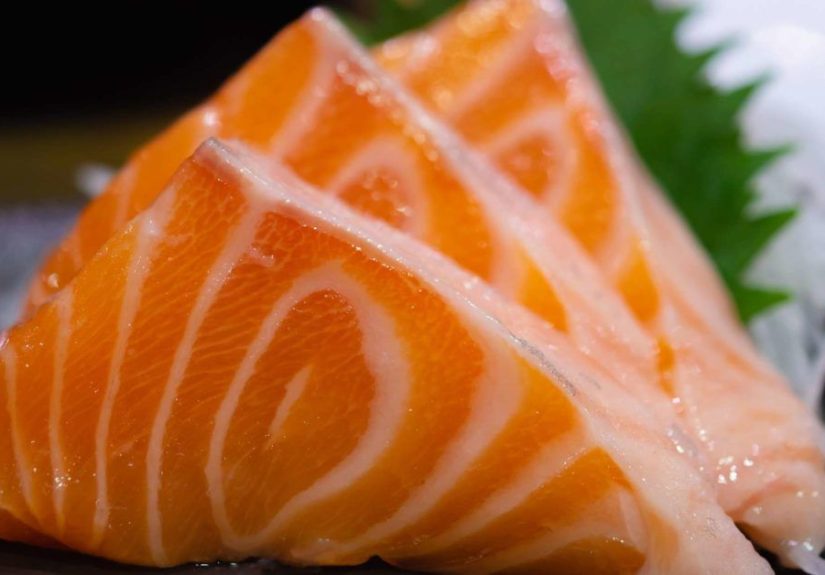
Salmon, sardines, trout, tuna, and mackerel bring omega-3 fatty acids to the table. Omega-3s are linked with anti-inflammatory effects, and they are a much better dinner guest than a basket of fries. Fatty fish can also help replace more processed or high-saturated-fat proteins that do not do your joints any favors.
Easy ways to eat more of it:
- Grilled salmon over a salad with olive oil and lemon
- Sardines on whole-grain toast with sliced tomato
- Tuna mixed with plain Greek yogurt instead of mayo-heavy dressing
Olive Oil
Extra-virgin olive oil is a staple of Mediterranean-style eating for good reason. It provides mostly unsaturated fats and can be a practical swap for butter, shortening, or heavy creamy sauces. No, you do not need to drink it like a wellness influencer. Just use it to cook vegetables, dress salads, or finish soups and grain bowls.
Leafy Greens and Cruciferous Vegetables
Spinach, kale, Swiss chard, broccoli, Brussels sprouts, bok choy, cauliflower, and cabbage are nutritional overachievers. They bring vitamins A, C, and K, antioxidants, and fiber. Some research also points to compounds in cruciferous vegetables, such as sulforaphane, as potentially helpful in the broader conversation around joint health. At the very least, these foods help you build meals that are more filling and less inflammatory than processed side dishes.
Berries and Colorful Fruit
Blueberries, strawberries, cherries, raspberries, oranges, and grapefruit are rich in antioxidants and vitamin C. That matters because oxidative stress and inflammation can be part of the osteoarthritis picture. Fruit also satisfies a sweet tooth without dragging along the same baggage as soda, pastries, and candy. Your knees may not send a thank-you card, but they will likely appreciate the trade.
Beans, Lentils, and Plant Proteins
Beans, lentils, chickpeas, soy foods, and peas are high in fiber, offer satisfying protein, and help support weight management. They can replace some red or processed meat in the diet, which is a useful move if you are trying to shift toward a more joint-friendly eating pattern.
Try these:
- Lentil soup with carrots and greens
- Black bean tacos with cabbage slaw
- Roasted chickpeas for a crunchy snack
Nuts and Seeds
Walnuts, almonds, pistachios, chia seeds, flaxseed, and pumpkin seeds bring healthy fats, fiber, minerals, and staying power. They are especially useful for people trying to avoid the blood-sugar roller coaster that comes with grabbing cookies or crackers every afternoon. Portion awareness still matters, but they are a smart upgrade from vending-machine snacks.
Whole Grains
Oats, brown rice, quinoa, barley, and whole-grain bread offer more fiber and nutrients than refined grains. Fiber can help with fullness, weight control, metabolic health, and a more balanced eating pattern overall. In the battle of brown rice versus giant buttered white rolls, your knees are probably not rooting for the rolls.
Plain Yogurt and Other Sensible Dairy Choices
Low-sugar yogurt, kefir, and calcium-rich dairy foods can help support bone health and provide protein. Greek yogurt is especially useful when appetite is uneven or chewing through a giant chicken breast sounds exhausting. Just watch the flavored varieties, which can sneak in dessert-level sugar under a “healthy snack” disguise.
Herbs, Spices, Tea, and Flavor Builders
Ginger, garlic, cinnamon, and turmeric are often discussed for their anti-inflammatory potential. They can be helpful as part of a healthy diet, especially when they make vegetables, fish, beans, and grains more appealing. Green tea is another smart swap for sugary drinks. Just keep your expectations realistic: spices can support a better eating pattern, but they are not knee replacement in a shaker jar.
Foods to Limit or Avoid With Knee Osteoarthritis
You do not need a “never again” list tattooed on your forearm. But some foods are worth eating less often because they can worsen inflammation, make weight management harder, or crowd out more nutritious options.
Ultra-Processed Foods
Packaged snack cakes, chips, instant pastries, fast-food combos, heavily processed frozen meals, and many convenience foods tend to be loaded with sodium, refined carbs, added sugars, and unhealthy fats. They are easy to overeat and not especially helpful when your knees already have enough drama.
Sugary Drinks
Soda, sweet tea, energy drinks, and sugary coffee beverages can pile on calories without helping fullness. That makes them a sneaky problem for people trying to reduce knee load through weight loss. If water feels too boring, add fruit slices, mint, or bubbles. Your beverage does not need to taste like carnival syrup to be enjoyable.
Refined Carbohydrates
White bread, many sugary cereals, pastries, donuts, and large servings of refined pasta or white rice are not forbidden, but building a diet around them is not ideal. They digest quickly, can encourage overeating, and often come bundled with butter, cheese, or sugary toppings that push meals even farther from joint-friendly territory.
Foods High in Saturated Fat
Frequent servings of bacon, sausage, hot dogs, fried fast food, heavy cream sauces, and large amounts of fatty red meat are better thought of as occasional foods than daily staples. They are often part of eating patterns associated with more inflammation and poorer heart health, and that is not a combination worth celebrating.
Excess Salt
Very salty packaged foods may not directly “cause” osteoarthritis, but they can contribute to a less healthy overall diet and may matter for people who also have high blood pressure, kidney issues, or swelling concerns. Processed soups, frozen dinners, deli meats, and snack foods are common culprits.
Too Much Alcohol
Moderation matters. Heavy drinking can complicate weight goals, worsen sleep, interfere with some medications, and pull your diet away from more useful choices. An occasional drink is different from using happy hour as a hydration plan.
What About Popular Supplements?
This is where many people hope for a shortcut. Unfortunately, the evidence is a mixed bag.
Glucosamine and Chondroitin
These are among the most popular supplements for osteoarthritis, but study results have been inconsistent. Some people swear by them. Others notice nothing except a lighter wallet. Current expert guidance in the United States is cautious, especially for knee osteoarthritis. If you want to try them, talk with your clinician first rather than assuming “natural” means automatically effective or risk-free.
Turmeric or Curcumin
Turmeric shows up in nearly every “joint pain hacks” list on the internet. Some studies suggest it may help knee pain, but the evidence is not strong enough to treat it like a guaranteed fix. Cooking with turmeric is perfectly reasonable. Depending on supplements to rescue a diet full of drive-thru meals is not.
Vitamin D and Calcium
These nutrients are more about bone health than directly curing knee osteoarthritis, but they still matter. Vitamin D helps your body absorb calcium, and both support strong bones. Adults, especially older adults, should make sure they are meeting their needs through food, safe sun exposure when appropriate, and supplements only when necessary and recommended.
A Practical Knee-Friendly Eating Pattern
If you want a simple rule, build meals around this formula:
- Half the plate: vegetables and fruit
- One quarter: lean protein such as fish, beans, tofu, chicken, or yogurt
- One quarter: whole grains or starchy vegetables
- Add: healthy fats such as olive oil, avocado, nuts, or seeds
Examples:
- Oatmeal with berries, walnuts, and plain yogurt
- Salmon, quinoa, and roasted broccoli
- Bean chili with cabbage slaw and avocado
- Greek yogurt bowl with cherries, chia seeds, and oats
- Chicken and vegetable stir-fry over brown rice
Common Mistakes People Make
Waiting for a “Perfect” Arthritis Diet
There is no magical meal plan that makes osteoarthritis disappear. Progress usually comes from consistent basics, not food folklore.
Focusing on One Superfood
Blueberries are great. Olive oil is great. Turmeric is interesting. None of them can outwork a diet that is otherwise built on soda, fries, and snack cakes.
Ignoring Protein
If knee pain makes activity harder, maintaining muscle becomes even more important. Make sure meals include enough protein from fish, dairy, beans, tofu, eggs, or lean meats.
Trying to Suffer Through Overly Restrictive Diets
If a plan makes you miserable, you will not stick with it. Sustainable changes beat heroic short-lived efforts every time.
Everyday Experiences With Osteoarthritis Knee Pain and Food
People living with knee osteoarthritis often describe the same strange little pattern: the pain is not identical every day, but their habits seem to nudge it in one direction or the other. A weekend full of takeout, salty snacks, sugary drinks, and very little movement can leave some people feeling puffier, stiffer, and more sluggish by Monday. Then, after a week of more regular meals, better hydration, and walking or stretching, the knees do not suddenly become twenty years younger, but they often feel less cranky.
Breakfast is a common turning point. Many people notice that starting the day with pastries or skipping breakfast altogether sets them up for a hunger emergency later. By lunchtime they are starving, which makes the burger-fries-soda combo feel like destiny instead of a choice. On the other hand, a breakfast with protein and fiber, like oatmeal with berries and nuts or eggs with whole-grain toast, tends to keep energy steadier and makes better decisions easier all day long.
Another common experience is discovering that “healthy” does not have to mean joyless. People often expect a joint-friendly diet to taste like sadness in a bowl, but many are surprised by how satisfying it can be once flavor is handled properly. Roasted vegetables with olive oil, garlic, and lemon are not punishment food. Chili with beans and spices is not punishment food. Salmon with herbs and a crunchy salad is definitely not punishment food. Once meals become genuinely enjoyable, the diet stops feeling like a medical sentence.
Weight loss, when needed, can also change the daily experience in very practical ways. People often report that they first notice improvements in ordinary moments: getting out of a car, standing from the toilet, walking through a grocery store, or going downstairs without bracing like they are rappelling down a cliff. The pain may still be there, but the volume is lower. That matters. A lot.
There is also the emotional side. Living with knee pain can be exhausting, and it is easy to fall into an all-or-nothing mindset. Some people eat well for three days, have pizza on Friday, and then decide the whole effort is ruined. In reality, people who do best usually take a more relaxed approach. They aim for better choices most of the time, not perfection all of the time. They learn which foods make them feel energized and which ones leave them swollen, sleepy, or ravenous an hour later.
Many people also discover that food works best when it teams up with other habits. The best meals in the world cannot fully compensate for never moving, sleeping poorly, or ignoring a physical therapy plan. But when healthier eating joins forces with walking, strengthening, better sleep, and consistent routines, the difference can be surprisingly meaningful. It is less about chasing a miracle and more about stacking small wins until daily life gets easier.
Perhaps the most encouraging real-world lesson is this: people often feel better before they feel perfect. You do not need to wait for dramatic transformation to benefit. Less afternoon fatigue, fewer junk-food crashes, looser mornings, and easier movement around the house are all real victories. With knee osteoarthritis, that kind of progress is not small at all. It is life getting more manageable, one meal and one step at a time.
Conclusion
When it comes to osteoarthritis knee pain, the best foods are not exotic or mysterious. They are the same foods that tend to support overall health: fish, vegetables, fruit, beans, nuts, whole grains, olive oil, and balanced meals that help with weight management. The foods to limit are the usual suspects too: sugary drinks, ultra-processed snacks, refined carbs, and meals overloaded with saturated fat and sodium.
That may sound almost annoyingly sensible, but sensible works. No single food will rescue an unhappy knee. Yet a steady, anti-inflammatory, weight-conscious eating pattern can make your body easier to live in, and that is a pretty good return on a grocery bill.






 Close
Close