
Table of Contents >> Show >> Hide
- What Are Off-Balance Core Moves?
- Why Your Core Needs More Than Crunches
- The Benefits of Off-Balance Core Moves
- Best Off-Balance Core Moves to Try
- A Beginner-Friendly Off-Balance Core Workout
- How to Make Off-Balance Core Moves Easier or Harder
- Common Mistakes to Avoid
- Who Should Use Caution?
- Off-Balance Core Training for Different Goals
- A Practical Weekly Plan
- Experience Section: What It Feels Like to Train Off-Balance Core Moves
- Conclusion: A Smarter Way to Build a Strong Core
- SEO Tags
Most people think “core workout” means lying on the floor, counting crunches, and wondering why their neck is doing more labor than their abs. But your core was not designed only to fold you in half like a beach chair. It was built to stabilize, rotate, resist movement, transfer power, and keep you upright when life throws you a surprise curb, a slippery kitchen tile, or a very enthusiastic dog on a leash.
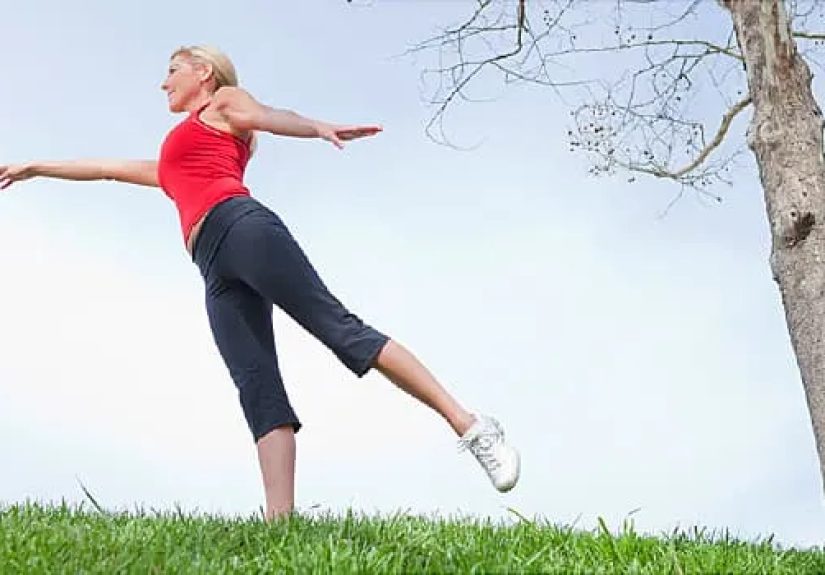
That is where off-balance core moves come in. These exercises challenge your body to stay controlled while your center of gravity shifts. Instead of training your abs in one predictable direction, you teach your entire trunkabs, obliques, back muscles, hips, glutes, and deep stabilizersto work together like a well-rehearsed band. Nobody gets to play a solo for too long. Even your feet and shoulders join the concert.
Off-balance training is not about wobbling wildly on expensive equipment or trying to look like a fitness influencer auditioning for a circus. Done correctly, it is smart, functional, and surprisingly humbling. A basic bird dog, single-leg deadlift, side plank, or suitcase carry can make your core work harder than a hundred rushed sit-ups. The goal is not chaos. The goal is controlled instability.
What Are Off-Balance Core Moves?
Off-balance core moves are exercises that challenge your stability by changing your base of support, shifting weight to one side, adding movement, or asking your body to resist rotation. Think of standing on one leg, holding a weight on only one side, reaching one arm forward while the opposite leg extends backward, or keeping your torso steady while a resistance band tries to twist you sideways.
Traditional core exercises often happen on the floor with both feet planted or your body fully supported. Off-balance core exercises reduce that support. Your brain, muscles, and joints must communicate quickly to keep you steady. That communication is part of what makes this style of training so valuable for sports, daily movement, posture, coordination, and injury prevention.
Examples of Off-Balance Core Training
Common examples include bird dogs, dead bugs, plank shoulder taps, side planks, single-leg Romanian deadlifts, half-kneeling presses, Pallof presses, suitcase carries, stability ball rollouts, and standing cable chops. Some moves use no equipment. Others use dumbbells, kettlebells, resistance bands, a stability ball, or a balance pad. The best tool, however, is control. Without control, the fanciest equipment simply becomes furniture with ambition.
Why Your Core Needs More Than Crunches
The core includes more than the “six-pack” muscles. It involves the rectus abdominis, transverse abdominis, internal and external obliques, multifidus, erector spinae, diaphragm, pelvic floor, hip muscles, and glutes. These muscles help connect your upper and lower body. When you walk, lift groceries, climb stairs, swing a racket, carry a child, or turn to grab something from the back seat, your core is part of the action.
Crunches mainly train spinal flexion, which means bending the trunk forward. That can be useful in moderation, but real life asks your core to do much more. Often, the most important job of the core is to resist unwanted movement. It keeps your spine from collapsing, twisting too far, arching excessively, or shifting under load. Off-balance core moves train that skill directly.
Imagine carrying one heavy suitcase through an airport. Your body wants to lean toward the bag. A strong functional core helps you stay tall. That is anti-lateral flexion. Now imagine pushing open a heavy door with one hand. Your torso wants to rotate. Your core resists. That is anti-rotation. These are not fancy textbook ideas; they are Monday morning survival skills.
The Benefits of Off-Balance Core Moves
1. Better Balance and Body Awareness
Off-balance exercises train proprioception, which is your body’s ability to sense where it is in space. Better proprioception helps you react faster when you trip, step onto uneven ground, or shift direction during a workout. It is like upgrading your body’s internal GPS from “recalculating” to “already on it.”
2. Stronger Deep Core Muscles
Many off-balance exercises recruit deep stabilizing muscles that do not always get enough attention during basic ab routines. The transverse abdominis, multifidus, and pelvic stabilizers help support the spine and pelvis. When these muscles work well, movement often feels smoother and more controlled.
3. More Functional Strength
Functional strength means strength you can actually use. A strong core should help you squat, hinge, reach, rotate, walk, run, and lift with better mechanics. Off-balance core moves train the body as a connected system instead of a collection of isolated parts. That is exactly how movement happens outside the gym.
4. Improved Posture and Alignment
Good posture is not about standing stiffly like a statue guarding a museum. It is about having enough strength and awareness to maintain alignment while moving. Off-balance exercises encourage your ribs, pelvis, spine, shoulders, and hips to coordinate. Over time, this can make upright posture feel less forced.
5. Better Athletic Performance
Runners, golfers, tennis players, basketball players, swimmers, and weekend warriors all rely on core stability. Power often begins in the lower body, travels through the trunk, and finishes in the arms or legs. If the core leaks energy, performance suffers. Off-balance training helps the body transfer force more efficiently.
6. A More Interesting Workout
Let us be honest: doing the same three ab moves forever is a fast road to boredom. Off-balance core training adds variety. It makes simple movements feel new again. A plank becomes more exciting when you lift one foot. A press becomes more challenging when you perform it from a half-kneeling position. Your workout gets smarter without needing to become longer.
Best Off-Balance Core Moves to Try
Start with exercises that allow you to maintain excellent form. You should feel challenged, not terrified. If your body is shaking slightly but your posture stays clean, you are probably in the right zone. If you look like a shopping cart with one bad wheel, make the move easier.
1. Bird Dog
Begin on your hands and knees. Brace your core gently, then extend your right arm forward and left leg backward. Keep your hips level and your lower back neutral. Pause for two seconds, then return to the starting position. Repeat on the other side.
Why it works: The bird dog trains balance, spinal stability, coordination, and anti-rotation. It is beginner-friendly but still valuable for advanced exercisers when performed slowly and with precision.
2. Dead Bug
Lie on your back with your arms reaching toward the ceiling and knees bent at 90 degrees. Brace your core so your lower back stays gently connected to the floor. Slowly lower one arm and the opposite leg, then return to center and switch sides.
Why it works: The dead bug teaches your core to stay stable while your limbs move. It is excellent for building control without putting heavy load on the spine.
3. Side Plank With Reach
Lie on one side with your elbow under your shoulder. Lift your hips so your body forms a straight line. Reach your top arm toward the ceiling, then slowly thread it under your torso without collapsing your hips. Return to the starting position.
Why it works: This move targets the obliques, shoulders, hips, and lateral stabilizers. It also adds controlled rotation, which makes the exercise more dynamic.
4. Plank Shoulder Taps
Start in a high plank with your hands under your shoulders and feet slightly wider than hip-width. Without rocking your hips, lift one hand and tap the opposite shoulder. Alternate sides slowly.
Why it works: Removing one hand from the floor forces your core to resist rotation. The wider your feet, the easier the move. The narrower your feet, the spicier it gets.
5. Single-Leg Romanian Deadlift
Stand on one leg with a slight bend in the knee. Hinge at your hips as the opposite leg extends behind you. Keep your back flat and hips square. Return to standing by squeezing your glute and driving through the standing foot.
Why it works: This exercise trains balance, hamstrings, glutes, hip stability, and core control. It is especially useful because it mirrors real-life single-leg demands such as walking, running, and climbing stairs.
6. Suitcase Carry
Hold a dumbbell or kettlebell in one hand at your side. Stand tall, brace your core, and walk slowly without leaning toward the weight. Switch sides after the set distance or time.
Why it works: The suitcase carry is one of the simplest and most practical anti-leaning core exercises. It builds grip strength, posture, and trunk stability in one beautifully no-nonsense package.
7. Pallof Press
Attach a resistance band to a sturdy anchor at chest height. Stand sideways to the anchor and hold the band at your chest. Step away until there is tension. Press your hands straight forward, resist the band’s pull, pause, and return.
Why it works: The Pallof press trains anti-rotation. Your body wants to twist toward the band, but your core says, “Not today.”
8. Stability Ball Stir-the-Pot
Place your forearms on a stability ball and step into a plank position. Keeping your body straight, make small circles with your forearms. Reverse direction after several reps.
Why it works: This move adds instability to a plank and challenges the shoulders, abs, and deep stabilizers. Keep the circles small at first. This is not the time to draw a giant pizza in the air.
A Beginner-Friendly Off-Balance Core Workout
Use this routine two or three times per week. Rest as needed and focus on quality over speed. If you are new to exercise, returning after injury, pregnant, or managing a medical condition, check with a qualified healthcare or fitness professional before starting.
Warm-Up: 5 Minutes
- March in place for 60 seconds
- Cat-cow stretch for 8 slow reps
- Hip circles for 30 seconds each direction
- Bodyweight good mornings for 10 reps
- Wall or counter plank for 30 seconds
Main Circuit: 2 to 3 Rounds
- Bird dog: 8 reps per side
- Dead bug: 8 reps per side
- Side plank: 15 to 30 seconds per side
- Plank shoulder taps: 10 taps per side
- Single-leg Romanian deadlift: 6 to 8 reps per side
- Suitcase carry: 30 to 45 seconds per side
Cool Down: 3 to 5 Minutes
- Child’s pose breathing
- Hip flexor stretch
- Figure-four stretch
- Gentle spinal rotation
How to Make Off-Balance Core Moves Easier or Harder
The secret to progress is choosing the right level of challenge. Instability should wake up your core, not turn your workout into a survival documentary.
Make It Easier
- Widen your stance during standing exercises.
- Use a wall, chair, or counter for light support.
- Reduce range of motion.
- Move more slowly.
- Use body weight before adding resistance.
- Perform planks from your knees or on an elevated surface.
Make It Harder
- Narrow your stance.
- Add a pause at the hardest point.
- Use a resistance band or dumbbell.
- Increase time under tension.
- Perform unilateral exercises, using one arm or one leg.
- Add controlled rotation or reach patterns.
Common Mistakes to Avoid
Mistake 1: Chasing Wobble Instead of Control
Wobbling is not automatically better. The purpose of off-balance training is to improve stability, not to create maximum chaos. If you cannot control the movement, reduce the difficulty.
Mistake 2: Holding Your Breath
Many people brace their core by holding their breath. That can create unnecessary tension. Instead, breathe steadily while keeping your trunk firm. Think “tight enough to stay stable, relaxed enough to move.”
Mistake 3: Letting the Lower Back Take Over
If your lower back arches or pinches during dead bugs, planks, or stability ball moves, reset. Shorten the range of motion and focus on rib and pelvis position.
Mistake 4: Going Too Fast
Speed can hide poor form. Slow reps reveal whether your core is actually controlling the movement. Off-balance exercises often work best when performed with patience.
Mistake 5: Ignoring the Feet and Hips
Your core does not work alone. Foot pressure, ankle stability, hip strength, and glute activation all affect balance. During standing moves, keep your foot tripod connected: big toe, little toe, and heel.
Who Should Use Caution?
Off-balance core moves can be adapted for many fitness levels, but some people should be extra careful. If you have frequent dizziness, recent surgery, severe back pain, a history of falls, uncontrolled blood pressure, neurological symptoms, or joint instability, get professional guidance before trying challenging balance exercises. Safety is not boring. Safety is what lets you train again tomorrow.
Beginners should start near a wall or sturdy chair. Older adults may benefit from supported balance drills before progressing to single-leg or loaded movements. Athletes can usually handle more advanced variations, but even advanced exercisers should earn progression through clean technique.
Off-Balance Core Training for Different Goals
For Better Posture
Choose dead bugs, side planks, suitcase carries, and Pallof presses. These teach the ribs, pelvis, and spine to stay organized while the arms and legs move.
For Runners
Use bird dogs, single-leg Romanian deadlifts, side planks, and marching carries. Running is basically a long series of single-leg balances, so core and hip stability matter.
For Strength Training
Add suitcase carries, front-rack carries, half-kneeling presses, and single-arm rows. These exercises strengthen the trunk while supporting bigger lifts like squats, deadlifts, and presses.
For Home Workouts
Use bodyweight moves such as bird dogs, dead bugs, plank shoulder taps, side planks, bear holds, and single-leg sit-to-stands. You do not need a gym membership to train your core intelligently.
A Practical Weekly Plan
Here is a simple way to add off-balance core work without rebuilding your entire fitness routine from scratch:
- Monday: Strength workout plus suitcase carries and dead bugs
- Wednesday: Cardio plus bird dogs and side planks
- Friday: Strength workout plus Pallof presses and single-leg Romanian deadlifts
- Weekend: Yoga, Pilates, tai chi, hiking, or a balance-focused mobility session
You can also use off-balance core moves as a warm-up before sports or lifting. Two rounds of bird dogs, dead bugs, and Pallof presses can help your body feel more connected before the main workout.
Experience Section: What It Feels Like to Train Off-Balance Core Moves
The first time many people try off-balance core exercises, they expect fireworks. Instead, they get a quiet little reality check. A bird dog looks easy until the hips start tilting like a table at a questionable diner. A single-leg deadlift seems simple until the standing foot begins negotiating with gravity. A suitcase carry feels almost too basicuntil you realize your body has been leaning like a tired streetlamp for the last ten steps.
That is the magic of this style of training. It reveals what traditional exercises can hide. You may be strong in a straight line but less steady when weight shifts to one side. You may be able to plank for a full minute but struggle to tap one shoulder without rocking. You may lift heavy weights but notice that your balance disappears when you slow the movement down. Off-balance training does not insult your fitness; it gives you useful feedback.
After a few weeks, the changes are often subtle but meaningful. You may notice that walking upstairs feels smoother. Carrying groceries may feel less awkward. Your posture during long computer sessions may improve because your trunk has better endurance. During workouts, your squats may feel more centered, your lunges less wobbly, and your planks less like a negotiation with your life choices.
One of the best experiences is learning to slow down. Many workouts reward speed, sweat, and big numbers. Off-balance core training rewards attention. You start noticing where your weight sits on your foot, whether your ribs flare, whether your hips rotate, and whether your breath disappears when the exercise gets hard. That awareness carries into other activities. You become less of a passenger in your own movement and more of a driver.
Another benefit is confidence. Balance is deeply connected to confidence because feeling steady changes how you move through the world. When your core, hips, and feet communicate better, you trust your body more. You step over obstacles with less hesitation. You recover faster from small stumbles. You move with less stiffness because your body is not constantly bracing for disaster.
Off-balance core moves also make workouts feel fresh. You do not need to chase extreme exercises to stay engaged. A simple plank becomes new when you add shoulder taps. A carry becomes more challenging when the weight is on one side. A lunge becomes more athletic when you add a slow reach. These small changes keep training interesting without turning it reckless.
The key experience is this: off-balance core training teaches you that strength is not only about how much you can lift or how long you can hold. It is also about how well you can control your body when conditions change. And since real life rarely happens on a perfectly flat gym mat with dramatic lighting, that kind of strength is worth building.
Conclusion: A Smarter Way to Build a Strong Core
Off-balance core moves offer a fresh, functional, and highly effective way to train. They challenge your stability, improve coordination, strengthen deep core muscles, and make everyday movement feel more controlled. Instead of treating the core like a six-pack project, this approach trains it as the command center of your body.
You do not need to start with advanced equipment or complicated drills. Begin with bird dogs, dead bugs, side planks, shoulder taps, single-leg hinges, and suitcase carries. Move slowly. Breathe well. Keep your form clean. When your body earns the next level, progress gradually.
The best core workouts do more than burn. They help you stand taller, move better, lift smarter, and react faster. Off-balance core training does all of that with a little wobble, a lot of control, and just enough humility to keep things interesting.






 Close
Close