
Table of Contents >> Show >> Hide
- Where on Earth Is Nepal and Why Is Everyone So Obsessed?
- Top Places in Nepal That Live Rent-Free in Travelers’ Memories
- A Culture That Feels Like a Warm Hug
- The Food: Come for Everest, Stay for Dal Bhat and Momos
- Experiences in Nepal That Go Way Beyond Trekking
- Practical Reasons Nepal Earns a Spot on Your Lifetime List
- How to Plan Your First Trip to Nepal
- Bonus: What It Actually Feels Like to Visit Nepal (Story Time)
If you’ve ever stared at your passport thinking, “I should probably use this for something more exciting than airport security selfies,” let me introduce you to Nepal. This tiny Himalayan nation has a way of sneaking into your heart, rearranging your priorities, and making every other vacation feel just a little basic.
We’re talking snowcapped giants like Mount Everest, jungle safaris where rhinos casually wander past your jeep, ancient temples that smell like incense and history, and food so comforting you’ll consider legally changing your name to “Dal Bhat.” Nepal isn’t just a place you visit once. It’s a place you remember every time you look at another mountain, another city, or another plate of food and think, “Nice try, but you’re not Nepal.”
So grab your metaphorical trekking poles, dear Panda, and let’s explore why Nepal absolutely deserves a coveted spot on your “once in a lifetime” travel list.
Where on Earth Is Nepal and Why Is Everyone So Obsessed?
Nepal sits snugly between India and China, but don’t let its small size fool you. It’s home to eight of the world’s 14 highest peaks, including the superstar of geography quizzes, Mount Everest. Within a day’s travel, you can go from bustling capital city streets filled with prayer flags and scooters to subtropical jungles where elephants and rare birds share the same zip code as you.
What hooks travelers isn’t just the scenery, though. It’s the feeling. Nepal manages to be both humbling and welcoming. Massive peaks make you realize how tiny you are, while locals greet you with a “Namaste” that somehow says, “You belong here.”
A Landscape Built for Bucket Lists
If your dream board features words like “epic,” “remote,” and “wow, is that even real,” Nepal is basically your spiritual home. Trekking routes crisscross the country: Everest Base Camp for bragging rights, the Annapurna region for variety and sweeping vistas, and lesser-known gems like Langtang or Mustang for quieter trails and drama-level landscapes.
The beauty of Nepal’s geography is the range: high-altitude glaciers, emerald rice terraces, river valleys, and dense forests. You don’t have to be a mountaineer to enjoy it, either. Scenic day hikes, gentle village walks, and lakeside strolls in places like Pokhara keep things friendly for non-athletes and casual walkers whose main workout is carrying shopping bags.
Top Places in Nepal That Live Rent-Free in Travelers’ Memories
Kathmandu Valley: Temples, Stupas, and Controlled Chaos
Kathmandu is where most travelers first meet Nepal, and it does not believe in subtle introductions. It’s loud, lively, and layered with history. The Kathmandu Valley includes the cities of Kathmandu, Patan (Lalitpur), and Bhaktapur, each packed with temples, courtyards, and UNESCO World Heritage Sites.
- Thamel: The backpacker hub where you can buy everything from yak wool scarves to knockoff trekking gear and drink masala tea while planning your “totally chill” Everest trek.
- Boudhanath Stupa: A massive, whitewashed stupa circled by prayer wheels, monasteries, and rooftop cafés. Walk clockwise with locals spinning prayer wheels and soaking in the scent of butter lamps.
- Pashupatinath Temple: One of the most important Hindu temples dedicated to Shiva, perched along the Bagmati River. It’s spiritual, raw, and deeply meaningfulbest visited with a guide who can explain the rituals.
- Durbar Squares: The historic royal squares in Kathmandu, Patan, and Bhaktapur bristle with palaces, pagoda-style temples, and intricate wood carvings that prove medieval architects were serious overachievers.
Pokhara: Where the Mountains Crash Your Lake Vacation
Pokhara feels like someone asked, “What if we made a resort town but added snowcapped peaks right behind it?” Lakeside cafés, paragliders gliding off hills, and the mirror-like surface of Phewa Lake create a laid-back atmosphere perfect for recovering from jet lag or trekking sore legs.
At dawn, head to Sarangkot or other viewpoints to watch the Annapurna range glow pink and gold. It’s the kind of sunrise that forces you to whisper “wow,” even if you’re not usually the sunrise type. On the lake, you can paddle a colorful wooden boat past a tiny island temple and pretend you live in a minimalist Himalayan postcard.
Chitwan National Park: Jungle Book, But With Better Wi-Fi
When your legs need a break from mountain trails, Chitwan National Park sweeps in with elephant grass, wetlands, and sal forests. This UNESCO-listed reserve is famous for wildlife: greater one-horned rhinos, crocodiles, exotic birds, and, with luck and responsible guiding, Bengal tigers.
You can explore by jeep safari, canoe ride, or guided walks along the river. Even if you don’t spot a tiger, just gliding past sunbathing crocodiles in a dugout canoe is enough to make your group chat jealous.
Lumbini and Beyond: Spiritual Detours
Lumbini, the birthplace of Siddhartha Gautama (the Buddha), is a serene change of pace: monasteries built by different Buddhist countries, peaceful gardens, and pilgrims quietly circling sacred spots. Further afield, there are overlooked villages, hill towns, and off-the-beaten-path regions where you’ll meet far fewer tourists and far more curious kids waving at you from doorways.
A Culture That Feels Like a Warm Hug
Nepal isn’t just picturesque; it’s deeply cultural. Dozens of ethnic groups coexist here, each with its own language, traditions, and festivals. You’ll notice it in the music, the architecture, the clothing, and especially the hospitality.
Festivals Almost All Year Long
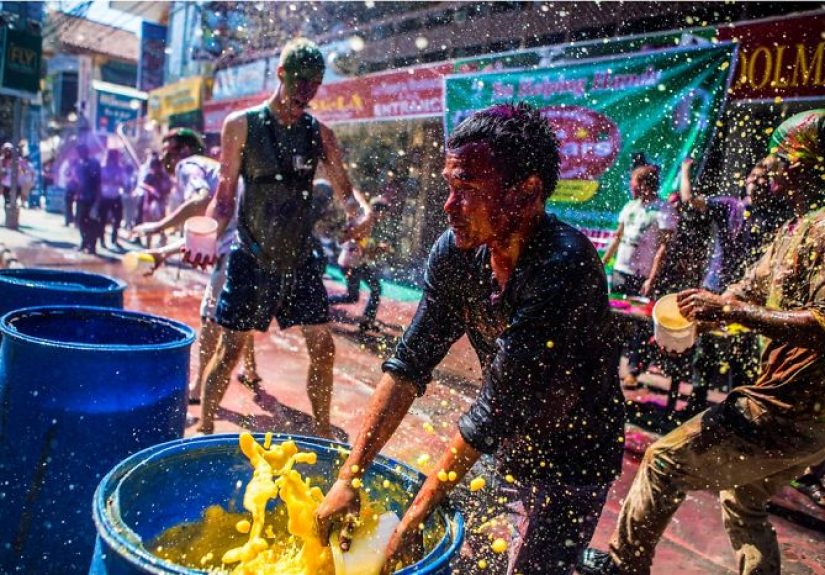
If you time your trip right, you’ll stumble into a festivalbecause in Nepal, “right” is almost any time. Major celebrations like Dashain, Tihar, and Holi turn streets into live theaters of color, lights, and rituals.
- Dashain: A multi-day festival celebrating the victory of good over evil. Expect swings made of bamboo, family gatherings, and tika blessings on foreheads.
- Tihar: Sometimes called the “festival of lights,” it honors humans, gods, and even animals like dogs and cows. Imagine Diwali with extra cuteness thanks to flower-garlanded pups.
- Holi: The festival of colors. Wear clothes you don’t mind ruining; you will absolutely get color-bombed by gleeful strangers.
These festivals aren’t staged for touriststhey’re real, family-centered celebrations. If you stay in a homestay, you might find yourself helping prepare sweets or string marigold garlands, suddenly part of the celebration instead of just a spectator.
Homestays: When Your “Hotel” Is a Family
One of the most memorable ways to experience Nepal is through community-based homestays. Instead of staying in generic hotels, you share a home with a local familyoften in villages where tourism supports education and small businesses.
Homestays usually mean home-cooked meals, conversations about daily life, and a front-row seat to local traditions. You might join a village hike, learn how to grind spices, or watch your host family prepare festival offerings. It’s a powerful reminder that meaningful travel isn’t just about what you see, but who you meet.
The Food: Come for Everest, Stay for Dal Bhat and Momos
Let’s be honest: a place can have amazing mountains and temples, but if the food is bland, the trip loses points. Thankfully, Nepal understood the assignment.
- Dal Bhat: The unofficial national disha set meal of rice, lentil soup, vegetables, pickles, and sometimes meat curry. It’s endlessly customizable, endlessly comforting, and famously associated with the joking phrase “Dal Bhat power, 24 hour.”
- Momo: Steamed or fried dumplings filled with veggies, chicken, or buffalo meat. Often served with a tangy, spicy dipping sauce, momos are the snack you’ll accidentally eat 30 of.
- Sel Roti: A ring-shaped, lightly sweet rice bread that tastes like a doughnut and a crispy pancake had a festive baby. Common during festivals and perfect with tea.
- Thukpa and Other Soups: Noodle soups and hearty broths warm you up after chilly mountain days. Depending on where you are, you’ll find versions with vegetables, yak, or chicken.
In cities like Kathmandu and Pokhara, you’ll also find bakeries, vegan cafés, coffee shops, and international restaurants, so even picky eaters or plant-based travelers can surviveand thrivehere.
Experiences in Nepal That Go Way Beyond Trekking
Yes, trekking is iconic. But Nepal has quietly become a playground for all kinds of experiential travel.
- Cooking Classes: Learn how to fold momos like a pro or master the art of a perfectly balanced dal bhat.
- Art and Handicrafts: Try pottery in Bhaktapur, learn traditional weaving with women’s cooperatives, or visit workshops where artisans create mandalas and metalwork.
- Wellness and Retreats: Yoga and meditation retreats pop up in the hills around Kathmandu and lakes near Pokhara, offering quiet spaces to stare at mountains and rethink your to-do list.
- Adventure Sports: White-water rafting, canyoning, paragliding, mountain bikingif it gets your adrenaline pumping, you can probably do it here against a ridiculous backdrop.
The beauty of these experiences is that many are run by local guides and community groups, so your money can directly support people who live there, not just big companies.
Practical Reasons Nepal Earns a Spot on Your Lifetime List
1. It’s Surprisingly Affordable
Compared with many bucket-list destinations, Nepal is budget-friendly. Once you’re there, daily costsfood, accommodation, transportationcan be very reasonable, especially if you lean into local guesthouses and homestays.
2. You Can Build Any Style of Trip
High-end boutique hotels? Check. Simple teahouses with family-owned kitchens? Also check. You can design a luxury escape, a scrappy backpacking adventure, or something in between.
3. It’s Intense but Manageable
The altitude, winding roads, and cultural differences make Nepal feel adventurous, but well-trodden routes, experienced guides, and a huge tourism community mean you’re not exactly bushwhacking into the unknown. First-time international travelers can feel safe, and seasoned travelers still feel challenged.
4. It’s a “Lifetime Experience” That Actually Deserves the Hype
Plenty of places claim to be once-in-a-lifetime. Nepal quietly backs it up with peaks, prayers, people, and plates of food that stick with you long after you’ve flown home. It’s the rare destination that transforms postcards into personal memories.
How to Plan Your First Trip to Nepal
Best Time to Visit
The most popular seasons are autumn (roughly October–November) and spring (March–April). Autumn brings crisp skies and great mountain views; spring adds rhododendron blooms and milder temperatures. Winter can be chilly, especially at altitude, but quieter and atmospheric. Summer (monsoon season) is lush but rainy, with clouds often hiding the high peaks.
A Simple “First-Timer” Itinerary Idea
If you’ve got around 10–14 days, consider something like this:
- Kathmandu: 2–3 days exploring temples, markets, and Durbar Squares.
- Pokhara: 3–4 days for lake time, short treks, sunrise viewpoints, and adventure sports.
- Short Trek or Village Stay: 2–4 days on an easy trail or a homestay-based experience.
- Chitwan or Another National Park: 2–3 days for wildlife safaris and river time.
This mix gives you culture, nature, food, and a dash of adrenaline without requiring elite fitness or a four-week vacation request.
Tips for Being a Thoughtful Visitor
- Dress modestly at religious sites and ask before taking photos, especially of people or ceremonies.
- Use refillable water bottles and avoid littering on trekking routesmountains deserve respect.
- Hire local guides and porters whenever possible. Your trip can directly support livelihoods.
- Take it slow at altitude. Headaches are not a personality trait; they’re a warning sign.
Traveling thoughtfully in Nepal doesn’t just protect fragile environments and culturesit also makes your experience richer and more meaningful.
Bonus: What It Actually Feels Like to Visit Nepal (Story Time)
Imagine this: You wake up in Kathmandu to the sound of roosters, motorbikes, and a distant temple bell that somehow all sync into a chaotic symphony. Outside your guesthouse window, morning light hits strings of faded prayer flags. Someone is already boiling milk tea in the courtyard, and the smell of cardamom drifts upstairs like a friendly invitation.
Your day starts with a walk through narrow lanes where shops are just waking up. Metal shutters slam open, revealing stacks of vegetables, hand-carved masks, and trekking poles in neon colors. A street dog naps next to a shrine. An elderly woman flicks a bit of red powder onto a tiny stone god and moves on without breaking stride. You feel like you’ve wandered onto the set of a movie where there are no extraseveryone here has their own full, complicated life, and you’re just passing through.
Later, you find yourself on a rooftop café near Boudhanath Stupa. Monks in maroon robes circle the stupa, spinning prayer wheels as pigeons scatter and resettle like a living cloud. You sip your coffee, wondering how you’re supposed to go back to a regular office where the most spiritual moment of the day is the vending machine finally accepting your crumpled dollar bill.
Fast-forward a few days and you’re in Pokhara. You woke up unreasonably early to watch the sunrise from a hilltop. At first, it’s just dim gray shapes. Then the sky blushes, and suddenly the mountainsAnnapurna, Machapuchare, and their friendslight up in gold. The whole group falls silent. Even the chatty person who’s been narrating their step count the entire trip shuts up for a minute. You’re not thinking about emails, deadlines, or that one embarrassing thing you said three years ago. It’s just you, the mountains, and the cold air in your lungs.
In the afternoon, you learn to fold momos in a local kitchen. Someone’s auntie laughs gently at your clumsy attempts, then shows you how to pinch the dough properly. You’re surrounded by people switching between Nepali, English, and ten other languages of gesture and smiles. When the momos finally steam, everyone eats in peaceful silence, the universal language of “these are really good.”
A few days later, you’re floating down a quiet river at the edge of Chitwan National Park. The canoe is carved from a single tree. The guide points to a rhino grazing in the distance like it’s no big deal. Birds call from the trees; the water barely ripples. You realize your phone has been in airplane mode all day and somehow the world hasn’t ended.
On your last night in Nepal, your homestay family lights a small oil lamp outside their door. Someone hands you a cup of sweet, milky tea. Kids giggle nearby; the sky fills with stars. You say “dhanyabad” (thank you) with your best attempt at the right pronunciation. Your host smiles, nods, and replies with a warmth that says, “Come back anytime.”
That’s the secret of Nepal. It’s not just incredible views, wild adventures, or bucket-list templesthough it has all of those in absurd quantities. It’s the way the country quietly rearranges your sense of what matters: slower mornings, deeper conversations, and the realization that being small in a big world can actually feel pretty wonderful.
When you finally board your flight home, you know you’ll talk about Nepal as “that once-in-a-lifetime trip.” But deep down, you’re already planning how to make it a twice-in-a-lifetime trip, at least.
So yes: if there’s one country you should seriously consider visiting in your lifetime, make it Nepal. Just don’t blame us when every other vacation afterward feels like a warm-up act.





 Close
Close