
Table of Contents >> Show >> Hide
- What Makes a Tea High in Antioxidants?
- 1. Matcha: The Whole-Leaf Antioxidant Powerhouse
- 2. Hibiscus Tea: The Ruby-Red Anthocyanin Star
- 3. Oolong Tea: The Balanced Beauty Between Green and Black
- 4. White Tea: The Gentle Tea With Serious Polyphenols
- 5. Rooibos: The Caffeine-Free Antioxidant Comfort Cup
- Green Tea Is Still GreatJust Not the Only Great Tea
- How to Brew Tea for More Antioxidants
- Which Antioxidant Tea Should You Choose?
- Experience-Based Tips: What It Is Actually Like to Drink These Teas Daily
- Conclusion
Green tea has enjoyed a long, well-deserved run as the unofficial mascot of “I am making healthier choices today.” It is fresh, grassy, light, and packed with catechinsespecially EGCG, the antioxidant compound that launched a thousand wellness articles. But here is the delicious plot twist: green tea is not the only antioxidant-rich tea in the cupboard. In some cases, other teas and herbal infusions may offer even more antioxidant power per cup, depending on how they are grown, processed, brewed, and measured.
Before we lovingly nudge green tea off the throne, let’s be clear: green tea is still a fantastic choice. The real point is not to cancel green tea like a bad streaming subscription. It is to expand your tea lineup. Different teas contain different plant compoundscatechins, theaflavins, anthocyanins, flavonols, phenolic acids, aspalathin, and more. Think of antioxidants like a team of tiny bodyguards. Green tea has some excellent ones, but it does not have the entire security department.
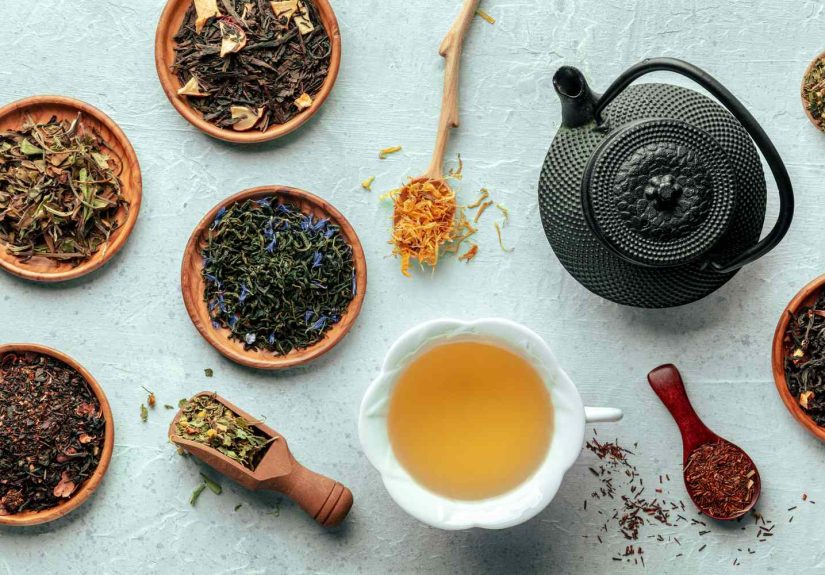
So, if your mug is ready for a little adventure, these five teas deserve a prime spot in your pantry. They are flavorful, practical, and loaded with antioxidant compounds that may help support overall wellness when enjoyed as part of a balanced diet.
What Makes a Tea High in Antioxidants?
Antioxidants are natural compounds that help neutralize free radicals, unstable molecules that can contribute to oxidative stress. Oxidative stress is linked with aging and many chronic health concerns, which is why antioxidant-rich foods and drinks get so much attention. Tea is especially interesting because it delivers plant compounds in a simple, low-calorie, easy-to-enjoy form. No blender. No chopping board. No suspicious green sludge required.
However, “more antioxidants” is not always a simple scoreboard. A tea may rank higher in one lab test and lower in another. One tea may contain more total polyphenols, while another may be richer in a specific antioxidant family. Brewing time, water temperature, leaf quality, serving size, and whether you add milk or sugar can also affect the final cup.
That means the smartest approach is variety. Instead of asking, “Which tea wins forever?” a better question is, “Which teas give me a wider range of beneficial plant compounds?” With that in mind, let’s pour the good stuff.
1. Matcha: The Whole-Leaf Antioxidant Powerhouse
Yes, matcha is technically a form of green tea. But it earns its own category because you drink the entire powdered leaf instead of steeping leaves and removing them. That difference matters. With regular green tea, water extracts some of the catechins and other compounds from the leaves. With matcha, the leaf itself becomes part of the drink, which can make it significantly more concentrated.
Matcha is best known for its high catechin content, especially EGCG. It also contains chlorophyll, amino acids like L-theanine, and a moderate amount of caffeine. That combination helps explain why many people describe matcha energy as smoother than coffee energy. It is less “rocket launch” and more “calm productivity with matching socks.”
Why matcha may beat regular green tea
Because matcha is powdered whole tea leaf, it can deliver a more concentrated serving of tea polyphenols than a standard cup of brewed green tea. This makes it one of the strongest options for people who want a serious antioxidant boost without drinking multiple cups.
How to enjoy it
Whisk one-half to one teaspoon of matcha powder with hot water that is below boiling. Water that is too hot can make matcha taste bitter, like your mug just read your email inbox. For a gentler flavor, add steamed milk or unsweetened oat milk. Avoid turning it into dessert every day with heavy syrups, because the antioxidants are doing their best work when they are not swimming in sugar.
2. Hibiscus Tea: The Ruby-Red Anthocyanin Star
Hibiscus tea is not technically tea from the Camellia sinensis plant. It is an herbal infusion made from the dried calyces of Hibiscus sabdariffa. But in everyday language, most people call it tea, and your mug will not file a complaint. Hibiscus stands out because of its deep red color, tart cranberry-like flavor, and rich supply of anthocyaninsthe same family of pigments that gives blueberries, cherries, and red cabbage their bold colors.
Anthocyanins are antioxidant compounds associated with anti-inflammatory activity and support for vascular health. Hibiscus also contains organic acids and other polyphenols that contribute to its bright flavor and strong antioxidant profile.
Why hibiscus may beat green tea
In antioxidant testing, deeply pigmented plant infusions often perform impressively, and hibiscus is one of the standouts. Its anthocyanin content gives it a different antioxidant profile from green tea’s catechins, making it an excellent choice for people who want color, tang, and caffeine-free sipping.
How to enjoy it
Steep dried hibiscus for five to ten minutes, depending on how tart you like it. It is wonderful hot, but it may be even better iced with orange slices, mint, or a squeeze of lemon. If your taste buds are sensitive to tart flavors, blend hibiscus with rosehip, rooibos, or a small amount of honey.
A quick safety note
Hibiscus may affect blood pressure and may interact with certain medications. People who are pregnant, have low blood pressure, or take blood pressure medicines should check with a healthcare professional before making hibiscus a daily habit.
3. Oolong Tea: The Balanced Beauty Between Green and Black
Oolong tea sits between green tea and black tea in the processing spectrum. It is partially oxidized, which gives it a fascinating range of flavorsfrom floral and creamy to roasted, nutty, and almost fruity. If green tea is a morning walk and black tea is a leather chair in a library, oolong is the charming friend who can fit in at both places.
Because oolong is partially oxidized, it contains a mix of catechins, theaflavins, thearubigins, and other polyphenols. This gives it a broader antioxidant profile than many people expect. Some oolong teas, especially high-quality loose-leaf varieties, can deliver a rich concentration of polyphenols while remaining smoother and less grassy than green tea.
Why oolong may beat green tea
Oolong’s unique processing creates antioxidant compounds that differ from those in green tea. Certain oolong varieties may provide high antioxidant capacity in brewed form, especially when steeped properly. For drinkers who find green tea too sharp or vegetal, oolong can be a flavorful way to stay in the antioxidant game.
How to enjoy it
Use water around 185 to 205 degrees Fahrenheit, depending on the style. Lighter oolongs prefer slightly cooler water, while darker roasted oolongs can handle hotter water. Many oolongs can be steeped multiple times, and the flavor often changes with each infusion. That means one serving of leaves can become a small tasting journey, minus the passport.
4. White Tea: The Gentle Tea With Serious Polyphenols
White tea is made from young tea leaves and buds that are minimally processed. Because it is handled gently, it can retain a high level of catechins and other delicate compounds. The flavor is usually soft, lightly sweet, floral, and far less grassy than many green teas. It is the tea equivalent of a linen shirt: simple, elegant, and quietly expensive-looking even when it is not.
White tea contains polyphenols that may help protect cells from oxidative stress. Its antioxidant profile overlaps with green tea, but its minimal processing and young leaves can make it especially appealing for people who want a delicate cup with meaningful plant compounds.
Why white tea may beat green tea
Some analyses have found white tea to be very high in total polyphenols and antioxidant activity. Since white tea is made from young leaves and buds, it may preserve compounds that can be reduced by heavier processing. The result is a mild-tasting tea that may be stronger than it looks.
How to enjoy it
White tea is easy to ruin with boiling water. Use water around 170 to 185 degrees Fahrenheit and steep for three to five minutes. If it tastes bitter, your water was probably too hot or your steeping time too long. White tea does not need much dressing up; lemon, fresh peach, or a few berries can complement it beautifully.
5. Rooibos: The Caffeine-Free Antioxidant Comfort Cup
Rooibos, pronounced “ROY-boss,” comes from the South African Aspalathus linearis plant. It is naturally caffeine-free, naturally sweet, and usually low in tannins compared with black or green tea. That makes it a cozy evening choice for people who want antioxidants without staring at the ceiling at 1 a.m. wondering why they reorganized their sock drawer.
Rooibos contains unique antioxidants, including aspalathin and nothofagin. These compounds are not found in the same way in traditional green or black tea. Green rooibos, which is less oxidized than red rooibos, often has a higher polyphenol content, while red rooibos has a rounder, sweeter flavor.
Why rooibos may beat green tea
Rooibos brings a different antioxidant portfolio to the table. It may not always outrank green tea in every lab measurement, but its unique flavonoids, caffeine-free profile, and easy-drinking flavor make it one of the best antioxidant-rich alternatives for daily sipping.
How to enjoy it
Rooibos is forgiving. Steep it for five to ten minutes with boiling water and it usually will not become harsh. It works well plain, with lemon, with cinnamon, or as a caffeine-free latte. It also makes an excellent iced tea because its natural sweetness reduces the need for added sugar.
Green Tea Is Still GreatJust Not the Only Great Tea
It would be unfair to act like green tea suddenly belongs in the back of the pantry next to the mystery spice jar from 2017. Green tea remains one of the most studied antioxidant-rich beverages in the world. It contains catechins, including EGCG, and has been associated in research with heart, metabolic, and cognitive health benefits. But the world of tea is bigger than one green cup.
Black tea contains theaflavins and thearubigins. Oolong delivers a mix of compounds from partial oxidation. White tea preserves delicate catechins. Hibiscus brings anthocyanins. Rooibos offers aspalathin and nothofagin. Matcha delivers the whole leaf. Each one brings something different to your routine.
How to Brew Tea for More Antioxidants
Buying antioxidant-rich tea is only half the story. Brewing matters. A weak thirty-second dunk may taste fine, but it will not extract as many beneficial compounds as a proper steep. On the other hand, blasting delicate tea with boiling water can make it bitter and unpleasant.
Use the right water temperature
Green tea, matcha, and white tea usually taste better with water below boiling. Oolong varies by type. Rooibos and hibiscus can handle boiling water. When in doubt, check the package instructions and adjust from there.
Steep long enough
Many antioxidant compounds need time to move from the leaf or herb into the water. For herbal teas like hibiscus and rooibos, five to ten minutes is often ideal. For white tea and green tea, a shorter steep with cooler water helps avoid bitterness. Oolong can often be steeped several times.
Add lemon when it makes sense
A squeeze of lemon can brighten flavor and may help preserve some antioxidant compounds in tea. It is especially good with hibiscus, rooibos, black tea, and iced tea blends.
Go easy on sugar
Tea can support a healthy routine, but turning every cup into a syrupy dessert changes the equation. Sweeten lightly if needed, or use naturally sweet teas like rooibos, cinnamon blends, or vanilla rooibos.
Which Antioxidant Tea Should You Choose?
The best antioxidant tea is the one you will actually drink consistently. If you love earthy, focused energy, try matcha. If you want something tart and refreshing, choose hibiscus. If you like complex flavor, explore oolong. If you want a gentle afternoon cup, reach for white tea. If you need a caffeine-free evening option, rooibos is your friend.
For the biggest benefit, rotate your teas. A varied tea shelf gives you a wider range of plant compounds, flavors, and brewing rituals. It also prevents boredom, which is important because even the healthiest habit can collapse under the weight of “ugh, this again?”
Experience-Based Tips: What It Is Actually Like to Drink These Teas Daily
Adding antioxidant-rich teas to a daily routine sounds easy until real life gets involved. The kettle is missing. The morning is chaos. The matcha whisk is somewhere behind the blender. Someone used the last clean mug for pens. This is why the best tea habit is not the fanciest oneit is the one that survives a normal Tuesday.
A practical way to start is to assign each tea a role. Matcha works well as a morning drink when you want energy but do not want the sharp edge of strong coffee. It feels more intentional than grabbing a random canned drink, and the preparation itself can become a mini ritual. Sifting the powder, adding hot water, and whisking until foamy takes only a minute or two, but it gives the brain a clear signal: the day has begun, and we are not entering it like a raccoon in a windstorm.
Hibiscus is excellent for afternoons, especially iced. Its tart flavor makes it feel more refreshing than plain water, but it does not bring caffeine to the party. A pitcher of hibiscus tea in the refrigerator can quietly replace sugary drinks. Add orange slices or frozen berries and suddenly it looks like something from a spa menu, even if you are drinking it while answering emails in sweatpants.
Oolong is the best choice for people who get bored easily. One week you may love a floral milk oolong; the next, a roasted oolong that tastes almost caramel-like. Because many oolong leaves can be steeped more than once, it encourages slower drinking. That makes it ideal for work sessions, reading, journaling, or any moment when you want a beverage that feels like a hobby but does not require buying hiking boots.
White tea is wonderful when your stomach wants something gentle. It is subtle, so it pairs well with quiet mornings, light snacks, or evenings when you want a warm drink but not a bold flavor. The trick is not to overbrew it. White tea teaches patience. It also teaches humility, because one careless pour of boiling water can turn elegance into leaf soup.
Rooibos may be the easiest long-term habit because it is caffeine-free, naturally sweet, and hard to mess up. It is especially useful at night when you want the comfort of tea without bargaining with insomnia. Rooibos with cinnamon tastes cozy. Rooibos with vanilla tastes like dessert’s responsible cousin. Rooibos iced with lemon is surprisingly refreshing.
The biggest lesson from trying antioxidant teas is simple: taste matters. People often force themselves to drink “healthy” beverages they do not enjoy, then wonder why the habit disappears. Do not do that. Buy small amounts first. Try loose-leaf and tea bags. Test hot and iced versions. Blend hibiscus with rooibos if hibiscus is too tart. Add lemon to black or oolong tea. Make matcha with milk if straight matcha tastes too grassy. Your tea routine should feel like a small pleasure, not a wellness punishment.
Also, pay attention to caffeine. Matcha, oolong, white tea, and black tea contain caffeine in varying amounts. Hibiscus and rooibos are naturally caffeine-free. If you are sensitive to caffeine, keep stimulating teas earlier in the day and save rooibos or hibiscus for later. Your future sleeping self will thank you, probably with fewer dramatic sighs.
Conclusion
Green tea deserves its healthy reputation, but it is not the only antioxidant-rich tea worth drinking. Matcha, hibiscus, oolong, white tea, and rooibos each offer a unique mix of plant compounds, flavors, and lifestyle benefits. Some provide concentrated catechins; others bring anthocyanins, theaflavins, or rare flavonoids that green tea does not emphasize. The real magic is not replacing green tea completely. It is building a smarter, more colorful tea rotation that keeps your taste buds interested and your wellness routine easier to maintain.
If you want the strongest antioxidant payoff, choose quality tea, brew it properly, avoid drowning it in sugar, and drink it consistently. A single cup will not transform your health overnight, but a daily tea habit can be a simple, enjoyable part of a balanced lifestyle. And honestly, any wellness habit that lets you sit down with a warm mug and feel slightly more put together deserves a round of applause.





 Close
Close