
Table of Contents >> Show >> Hide
- Why Soil Testing Matters More Than Most Gardeners Realize
- The General Rule: How Often Should Gardeners Test Soil?
- Exactly When You Should Test Your Soil
- 1. Before Starting a New Garden Bed
- 2. Every 2 to 3 Years in Productive Vegetable Gardens
- 3. Every 3 to 5 Years in Established Beds and Landscapes
- 4. When Plants Start Looking Weird
- 5. After Major Amendments or Soil Changes
- 6. Before Planting in Fall or Early Spring
- 7. When You Suspect Contamination
- When Not to Test
- What a Good Soil Sample Looks Like
- What Soil Tests Tell You Best
- What Soil Tests Do Not Tell You Perfectly
- Lab Tests vs. DIY Kits
- A Simple Soil-Testing Schedule You Can Actually Follow
- The Bottom Line
- Gardener Experiences: What People Learn Once They Finally Start Testing Their Soil
If your garden had a group chat, your soil would be the friend constantly sending useful updates that nobody reads. Gardeners obsess over tomato varieties, mulch depth, and whether that one sad cucumber vine is being dramatic, but many still skip one of the smartest moves in gardening: testing the soil. Then they toss on fertilizer like seasoning a mystery soup and hope for the best.
Here’s the problem with that strategy: plants don’t grow in hope. They grow in soil chemistry, structure, moisture, and nutrient balance. A soil test tells you what is actually happening under your plants’ feet, including pH, phosphorus, potassium, organic matter, and other important clues that shape plant health. Without that information, it is easy to overdo fertilizer, ignore a pH problem, or keep adding compost when the real issue is something else entirely.
The good news is that soil testing is not hard, not wildly expensive in most places, and not just for professional growers wearing expensive boots. For home gardeners, a lab soil test is one of the fastest ways to make better decisions. It can save money, improve harvests, and keep you from treating every yellow leaf like a full-blown emergency.
So when should you test your soil? Not “someday.” Not “when the tomatoes file a complaint.” And definitely not “after buying three random fertilizer products because the label looked encouraging.” Below is the practical schedule most gardeners need, plus the situations when you should test sooner.
Why Soil Testing Matters More Than Most Gardeners Realize
A proper soil test does more than tell you whether your dirt is good or bad. It gives you a baseline. That baseline helps you understand whether your soil is too acidic or alkaline, whether nutrients are truly low, and whether your garden has enough organic matter to support healthy growth. It also helps you avoid overfertilizing, which is one of the most common DIY garden mistakes.
And yes, overfertilizing is a thing. In fact, it is a very enthusiastic thing. Too much fertilizer can push leafy growth at the expense of flowers and fruit, increase salt buildup, waste money, and contribute to nutrient runoff. In other words, the “more is more” approach belongs in curly fries, not garden fertility.
Soil testing is also useful because many problems that look like nutrient deficiencies are not really nutrient deficiencies at all. Poor drainage, compaction, bad watering habits, disease pressure, root damage, and improper pH can all make plants struggle. A test helps narrow the list of suspects before you start blaming potassium for crimes it did not commit.
The General Rule: How Often Should Gardeners Test Soil?
For most home vegetable gardens and flower beds, testing every 2 to 3 years is a smart rule of thumb. That timeline works especially well for actively managed beds where crops are harvested regularly, compost is added often, and fertilizers or organic amendments are part of the routine.
For more established landscapes, ornamental beds, and lower-intensity growing areas, testing every 3 to 5 years is often enough. These spaces usually change more slowly, especially if you are not pushing heavy production from them season after season.
That said, gardening is not a one-size-fits-all sport. Your ideal testing schedule depends on what you grow, how intensively you garden, your soil texture, and whether you have made major changes. Sandy soils can change faster than heavier clay soils. Intensively planted raised beds can drift more quickly than an untouched shrub border. And if you garden in a high tunnel or other protected structure, yearly testing can be a very good idea because salts and nutrients can build up differently there.
Exactly When You Should Test Your Soil
1. Before Starting a New Garden Bed
If you are building a new vegetable patch, converting lawn into garden space, or planting a first-time flower bed, test before you add anything. This is the ideal moment because you get a true baseline of the site before compost, lime, sulfur, manure, or fertilizer changes the numbers.
Testing first also keeps you from making classic rookie moves, like adding lime to soil that already has a high pH or dumping fertilizer into a space that has adequate phosphorus. The most efficient time to learn what your soil needs is before you turn the area into a chemistry experiment.
2. Every 2 to 3 Years in Productive Vegetable Gardens
Vegetable beds work hard. Tomatoes, peppers, squash, beans, lettuce, herbs, and root crops all remove nutrients over time, and many gardeners add amendments every year without measuring what the soil already contains. A test every couple of seasons helps you track changes instead of guessing.
This is especially important if you grow the same crops in the same area, rely heavily on composted manure, or have a habit of feeding plants every time they look slightly offended. Productive gardens benefit from a regular testing rhythm because they are constantly being pushed to perform.
3. Every 3 to 5 Years in Established Beds and Landscapes
If you have ornamental beds, perennial borders, or a mixed landscape that is stable and not intensively fertilized, soil chemistry usually changes more gradually. In these cases, testing every three to five years is generally enough to keep tabs on pH and nutrient trends.
Think of it like a routine checkup. You do not need weekly updates, but you do need to know whether conditions are drifting away from what your plants prefer.
4. When Plants Start Looking Weird
Test sooner if your garden suddenly becomes confusing. Maybe leaves are yellowing for no obvious reason. Maybe growth is stunted. Maybe your tomatoes are producing all foliage and no fruit, or your beets are acting like they regret everything.
A soil test is not a magic wand, but it is a solid diagnostic tool. It can confirm whether pH or nutrient imbalance is part of the problem. Just remember that not every garden issue is caused by fertility. A test is useful because it helps you rule in or rule out the soil before you start buying products with aggressive labels and vague promises.
5. After Major Amendments or Soil Changes
If you have added lots of compost, manure, lime, sulfur, topsoil, or imported fill, test again after the soil has had time to mix and react. Major changes can shift pH, organic matter, soluble salts, and nutrient levels.
This matters even more in raised beds. If your raised bed contains a large amount of compost, peat-based mix, or other soilless ingredients, a standard field soil test may not be the right option. Some labs recommend a soilless media test for mixes that are heavily amended. And if you build a brand-new raised bed over existing ground, it is smart to test the native soil underneath before planting food crops.
6. Before Planting in Fall or Early Spring
Technically, you can sample soil almost any time of year if the ground is workable and you have not recently applied amendments. But the best times for most gardeners are fall and early spring.
Fall is often the all-star season for soil testing because it gives you time to apply lime and let it react before spring planting. It is also easier to plan compost additions, cover crops, and bed prep when the season is winding down instead of when you are already behind in spring and trying to plant six things at once.
Early spring is also fine, especially if you are organized, have not fertilized yet, and can wait for lab results before making changes. The key is to test early enough that your results are still useful. A soil report arriving after you have already planted, fertilized, and panicked is less elegant.
7. When You Suspect Contamination
If you are gardening near an older home, beside a busy road, on an urban lot, or on land with an uncertain history, request a lead test or other appropriate contamination screening. Routine fertility tests do not automatically answer every food-safety question.
This is especially important if you are growing edible crops. Leafy greens and root vegetables deserve a little extra caution, and children’s exposure to contaminated soil matters too. If you do not know the history of the site, testing before you establish the garden is simply a smart move.
When Not to Test
There is one big timing mistake gardeners make: sampling right after applying fertilizer, lime, compost, or manure. That can skew results and make the soil look richer, saltier, or more chemically dramatic than it normally is. Wait until recent applications have had time to settle, and follow your lab’s directions closely.
You should also avoid collecting samples from soaking-wet soil. Mud is not a personality trait your sample needs. Let the soil dry enough to be workable so you can collect a clean, representative sample.
What a Good Soil Sample Looks Like
A soil test is only as good as the sample you send. If you scoop one random trowel-full from the corner where the dog never goes and the basil somehow thrives, the results may not represent the bed at all.
For most garden beds, collect multiple subsamples from across the area and mix them together in a clean bucket. Then send the amount requested by the lab. Keep separate samples for distinct areas, such as the vegetable garden, front flower bed, lawn, and raised beds. These spaces often behave differently, and combining them can blur the results.
In general, sampling from the root zone matters. For most garden beds, that means around 6 to 8 inches deep. Remove surface mulch first, use clean tools, and avoid unusual spots unless the problem is unusual and specific to that spot.
What Soil Tests Tell You Best
The most useful home-garden soil tests usually measure pH, phosphorus, potassium, calcium, magnesium, and organic matter. Many labs also provide lime and fertilizer recommendations based on what you plan to grow.
pH is a huge deal because it affects nutrient availability. A soil can contain nutrients, but if the pH is off, plants may struggle to use them. Most vegetables grow best in slightly acidic to neutral soil, which is one reason pH recommendations show up so often on soil reports.
Organic matter is also worth watching. It influences water holding, soil structure, microbial activity, and nutrient buffering. In a healthy garden, good organic matter levels can make the whole system more forgiving. That does not mean endless compost is always the answer, but it does mean soil health is not just about N-P-K numbers.
What Soil Tests Do Not Tell You Perfectly
Not every number is equally useful in every situation. Nitrogen is the famous example. In home gardens, nitrogen levels can change quickly with temperature, moisture, microbial activity, organic matter breakdown, and plant uptake. That means a one-time nitrogen reading is not always the crystal ball people hope it will be.
This is another reason to avoid treating a soil report like a fortune cookie. It is a strong decision-making tool, but it works best alongside observation, crop history, drainage awareness, and common sense. If your soil test is normal and your plants still look miserable, the problem may be watering, compaction, disease, or roots sitting in the horticultural equivalent of wet socks.
Lab Tests vs. DIY Kits
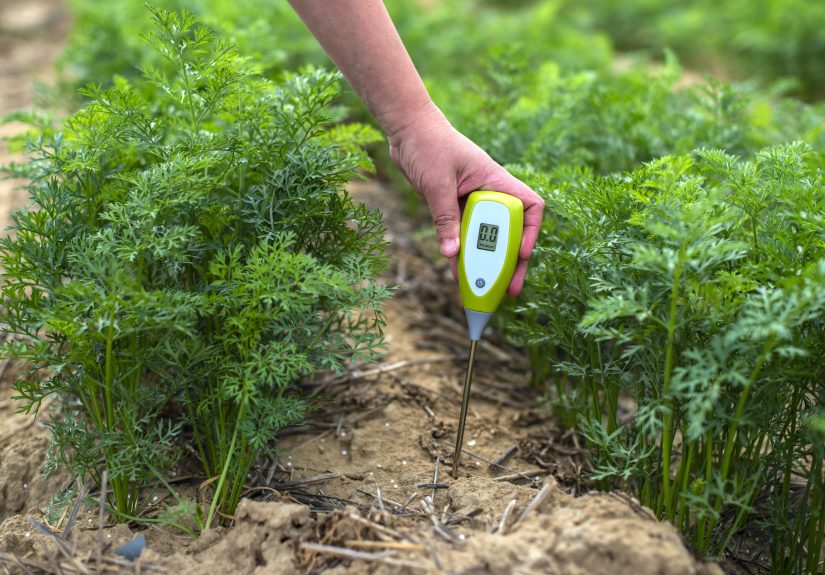
Home test kits can be fun in the same way mini flashlights are fun: charming, sometimes helpful, and not always what you want for serious work. If you need real guidance on fertilizer rates, pH correction, or long-term garden improvement, a professional lab test is the better choice.
Lab tests are generally more accurate, more detailed, and more useful because they come with interpretation. That matters. A number without context is just a number. A lab report that tells you what the number means for vegetables, flowers, turf, or shrubs is much more valuable than a color-changing strip that leaves you staring at orange and wondering whether your carrots are doomed.
A Simple Soil-Testing Schedule You Can Actually Follow
- Before planting a new garden: test once before adding amendments.
- Vegetable gardens: every 2 to 3 years, or sooner if problems appear.
- Established ornamental beds: every 3 to 5 years.
- Raised beds with heavy amendments or specialty mixes: test more intentionally, and confirm the right lab test type.
- After major amendments: retest once the soil has had time to react.
- Possible contamination or unknown site history: request lead or other appropriate screening before growing food.
- Best seasonal timing: fall or early spring, before fertilizer applications.
The Bottom Line
Most gardeners really do wait too long to test their soil. They test when the garden is already struggling, when the leaves have entered their complaint era, or when an online forum has convinced them magnesium is the answer to everything. But soil testing works best as a proactive habit, not just a rescue mission.
If you want better harvests, healthier ornamentals, smarter fertilizer use, and fewer random acts of amendment, build soil testing into your gardening routine. Think of it as less of a chore and more of a cheat code. Your plants may not send a thank-you card, but they will show their appreciation with steadier growth, better yields, and a lot less mystery.
And honestly, that is what most gardeners want: fewer mysteries, more tomatoes.
Gardener Experiences: What People Learn Once They Finally Start Testing Their Soil
One of the funniest patterns in home gardening is how often people assume their biggest problem is “not enough fertilizer,” only to discover the real issue is pH. A gardener can spend an entire season babying peppers, feeding tomatoes, whispering encouragement to basil, and still end up with weak growth because the soil chemistry is out of range. The first real soil test is often humbling. It is the gardening version of realizing your Wi-Fi was unplugged the whole time.
Many gardeners say the same thing after finally testing: they wish they had done it years earlier. Some find out the soil is already high in phosphorus because they have added composted manure, boxed fertilizer, and homemade compost year after year. Others discover their soil is more acidic than expected, which explains why certain crops stall out while others do just fine. The important lesson is not that they were bad gardeners. It is that observation alone has limits, and soil gives better answers when it is allowed to speak in data.
Raised-bed gardeners often have especially interesting experiences. A bed can look rich, dark, and fluffy and still behave oddly. Plants may yellow, seedlings may struggle, or growth may feel inconsistent from one season to the next. When those gardeners test, they sometimes learn the mix is not functioning like native mineral soil at all. Maybe it has too much compost. Maybe salts have built up. Maybe the pH drifted. The bed looked perfect in photos, but the chemistry backstage was a mess.
There are also gardeners who test after moving into a new house and get a surprise they did not expect. The sunny patch by the garage that seemed perfect for lettuce turns out to have concerns related to old paint, fill dirt, or past land use. That kind of information is not dramatic in a fun way, but it is valuable in a real way. It helps gardeners choose safer spots, use raised beds wisely, or modify what they grow. Good gardening is not just about productivity. It is also about making informed decisions.
Another common experience is the relief that comes from not needing to add much at all. Some gardeners send in a sample expecting terrible news and instead learn their soil is in decent shape. Maybe the pH is close to ideal, organic matter is respectable, and only minor adjustments are needed. That result can be strangely satisfying. It means the answer is not another shopping trip. It is often just better timing, steadier watering, or a little patience. Gardeners do not always need more products. Sometimes they need confirmation that they can stop tinkering.
Perhaps the biggest mindset shift happens after gardeners start testing on a schedule instead of only during a crisis. Once you have two or three reports from the same garden over time, patterns become easier to see. You notice whether compost is actually improving organic matter, whether pH is drifting, and whether your amendment habits are helping or just keeping the bagged fertilizer industry emotionally fulfilled. The garden starts to feel less like a gamble and more like a managed system.
That is why experienced gardeners often become surprisingly passionate about soil testing. It is not because they love paperwork or enjoy mailing dirt for sport. It is because testing turns vague gardening instincts into useful decisions. And once that happens, the whole process gets easier. You stop guessing so much. You waste less. You correct the right problem. Your plants respond more consistently. Suddenly the garden feels less like a mystery novel and more like a plan.






 Close
Close