
Table of Contents >> Show >> Hide
- Why These Stories Keep Happening (Even When Everyone Wishes They Wouldn’t)
- The Legal Tug-of-War: When Grief Meets Defamation Law
- A Recent High-Profile Example: Social Media, Allegations, and a Lawsuit
- Why Schools and Districts Get Pulled Into Court
- The Social Media Amplifier: How Online “Justice” Can Become Online Harm
- What Parents Can Do to Seek Accountability Without Making Their Lawyer Sweat
- What Schools Can Do Before a Court Has to
- Common Questions (With Straight Answers)
- Experiences From the Front Lines (About )
- Conclusion: Accountability Without Collateral Damage
Content note: This article discusses bullying, online harassment, and a teen’s death. It does not include graphic details. If you or someone you know needs help, contact a trusted adult or a local crisis line. In the U.S., you can call or text 988 for the Suicide & Crisis Lifeline.
It starts the way a lot of modern tragedies do: a family is grieving, a community is whispering, and the internetnever one to turn down a front-row seatshows up with popcorn and a comment section.
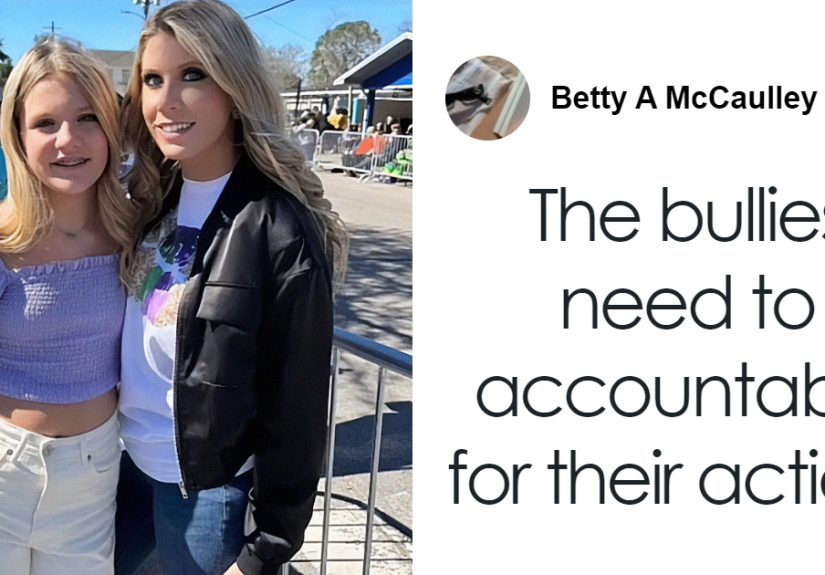
In a recent, widely reported case out of Mississippi, a mother who spoke publicly about her belief that bullying contributed to her daughter’s death found herself on the receiving end of a lawsuit filed by the families of teens accused of being the bullies. The claims centered on defamation and related harms, arguing the mother’s social media posts fueled harassment directed at the accused students and their families.
The result is a messy collision of real pain, real reputations, real minors, and very real legal rules. And it raises a question many parents don’t think about until it’s too late: How do you fight for accountability without accidentally triggering a second tragedythis time in court?
Why These Stories Keep Happening (Even When Everyone Wishes They Wouldn’t)
Bullying isn’t new. What’s new is how fast it can spread and how permanently it can stick. Traditional bullying tends to happen in hallways, on buses, or in the spaces adults don’t see. Cyberbullying can follow a kid home, show up in group chats at midnight, and get screenshotted into forever.
Federal resources define bullying as unwanted aggressive behavior involving a real or perceived power imbalance, repeated or likely to be repeated over time. Cyberbullying is bullying over digital devicestexts, apps, social media, gaming platformsand it can include posting harmful or false content or sharing private information to humiliate someone.
Meanwhile, public health research recognizes that exposure to violence, including bullying, is associated with higher risk for a range of negative outcomes. But it’s also clear that no single factor “causes” a suicide. Real life is complicated, and so is griefespecially when people are searching for answers.
That search for answers can turn into a search for someone to blame. And the internet, bless its chaotic heart, is very good at turning “searching” into “targeting.”
The Legal Tug-of-War: When Grief Meets Defamation Law
Defamation law exists to protect reputation from false statements of fact. It’s usually divided into libel (written statements) and slander (spoken statements). Social media posts, captions, videos, and comments generally fall into the “written/published” bucket, even if you’re speaking on camera.
What a Defamation Plaintiff Usually Has to Prove
Exact rules vary by state, but the typical ingredients look like this:
- A statement of fact (not just an opinion or rhetorical hyperbole)
- Publication (it was shared with someone else)
- Falsity (the statement is false or materially misleading)
- Fault (negligence at minimum for private individuals; higher standards may apply in some situations)
- Harm (reputational damage, emotional distress, or other recognized damages)
Here’s the part people underestimate: even if you never type a full name, a statement can still be actionable if the person is reasonably identifiable. In other words, “I didn’t name them” is not always the legal force field people hope it isespecially in small communities where “everyone knows who you mean.”
“In My Opinion” Is Not a Magic Spell
The internet loves loopholes. Courts love context. Simply adding “allegedly” or “in my opinion” doesn’t automatically convert a factual accusation into protected opinion. If you imply you have inside information or present the accusation as something that happened (rather than a subjective viewpoint), it may still be treated like a factual claim.
That’s one reason lawyers often advise clients to stick to verifiable facts (dates, reports made, steps taken, documents filed) and avoid declaring guiltespecially when minors are involved and emotions are understandably at a boil.
Why Courts Get Extra Cautious When Students Are Involved
When a dispute involves children, judges often balance multiple concerns at once: free speech, personal safety, privacy, and the risk of ongoing harassment. Protective orders, sealing requests, or limits on identifying information sometimes appear because the court is trying to prevent the legal process from becoming a megaphone for more harm.
It’s not that courts don’t care about the underlying tragedy. It’s that courts also care about keeping the courtroom from becoming a second social media platform with subpoenas.
A Recent High-Profile Example: Social Media, Allegations, and a Lawsuit
In the Mississippi case that pushed this issue into national headlines, reporting described a mother who posted extensively on TikTok about her daughter’s death and her belief that bullying played a role. The families of four girls accused of bullying filed suit, alleging defamation (and related claims), arguing the mother’s posts helped spark a wave of harassment and threats directed at the girls and their families.
National coverage emphasized the tension between a grieving parent’s desire to speak and advocate, and the accused students’ interest in privacy and safetyespecially when online commentary escalates beyond the control of the original poster.
In subsequent reporting, parts of the dispute shifted as court orders, motions, and procedural changes occurred. Separately, the mother also pursued claims against a school district, alleging failures in how bullying concerns were handled. (Details and procedural posture matter here: lawsuits can be filed, amended, removed to federal court, sealed in part, or dismissed without necessarily resolving the underlying facts in the public mind.)
The big takeaway isn’t the name of a case. It’s the pattern: when a community tragedy goes viral, legal conflicts can multiplyand the multiplication is rarely gentle.
Why Schools and Districts Get Pulled Into Court
When families believe bullying was ignored or mishandled, lawsuits sometimes target school districts under state tort theories (like negligence) and, in some situations, federal civil rights frameworks.
Federal guidance recognizes that some bullying overlaps with discriminatory harassment. For example, if harassment is based on disability and interferes with a student’s ability to participate in or benefit from school services, it can trigger obligations under laws like Section 504 and Title II. Schools may also have grievance procedure obligations under multiple civil rights laws.
That doesn’t mean every bullying incident becomes a federal case. It means schools have legal responsibilities that go beyond “Please be nice.” Policies, documentation, investigation steps, parent communication, and follow-through can become evidence when families argue a school failed to respond appropriately.
And because schools are institutionsbig systems with lots of moving partsproblems can slip into gaps: unclear reporting pathways, inconsistent discipline, undertrained staff, or a culture that treats certain behaviors as “drama” until they become disaster.
The Social Media Amplifier: How Online “Justice” Can Become Online Harm
Social media can be powerful for awareness, fundraising, and policy change. It can also turn into a blender set to “puree,” where nuance gets shredded and everyone ends up splattered.
Here’s how escalation often happens:
- A parent shares a painful story and calls for accountability.
- Viewers try to “help” by guessing identities, digging through posts, and sharing screenshots.
- Names and photos circulate (sometimes incorrectly), and harassment spreads faster than any correction.
- Friends, siblings, and even unrelated students get pulled in because the algorithm doesn’t do due process.
Even if the original poster never asks anyone to harass anyone, the reality is simple: virality is not a steering wheel. It’s more like a jet engine strapped to a shopping cart.
Courts notice this dynamic, and it helps explain why judges sometimes issue orders aimed at limiting posts during active disputes. Those orders can be controversial, but they’re often attempts to reduce ongoing harm while facts are contested.
What Parents Can Do to Seek Accountability Without Making Their Lawyer Sweat
Every situation is different, and nothing here is legal advice. But there are practical steps that commonly help families advocate effectively while reducing legal risk:
1) Document Like You’re Building a Timeline for Someone Who Wasn’t There
Save screenshots, dates, incident reports, names of staff contacted, and summaries of conversations. Keep it factual. Avoid editorializing in your notesyour future self (and your future attorney) will thank you.
2) Use the School’s Process, Even If You’re Frustrated
Schools typically have policies for reporting bullying and harassment. If you don’t use the process, the district may later argue it didn’t have notice or a chance to respond. If you do use it and nothing changes, that record can matter.
3) Separate “I Want Accountability” From “I’m Naming Minors Online”
One is a goal. The other is a tacticand a legally risky one. If you choose public advocacy, consider focusing on systems: reporting failures, policy gaps, training needs, and what you want changed.
4) Keep Public Statements Anchored to Verifiable Facts
“We filed reports on X dates” is different from “These specific kids did X.” When facts are disputed, precision matters. So does restraint.
5) Get Professional Guidance Early
Grief makes everything harder, including judgment calls about speech and strategy. A lawyer can help you understand what to say publicly, what to file privately, and how to protect your family while pursuing change.
What Schools Can Do Before a Court Has to
Schools can’t control everything students do, especially off campus. But they can build environments that reduce bullying and make it easier for students to seek help.
Evidence-based approaches often include:
- Clear reporting pathways students actually trust
- Consistent investigation steps with documentation
- Staff training to recognize patterns, not just isolated incidents
- Family communication that’s timely and specific
- Support systems that promote connectedness and safety
Public health research also emphasizes protective factors like connectednessfeeling supported and belonging at school and in the communitywhich is associated with better mental health outcomes.
None of this is flashy. It’s not trending audio. But it’s the work that prevents the kind of crisis no school wants on the evening news.
Common Questions (With Straight Answers)
Can a parent be sued for talking about bullying?
Yes. If statements are alleged to be false and harmful, defamation claims can be filed. Even true statements can lead to litigation (because anyone can file), though truth is widely recognized as a core defense in defamation law.
What if the parent never named the kids?
Not naming someone doesn’t automatically protect you if the person is still identifiable based on context, community knowledge, or how information spreads in replies and reposts.
Why would families sue a grieving mother?
In cases like the Mississippi dispute, families have argued their children became targets of harassment and reputational harm due to accusations circulating online. In other words: one family’s advocacy can become another family’s nightmare, especially when minors are involved.
Does a lawsuit prove what really happened?
No. A lawsuit is a claim, not a verdict. Many cases settle, get dismissed, or change shape procedurally. The legal system focuses on specific legal elements, not always on the broader moral story the internet is debating.
Experiences From the Front Lines (About )
These are composite, anonymized experiences drawn from patterns described by families, educators, attorneys, and public reportingnot a retelling of any one person’s private story.
The grieving parent experience: Many parents describe the early days after a child’s death as walking through fog while carrying a backpack full of bricks. Their minds replay every school email, every “we’ll look into it,” every moment they wish they could rewind. Social media can feel like the only place where someone is listeningwhere the pain gets witnessed instead of politely avoided. Posting becomes a form of survival: a way to say, “My child mattered, and I won’t let this disappear.”
But once a post takes off, the parent often discovers a hard truth: a viral audience doesn’t behave like a support group. A support group asks what you need. A viral audience asks who the villain isthen tries to crowdsource the rest. Parents describe feeling responsible for a fire they didn’t light, but also unable to stop, because the algorithm keeps handing out matches.
The accused teen’s family experience: On the other side, families of accused students often say they wake up to messages they never imagined adults would send to a child. Even when accusations are unproven or disputed, the label sticks. Parents describe the dread of school pickup, the fear of a name being shared in the wrong comment thread, and the feeling that the whole town is staringwhile the internet is shouting. Some families respond with legal action not because they think it will heal anything, but because they want a judge to create boundaries the internet won’t.
The school counselor experience: Counselors and school psychologists often describe being stretched thin: too many students, too many crises, and not enough time to build trust with every kid who needs it. They report that bullying cases rarely look like a single dramatic incident. Instead, it’s a slow dripsnubs, group chat cruelty, rumor chains, and shifting friend groups. By the time adults notice, the student may already feel cornered and ashamed. Counselors frequently emphasize “connectedness” as a practical goal: clubs, mentorship, safe adults, and predictable ways to report problems without becoming a bigger target.
The bystander student experience: Students who witness bullying often say they didn’t speak up because they were afraid of becoming the next targetor because they weren’t sure what counted as “serious enough.” Many describe regretting silence later. When schools normalize reporting and teach students exactly how to intervene safely (save evidence, report through a trusted channel, check in privately), bystanders are more likely to act. The lesson students repeat is simple: “I thought it was just drama… until I realized it was someone’s life.”
Together, these experiences point to the same conclusion: accountability matters, but so do guardrails. Without guardrails, grief can become a legal battle, and advocacy can turn into collateral damage.
Conclusion: Accountability Without Collateral Damage
When a mother faces a lawsuit from families connected to her daughter’s alleged bullies, it’s tempting to treat the story like a courtroom reality show: pick a side, post a take, refresh for updates.
But real people live inside these headlinesoften minorsand the stakes are bigger than “who wins the internet today.” The better question is what prevents the next tragedy: clearer school responses, safer reporting systems, stronger student support, and a community culture that stops cruelty before it becomes a legacy.
Justice isn’t supposed to be a comment section. And advocacy doesn’t have to be a digital pile-on. The goal, always, is fewer families mourningand fewer kids learning what cruelty looks like when it goes viral.







 Close
Close