
Table of Contents >> Show >> Hide
- What Is Fiberstone, Exactly?
- Why Rectangle Planters Feel So Modern
- Key Features to Look For in a Modern Fiberstone Rectangle Planter
- Design Ideas: How to Use a Modern Rectangle Planter Like You Have a Designer Friend
- Plant Pairings That Work Beautifully in Rectangle Planters
- Care & Maintenance: Keep It Looking New (or at Least “Intentionally Aged”)
- Fiberstone vs. Other Planter Materials
- Buying Checklist: How to Choose the Right Modern Fiberstone Rectangle Planter
- Conclusion
- Real-World Experiences With Modern Fiberstone Rectangle Planters (Bonus)
If you’ve ever tried to move a “solid stone” planter and briefly wondered whether you should start training for a strongman competition,
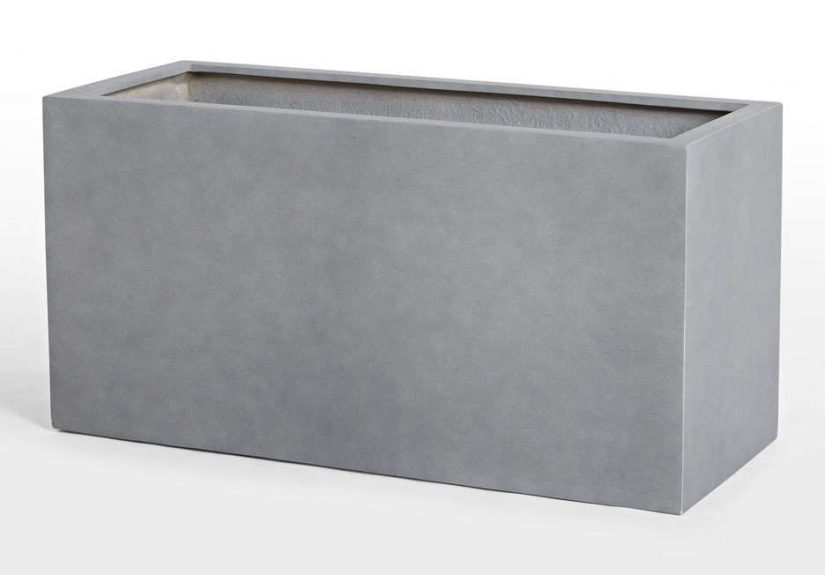
you already understand the appeal of modern fiberstone rectangle planters. They deliver the clean, architectural look people
want right nowstraight lines, crisp edges, matte finisheswithout the “this weighs as much as my car” part.
In this guide, we’ll break down what fiberstone is, why the rectangle shape works so well in modern landscapes and interiors, how to shop
smart (hello, drainage), and how to style and maintain a rectangle planter so it looks intentionalnot like you panic-bought it five minutes
before guests arrived.
What Is Fiberstone, Exactly?
Fiberstone is a composite material designed to mimic the look and feel of natural stone while staying far more manageable
in weight. It’s commonly made from a blend of stone powder plus resin and fiberglass reinforcement
(the “fiber” part), which helps the planter hold its shape and resist cracking compared with some traditional stone-like options.
Translation: you get that upscale, stone-inspired aestheticoften in finishes like aged concrete, charcoal, or matte whitewithout needing
a dolly and three friends named “Backbrace.”
Why Rectangle Planters Feel So Modern
The rectangle planter is basically the little black dress of containers: it goes with everything and always looks deliberate.
Here’s why rectangular fiberstone planters fit modern spaces so well:
- Architecture-friendly lines: Straight edges echo windows, railings, steps, and hardscape joints.
- Space efficiency: Rectangles tuck along walls, railings, and walkways without stealing your entire patio.
- Instant structure: Even “wild” plants look more curated when contained in a crisp geometric box.
- Design flexibility: They can read as a window box, a low divider, a long trough, or a mini raised beddepending on height and placement.
Key Features to Look For in a Modern Fiberstone Rectangle Planter
1) Drainage That Actually Works
Drainage is not optionalunless your goal is to create a tiny indoor swamp. Look for a planter with pre-drilled drainage holes,
or at least a clearly marked area where holes can be drilled if needed. Many indoor/outdoor designs include a rubber plug so you can
block drainage indoors (with a saucer or liner strategy) and open it outdoors when rain is part of the equation.
One common myth: adding rocks or gravel at the bottom “improves drainage.” In reality, it can create a saturated zone that keeps roots wetter longer.
You’ll get better results by using a quality potting mix and ensuring water can exit through drainage holes.
Quick pro move: place a small piece of mesh screen, coffee filter, or landscape fabric over the drainage hole to keep soil from washing outthen
fill with potting mix as usual.
2) The Weight-to-Strength Sweet Spot
A major reason people choose fiberstone is the balance of durability and lighter weight. That matters for balconies,
rooftop patios, renters who move often, and anyone who doesn’t enjoy lifting “vintage concrete vibes” with their lower back.
One caveat: because fiberstone is lighter than real stone or concrete, very tall plants (or windy locations) can turn a long rectangle
planter into a sailboat. If you’re placing it on an exposed deck, choose a wider footprint, use heavier plants near the center, and consider adding discreet
ballast (like a few heavier stones tucked aroundbut not underthe root zone) only if it doesn’t compromise drainage.
3) Outdoor Readiness: Frost, Sun, and Real Life
Many fiberstone planters are marketed as weather-resistant and frost-resistant. That’s greatbut “resistant” doesn’t mean
“invincible.” Freeze-thaw cycles can be tough on any container if water accumulates and expands. For cold climates, prioritize:
- Drainage you’ll actually use (open holes outdoors)
- Feet or risers to lift the base slightly off the ground
- Protected placement near a wall or under an overhang in winter
In hot, sunny spots, a quality finish matters. A good fiberstone planter should maintain its color and surface texture without looking chalky or tired
after one dramatic summer.
4) Size, Depth, and Soil Volume
Rectangle planters come in a wide range of dimensionsfrom “window box slim” to “commercial trough long.”
The most important shopping step is matching the planter’s soil volume to the mature root needs of your plants.
Shallow planters can be perfect for succulents and annuals, but shrubs and small trees need meaningful depth.
Practical rule of thumb: the bigger and woodier the plant, the more you should prioritize depth and overall volume.
If you’re designing with a mix of plants, give the “main character” enough roomthen build the supporting cast around it.
Design Ideas: How to Use a Modern Rectangle Planter Like You Have a Designer Friend
Create a Clean “Green Divider” on Patios
A long, low fiberstone rectangle planter makes an excellent visual boundary between outdoor “zones”like dining and lounging.
Use upright plants (ornamental grasses, rosemary, snake plant in warm climates, or clumping bamboo where appropriate) to add privacy without building a fence.
Frame an Entryway (Without the Formal Vibes)
Two rectangle planters flanking a door can look sleek instead of stuffyespecially in matte black, charcoal, or aged concrete finishes.
Try modern pairings like boxwood (classic), dwarf olive (Mediterranean), or a simple mix of upright evergreen + trailing accent plant.
Turn a Balcony Rail Wall into a Mini Garden
Place a slim rectangle planter along the balcony edge and plant an “edible strip”: basil, chives, thyme, compact peppers, or leafy greens.
Rectangles are perfect here because you can create orderherbs in a rowwhile still letting everything spill over a little in a charming way.
Go Minimal: One Plant, Maximum Impact
Modern design often wins by doing less. In a long rectangular planter, a single repeated plant can look incredibly intentional:
think three to five evenly spaced snake plants indoors, or a row of lavender outdoors (in sunny climates).
Repetition is the secret handshake of modern styling.
Plant Pairings That Work Beautifully in Rectangle Planters
Rectangles shine with structured planting plans. Here are a few combinations that look high-end without being high-maintenance.
Sunny Spots
- Modern Mediterranean: rosemary + lavender + trailing thyme
- Bold and graphic: ornamental grass + sedum + cascading sweet potato vine
- Edible and tidy: basil + parsley + compact peppers (or lettuce in cooler weather)
Part Shade
- Soft and lush: ferns + coleus + creeping jenny
- Polished and calm: hosta + heuchera + trailing ivy (watch invasiveness outdoors)
Indoors
- Low drama: snake plant + pothos (trailing) + ZZ plant
- Bright window: fiddle-leaf fig (small) + trailing philodendron accents
If you like simple design formulas, the classic container approach still applies: include a “thriller” (height), “filler” (body), and “spiller” (cascade).
Rectangles just make that formula look more architectural.
Care & Maintenance: Keep It Looking New (or at Least “Intentionally Aged”)
Use the Right Soil
Use a quality potting mix for containersnot garden soil. Container mixes are designed for aeration, drainage, and consistent moisture.
If the planter is very large, you can mix in compost for nutrition, but keep the texture light so roots get oxygen.
Water Smarter, Not Harder
Long rectangular planters can dry unevenlyespecially in sun and wind. Check moisture in multiple spots before watering.
If you’re planting a mix, group plants with similar water needs so you don’t end up with one soggy diva and one crispy roommate.
Cleaning Without Regret
For routine cleaning, use a soft brush or cloth with mild soap and water. Avoid harsh abrasives that can dull a matte finish.
If mineral deposits appear (especially from hard water), a gentle vinegar-water wipe can helpspot test first on an inconspicuous area.
Winter Tips for Cold Climates
The biggest winter risk is water trapped in the planter and soil freezing solid. Make sure drainage is open and the planter is slightly elevated.
If you’re overwintering plants outdoors, move containers to a protected location (near a wall, out of wind), and consider insulating the sides.
Another classic method is “heeling in” potsnestling them into soil or mulch for insulationthen pulling them back out in spring.
Fiberstone vs. Other Planter Materials
| Material | Look | Weight | Best For | Watch Outs |
|---|---|---|---|---|
| Fiberstone | Stone-like, modern finishes | Light-to-medium | Balconies, patios, modern entries | Wind stability; drainage in freeze-thaw areas |
| Concrete | Authentic, raw texture | Very heavy | Permanent placements, public/commercial | Hard to move; can crack; may stain surfaces |
| Terracotta | Classic, warm, earthy | Medium | Herbs, Mediterranean plants, classic gardens | Prone to cracking in freezing temps |
| Plastic/Resin | Varies (often less premium) | Light | Budget-friendly, easy moving | Can fade; may look less substantial |
| Metal | Sleek, industrial | Medium | Modern/industrial styles | Heats up in sun; may rust depending on finish |
Buying Checklist: How to Choose the Right Modern Fiberstone Rectangle Planter
- Measure your space first: length, width, and the walking clearance around it.
- Confirm indoor/outdoor rating: especially if it’ll live outside year-round.
- Check drainage options: holes, plugs, or drill-ready base.
- Match depth to plants: shrubs and grasses need more soil volume than succulents.
- Plan for weight when filled: lightweight materials still get heavy with wet soil.
- Choose a finish that fits your palette: matte black, charcoal, white, or aged concrete tones tend to look most modern.
- Think about stability: wider bases and heavier plant choices help in windy locations.
Conclusion
A modern fiberstone rectangle planter is one of the easiest ways to make a patio, balcony, or entryway look instantly more designed.
You get clean geometry, stone-like texture, and a practical weight that won’t ruin your day (or your spine). Focus on drainage, choose the right
depth for your plants, and treat placement like part of the designnot an afterthought. Do that, and your planter won’t just hold plants; it’ll
hold the whole look together.
Real-World Experiences With Modern Fiberstone Rectangle Planters (Bonus)
Gardeners who switch to fiberstone rectangles often report the same first impression: “Wait… that’s it? That’s the weight?”
The stone-like finish can look surprisingly substantial, so the lighter lift feels like a magic trick. That practicality changes how people use planters.
Instead of picking one spot and committing forever (like a concrete planter marriage), fiberstone makes it realistic to rearrange your layout seasonally
pushing the planter into sunnier positions in spring, then tucking it closer to a wall during intense summer heat.
One common “aha” moment happens on balconies. Rectangular planters fit along railings and walls with almost no wasted space, which makes them ideal for
an herb setup. A typical experience: you plant basil, parsley, and chives in a neat row, admire your work, then realize the sunny corner dries out twice
as fast because wind and reflected heat are conspiring against you. The fix is simple: check moisture in multiple sections of the planter, and group the
thirstier plants (like basil) closer together. Some gardeners even use a subtle top dressing of mulch (indoors, decorative stone on top can work too) to
slow evaporationjust not at the bottom where it can mess with drainage.
Another frequent lesson is about scale. Rectangular planters look long, which tricks the eye into thinking they’re “big enough.”
But length isn’t the same as soil volume. People sometimes try to squeeze in a woody shrub with shallow depth and then wonder why it struggles mid-summer.
Once they upgrade to a deeper trough (or choose plants with shallower root needs), the whole project becomes easier: fewer watering emergencies, more consistent
growth, and less drama. It’s also where modern design helpsrectangles look great with repetition, so swapping “one needy shrub” for “three reliable grasses”
can actually improve both plant health and aesthetics.
Winter is where real-life experience separates “outdoor-safe” from “outdoor-thriving.” Many gardeners learn that the biggest enemy isn’t cold itselfit’s
trapped water. The rectangle shape can hold a lot of soil, and if drainage is blocked (or the planter sits flat on a surface that seals the holes), water can
linger. In freezing weather, that turns into an expansion problem. The practical habit that shows up again and again: elevate the planter slightly (feet or risers),
keep drainage open outside, and move it to a protected area if your winters are brutal. Even in milder climates, shifting planters under an overhang can reduce
waterlogging from heavy rains.
The most satisfying experience people describe is the “designer effect” with minimal effort. A single long fiberstone planter filled with a clean lineupsay,
identical snake plants indoors or repeated boxwood outdoorslooks intentional in a way that a random collection of mismatched pots doesn’t. It’s not that the plants
are fancier; it’s that the container creates structure. And that’s the real charm of the modern fiberstone rectangle planter: it makes everyday plants look like they
showed up wearing a tailored jacket.






 Close
Close