
Table of Contents >> Show >> Hide
- What Is the Miconos Suspension Light, Exactly?
- Why This Pendant Keeps Showing Up in Great Rooms
- Quick Spec Snapshot (What Shoppers Usually Want to Know)
- Where the Miconos Suspension Light Looks Best
- How to Choose the Right Bulb (The Secret Sauce)
- Hanging Height: A Practical Guide (That Saves You from the Redo)
- Styling Ideas That Make Miconos Look Intentional
- Installation and Maintenance Tips
- Who Should Buy the Miconos Suspension Light?
- Real-World Design Scenarios (Specific Examples)
- of Experiences with the Miconos Suspension Light
- Conclusion
Some pendant lights try to be the main character. The Miconos Suspension Light is more like the lead actor
who somehow makes everyone else look better just by showing up on setquiet confidence, crisp tailoring, and a glow that
flatters the room. It’s a globe pendant, sure, but not the “generic glass ball” kind you’ve seen in a hundred flips.
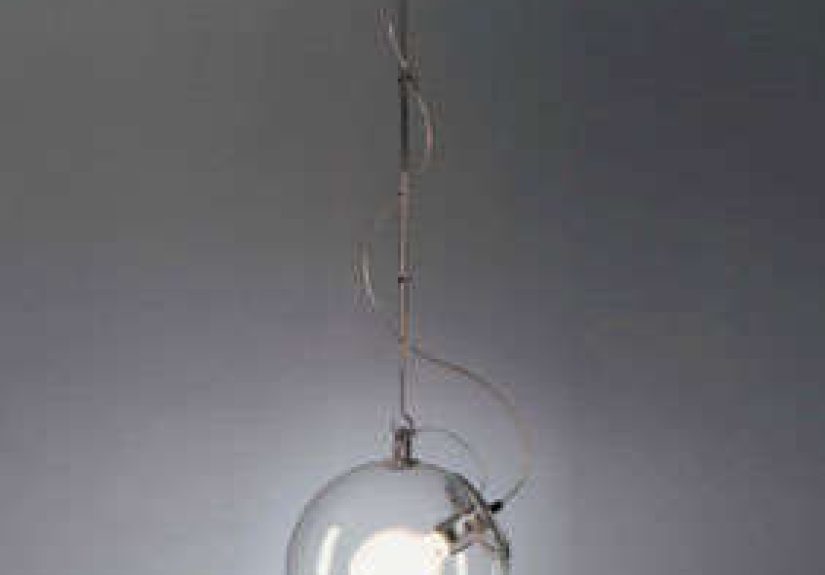
Miconos has that intentional look: a transparent, hand-blown glass sphere held by a polished metal structure that feels
engineered rather than decorated.
If you’ve been searching for a modern glass globe pendant that doesn’t scream “trend” (and won’t age like one),
Miconos is worth a real, close look. In this guide, we’ll break down what it is, why it works in so many interiors,
how to choose bulbs and hanging heights, and the small decisions that make it look “designer installed” instead of
“I eyeballed it on a step stool.”
What Is the Miconos Suspension Light, Exactly?
The Miconos Suspension is a pendant light from Artemide, designed by Ernesto Gismondi. Its signature move is simple:
a clear blown-glass globe paired with a sleek metal support and hardware in finishes like polished chrome or
satin brass. The glass is transparent, so the bulb becomes part of the visualmeaning your bulb choice matters here
more than it does with opaque shades.
Design-wise, Miconos sits in that sweet spot between “modern” and “timeless.” It feels at home in a clean-lined condo,
but it’s also surprisingly convincing in a more classic spaceespecially when you choose a warmer metal finish and a
soft, warm bulb. The result: a pendant that reads like a functional sculpture rather than just another ceiling light.
Why This Pendant Keeps Showing Up in Great Rooms
1) The glass is transparent, but the light can still feel soft
Clear glass sounds like it would create harsh glare, but Miconos often looks gentler than you’d expectmostly because
you can control the vibe with bulb shape, finish (clear vs. frosted), filament style, and dimming. The globe acts like a
“display case” for the bulb rather than a heavy diffuser, so you get a bright, clean presence without visual clutter.
2) The hardware looks engineered (in a good way)
Lots of globe pendants hide their structure. Miconos doesn’t. The metal elements and the way the globe is supported
create a purposeful “designed object” feeling. It’s not trying to disappear. It’s trying to look like it belongs in a
gallery… that happens to serve breakfast.
3) It’s easy to style across aesthetics
Minimalist? Use polished chrome and a simple frosted globe bulb. Warm modern? Satin brass plus a 2700K decorative
filament bulb. Transitional? Keep the form modern but pick a bulb that feels classic. Because the shade is clear, you’re
effectively styling two things: the fixture and the bulb.
Quick Spec Snapshot (What Shoppers Usually Want to Know)
- Type: Pendant / suspension light
- Signature materials: Transparent blown glass + metal hardware
- Finishes: Commonly polished chrome or satin brass (availability varies by seller)
- Bulb base: Typically medium base (E26 in the U.S.)
- Bulb shape people use: Globe bulbs like G40 are common because they visually “fit” the sphere
- Adjustability: Often offered with adjustable drop (rod/cable system varies by configuration)
- Dimming: Commonly dimmable with the right bulb + compatible dimmer
Tip: because listings can differ by region and variant, always confirm your exact model’s U.S. voltage, maximum wattage,
and canopy/rod details before purchaseespecially if you’re matching multiple pendants over a kitchen island.
Where the Miconos Suspension Light Looks Best
Kitchen islands (single statement or a clean row)
Miconos is practically made for the “two or three pendants over an island” scenario because it’s visually light and doesn’t
block sightlines. If your kitchen already has strong featuresveined stone, bold cabinet color, dramatic hardwareMiconos
adds polish without competing. For a standard island, a row of two or three pendants can look intentional and balanced.
The clear globe keeps the room feeling open, even when you go bigger.
Dining tables (especially round or oval)
Over a dining table, Miconos creates a focal point that feels crisp rather than heavy. This is a good move when you want a
“special” dining moment but don’t want a chandelier that dominates the whole room. A warm bulb and a dimmer make the
space feel invitingmore dinner party, less interrogation room.
Entryways and foyers
In an entry, Miconos reads as a design choice. It’s sculptural enough to feel curated, but simple enough to work with
everything from traditional trim to modern flat-panel doors. If you have a taller ceiling, the adjustable drop helps you
land the fixture where it feels connected to the space rather than floating awkwardly near the ceiling line.
Bedrooms (yes, really)
If you’re tired of table lamps eating up nightstand space, a pendant on each side of the bed can be a clean solution.
Miconos works well here because it feels airy. Use a softer bulb (and ideally dimming) so the light is gentle at night.
The result can look boutique-hotel without going full “I bought everything in one cart.”
How to Choose the Right Bulb (The Secret Sauce)
With a clear glass globe, your bulb is basically jewelry. Choose wisely.
Pick your vibe first: crisp task light vs. warm ambiance
-
For kitchens/work zones: A higher-lumen LED globe bulb works well. Keep color temperature warm-neutral
(many people like the “warm but not yellow” zone) so food and finishes look natural. -
For dining/bedrooms: Go warmer and dimmable. A decorative filament-style globe bulb can look gorgeous
inside the glass sphere, especially at lower dim levels.
Clear vs. frosted: manage glare
Clear bulbs look great, but they can create more sparkle (and potential glare) depending on sightlines. Frosted bulbs
soften the look and can be easier on the eyes, especially if the pendant hangs lower or if you’ll see it from a couch.
If you love the filament look but want comfort, consider a bulb that’s lightly diffused rather than fully clear.
Always confirm dimmer compatibility
“Dimmable fixture” doesn’t automatically mean “any dimmer + any bulb will behave.” LED dimming can be picky.
The safest route is a dimmable LED bulb paired with a dimmer rated for LED loads. If you’re installing multiple
pendants on one switch, compatibility matters even more to avoid flicker or a tiny “strobe light of regret.”
Hanging Height: A Practical Guide (That Saves You from the Redo)
Over a dining table
A common rule of thumb is hanging the bottom of the pendant roughly 30–36 inches above the tabletop,
adjusting based on ceiling height, fixture size, and whether people can see across the table comfortably.
If you want a more intimate feel, go slightly lower (without blocking faces). If your room is more open and airy,
go slightly higher.
Over a kitchen island
Many kitchens land in the 30–34 inches above the countertop range for the bottom of the pendant.
Spacing depends on island length and pendant diameter. A quick reality check: stand where you’ll cook, look across the
island, and make sure the pendants don’t create a visual wall.
In an entryway
Here you’re balancing clearance and presence. You want the pendant to feel like it’s “in” the room, not glued to the
ceiling, while still leaving safe headroom. Taller ceilings let you drop it more for drama; shorter ceilings call for a
tighter, cleaner placement.
Styling Ideas That Make Miconos Look Intentional
Make the metal match something else
Polished chrome looks amazing when it echoes faucet finishes, cabinet pulls, or even stainless appliances. Satin brass
can tie in with warm hardware, mirror frames, or picture lights. The goal is not “everything matches perfectly,” but
“nothing looks random.”
Use repetition (but not cloning)
If you’re installing two or three pendants, keep them consistentbut you can still add interest with bulbs. For example,
use the same bulb shape across all fixtures, but choose a filament style that complements the room. Consistency reads
professional; chaos reads like a lighting aisle accident.
Pair it with texture
Because Miconos is visually crisp, it loves textural neighbors: veined marble, natural wood, plaster walls, linen
drapery, even a chunky woven rug. The pendant provides the clean “line” while the room supplies warmth and depth.
Installation and Maintenance Tips
Installation: plan before you drill
- Centering matters: especially over tables and islandsmeasure, tape, step back, repeat.
- Consider your junction box location: if it’s off-center, you may need a different canopy solution.
- Check ceiling slope needs: some variants are sloped-ceiling adaptable, but confirm before buying.
- Use a pro if unsure: not because it’s “mystical,” but because electricity is famously unforgiving.
Cleaning the glass globe
Clear glass shows fingerprints like it’s keeping receipts. Use a microfiber cloth and a gentle glass cleaner, and
avoid harsh abrasives. If you can remove the globe safely (depending on your model and comfort level), it’s often easier
to clean thoroughly off the ceiling than while doing the “one hand on ladder, one hand on glass” balancing act.
Who Should Buy the Miconos Suspension Light?
Miconos is a smart buy if you want a designer pendant that stays relevant across remodel cycles. It’s especially
great for people who:
- Love modern lighting but don’t want something overly futuristic.
- Want a glass globe pendant that feels “crafted” rather than mass-generic.
- Care about details like metal finish quality and how the parts meet.
- Are willing to choose a good bulb (because yes, it matters).
It might not be your best match if you want hidden bulbs, zero glare risk, or a fully diffused shade that behaves like a
soft lantern. For that vibe, you’d likely prefer an opal glass pendant or a fabric shade.
Real-World Design Scenarios (Specific Examples)
Example 1: The “warm modern” kitchen upgrade
Picture flat-front oak cabinets, creamy quartz counters, and satin brass hardware. A trio of Miconos pendants in a warm
metal finish over the island pulls the brass story up into the air. Choose warm dimmable LED globe bulbs so breakfast
feels bright, but evenings feel cozy. Add a simple runner and a textured backsplash, and suddenly your kitchen looks like
it has an interior designer’s business card hidden in a drawer somewhere.
Example 2: The classic entryway that needs one modern move
Traditional trim, a vintage console table, and a big mirror can look amazingbut sometimes it needs one modern element to
keep it from feeling too “period piece.” A polished chrome Miconos in the entry adds a contemporary note without fighting
the classic architecture. Use a softly diffused bulb so the glow is welcoming, not spotlight-bright.
Example 3: Bedside pendants for small nightstands
In a smaller bedroom, you can reclaim surface space by hanging a pendant on each side of the bed. Miconos works because
it’s airy and doesn’t visually crowd the wall. Put both on dimmers, pick warm bulbs, and you get that hotel-like “soft
glow” that makes your room feel calmer even when the laundry basket is loudly disagreeing.
of Experiences with the Miconos Suspension Light
People tend to have the same first reaction when they see Miconos installed in a real home: “Oh, that looks more expensive
in person.” The reason is rarely just the nameit’s the way the hardware reads crisp and intentional, like it was designed
to be seen rather than hidden. In day-to-day life, that translates to a pendant that keeps looking “right” even as you
change furniture, wall color, or decor. A lot of homeowners describe it as the fixture they don’t get tired of, because
it doesn’t rely on a gimmick. It’s basically the white T-shirt and great jeans of pendant lightingexcept it glows.
Another common experience: the bulb decision becomes oddly fun. Because the glass is clear, swapping a bulb can feel like
swapping the entire personality of the light. A warm decorative filament globe can make the pendant feel vintage-leaning and
intimate; a more matte or frosted bulb can make it feel calmer and more modern. People who enjoy tweaking their space
(without remodeling) like that small lever of control. It’s one of the rare lighting pieces where “trying a different bulb”
can genuinely change the mood enough to notice at dinner.
In kitchens, owners often mention how visually “light” the pendants feel. Even with multiple fixtures over an island, the
clear spheres don’t block views the way solid shades can. That matters in open-plan homes where you don’t want pendants to
create a visual barrier between the kitchen and living area. The flip side is that fingerprints and dust are more obvious on
clear glassso the lived experience includes occasional cleaning. Most people settle into a simple routine: a microfiber wipe
when they notice smudges, and a more thorough clean a few times a year. If you’re the type who wants everything spotless all
the time, you’ll notice the glass. If you’re normal (or busy), it’s manageable.
Dimming is another “real-life” theme. Owners who install Miconos on a dimmer tend to rave about itbecause the fixture can go
from functional brightness to low, ambient glow without changing anything else in the room. People who skip the dimmer
sometimes wish they hadn’t, especially in dining spaces where you want a softer evening mood. The good news is that Miconos is
often part of a long-term plan: install it once, then refine bulb choice and dimming over time until it’s perfect for how you
actually live.
Finally, there’s the “compliment factor.” Guests notice Miconos because it doesn’t look like builder lighting. It reads as a
deliberate design pickclean, iconic, and a little bit art-object. And in the unofficial hierarchy of home upgrades, lighting
is one of the fastest ways to make a space feel elevated without tearing out cabinets. Miconos tends to deliver that payoff
consistently: a room that feels sharper, calmer, and more consideredwithout trying too hard.
Conclusion
The Miconos Suspension Light is a masterclass in “simple, but not basic.” Its clear hand-blown glass globe and
refined metal structure create a pendant that feels modern, timeless, and adaptable across rooms and styles. If you take the
time to choose the right bulb, hang it at a thoughtful height, and (yes) give the glass an occasional wipe, you’ll get a
fixture that looks curated for yearslong after the trendier pendants have quietly disappeared into resale listings.





 Close
Close