
Table of Contents >> Show >> Hide
- Why the “Meningitis Booster Shot Age” Matters
- The Routine Schedule: What Age Is the Meningitis Booster Shot?
- MenACWY vs. MenB: The Part Everyone Mixes Up
- What About College Students, Dorms, and Campus Life?
- Who Else May Need Meningococcal Vaccination Earlier or More Often?
- What Side Effects Should You Expect?
- Questions Families Should Ask at the Appointment
- Common Mistakes People Make
- What Families Often Experience Around the Meningitis Vaccine Booster Shot Age
- Final Takeaway
Note: This article is for educational purposes only and should not replace advice from your doctor, pediatrician, pharmacist, or school health office.
If you landed here after seeing a WebMD video and thought, “Wait, there’s a booster? And there’s more than one meningitis shot?” welcome to the club. This topic confuses a lot of parents, teens, and college-bound students because people often use the phrase “meningitis vaccine” as a catch-all. In real life, the schedule usually comes down to two related but different vaccines: MenACWY and MenB.
Here is the plain-English version. For most healthy teens in the United States, the routine meningitis vaccine booster shot age is 16. That booster is for the MenACWY vaccine, which is typically first given at ages 11 to 12. Then there is MenB, which is a separate vaccine that may be given during the later teen years, usually between 16 and 18, depending on risk factors and a conversation with a healthcare provider.
So no, you are not imagining things. The schedule is a little like a sequel nobody asked for, except this sequel is actually important. Meningococcal disease can become severe very quickly, and the age-based vaccine schedule is designed to protect teens when their risk can rise again.
Why the “Meningitis Booster Shot Age” Matters
The word meningitis describes inflammation of the tissues around the brain and spinal cord, but not all meningitis is caused by the same germs. The vaccines most families are thinking about here protect against meningococcal disease, a serious infection caused by Neisseria meningitidis. That infection can lead to meningitis, bloodstream infection, or both.
One reason doctors care so much about timing is that meningococcal disease can turn dangerous fast. Early symptoms may seem vague at first, almost like a bad flu day: fever, headache, fatigue, body aches, nausea, or a stiff neck. Then things can escalate quickly. That is why vaccination matters so much, especially in the teen and young adult years, when close contact, crowded settings, and dorm-style living can raise exposure risk.
Another key point is that vaccine protection is not meant to be “one and done” forever. The routine adolescent booster exists because immunity from the earlier MenACWY dose can decrease over time. In other words, the booster is not a random extra. It is there to keep protection stronger during later adolescence, which is exactly when many teens start spending more time in close social settings, on teams, in camps, in classrooms, and eventually in college housing.
The Routine Schedule: What Age Is the Meningitis Booster Shot?
First dose: age 11 to 12
For healthy adolescents, the routine schedule starts with one MenACWY dose at age 11 or 12. This vaccine helps protect against meningococcal serogroups A, C, W, and Y. Think of this as the opening act. Important, necessary, and hopefully not forgotten in the rush of middle school sports physicals, orthodontist visits, and the annual hunt for matching socks.
Booster dose: age 16
The routine booster shot age is 16 for MenACWY. This is the headline answer most people are looking for. If a teen got the first MenACWY shot at 11 or 12, they should usually get the booster at 16 to maintain protection during the years when risk can increase again.
If the first shot was late
Catch-up timing matters. If the first MenACWY dose is given at 13 through 15 years old, a booster is still recommended, generally between 16 and 18. But if the first MenACWY dose is given at 16 or older, healthy teens usually do not need a routine booster. That detail trips people up all the time, so it is worth repeating: first dose at 16 or later usually means no routine MenACWY booster for otherwise healthy adolescents.
MenACWY vs. MenB: The Part Everyone Mixes Up
Now for the plot twist. The routine age-16 booster most people talk about is generally the MenACWY booster. But there is also the MenB vaccine, which protects against serogroup B meningococcal disease. It is not the same shot, and it does not follow the exact same routine rule for every healthy teen.
MenB for healthy teens and young adults
Healthy adolescents and young adults ages 16 through 23 may get MenB based on shared clinical decision-making, with 16 through 18 considered the preferred age range. In normal human language, that means it is not automatically routine in the same way MenACWY is, but it is still an important option many families choose after talking with a clinician.
Why that age range? Because it offers short-term protection during the later teen and college-entry years, when outbreaks and close-contact settings become more relevant. If you are hearing more discussion about MenB before college, that is not random internet panic. It is a real conversation many pediatricians and family doctors have with older teens and their parents.
Who more strongly needs MenB
Some people need MenB more urgently than the average healthy teen. That includes those with certain medical conditions such as functional or anatomic asplenia, persistent complement component deficiencies, or those taking complement inhibitor medications. It can also apply during certain outbreaks or for people with specific exposure risks, such as some lab workers.
For these higher-risk groups, the schedule can involve a primary series and later booster doses if the risk remains ongoing. That is a different situation from the routine age-16 MenACWY booster. So if you hear the word “booster,” always ask: booster for which meningococcal vaccine? That one question clears up a surprising amount of confusion.
What About College Students, Dorms, and Campus Life?
This is where family group chats start lighting up. Many colleges, especially for students living in residence halls, pay close attention to meningococcal vaccination status. A common expectation is proof of a recent MenACWY dose, often one given on or after age 16 or within a certain number of years before enrollment, depending on the school or state rules.
That matters because college housing is basically a science experiment in close contact. Shared bathrooms, late-night pizza, borrowed water bottles, coughing in common areas, and too many people convinced they are “probably not sick” can all help germs travel. Charming? Sometimes. Hygienic? Let’s not get carried away.
MenB also comes up more often around college because serogroup B has been linked to campus outbreaks in the United States. That does not mean every student is in immediate danger, but it does mean the conversation is relevant. If your teen is heading to campus housing, this is a smart time to review records, ask the doctor what has already been given, and decide whether MenB makes sense too.
Who Else May Need Meningococcal Vaccination Earlier or More Often?
Most people think of meningococcal vaccines as a teen thing, but some younger children and adults may need them too. Certain medical conditions, immune system issues, travel plans, occupational exposures, and outbreak situations can change the schedule.
For example, vaccination may be recommended for people traveling to areas where meningococcal disease is more common or where a vaccine is required, such as for certain travel related to the Hajj. People with high-risk medical conditions may also need additional doses or boosters over time. This is why the internet can give you a useful overview, but your own vaccine plan still depends on your health history and risk profile.
There are also newer pentavalent meningococcal vaccines in the United States that cover A, B, C, W, and Y. These may be used in some situations when both MenACWY and MenB are indicated during the same visit. Translation: in the right circumstances, one product may help streamline protection against all five major serogroups. Very modern. Very efficient. Slightly less dramatic than juggling multiple appointments.
What Side Effects Should You Expect?
For most people, side effects after meningococcal vaccination are mild and short-lived. Common reactions after MenACWY include soreness or redness where the shot was given, tiredness, headache, or muscle aches. With MenB, side effects can also include fatigue, joint or muscle pain, fever, chills, nausea, or diarrhea.
That does not mean everyone feels lousy. Many people do just fine and go back to regular activities. Still, it is smart to plan ahead. A hydrated teen, a reasonably normal meal, and a schedule that does not include attempting a personal athletic record five minutes after the shot can all make the day go more smoothly.
Like with many vaccines, some people can feel dizzy or faint after the injection, especially adolescents. That is one reason clinics often ask patients to sit for a few minutes after getting vaccinated. It is not dramatic. It is just practical.
Questions Families Should Ask at the Appointment
1. Which meningococcal vaccine is due today?
Ask whether the teen needs MenACWY, MenB, or both. “The meningitis shot” sounds simple, but it is not specific enough.
2. Did my child already get MenACWY, and at what age?
The age of the first dose determines whether a routine booster is still needed. If the first dose happened at 16 or later, that changes the answer.
3. Is MenB recommended for our situation?
This is especially important for older teens, college-bound students, those living in dorms, or anyone with increased medical risk.
4. Do school or college forms require proof of a recent dose?
Requirements vary, and paperwork has a way of becoming urgent the night before it is due. Better to check early than experience the unique stress of hunting down vaccine records during move-in week.
Common Mistakes People Make
Mistake one: assuming the first meningococcal shot covers everything forever. It does not. The routine age-16 MenACWY booster exists for a reason.
Mistake two: thinking MenACWY and MenB are interchangeable. They are not. They protect against different serogroups and are recommended under different rules.
Mistake three: waiting until college paperwork arrives to check the vaccine record. That approach has tremendous chaos potential and very poor timing.
Mistake four: skipping the conversation because the teen is “healthy.” Healthy teens are exactly the group targeted for the routine MenACWY schedule, and many healthy older teens should at least discuss MenB.
What Families Often Experience Around the Meningitis Vaccine Booster Shot Age
In real life, the meningitis vaccine booster shot age often sneaks up on families in the middle of a very busy season. A teen turns 16, the calendar fills up with driving lessons, school events, part-time jobs, sports, college visits, and suddenly a nurse, a school portal, or a pediatrician’s office asks about the MenACWY booster. That is when many parents realize they remember the first shot from middle school but are not completely sure whether the second one happened. The experience is less “carefully curated healthcare journey” and more “somewhere between soccer practice and a forgotten password reset, we need an immunization record.”
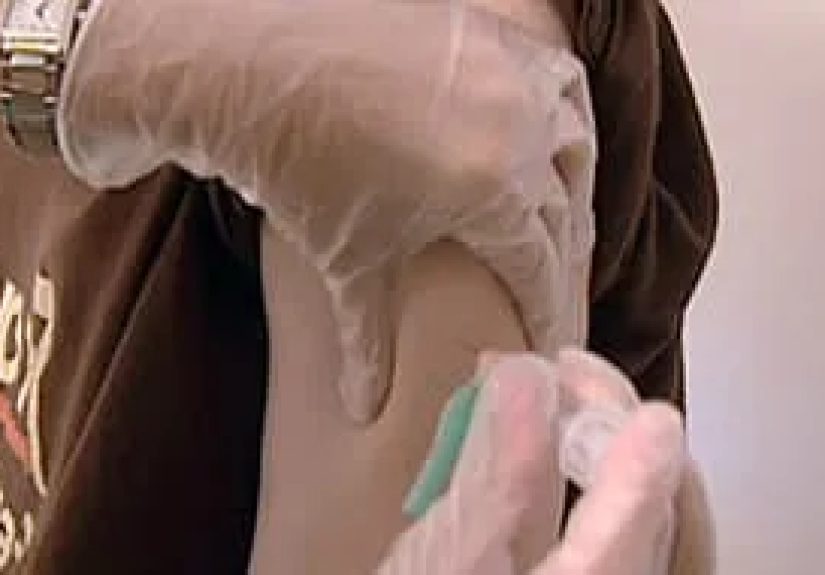
Many teens are not especially thrilled about shots, but the appointment is usually fast and uneventful. The common experience is pretty ordinary: a quick arm poke, a little soreness later, maybe some fatigue, then life goes on. What tends to feel bigger than the actual shot is the decision-making around it. Families want to know whether the booster is really necessary, whether MenB should be added, and whether college housing changes the answer. That uncertainty is often the hardest part, not the appointment itself.
For parents of college-bound students, the topic can suddenly feel much more urgent. Once dorm forms, housing deposits, and orientation packets show up, the phrase “meningitis vaccine” stops sounding like abstract public health language and starts sounding like a deadline. Families often describe a scramble to compare the pediatrician’s records, the state immunization registry, the school requirement, and the college’s own form. Somewhere in that process, they discover that one school wants proof of MenACWY after age 16, while the doctor also wants to discuss MenB because the student will be living in a residence hall. It is a very modern kind of stress: medically important, administratively annoying, and somehow always due by Friday.
Teens themselves often experience the conversation differently. Some are focused on side effects because they have a game, exam, rehearsal, or work shift later that day. Others care more about whether they can get multiple vaccines at once and still function like a normal human being afterward. Many are surprised to learn there are separate meningococcal vaccines and that the age-16 booster people talk about is usually MenACWY, while MenB can be a separate decision. Once that distinction is explained clearly, the whole topic gets less mysterious.
Another common experience is relief. Families often feel better once someone finally explains the schedule in normal language: first MenACWY at 11 or 12, booster at 16, catch-up if it was delayed, and MenB discussion in the later teen years. That clarity matters because vaccine confusion is incredibly common, especially when life is busy and old records are buried in a portal no one has opened since eighth grade. By the end of the appointment, many parents leave thinking the same thing: the shot was simpler than the research.
And that may be the most relatable part of this whole topic. The real experience is rarely dramatic. It is usually a practical health task tucked into a hectic family schedule. But because meningococcal disease can be so serious, that practical task carries real value. A brief appointment, a sore arm, and a checked box on the record can offer peace of mind during the years when teens are gaining independence, meeting more people, and stepping into new environments. Not glamorous, perhaps. But quietly important? Absolutely.
Final Takeaway
If you remember only one thing from this article, make it this: for most healthy teens, the routine meningitis vaccine booster shot age is 16, and that refers to the MenACWY booster. If the first MenACWY shot was given at 16 or later, a routine booster usually is not needed. Meanwhile, MenB is a separate vaccine that may be given between 16 and 23, with 16 to 18 the preferred age range, especially after a discussion with a healthcare provider.
That is the clean version. The smart version is this: check the immunization record, ask which meningococcal vaccine is due, and do not wait until the school or college form is already glaring at you from your inbox. When it comes to vaccines, being early is usually easier than being frantic.







 Close
Close