
Table of Contents >> Show >> Hide
- Why Appetite Disappears During Cancer (and Why “Small” Can Be Smart)
- The Golden Rules of Eating When You’re Not Hungry
- Best Meals and Snacks for Cancer Patients With No Appetite
- 1) Smoothies and shakes (the “I can sip this” solution)
- 2) Nutrition drinks and “fortified” beverages
- 3) Soft, comforting “mini-meals”
- 4) High-calorie snacks that don’t feel like “a meal”
- 5) Sandwiches that go down easier
- 6) “Breakfast anytime” plates
- 7) Gentle choices for nausea days
- 8) Ideas for taste changes (metallic, bitter, “why does water taste weird?”)
- 9) Options for mouth sores or dry mouth
- A Simple “Mini-Meal Schedule” You Can Copy
- Food Safety: A Quick Note (Because Cancer Treatment Can Lower Immunity)
- When to Ask for Help (and What Help Can Look Like)
- Conclusion: The Goal Isn’t a Perfect PlateIt’s a Supported Body
- Real-Life Experiences: What Eating With No Appetite Can Actually Feel Like (and What Often Helps)
Cancer can do a lot of things. One of its least helpful “talents” is turning your appetite into a disappearing act.
Between treatment side effects (nausea, taste changes, mouth sores, fatigue) and the stress of the whole situation,
eating can feel like a chore you didn’t sign up for. If you’re reading this because food has started feeling like
an awkward small talk conversation“So… do you want me? No? Cool.”you’re not alone.
Here’s the good news: when appetite is low, you don’t need “perfect nutrition.” You need “good enough nutrition,”
done consistently. Think of it like charging a phone with a finicky cable: little boosts throughout the day can keep
you running. This guide covers practical meals and snacks for cancer patients with no appetite, plus simple ways to
add calories and protein without turning every bite into a math problem.
Quick medical note: Nutrition needs during cancer treatment vary a lot. If your care team has given you a special diet
(for example, neutropenic food safety precautions, swallowing modifications, kidney-related limits, diabetes targets,
or tube-feeding instructions), follow that plan first. If you can’t keep food or fluids down, are losing weight fast,
feel dizzy/confused, have trouble swallowing, or have signs of dehydration, contact your oncology team promptly.
Why Appetite Disappears During Cancer (and Why “Small” Can Be Smart)
Appetite loss during cancer treatment is common. Chemo, radiation, surgery, pain meds, and the cancer itself can change
how food tastes or smells, slow digestion, cause nausea or constipation, and drain energy. The result: the idea of a full
plate can feel overwhelming.
The strategy most oncology dietitians lean on is simple: small, frequent, calorie- and protein-dense eating.
Instead of three big meals, aim for “mini-meals” every 2–3 hours (or even every 1–2 hours on rough days). If hunger never
shows up, eating by the clock is still a win.
The Golden Rules of Eating When You’re Not Hungry
1) Make every bite count (calories + protein first)
When appetite is low, big salads and broth-based soups can fill you up without giving you enough energy. Save “light”
foods for when you actually want them. For now, prioritize foods that pack more nutrition into smaller portions:
eggs, dairy, nut butters, avocado, beans, fish, poultry, tofu, and smoothies made with calorie boosters.
2) Use “calorie boosters” like it’s your new hobby
You don’t need larger portionsyou need smarter add-ins. Try mixing one or two of these into whatever sounds tolerable:
- Olive oil or melted butter stirred into mashed potatoes, pasta, rice, or soup
- Nut butter (peanut, almond, sunflower) added to oatmeal, smoothies, or toast
- Avocado added to sandwiches, scrambled eggs, smoothies, or soups (yes, really)
- Full-fat yogurt or Greek yogurt in smoothies, dips, or parfaits
- Cheese added to eggs, casseroles, baked potatoes, or blended soups
- Half-and-half or whole milk added to cereal, hot cocoa, pudding, or creamy soups
- Powdered milk mixed into mashed potatoes, oatmeal, or casseroles
3) Drink strategically (don’t “water-fill” your stomach)
Fluids are important, but drinking a lot right before or during meals can make you feel full faster.
Many care teams suggest sipping fluids throughout the day and timing bigger drinks a bit away from mealsespecially
when you’re trying to get more calories in.
4) Keep it easy, keep it nearby
When fatigue hits, cooking becomes a competitive sport you did not train for. Set yourself up with grab-and-go options:
snacks on the counter, a small basket by the bed, single-serve items, and a list of “safe foods” that usually work.
Convenience is not lazinessit’s a strategy.
Best Meals and Snacks for Cancer Patients With No Appetite
Below are options that tend to be easier to eat, gentler on the stomach, and adaptable for common side effects. Pick a few
and rotatevariety helps when taste changes show up out of nowhere like an uninvited guest.
1) Smoothies and shakes (the “I can sip this” solution)
Smoothies are a favorite in oncology nutrition because they’re customizable, quick, and easier than chewing when you’re tired
or sore. The trick is building them with protein and calories, not just fruit and ice.
- PB Banana Boost: banana + milk/soy milk + peanut butter + Greek yogurt + honey (optional)
- Berry Cream Smoothie: mixed berries + Greek yogurt + milk + oats + a drizzle of maple syrup
- Avocado Vanilla Shake: avocado + milk + vanilla yogurt + a splash of vanilla extract
- “Meal-in-a-glass” add-ins: powdered milk, protein powder recommended by your team, nut butter, oats, or tofu
If smell is a problem, try chilled smoothies, use a lidded cup, and blend in a different room if possible. (Yes, this is a real
workaroundcancer treatment can turn food odors into villains.)
2) Nutrition drinks and “fortified” beverages
Commercial nutrition shakes can be helpful when solid food is a no-go. They can also act as a snack between mini-meals.
If the taste is too strong, try serving them cold, pouring over ice, or blending with banana or coffee (if allowed).
- Ready-to-drink nutrition shakes
- Hot cocoa made with whole milk
- Chai or decaf latte with milk and a little honey
- Broth-based drinks with added protein (ask your team if protein powders are appropriate)
3) Soft, comforting “mini-meals”
Soft foods can be easier when you have mouth sores, dry mouth, or just zero interest in chewing. Add fats and protein to boost
calories without making portions bigger.
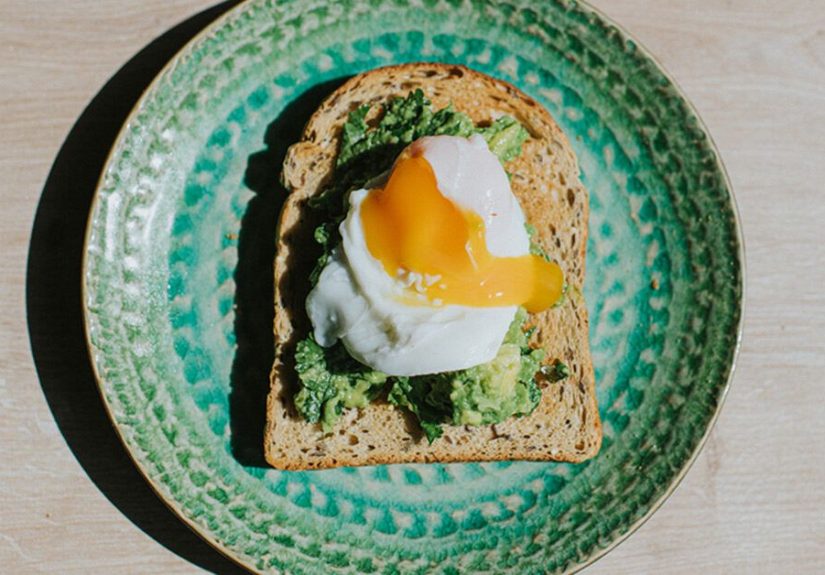
- Scrambled eggs with cheese or avocado
- Oatmeal made with milk + nut butter + cinnamon + honey
- Mac and cheese (homemade or store-bought) with extra cheese stirred in
- Mashed potatoes with butter, olive oil, and shredded cheese
- Creamy soups (tomato, butternut squash, potato) with added cream or Greek yogurt
- Rice pudding, chia pudding, or regular pudding with whipped cream
4) High-calorie snacks that don’t feel like “a meal”
Sometimes the word meal is the problem. Snacks can feel easierless pressure, fewer expectations, and no one is judging you
for eating crackers at 10:47 a.m. (Food has no clock. Only vibes.)
- Cheese and crackers (add hummus or avocado if you can)
- Trail mix or nuts (or nut butter packets if chewing is hard)
- Greek yogurt cups (add granola if tolerated)
- Cottage cheese with fruit or honey
- Toast with peanut butter, almond butter, or avocado
- Hard-boiled eggs (sprinkle with salt, paprika, or a little mayo if that helps)
- Mini muffins, banana bread, or soft granola bars
5) Sandwiches that go down easier
If dry foods are tough, use moisture as your friend: mayonnaise, yogurt-based spreads, gravy, sauces, and brothy sides.
- Egg salad or tuna salad on soft bread
- Turkey and cheese with avocado and a creamy spread
- Hummus and soft-roasted veggies in a wrap
- PB&J (classic for a reason) with a glass of milk
6) “Breakfast anytime” plates
Many people tolerate breakfast foods betterespecially earlier in the day. If appetite is best in the morning, treat morning
like your main event.
- Eggs + toast + yogurt
- Pancakes or waffles with butter and nut butter
- Breakfast burrito (eggs + cheese + avocado) in a soft tortilla
- Cereal with whole milk + banana slices
7) Gentle choices for nausea days
When nausea is driving, your job is to keep the car on the roadsmall amounts, more often, and foods that don’t trigger you.
Cool or room-temperature foods often smell less intense.
- Toast, crackers, pretzels, or plain bagels
- Applesauce, bananas, canned peaches
- Plain rice, noodles, or mashed potatoes (add butter when tolerated)
- Ginger tea or ginger candies (if your team says it’s OK)
- Small sips of smoothies or nutrition drinks instead of a full glass
8) Ideas for taste changes (metallic, bitter, “why does water taste weird?”)
Taste changes can make favorite foods suddenly awful. If you’re dealing with metallic or bitter flavors, try experimenting:
- Use plastic utensils if metal taste is strong
- Try tart flavors like lemon (if no mouth sores), or use marinades and sauces
- Choose cold foods (less smell, sometimes easier taste-wise)
- Rinse your mouth before meals (ask your care team about safe mouth rinses)
- Swap proteins: if meat is off-putting, try eggs, dairy, beans, tofu, or nut butters
9) Options for mouth sores or dry mouth
If your mouth hurts, the goal is soft, smooth, and not too spicy or acidic. Avoid rough, crunchy foods when they scrape.
- Yogurt, pudding, custards
- Blended soups and purees
- Soft scrambled eggs
- Oatmeal or cream of wheat made with milk
- Smoothies (avoid citrus if it stings)
A Simple “Mini-Meal Schedule” You Can Copy
If hunger cues are missing, structure can help. Here’s an example day (adjust based on your treatment schedule and what you can tolerate):
- 8:00 a.m. Greek yogurt + honey (or a nutrition shake)
- 10:00 a.m. Toast with nut butter
- 12:00 p.m. Creamy soup + soft bread
- 2:00 p.m. Smoothie with milk + nut butter
- 4:00 p.m. Cheese and crackers or cottage cheese
- 6:00 p.m. Scrambled eggs with cheese + mashed potatoes
- 8:00 p.m. Pudding or ice cream (yes, it counts)
Food Safety: A Quick Note (Because Cancer Treatment Can Lower Immunity)
Some cancer treatments can weaken the immune system. That may mean extra caution with foodborne germs. Your care team may recommend
stricter food safety steps depending on your counts and treatment plan. In general:
- Wash hands and produce well
- Cook meats/eggs thoroughly and avoid raw/undercooked items
- Avoid unpasteurized dairy/juices
- Keep cold foods cold, hot foods hot, and refrigerate leftovers promptly
If you’ve been given a “neutropenic diet” or special instructions, follow those specificseven if TikTok says otherwise.
TikTok is not on your oncology team.
When to Ask for Help (and What Help Can Look Like)
Appetite loss isn’t just inconvenientit can affect strength, healing, and quality of life. If you’re struggling, bring it up early.
Your team may be able to help with nausea control, constipation treatment, mouth pain relief, taste-change strategies, or referrals
to an oncology dietitian. Sometimes medication adjustments or appetite support are appropriate, but that’s a decision for your clinicians.
Conclusion: The Goal Isn’t a Perfect PlateIt’s a Supported Body
When you’re a cancer patient with no appetite, eating can feel like an unfair extra job. The solution usually isn’t “try harder.”
It’s “make it easier.” Use small, frequent meals. Rely on smoothies and nutrition drinks when chewing feels impossible. Choose soft,
high-calorie, high-protein snacks. Add calorie boosters to foods you already tolerate. And ask for help earlynutrition support is part of care.
Real-Life Experiences: What Eating With No Appetite Can Actually Feel Like (and What Often Helps)
The advice above is practical, but real life is messier than a checklist. People going through cancer treatment often describe appetite loss
as more than “not hungry.” It can feel like food has become emotionally loud: the smell is too strong, the texture is wrong, the portion looks
impossible, and the pressure to eat makes everything worse. What helps most is usually a mix of flexibility, tiny wins, and teamwork.
The “two bites is still progress” season: Many patients go through stretches where they can only manage a few bites at a time.
A common shift that helps is redefining success. Two bites of scrambled eggs at 9 a.m. is not “failing breakfast”it’s starting a pattern.
Add two more bites at 11 a.m. and a few sips of a shake at 1 p.m., and suddenly the day contains real nutrition without one big battle.
People who adopt the “micro-meal mindset” often feel less defeated and more in control.
The “my favorite food betrayed me” moment: Taste changes can be emotional. Someone might crave a beloved meal, take one bite,
and feel like it tastes like pennies, cardboard, or sadness. When that happens, many people do better by making a short list of “safe foods”
that usually workmaybe vanilla yogurt, mashed potatoes, broth with noodles, a specific smoothie, or a certain brand of nutrition drink.
The safe-food list isn’t meant to be exciting; it’s meant to be reliable. Excitement can come back later.
The “smell is the enemy” workaround: Odors can be a major appetite killer. In practice, people often discover that cold or room-temperature
foods are easier: smoothies, yogurt, pudding, chilled pasta, sandwiches, or fruit. Caregivers sometimes help by cooking when the patient is out of the room,
using a fan, opening windows, or choosing less aromatic foods. The goal isn’t gourmetit’s tolerable.
Caregivers learn the art of offering (without pressure): Families mean well, but “You HAVE to eat!” can make appetite disappear faster.
Many caregivers find better success with a softer approach: offering small options, asking “sweet or savory?” instead of “what do you want?”, and keeping
snacks visible and ready. It can also help to plate tiny portionsbecause a mountain of food can be intimidating even before the first bite.
The “drinks saved the day” pattern: A lot of people report that liquids become the bridge when solid food feels impossible.
A smoothie with Greek yogurt, milk, and peanut butter; a cold nutrition shake; hot cocoa made with whole milk; a creamy soup blended smooth
these can deliver meaningful calories and protein with less effort. Some people set a simple goal like “one nutrition drink per day” and treat it like
a medication: not optional, not dramatic, just part of the routine.
The “timers and routines are weirdly comforting” surprise: When hunger cues vanish, waiting to feel hungry doesn’t work.
People often do better with scheduled eatingan alarm every 2–3 hours for a few bites or sips. It’s not romantic, but it is effective. And on days when
everything feels uncertain, a routine can be calming: one small snack at a time, one predictable step forward.
The emotional side matters: Appetite loss can also carry guiltpatients may feel they’re “not trying,” and caregivers may feel helpless.
What many families learn is that kindness helps more than criticism. Celebrate small wins. Keep experimenting without forcing it. And when it’s getting
harder, not easier, loop in the care team early. An oncology dietitian can tailor strategies to symptoms (nausea, constipation, mouth sores, swallowing trouble),
and clinicians can address side effects that make eating feel impossible.
In the end, the most common “success story” is not a sudden return of appetite. It’s a gradual collection of workable tricks:
a smoothie that doesn’t taste weird, a snack basket that’s always within reach, a reminder alarm that nudges without nagging, and a caregiver who asks,
“Want two bites now or in ten minutes?” instead of “Why won’t you eat?” Those small shifts can make a big differencebecause nutrition during cancer isn’t
about being perfect. It’s about being supported.







 Close
Close