
Table of Contents >> Show >> Hide
- 1) Start With the Room’s “Job Description”
- 2) Layout First: The Fastest Way to Make It Feel “Designed”
- 3) Color Schemes That Age Well (Even If Your Taste Evolves)
- 4) Rugs: The Secret Weapon of Living Room Design
- 5) Lighting: Make It Flattering, Functional, and Flexible
- 6) Furniture: Scale, Comfort, and Pieces That Earn Their Space
- 7) Texture: The Shortcut to Cozy Living Room Decor
- 8) Styling Without Clutter: Art, Shelves, and the Coffee Table
- 9) Storage That Doesn’t Ruin the Vibe
- 10) Style Directions That Always Work
- 11) Common Living Room Mistakes (and Easy Fixes)
- Conclusion: A Living Room That Looks Good and Lives Better
- of Real-Life Experience: What Actually Worked in My Living Rooms
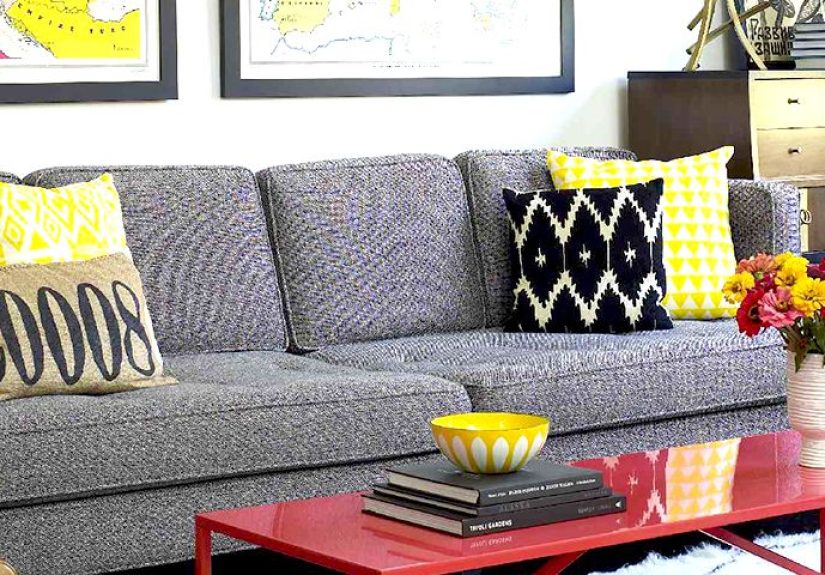
Your living room is the stage where real life happens: binge nights, awkward small talk, birthday candles,
and that one friend who always “just needs to charge their phone” (and somehow stays for three hours).
Decorating it well isn’t about chasing trends or turning your home into a showroom. It’s about creating a space
that works and looks like you meant to do it on purposeeven if you absolutely did not.
Below are living room decorating ideas that designers lean on again and again: smart layouts, paint and color schemes,
rug sizing that won’t make your furniture look like it’s stranded on tiny islands, lighting plans that flatter humans,
and styling tricks that read “effortless” instead of “I panic-bought décor at 9:47 p.m.”
1) Start With the Room’s “Job Description”
Before you pick a throw pillow with the confidence of a game-show contestant, answer one question:
What does this living room need to do? A family room that handles movie marathons needs different choices than
a “formal” living room that mostly hosts plants and guilt.
Ask yourself (honestly):
- Who uses it? Kids, pets, roommates, your in-laws who “don’t sit on light upholstery.”
- What happens here? TV, reading, board games, work-from-couch, entertaining, naps that start as “just a minute.”
- What’s the pain? Not enough seating, glare on the TV, clutter, awkward traffic flow, zero storage.
Once you know the job, you can choose the right layout, furniture, and living room décor. Otherwise, you’ll end up with a gorgeous space
where nobody can comfortably sit… which is a bold strategy, but not a welcoming one.
2) Layout First: The Fastest Way to Make It Feel “Designed”
A strong living room layout is basically invisiblebecause it feels easy. People can walk through without doing the side-step shuffle,
sit without moving three chairs, and chat without yelling across the coffee table like they’re ordering at a drive-thru.
Pick your focal point (then stop fighting it)
Most living rooms naturally point toward one feature: a fireplace, a big window, a built-in, or the TV. Choose the true focal point and
arrange around it. If the TV is the focal point, own itthen make it look intentional (a media console, built-ins, darker wall paint,
or art around it can help it blend in).
Use a “conversation circle” rule
Place seating so people can talk without craning their necks. In many rooms, that means a sofa plus two chairs facing in (or a sectional
with one or two flexible seats). If you have lots of space, create two zones: a chat zone and a reading/game zone.
Float furniture when you can
Pushing everything against the walls can make the center feel empty and the perimeter feel like a waiting room. Try “floating” the sofa
a few inches (or even a couple feet) off the wall. It often improves traffic flow and makes the layout feel deliberate.
Keep walkways human-friendly
You don’t need to measure with laser precision, but you do want clear paths. Make sure there’s easy movement from entry points to seating
and between key areas (like the sofa and coffee table). If you’re constantly bumping your shin, your layout is filing a complaint.
Awkward room? Use anchors
Rectangular rooms, open-concept spaces, and “why is the door there?” layouts benefit from anchors:
an area rug to define the zone, a console behind the sofa, and lighting at different heights to visually “gather” the space.
3) Color Schemes That Age Well (Even If Your Taste Evolves)
A living room color scheme should support the mood you want: calm, cozy, bright, dramatic, playful, or “I want my guests to think I have my life together.”
The trick is choosing colors that look good in your lighting and connect to the rest of your home.
The easiest formula: a flexible neutral + one strong accent
Start with a base you can live with for years (warm white, soft greige, light taupe, gentle gray, or a quiet beige). Then bring in one
bolder color through art, pillows, a chair, curtains, or even one painted feature.
This keeps the room adaptableswitching accents is cheaper than repainting every time you discover a new favorite color on social media.
Think in undertones, not just “white vs. beige”
Paint has undertones that change with daylight and lamps. A “neutral” can skew pink, green, yellow, or blue. Test paint samples on multiple walls
and check them morning, afternoon, and evening. Your living room deserves better than a surprise lavender vibe at sunset.
Use contrast to add depth
If everything is the same light value, the room can feel flat. Add contrast with darker wood, black accents, a deeper rug, or strong artwork.
Even a subtle contrastlike cream upholstery against warm white wallsadds definition without feeling busy.
4) Rugs: The Secret Weapon of Living Room Design
If you do one thing to make your living room look more finished, do this:
get the right rug size. A too-small rug makes furniture look like it’s awkwardly hovering, like it’s afraid of commitment.
Quick rug-sizing cheat codes
- Best-case: All front legs of sofas and chairs sit on the rug (or all legs, if the room is large).
- Small living room: Prioritize front legs on the rug to visually connect seating.
- Open concept: Use the rug to define the living zone and separate it from dining/kitchen areas.
Layering adds instant “designer” energy
If you love texture, layer a smaller patterned rug over a larger natural-fiber base (like jute). It builds depth and lets you bring in pattern
without committing your entire floor to it.
Choose the right material for real life
In high-traffic family rooms, look for durable options (tight weaves, performance rugs, low-pile designs). In quieter spaces, you can go plush
for comfort. Your bare feet will write thank-you notes.
5) Lighting: Make It Flattering, Functional, and Flexible
A single overhead “big light” can make a living room feel like an interrogation scene. Great living room lighting comes from layers:
ambient (overall), task (reading/working), and accent (highlighting art, shelves, or architectural features).
A simple lighting plan that works in most rooms
- Ambient: ceiling fixture, recessed lights, or a bright floor lamp.
- Task: table lamp next to seating, swing-arm lamp, or adjustable floor lamp.
- Accent: picture lights, sconces, LED strips in shelves, or a small spotlight on a plant (yes, plants deserve drama too).
Add dimmers if you can. If you can’t, use smart bulbs. Mood control shouldn’t require a renovationjust a tiny bit of planning and the willingness
to stop buying bulbs labeled “Ice Planet Daylight.”
6) Furniture: Scale, Comfort, and Pieces That Earn Their Space
Living room furniture should fit the room and your life. That means the right scale, enough seating, and at least one flexible piece.
Choose the right sofa (your living room’s main character)
A sofa that’s too large will swallow the room; too small looks like it got lost on the way to a studio apartment. Measure your space and plan
your paths. If you love sectionals, pick one that suits the layout and doesn’t block entrances or windows.
Mix seating types for a balanced look
A matching sofa-and-loveseat set can feel dated and bulky. Try a sofa plus two chairs, or a sofa plus a chair and an ottoman. Mixing shapes
and materials adds dimension without making the room feel chaotic.
Small living room? Go “fewer, better”
In compact spaces, choose fewer pieces with more impact: a well-proportioned sofa, a streamlined coffee table, and one chair that can move around.
Furniture with exposed legs often feels lighter. Storage ottomans can do double duty as seating and clutter control.
7) Texture: The Shortcut to Cozy Living Room Decor
If your room feels “nice but not inviting,” it’s usually missing texture. Texture creates warmth even in neutral color schemes and modern living rooms.
The goal is not to add more stuffit’s to add better variety.
Easy texture upgrades
- Layer pillows in different fabrics (linen, boucle, velvet, cotton) instead of all one shiny set.
- Add a throw that feels good, not just one that looks good folded on a chair forever.
- Mix materials: wood, metal, stone, ceramic, glass, and something woven.
- Bring in greeneryreal plants if you can, good faux if you can’t (no shame, we’ve all killed a fern).
Texture is also how you make minimalism feel warm. A clean-lined sofa plus a wool rug, a chunky knit throw, and a textured lamp shade can feel
modern and welcoming.
8) Styling Without Clutter: Art, Shelves, and the Coffee Table
Styling is where living rooms often go off the rails: either totally bare (sad) or packed with tiny objects (also sad, but louder).
Aim for a few intentional moments.
Go bigger with art
One larger piece (or a confident gallery wall) usually looks more polished than a random collection of small frames spaced like you were afraid of
bothering the wall. Hang art at eye level, and remember: art should relate to furniture below itdon’t float it near the ceiling unless you’re
specifically trying to confuse future historians.
Coffee table styling: the 3-part formula
- Something tall: a vase, a candlestick, a sculptural object.
- Something stackable: a couple of books or a tray.
- Something personal: a bowl you actually use, a meaningful object, or a quirky find.
Leave breathing room. Negative space is not “wasted”it’s what makes the room feel calm and intentional.
9) Storage That Doesn’t Ruin the Vibe
A beautiful living room that can’t handle real life quickly turns into a museum (and not the fun kind with dinosaurs). Smart storage keeps
your space functional without looking like a supply closet.
Designer-approved storage ideas
- Closed storage: consoles, credenzas, and cabinets hide cords, games, and the “miscellaneous” pile.
- Open shelving: great when styled simply; add baskets or boxes to keep it tidy.
- Room dividers with storage: especially helpful in studios and open-concept layouts.
- Storage ottomans: blankets in, feet up, problems solved.
10) Style Directions That Always Work
You don’t need a strict theme, but you do need a consistent threadmaterials, colors, shapes, or an overall mood.
Here are a few living room design ideas that hold up over time:
Warm modern (clean but not cold)
Pair modern lines with warm woods, textured rugs, and soft lighting. Keep the palette restrained, then add personality through art and one or two
sculptural pieces.
Classic and cozy (timeless comfort)
Think comfortable seating, layered textiles, traditional shapes, and a palette built on warm neutrals with deep accents (navy, forest green, rust).
Add vintage elements for character.
Eclectic done right (mixing with intention)
Eclectic works when you repeat a few things: a color family, a metal finish, or a shape. Mix eras, but keep proportions balanced.
A wild card piece (like a bold chair) is greatjust give it supporting cast members that don’t also demand applause.
11) Common Living Room Mistakes (and Easy Fixes)
Mistake: The rug is too small
Fix: Size up so the seating connects. If budget is tight, choose a larger budget-friendly rug and layer a smaller patterned one.
Mistake: Everything is the same height
Fix: Add height variation with a floor lamp, tall plant, or vertical art. Layer lighting at different heights for instant depth.
Mistake: The room feels “flat”
Fix: Add contrast (dark accents, textured fabrics, or a stronger wall color) and mix materials (wood + metal + soft textiles).
Mistake: Too much tiny décor
Fix: Swap small scattered items for fewer larger pieces (one big vase, one strong art piece, one bold lamp).
Mistake: No plan for clutter
Fix: Add at least one closed-storage piece and one “drop zone” (a tray on a console counts).
Conclusion: A Living Room That Looks Good and Lives Better
The best living room decorating ideas aren’t complicatedthey’re thoughtful. Get the layout right, choose a flexible color scheme, ground the room
with the right rug, layer lighting like you enjoy seeing people’s faces, and add storage so your space can handle real life.
Then style it with restraint and personality, because the goal isn’t perfectionit’s a room that makes you want to stay.
And if you take nothing else: measure first, buy later. Your shins will thank you.
of Real-Life Experience: What Actually Worked in My Living Rooms
I used to think “living room design” was mostly about picking a sofa color and pretending I had opinions about lamps. Then I moved into a place where the
living room was also the dining room, the office, andemotionallythe storage unit. That’s when I learned the difference between decorating for photos
and decorating for life.
The first mistake was classic: I bought a rug that looked “normal” online and arrived in real life as a decorative napkin. My sofa and chairs sat around it
like disappointed relatives at a tiny wedding cake. Upsizing the rug immediately made the room feel calmer and more expensive, even though nothing else changed.
Suddenly, the furniture felt connected, like it belonged together instead of meeting for the first time at a group project.
Next came the layout. I had pushed everything against the walls because I thought that’s what you do in a small living room. It actually made the room feel
like a hallway with furniture anxiety. Pulling the sofa forward a bit and adding a slim console behind it created a “zone,” which sounds fancy but is really
just a way to tell your room, “Relax, you have a purpose.” The console also became the official charging station, which reduced cord chaos by roughly 73%
(a scientifically meaningless number, but spiritually accurate).
Lighting was the biggest surprise. I relied on the overhead fixture and wondered why the room felt harsh at night. Adding two table lamps and a floor lamp
changed everything: the room felt warmer, my eyes felt happier, and guests stopped squinting like they were being asked to solve a crime. I also learned that
bulbs matter. Switching to warm, soft light made the whole space feel more invitinglike the room was offering a blanket instead of a performance review.
Color was a lesson in humility. I once painted a wall a bold shade that looked stunning on a tiny swatch and unhinged on eight feet of drywall. The fix wasn’t
abandoning colorit was balancing it. A calmer base on the walls with bolder accents (pillows, art, one fun chair) gave me the personality without the visual
shouting. And samples on multiple walls? Mandatory. Morning light and evening light are basically different roommates with different opinions.
Finally: storage. I resisted closed storage because I wanted the room to look airy. But an “airy” room with clutter still reads as clutterjust with better
intentions. A cabinet with doors hid the mess, open shelves displayed the pretty stuff, and a storage ottoman swallowed blankets like it was born for the job.
The result wasn’t sterile or staged. It was a living room that could handle guests, lazy Sundays, and the occasional “where did we put the remote?” mystery.
The takeaway from all of this is simple: the best living room design ideas are the ones that survive Tuesday night. If the room feels easy to use, it will
look better, toobecause comfort is a form of style (and also because nobody relaxes in a room that’s constantly poking them in the kneecap).






 Close
Close