
Table of Contents >> Show >> Hide
- Start With the Three Questions That Fix 80% of Living Rooms
- Living Room Layout Ideas That Look Good and Live Well
- Color and Paint: Make It Cohesive Without Making It Boring
- Rugs: The Fastest Way to Make a Room Feel Finished
- Lighting: Layer It Like a Pro (No “Big Light” Bullying Required)
- Window Treatments: The Secret Weapon for Instant “Designer” Energy
- Furniture and Scale: The Real Reason Rooms Feel “Off”
- Wall Decor and Styling: Make It Personal Without Making It Cluttered
- Storage That Doesn’t Ruin the Vibe
- Small Living Room Design Ideas That Make a Big Impact
- Three “Designer-Looking” Living Room Recipes (Copy/Paste These)
- Real-World Living Room Experiences (About )
- Conclusion
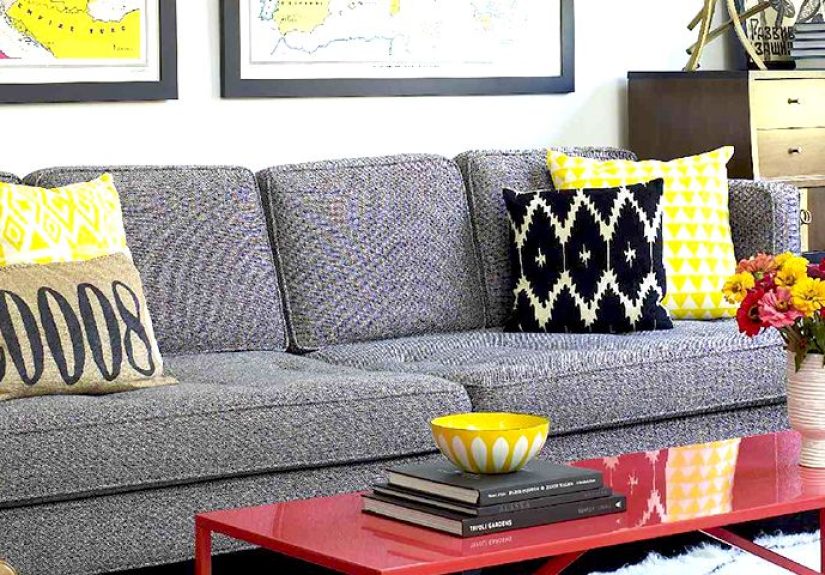
Your living room has an impossible job description. It’s a movie theater, a conversation lounge, a snack stadium, a nap pod, a homework station, and (if you have pets) a highly trafficked fur distribution center. The good news: you don’t need a full renovationor a degree in “Throw Pillow Science”to make it look polished and feel genuinely comfortable.
This guide pulls together proven, designer-backed principles and real-world decorating moves you can actually use. We’ll cover layout, color, lighting, rugs, art, styling, and storageplus practical “room recipes” for common living room problems. Let’s make your space feel intentional, not like you paused mid-move-in.
Start With the Three Questions That Fix 80% of Living Rooms
1) What is the primary job of the room?
Pick the top one or two functions: entertaining, family lounging, TV watching, reading, hosting guests, or a hybrid. A living room designed for conversation looks different from one designed for gaming marathons (both are valid life choices).
2) Where do people naturally enter, walk, and sit?
Great design respects traffic flow. If everyone has to squeeze past a coffee table like it’s an obstacle course, the room won’t feel relaxingno matter how expensive the sofa is.
3) What do you want people to notice first?
This is your focal point: a fireplace, a big window, a wall of art, a built-in bookcase, or even a stunning media console. A room without a clear focal point tends to look “fine,” which is interior design’s version of “we should talk.”
Living Room Layout Ideas That Look Good and Live Well
Create a conversation zone (even if you love TV)
One of the most common layout mistakes is pushing all the furniture against the walls. Floating piecesjust a littlecan make the room feel more designed and more social. Try pulling the sofa forward so it relates to the rug and coffee table, and add chairs that angle slightly inward. You’re building a “circle of talk,” not a “row of waiting room.”
Use simple spacing rules that save your knees
- Walkways: Aim for a clear path that doesn’t require side-stepping.
- Coffee table distance: Roughly the width of a comfortable step between seating and tableclose enough to reach your drink, far enough to avoid bruises.
- Balance the weight: If one side has a big sofa, the other side needs visual “weight” too (a pair of chairs, a tall plant, a substantial lamp, or a bookcase).
Pick a layout “recipe” that matches your room shape
- Small room: Loveseat + one accent chair + round coffee table + large rug to visually expand the floor.
- Long/narrow room: Arrange seating in two groupings or pull seating across the width so the room doesn’t feel like a hallway.
- Open floor plan: Use rugs and lighting to define a living area “island,” so it feels like a room, not furniture floating in a void.
- Family/TV focus: Use a sectional (or sofa + chaise) and add one “conversation chair” so it isn’t a pure screen shrine.
Color and Paint: Make It Cohesive Without Making It Boring
Choose a mood, then choose a palette
Color works best when it supports the feeling you want: calm, energizing, cozy, dramatic, airy, playful, or grown-up-and-put-together. If you want calm, you’ll likely lean into warm neutrals, muted greens, soft blues, or creamy whites. If you want drama, deeper hues like navy, forest green, or aubergine can feel rich and cocooning.
Try the “easy math” approach: 60-30-10
If picking colors makes your brain feel like it’s buffering, use a simple distribution: a dominant color (walls/rug), a secondary color (sofa/curtains), and an accent (pillows/art). It’s not a lawmore like a friendly GPS that prevents “Wait… why does this feel chaotic?”
Use contrast to avoid the “beige blur” effect
Neutral rooms look best when they have contrast through texture and tone. Pair warm white walls with a medium-toned rug, natural wood, and black or bronze accents. Add dimension with linen, wool, leather, bouclé, and matte ceramics. Your goal: soft layers, not a single shade of “oat milk” everywhere.
Rugs: The Fastest Way to Make a Room Feel Finished
Go bigger than your instincts (most people buy too small)
A rug should anchor the seating area. When it’s too small, furniture looks disconnectedlike everyone showed up to the party but didn’t exchange names. A larger rug visually expands the room and makes the layout feel intentional.
Three placements that almost always work
- All legs on: Best for larger roomseverything sits on the rug for a “designed” look.
- Front legs on: Great for most living roomsfront legs of sofa and chairs on the rug; it connects the group.
- Floating rug (rarely): Only in very small spaces, and even then, it’s usually better to size up.
Pick a rug color by how you want to feel
Instead of hunting for a mythical “perfect” rug color, decide the vibe: calm and airy (light neutrals), grounded and cozy (warm mid-tones), bold and energizing (pattern), or moody and dramatic (deep solids). Then make sure the rug connects to at least two other elements in the room (like pillows + art, or curtains + sofa).
Lighting: Layer It Like a Pro (No “Big Light” Bullying Required)
Use three layers of light
- Ambient: Overhead fixture, flush mount, or chandelier for overall light.
- Task: Reading lamp by a chair, swing-arm sconce, or focused light near seating.
- Accent: Picture light, bookshelf lamp, or a small rechargeable lamp for glow and depth.
Place lamps at different heights
If all your light sources are the same height, the room feels flat. Mix a floor lamp, table lamp, and something higher (like a statement ceiling fixture). It creates dimension and makes the room feel warm at nightwhen most living rooms actually have to do their living.
Bulbs matter more than people think
Use warm, comfortable light for living rooms. A harsh, icy bulb can make even the nicest space feel like a dentist’s office waiting area. (No offense to dentists. Thank you for your service.)
Window Treatments: The Secret Weapon for Instant “Designer” Energy
Hang curtains higher and wider than the window
Mount curtain rods close to the ceiling and extend them beyond the window frame. This visually stretches the room and makes windows look larger. Curtains that touch (or just kiss) the floor look tailored and finishedshort curtains often look like they’re waiting for a flood warning.
Choose function first
- Privacy + light control: Layer sheers with drapes, or use shades plus curtains.
- Rental-friendly: Tension rods, no-drill brackets, or peel-and-stick shades can still look polished.
- Small room: Lighter fabrics help the space feel open and airy.
Furniture and Scale: The Real Reason Rooms Feel “Off”
Measure first, then fall in love
Scale matters more than style. A beautiful sofa that’s too deep for your room will feel like it’s trying to move in permanently. Tape out furniture dimensions on the floor to see how it fitsthis one trick prevents a shocking amount of regret.
Mix silhouettes for a collected look
Rooms feel more interesting when not everything matches. Pair a clean-lined sofa with a vintage side chair, or mix a modern coffee table with traditional art. The goal is cohesive, not coordinated. “Matching set” energy can read a little showroomunless that’s your vibe, in which case: live your best catalog life.
Choose one anchor piece, then support it
Make one item the hero: the sofa, a bold rug, a statement light, or a gallery wall. Then let the other pieces support it. If everything screams, nothing is heard.
Wall Decor and Styling: Make It Personal Without Making It Cluttered
Go bigger with art than you think you should
Small art floating on a big wall tends to look timid. A large piece, a pair of substantial prints, or a well-planned gallery wall fills the visual space and makes the room feel finished.
Style surfaces with the “rule of three-ish”
Group decor in odd numbers and mix heights: a stack of books, a bowl, and a candle; or a vase, a framed photo, and a small sculpture. Leave negative space. A surface should look styled, not like it’s holding auditions for “Stuff.”
Use plants like living accessories
A tall plant softens corners and adds height. A smaller plant adds life to shelves or side tables. If you’re not a plant person, choose one hardy option and treat it like a low-maintenance roommate.
Storage That Doesn’t Ruin the Vibe
Pick “hides stuff” pieces that still look good
- Storage ottoman: blankets, games, remote controls (aka tiny rectangles that vanish instantly).
- Media console with doors: keeps cords and clutter out of sight.
- Baskets: the easiest way to contain chaos without looking like you tried too hard.
- Built-ins or bookcases: can display the pretty things while hiding the practical ones.
Give every category a home
Pick 3–5 “living room categories” and assign them a spot: blankets, kids’ toys, pet supplies, tech accessories, and reading materials. If you can put things away in under 60 seconds, the room stays calmer longer.
Small Living Room Design Ideas That Make a Big Impact
Use fewer, better pieces
In a small room, too many small items can feel messy. One appropriately sized sofa, one chair, one rug that fits, and a couple of strong accents generally looks cleaner than a dozen tiny things competing for attention.
Pick furniture with visible legs
Raised-leg pieces feel lighter and help a space look more open. Heavy, skirted, or legless furniture can visually “block” the floor and make a room feel smaller.
Go vertical
Use tall curtains, shelves, and vertical art to draw the eye up. When the room feels taller, it usually feels larger too.
Three “Designer-Looking” Living Room Recipes (Copy/Paste These)
Recipe 1: The Cozy Conversation Room
- Neutral sofa + two accent chairs angled toward the center
- Large rug with front legs of all seating on it
- Round coffee table to soften traffic flow
- Two lamps + one overhead fixture + one small accent light
- Textiles: throw, 3–5 pillows in mixed textures
Recipe 2: The Family-Friendly TV Room (That Still Looks Good)
- Sectional or sofa + chaise, plus one movable accent chair
- Rug large enough to anchor the whole setup
- Closed storage for toys, controllers, and “mystery items”
- Washable throws, performance fabric, and a sturdy side table
- Art that adds personality and distracts from the TV when it’s off
Recipe 3: The Small Space Glow-Up
- Loveseat + one chair (or two chairs if you skip a big sofa)
- One large piece of art or a tall mirror
- Ceiling-height curtains in a light fabric
- Two light sources minimum (table lamp + floor lamp)
- One statement rug or one statement pillow setnot both
Real-World Living Room Experiences (About )
Most living rooms don’t fail because someone picked the “wrong” shade of greige. They struggle because real life shows uplaundry baskets wander in, packages arrive, someone leaves a hoodie on the chair “for later,” and suddenly your carefully styled space looks like it’s hosting a small, unplanned garage sale.
One of the most common experiences homeowners describe is the “Why does my room feel smaller than it is?” moment. The culprit is often a layout that hugs the walls and leaves the center empty. It’s a totally normal instinctpeople push furniture back to “open the room.” But in practice, it can create a weird no-man’s-land in the middle and make conversation feel distant. When people try pulling the sofa forward even 6–12 inches, adding a rug that actually connects the furniture, and centering the seating around a coffee table, the space starts to feel like a real gathering area. It’s a small move that creates an immediate “Oh… that’s better” reaction.
Another repeat scenario: buying decor before solving the big pieces. People often start with cute accessories because they’re fun and low commitmentpillows, candles, vases, little frames. Then they’re confused when the room still doesn’t feel finished. The experience usually shifts when they treat the “anchor items” as the foundation: a properly sized rug, a functional coffee table, and lighting that isn’t just one overhead fixture. Once those are right, the smaller decor suddenly looks like styling, not clutter.
Lighting is also a frequent revelation. Many people live with one ceiling light and wonder why the room feels harsh at night. When they add a floor lamp by the sofa and a table lamp on a side table, the room gets softer, warmer, and more dimensional instantly. It’s like the room went from “office break room” to “I could actually relax here.” Plus, layered lighting makes the same space work for different moodsbright for cleaning, soft for watching a movie, cozy for reading.
Then there’s the “I love my stuff, but it looks messy” experience. The solution isn’t always “get rid of everything.” It’s often “contain it.” Baskets and closed storage pieces help a living room feel calm without requiring you to become a minimalist monk. A single attractive basket for blankets or kids’ toys can change the whole energy: the room still feels lived-in, but not chaotic.
Finally, one of the most satisfying experiences people report is when their living room starts reflecting themnot just trends. Maybe it’s a gallery wall of travel photos, a vintage chair with a story, or a bold color that makes them happy every time they walk in. The living room becomes less about perfection and more about intention. And that’s the real design win: a space that looks good in photos, but feels even better on a random Tuesday night.
Conclusion
Great living room design isn’t about copying a showroom. It’s about creating a space that supports your lifeconversation, comfort, light, flow, and personality included. Start with function and layout, anchor the room with the right rug and lighting, then layer in color, texture, and personal touches. If your living room feels welcoming, you’ve already nailed the most important part.





 Close
Close