
Table of Contents >> Show >> Hide
- Why Mnemonics Save Lives (and Your Brain’s Reputation)
- Before You Memorize Anything: Three Safety Rules
- Medical Emergencies You Can Spot Fast
- Injuries and Accidents Where Seconds Matter
- Fire and Home Safety Mnemonics That Prevent Disaster
- Pro-Level Mnemonics (Still Useful for Regular Humans)
- How to Make These Mnemonics Stick (Without Becoming a Flashcard Person)
- Conclusion
- Real-World Experience: What It Feels Like to Use These Mnemonics
In an emergency, your brain does a fun little magic trick: it forgets everything you “totally know.”
Names? Gone. Passwords? Gone. The word “ambulance”? Suddenly spelled “am-bal-ants.”
That’s why mnemonics matter. They’re mental shortcuts you can grab when adrenaline is doing parkour in your bloodstream.
This guide rounds up the most useful lifesaving mnemonics (and a few simple memory hacks) for real-world first aid:
strokes, cardiac arrest, choking, bleeding, seizures, allergic reactions, overdoses, burns, heat illness, hypothermia, and even home fire safety.
Learn them once, rehearse them occasionally, and you’ll be shocked how quickly they show up when you need them.
Why Mnemonics Save Lives (and Your Brain’s Reputation)
Under stress, working memory shrinks. You don’t rise to the occasionyou fall to the level of your training and habits.
Mnemonics turn “What do I do?!” into “Oh right: FAST, CAB, PASS.”
They also create a shared language. If you say “They’re FAST positive,” people immediately understand what you noticed.
And if you’re alone? A good mnemonic is like a calm friend who shows up with a checklist and doesn’t judge your shaking hands.
Before You Memorize Anything: Three Safety Rules
- Call for help early. If someone’s life might be at risk, dial 911 (or your local emergency number) first or have someone else do it.
- Don’t improvise medicine. Mnemonics help you recognize and respond, not experiment. When in doubt, keep it basic: protect the airway, stop severe bleeding, cool/rewarm safely, and get professionals moving.
- Practice beats panic. Read the mnemonic, then say it out loud. Teach it to someone. The goal is recall in chaosnot perfection in calm.
Medical Emergencies You Can Spot Fast
Stroke: FAST (and when to upgrade to BE FAST)
When it comes to stroke, speed is the whole game. The treatments that help most are time-sensitive, so the mnemonic isn’t cuteit’s crucial.
- F Face: Ask them to smile. One side drooping?
- A Arms: Ask them to raise both arms. One arm drifting down?
- S Speech: Ask them to repeat a simple phrase. Slurred or strange speech?
- T Time: Call 911 immediately. Note the time symptoms started (or when they were last seen normal).
A popular add-on is BE FAST, which includes:
B Balance (sudden trouble walking/dizziness) and E Eyes (sudden vision changes).
Use whichever version you rememberbut don’t let “which acronym is better?” delay calling.
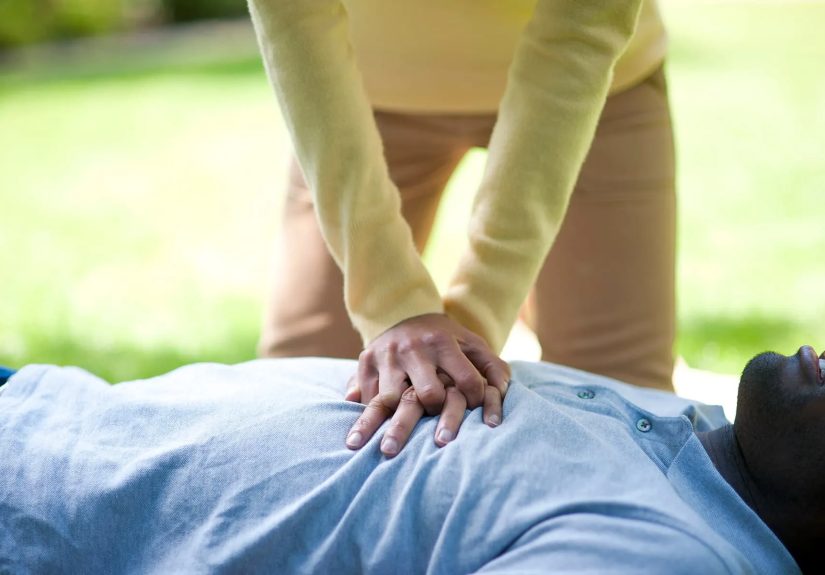
Cardiac Arrest: CAB for CPR
CPR has a lot of details, but the simplest lifesaving cue is the order:
- C Compressions
- A Airway
- B Breathing
Translation: if someone collapses and isn’t responding (and isn’t breathing normally), start chest compressions.
If you’re trained and comfortable, add breaths; if not, hands-only compressions are still powerful.
Bonus tip: send someone for an AED (automated external defibrillator) if availablethose devices are designed for bystanders.
Choking: “5 and 5”
Choking is one of those emergencies that feels cinematicuntil it happens at a restaurant and the soundtrack is just awkward coughing.
If someone can cough or speak, encourage coughing. If they can’t and are truly choking, remember:
- 5 back blows (between the shoulder blades)
- 5 abdominal thrusts
- Repeat 5 and 5 until the object comes out or the person becomes unresponsive
If they become unresponsive, lower them to the ground and begin CPR (starting with compressions).
The sequence keeps you moving and prevents the “freeze and stare” problem that adrenaline loves to cause.
Seizure First Aid: Stay, Safe, Side
Seizures can look terrifying, but your job is mostly protection and timingnot wrestling. A clean, memorable triad:
- Stay with the person (and start timing)
- Keep them Safe (move hard/sharp objects away, cushion the head)
- Turn them on their Side if they’re not awake/aware, to help keep the airway clear
Don’t put anything in their mouth. Don’t hold them down. When to call 911? If it’s a first seizure, lasts more than a few minutes,
repeats, there’s trouble breathing after, injury occurs, or you’re unsure. (When in doubt, call.)
Severe Allergic Reaction: EPI (simple, not “official,” but effective)
Anaphylaxis moves fast. The best-known lifesaving action is also the most direct: use epinephrine and get emergency help.
Here’s a simple memory cue you can teach kids, partners, roommatesanyone:
- E Epinephrine (use the auto-injector immediately if severe symptoms suggest anaphylaxis)
- P Phone (call 911 after giving epinephrine)
- I Into the thigh (auto-injectors are typically designed for the outer thigh)
Many allergy organizations advise carrying two doses in case symptoms worsen or return before help arrives.
Even if the person improves, medical evaluation is important because symptoms can rebound.
Opioid Overdose: SAVE (a bystander-friendly sequence)
Naloxone (like Narcan) is designed for real-world use by regular people. If you suspect an opioid overdose, a practical sequence is:
- S Stimulate (try to wake them; shout their name, rub your knuckles on the sternum)
- A Airway (position the head so the airway is open; look/listen for breathing)
- V Ventilate (if trained, provide rescue breaths; breathing support matters because overdose kills by suppressing breathing)
- E Emergency + naloxone (call 911 and give naloxone as directed; stay until help arrives)
If they start breathing, place them in a recovery position on their side and monitor. If they don’t improve, follow product instructions and be ready to repeat dosing.
The key idea: oxygen first, naloxone fast, and emergency care always.
Injuries and Accidents Where Seconds Matter
Life-Threatening Bleeding: Stop the Bleed “ABCs”
Severe bleeding is a leading cause of preventable death after injuryand it can happen anywhere: car crashes, power tools, kitchen disasters that escalated.
The Stop the Bleed framework is easy to remember:
- A Alert: Call 911 (or direct someone: “You in the blue shirtcall 911!”)
- B Bleeding: Find the source (look fast; blood moves faster than your patience)
- C Compress: Apply firm direct pressure; if needed, pack the wound and/or apply a tourniquet for severe limb bleeding
The “C” is the lifesaver. Pressure isn’t gentle. It’s confident, consistent, and maintained until help arrives.
If you’re trained in tourniquet use, use itespecially for life-threatening extremity bleeding that won’t stop with pressure.
Sprains & Strains: RICE
Not every mnemonic is about dramatic emergencies. Some are about preventing “small” injuries from turning into big problems.
RICE is a classic for acute soft tissue injuries:
- R Rest
- I Ice
- C Compression
- E Elevation
It’s especially helpful in the first day or two to limit swelling and pain. After the acute phase, clinicians may recommend gradual movement and rehab.
If there’s major deformity, inability to bear weight, severe pain, or numbnessget evaluated.
Burns: Cool, Cover, Call
Burns are common and easy to mishandle (please don’t put butter on ityour toast deserves better). A simple, evidence-based triad:
- Cool the burn with cool running water as soon as possible (avoid ice water)
- Cover loosely with sterile gauze or a clean cloth
- Call for medical care for large, deep, facial, genital, or major joint burnsor if you’re unsure
Remove jewelry near the burn early (swelling happens fast). If clothing is stuck, don’t peel it offleave it for clinicians.
Hypothermia: CORE
Hypothermia isn’t just a mountain movie plot. It can happen during cold rain, boating, poorly heated homes, or long winter events.
Remember CORE:
- C Call emergency services if you suspect hypothermia
- O Out of the cold (move to shelter; remove wet clothing)
- R Rewarm the core slowly (neck, chest, groin; warm dry blankets; avoid rapid heating)
- E Encourage warm, sweet, nonalcoholic drinks if fully awake and able to swallow
Rewarm gently. Rough handling and rapid rewarming can be risky in severe cases. If the person is not breathing normally, begin CPR.
Heat Illness: SHADE
Heat exhaustion can progress to heat stroke, which is a medical emergencyespecially when mental status changes appear.
Use SHADE:
- S Stop activity
- H Hydrate (small sips if alert; consider electrolytes)
- A Air-conditioning (or the coolest spot you can find)
- D Douse with cool water / apply cool wet cloths; fan aggressively
- E Emergency if confusion, fainting, seizure, or very high temperature: call 911 and cool immediately
For heat stroke, cooling is the priority. Don’t wait to “see if it passes.” Heat doesn’t negotiate.
Fire and Home Safety Mnemonics That Prevent Disaster
Clothes on Fire: Stop, Drop, and Roll
If clothing catches fire, instinct screams “RUN!” (which is… not helpful).
The lifesaving phrase is:
- Stop (don’t run)
- Drop to the ground
- Roll to smother flames (cover your face with your hands)
If you’re helping someone else, your role is basically “human pause button”: get them to stop running and roll.
Fire Extinguisher: PASS
Fire extinguishers are amazingif the fire is small, you have a clear escape route, and you’ve already alerted others.
The mnemonic:
- P Pull the pin
- A Aim at the base of the fire
- S Squeeze the handle
- S Sweep side to side
One more rule: never let the fire get between you and the exit. PASS is not a “bravery test.” It’s a technique.
Child Car Seats: LATCH
Not all lifesaving mnemonics happen during the emergency. Some prevent the emergency.
For child safety seats, LATCH is a key system:
LATCH = Lower Anchors and Tethers for CHildren.
It was designed to make correct installation easier (because car seat manuals can feel like they were written by a committee of robots).
Always follow both the car seat manual and vehicle manual, and consider getting an installation check from a local program.
Correct installation is one of the simplest, most powerful injury-prevention steps you can take.
Pro-Level Mnemonics (Still Useful for Regular Humans)
ABCDE: A Quick “What’s Trying to Kill Them First?” Scan
In first aid and emergency care, ABCDE is a structured way to prioritize what you notice:
- A Airway: Can they breathe? Is anything blocking airflow?
- B Breathing: Are breaths present and effective?
- C Circulation: Major bleeding? Signs of shock?
- D Disability: Mental status (confusion, unresponsiveness), new weakness
- E Exposure: Look for hidden injuries; protect from cold/heat
For non-professionals, ABCDE is less about treatment and more about recognition and communication:
“Airway seems okay, breathing is fast, there’s heavy bleeding from the leg.” That’s gold when calling 911.
MARCH: Trauma Priorities When Bleeding Is the Biggest Threat
In tactical and trauma contexts, you’ll often hear MARCH:
- M Massive hemorrhage
- A Airway
- R Respirations
- C Circulation
- H Head injury / Hypothermia
If you’re not trained, don’t force yourself to “do trauma care.” But the order is still useful:
stop life-threatening bleeding first, then focus on breathing, then prevent shock and cold exposure while help is coming.
How to Make These Mnemonics Stick (Without Becoming a Flashcard Person)
- Pick five. Start with FAST, CAB, 5-and-5, Stop the Bleed ABCs, and PASS. That alone covers a lot of ground.
- Attach them to places. Put PASS near the extinguisher. Put FAST on the fridge. Put CAB near the AED location at work.
- Use “if-then” rehearsal. “If someone can’t speak and clutches their throat, then 5-and-5.” Practice in your head like a quick movie trailer.
- Take a class. Red Cross, AHA, Stop the Bleedtraining turns mnemonics into muscle memory.
- Teach one person. Teaching is rehearsal disguised as helping. Sneaky and effective.
Conclusion
The goal isn’t to become an emergency superhero. The goal is to reduce hesitation.
A mnemonic gives you a first moveand the first move often decides the outcome.
Start small: memorize FAST (stroke), CAB (CPR), 5-and-5 (choking), and the Stop the Bleed ABCs.
Add PASS and Stop, Drop, Roll for home safety. Then layer in the rest over time.
Your future self (and possibly a stranger) will be grateful you did.
Real-World Experience: What It Feels Like to Use These Mnemonics
People imagine emergencies as loud, obvious, and neatly staged. Real life is messier. It’s fluorescent lighting. It’s a grocery aisle.
It’s a backyard cookout where someone suddenly sits down “because they feel weird.” Mnemonics shine because they cut through that mess.
Take FAST. In the moment, it doesn’t feel like a quizit feels like permission to act. You’re not “diagnosing a stroke.”
You’re noticing a droop, an arm drift, a speech stumble. FAST turns vague worry into concrete observation.
And once you have concrete observation, calling 911 feels less like overreacting and more like doing your job as a fellow human.
CAB is similar. When someone collapses, bystanders often lose time to uncertainty:
“Are they sleeping? Did they faint? Should I move them? Should I check pulse?”
CAB simplifies the first seconds. You check responsiveness and breathing, then you start compressions.
It’s not elegant. It’s not gentle. It’s effective. And the act of doing something purposeful tends to calm the roombecause motion beats panic.
Choking is where “5-and-5” earns its keep. Without a pattern, you can get stuck in one move and repeat it forever,
like a computer frozen on a loading screen. The rhythm of five back blows and five thrusts keeps you switching strategies.
It also helps other people help you: they can count out loud, they can tag in, they can call 911 while you work.
Bleeding control is surprisingly emotional the first time people see it. Blood looks dramatic even when it isn’t life-threatening,
and life-threatening bleeding can look downright unreal. The Stop the Bleed ABCs keep you from spiraling:
alert help, find the source, and compress with intent. Once your hands are doing the “C,” your brain stops catastrophizing and starts problem-solving.
Heat illness and hypothermia often feel “too normal” to be dangerousuntil they aren’t. That’s why SHADE and CORE help:
they nudge you to act early. People frequently wait because the person is still talking, still joking, still insisting they’re fine.
A mnemonic gives you a gentle counterweight to that denial. Move them to cool air. Start cooling. Remove wet clothes. Warm the core slowly.
You’re not being dramatic; you’re being timely.
Finally, the home-safety onesPASS and Stop, Drop, Rollare “boring” until the day they aren’t.
In drills, they can feel silly. In real moments, they’re wonderfully blunt. Pull. Aim. Squeeze. Sweep.
Stop. Drop. Roll. No extra debate required.
The most consistent lesson people report after training or real incidents is this:
you don’t want to be inventing your plan while the emergency is happening. You want a plan to show up automatically.
Mnemonics are a compact way to store that planright where you need it: in your head, not in a drawer.




 Close
Close