
Table of Contents >> Show >> Hide
A leg cramp is basically your muscle’s version of a surprise group project: sudden, intense, and absolutely not something you asked for.
One minute you’re asleep (or jogging, or just standing there being innocent), and the next your calf is doing a death-grip charley horse.
The good news? Most leg cramps are common, temporary, and very manageable once you know the usual triggers and the right moves.
This guide breaks down what causes leg cramps, what to do in the moment, the best stretches (with clear how-to steps),
and prevention tips that actually fit real lifebecause “just don’t cramp” is not a plan.
What are leg cramps (and what aren’t they)?
A leg cramp is a sudden, involuntary muscle contractionusually in the calf, foot, or thighthat can last seconds to minutes.
It often leaves the muscle feeling sore or “tenderly betrayed” afterward. People commonly call them charley horses or
muscle spasms.
Leg cramps vs. similar problems
- Restless legs syndrome (RLS): Usually feels like crawling/itchy/restless sensations and an urge to moveuncomfortable, but not typically sharp, knot-like pain.
- Muscle strain: Pain often starts after activity and can linger with movement; cramps are sudden and peak fast.
- Circulation-related pain (claudication): Cramping pain during walking/exertion that improves with rest can point to blood-flow issues rather than a simple nighttime cramp.
If your “cramp” comes with swelling, warmth, redness, or one-sided tenderness, that’s a different category of problemskip the stretching tutorial and jump to the
When to call a doctor section.
Common causes of leg cramps
Leg cramps can have one cause, multiple causes, or the mysterious “because the universe felt like it” category.
Most of the time, they’re linked to muscle fatigue, hydration status, electrolytes, and positioningespecially at night.
1) Muscle fatigue and overuse
Muscles that are tiredafter long walks, intense workouts, hill days, or even a big “I’m going to clean the whole house” weekendare more likely to cramp.
This includes new exercise routines, sudden increases in training volume, or working in heat.
Example: You go from “I do yoga sometimes” to “I’m training for a 10K in two weeks” and your calves respond with nightly protests.
2) Dehydration and fluid shifts
Dehydration can make cramps more likely, especially during exercise or hot weather. It doesn’t mean you need to guzzle gallons at once,
but your muscles do prefer steady hydration (they’re high-maintenance like that).
3) Electrolyte imbalance (the “minerals matter” moment)
Electrolytes like sodium, potassium, calcium, and magnesium help muscles contract and relax normally.
Heavy sweating, vomiting/diarrhea, certain diets, and some medical conditions can affect levels.
That said, not every cramp means you’re “low on potassium”sometimes it’s just fatigue plus awkward sleeping position.
4) Sleeping position and muscle shortening at night
Nighttime leg cramps often involve the calf. Pointing your toes downward (plantar flexion) during sleep can shorten the calf muscle,
and a shortened muscle can be more cramp-prone. Long periods of sitting during the day can also contribute to tightness.
5) Pregnancy
Leg cramps are common during pregnancy, especially later trimesters. Reasons may include circulation changes, added weight, and muscle fatigue.
The approach is usually supportive: stretching, gentle activity, hydration, and discussing supplements or persistent symptoms with a clinician.
6) Medications and underlying conditions
Some medications (for example, certain diuretics) and medical conditions can raise cramp risk. Examples include nerve issues, kidney disease (including dialysis-related cramping),
and circulation problems. If cramps are frequent, severe, or new after starting a medicine, it’s worth discussing with your healthcare provider.
How to stop a leg cramp fast
When a cramp hits, your goal is simple: lengthen the muscle, calm the contraction, restore comfort.
Here’s the playbook you can run half-asleep, which is the only kind of playbook that truly matters.
Step-by-step quick relief
- Stop the activity (or sit up if you’re in bed) and breathe. Tensing up can intensify the spasm.
- Stretch the cramped muscle gently but firmly (see stretch guides below). Aim for a slow, steady stretchno bouncing.
- Massage the area with your hands or a massage ball/roller. Think “calm persuasion,” not “punishment.”
- Stand and apply pressure if it’s a calf cramp: place your foot flat and shift weight gradually (use a wall or chair for balance).
- Heat or cold: heat relaxes tight muscle; cold can help if the muscle feels sore afterward.
- Hydrate if you suspect dehydration, especially after sweating or exercise.
If cramps are frequent at night, consider a short bedtime routine: light calf stretching, a few ankle pumps,
and a quick walk around your place (yes, it’s unfairbut it can help).
Best stretches for leg cramps
Stretching works best when it’s specific (the right muscle), gentle (no bouncing),
and consistent (a little most days beats a lot once a month).
Below are practical stretches for the most common cramp zones.
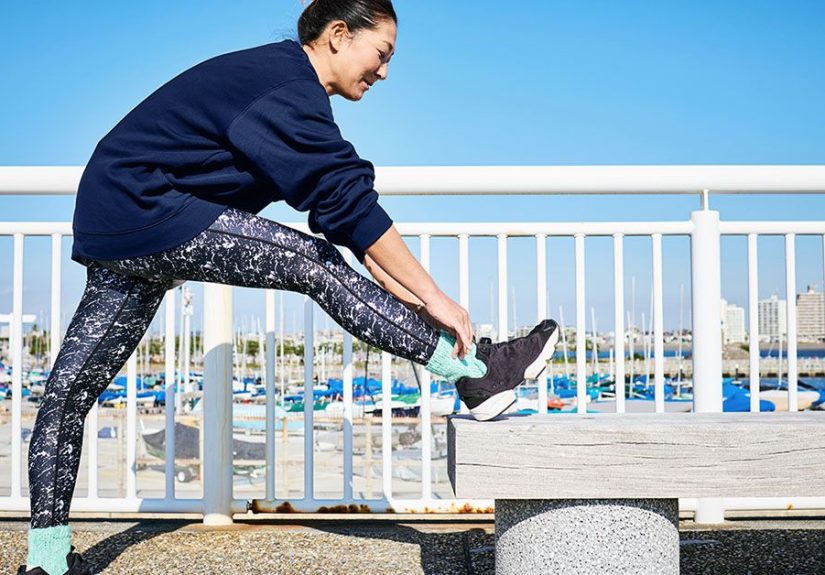
Calf cramp stretch (classic night cramp)
When to use: Cramp in the back of the lower leg (gastrocnemius/soleus).
- Straighten your leg.
- Flex your foot upward, pulling your toes toward your shin (dorsiflexion).
- Hold 15–30 seconds, breathe, then repeat 2–3 times.
Standing option: Stand facing a wall, step the cramped leg back, keep the heel down, and lean forward until you feel a calf stretch.
Hamstring stretch (back of thigh)
When to use: Cramp behind the thigh.
- Sit on the edge of a chair.
- Extend one leg straight with the heel on the floor and toes up.
- Keep your back straight and hinge forward from your hips until you feel a stretch.
- Hold 15–30 seconds; repeat 2–3 times per side.
Quad stretch (front of thigh)
When to use: Cramp in the front of your thigh.
- Stand next to a wall or chair for balance.
- Bend the knee of the cramped side and gently pull the foot toward your buttocks.
- Keep knees close together and avoid arching your lower back.
- Hold 15–30 seconds; repeat 2–3 times.
Foot and arch stretch (for foot cramps and toe-curl cramps)
When to use: Cramp in the foot arch or toes.
- Sit down and place the cramped foot across your opposite knee.
- Gently pull your toes back toward your shin until you feel a stretch in the arch.
- Massage the sole of your foot with your thumb or a small ball for 30–60 seconds.
How often should you stretch to prevent cramps?
If you cramp at night, a simple target is 5 minutes of calf/hamstring stretching before bed,
plus brief stretches after exercise. Consistency matters more than intensity.
Prevention tips that fit real life
The best prevention plan is the one you’ll actually do. Here are practical, evidence-based strategies you can mix and match.
1) Hydrate like a sane person, not a camel
- Drink regularly through the day, especially if you sweat a lot or exercise.
- After heavy sweating, consider fluids that replace electrolytes (food can count, too).
- If alcohol or lots of caffeine is part of your routine, notice whether cramps follow. Some people see a pattern.
2) Don’t skip the warm-up (your muscles keep receipts)
A gentle warm-uplike a 5–10 minute walk, easy cycling, or dynamic leg swingscan reduce cramp risk during activity.
If you’re starting a new routine, ramp up gradually.
3) Stretch strategically
- Before bed: calf and hamstring stretches if you get nocturnal leg cramps.
- After workouts: light stretching can help restore muscle length.
- During long sitting: ankle pumps and standing breaks keep muscles from staying “parked.”
4) Pay attention to footwear and foot mechanics
Shoes that fit well and support your activity matter more than the internet would like to admit.
If you have frequent cramps plus foot pain, very high arches, flat feet, or big changes in your walking pattern,
consider a professional evaluation (a simple change in support can sometimes help).
5) Train smarter in heat
Heat increases fluid and electrolyte losses and makes muscle fatigue happen faster.
On hot days: reduce intensity, add breaks, and prioritize hydration before and after the session.
6) Check your meds and medical context (with a professional)
If cramps became frequent after starting a new medication, or if you have conditions like diabetes-related nerve issues,
kidney disease, or circulation problems, a clinician can help sort out whether there’s an underlying driver.
Please don’t “self-prescribe” supplements or old-school remedies without guidanceespecially if you have heart, kidney,
or blood pressure conditions.
7) A quick note on supplements and quinine
You’ll hear a lot about magnesium, potassium, and “miracle electrolytes.” Sometimes supplementation helps when there’s a true deficiency,
but it isn’t a guaranteed cure for every cramp. Also, quinine is not recommended for routine leg cramp treatment due to safety concerns.
If cramps are severe enough that you’re considering medication, that’s a sign to talk with a healthcare professional about safer options.
When to call a doctor
Most leg cramps are harmless. But certain patterns deserve medical attentioneither urgently or soonbecause they can signal something more serious.
Seek urgent care if you have cramp-like pain with:
- Swelling, redness, warmth, or tenderness in one leg
- Shortness of breath or chest pain
- Sudden weakness or new numbness
Make an appointment if:
- Cramps are frequent (for example, several nights a week) or severe
- They disrupt sleep regularly or limit daily activity
- You have cramps plus leg pain with walking that improves with rest
- You started a new medication and cramps appeared soon after
- You have chronic conditions (diabetes, kidney disease, thyroid issues, circulation problems) and cramps are worsening
A clinician may focus on your history (timing, triggers, medications, exercise, hydration patterns) and do an exam.
Lab tests aren’t always needed for typical nighttime cramps, but they can be helpful when symptoms suggest an underlying cause.
Real-world experiences and what they teach us (extra )
Leg cramps are one of those issues where people often say, “I thought it was just me.” It’s not just you.
What’s interesting is how often the same patterns show up in everyday storiesespecially when you start looking for the
small details that happen before the cramp.
The “I did one heroic workout” experience
A classic scenario: someone hasn’t trained consistently, then does a big leg day, a long hike, or a high-mileage run.
The workout feels fine in the moment, but later that nightbamcalf cramp. The lesson here is not “never challenge yourself.”
It’s that muscles don’t love surprise upgrades. Gradual progression, a warm-up, and a little post-workout stretching are the boring
habits that prevent dramatic midnight wake-up calls.
The “office chair marathon” experience
Some people notice cramps on days when they barely moved: long meetings, lots of driving, or a work-from-home day that mysteriously
had zero trips to the kitchen. Prolonged sitting can leave calves and hamstrings tight, and tight muscles cramp more easily at night.
These are the people who often get relief from tiny changes: standing up every hour, doing ankle pumps during calls, or taking a short walk
after dinner. It’s not glamorous, but it’s effectivelike flossing for your legs.
The “hot day, sweaty everything” experience
Athletes and outdoor workers frequently describe cramps after heavy sweating: summer runs, long shifts, or intense workouts in humid gyms.
Their experience usually highlights two truths: (1) hydration needs to start before the activity, not after the cramp arrives, and
(2) food matters. People who eat very lightly (or restrict salt heavily) sometimes find cramps show up more often during heat exposure.
The takeaway is balanced fueling: fluids, reasonable salt intake based on your needs, and meals that include electrolyte-rich foods.
The “pregnancy nighttime surprise” experience
Many pregnant people report cramps that feel like they come out of nowhereoften in the second or third trimester and often at night.
They commonly describe relief from simple steps: calf stretches before bed, gentle activity during the day, leg elevation, and supportive footwear.
What they also describe is reassurance: most of the time it’s normal, but it’s still worth mentioning at prenatal visitsespecially if cramps
are severe or come with swelling, redness, or warmth.
The “this feels different” experience
Finally, there’s the story that starts with “I get cramps, but this one felt different.” Maybe it’s one-sided swelling, or pain that happens
every time the person walks a certain distance, or cramps plus numbness/weakness. These experiences matter because they point to the reason
the “when to call a doctor” section exists. Not every cramp is a simple muscle fatigue issue. Listening to patternswhat triggers the pain,
what relieves it, and whether other symptoms appearhelps people get the right evaluation instead of endlessly stretching a problem that needs
a different solution.
The overall lesson from real-life cramp stories is comforting: most fixes are small and practical. A bedtime stretch routine, better hydration,
fewer “sudden hero workouts,” and smarter movement breaks solve a lot of cases. And when those don’t work, the pattern itself becomes useful
information to bring to a healthcare professional. Your legs aren’t being dramatic for funthey’re sending feedback. You can work with that.
Conclusion
Leg cramps are common, painful, and annoyingly good at interrupting sleepbut they’re often preventable.
Start with the basics: consistent hydration, gradual training progress, stretching (especially before bed if you cramp at night),
and simple recovery tools like massage and heat. If cramps are frequent, severe, or come with warning signs (swelling, redness, weakness,
walking-induced pain), talk with a healthcare professional to rule out underlying causes and discuss safe options.






 Close
Close