
Table of Contents >> Show >> Hide
- What Is the KitchenAid Stand Mixer Ice Cream Maker Attachment?
- KitchenAid Ice Cream Maker Attachment Compatibility
- How the KitchenAid Ice Cream Maker Attachment Works
- How to Use the KitchenAid Stand Mixer Ice Cream Maker Attachment
- Texture and Performance: What to Expect
- Pros and Cons of the KitchenAid Ice Cream Maker Attachment
- Best Recipes for the KitchenAid Ice Cream Maker Attachment
- Tips for Better Homemade Ice Cream
- Is the KitchenAid Ice Cream Maker Attachment Worth It?
- Real Kitchen Experience: Living With the KitchenAid Ice Cream Maker Attachment
- Conclusion
There are kitchen tools that sit in the cabinet like decorative guilt, and then there are tools that make everyone in the house suddenly appear with a spoon. The KitchenAid Stand Mixer Ice Cream Maker Attachment belongs firmly in the second category. If you already own a KitchenAid stand mixer, this attachment turns your familiar countertop workhorse into a homemade ice cream machine without asking you to buy another bulky appliance with its own cord, footprint, and personality.
The idea is beautifully simple: freeze the special bowl, attach it to your KitchenAid stand mixer, add a chilled ice cream base while the machine runs, and let the dasher churn the mixture into soft, creamy frozen dessert. In about 20 to 30 minutes, you can make ice cream, sorbet, gelato-style treats, frozen yogurt, or the kind of “I was just testing the texture” spoonfuls that mysteriously reduce the batch before serving.
This guide breaks down how the KitchenAid ice cream maker attachment works, who it is best for, what to expect from the texture, how to use it correctly, and which tips help prevent common homemade ice cream problems. Whether you are chasing classic vanilla bean, strawberry sorbet, chocolate fudge ripple, or a coffee ice cream that makes Monday more negotiable, this attachment can be a smart upgrade for your kitchen.
What Is the KitchenAid Stand Mixer Ice Cream Maker Attachment?
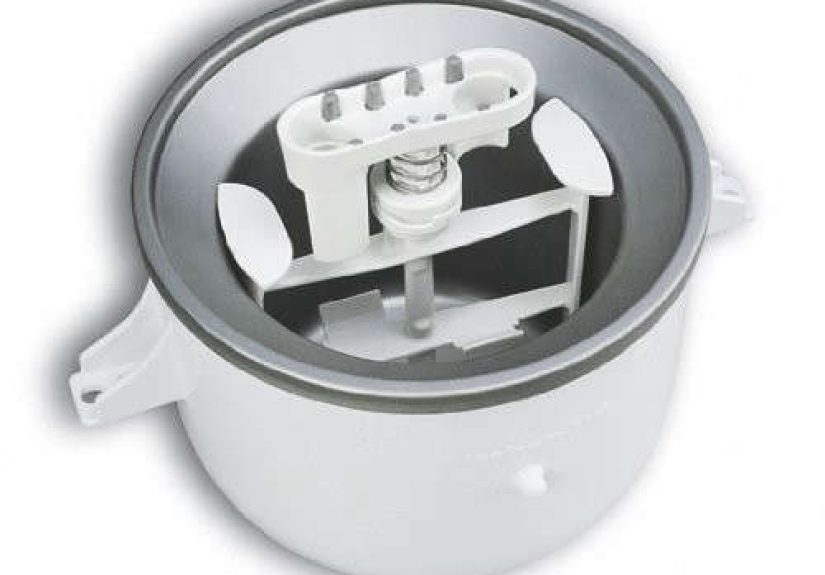
The KitchenAid Stand Mixer Ice Cream Maker Attachment is a freezer-bowl-style ice cream maker designed to work with many full-size KitchenAid tilt-head and bowl-lift stand mixers. Instead of using a standalone ice cream machine, you use your existing mixer motor to rotate a dasher inside a frozen bowl. The bowl provides the chill, the mixer provides the movement, and your ice cream base provides the happiness.
The current KitchenAid ice cream maker attachment is commonly associated with model KSMICM. It includes a freeze bowl, a dasher, and a drive assembly or adapter system that connects the churning mechanism to the mixer. The attachment is designed to make up to 2 quarts of frozen dessert, which is enough for a family dessert, a small party, or one extremely committed ice cream enthusiast with a large spoon and no witnesses.
What Can You Make With It?
The attachment is not limited to classic dairy ice cream. With the right base, you can make:
- Vanilla, chocolate, coffee, strawberry, mint chip, and other traditional ice creams
- Fruit sorbets such as mango, raspberry, lemon, peach, or strawberry
- Frozen yogurt with a tangier, lighter finish
- Gelato-inspired desserts with a denser, silkier texture
- Dairy-free frozen treats using coconut milk, oat milk, cashew cream, or fruit bases
The final texture depends on the recipe, the fat content, the sugar level, the temperature of the base, and how thoroughly the freezer bowl has been chilled. In other words, the attachment is important, but your ingredients still get a vote.
KitchenAid Ice Cream Maker Attachment Compatibility
Before getting too emotionally attached to the idea of homemade salted caramel ice cream, check compatibility. The KitchenAid ice cream maker attachment fits many full-size KitchenAid stand mixers, including most tilt-head and bowl-lift models. However, it is not designed for every model.
In general, it does not fit KitchenAid Artisan Mini tilt-head models such as KSM3316 and KSM3317. It also excludes certain older or specific bowl-lift models, including K5SS, KSM50, KSM500, and KSM450. Because KitchenAid has produced many mixer variations over the years, the safest move is to compare your exact mixer model number with the attachment’s compatibility information before buying.
Tilt-Head vs. Bowl-Lift Mixers
Tilt-head mixers have a hinged motor head that lifts back so you can access the bowl. Bowl-lift mixers keep the head fixed while the bowl moves up and down on arms. The KitchenAid ice cream maker attachment is designed to work with both styles when compatible, but the setup process can feel slightly different depending on the model. The redesigned attachment system is intended to connect more easily than earlier versions, which is good news for anyone who believes dessert should not require a mechanical engineering degree.
How the KitchenAid Ice Cream Maker Attachment Works
The attachment uses a double-insulated freezer bowl that must be frozen before use. Inside the bowl is a cooling liquid sealed between the walls. When the bowl is frozen solid, it chills the ice cream base as the dasher moves through it. The dasher scrapes and folds the mixture as it freezes, helping create a smoother texture and preventing the base from turning into one giant dairy iceberg.
The key is movement plus cold. If the bowl is cold enough and the base is properly chilled, the mixture gradually thickens as it churns. Most recipes will reach a soft-serve consistency in about 20 to 30 minutes. For scoopable ice cream, transfer the churned mixture to a freezer-safe container and freeze it for a few hours.
How to Use the KitchenAid Stand Mixer Ice Cream Maker Attachment
Using the KitchenAid ice cream maker attachment is straightforward, but the order matters. Ice cream is forgiving in flavor but dramatic in temperature. If the base hits the frozen bowl before the dasher is moving, it can freeze against the sides too quickly and interfere with churning.
Step 1: Freeze the Bowl Properly
Place the freeze bowl in the freezer for at least 16 hours. For best results, keep your freezer at its coldest practical setting and store the bowl in the back of the freezer, where temperatures are usually more stable. If you plan to make ice cream often, leaving the bowl in the freezer full-time is a smart moveassuming you have enough freezer space and are not already hosting three bags of peas from 2021.
Step 2: Prepare and Chill the Ice Cream Base
Your ice cream base should be cold before churning. A warm base will melt the chill out of the bowl too quickly and may result in thin, slushy results instead of creamy ice cream. Custard bases should be cooked, cooled, and refrigerated until fully chilled. No-cook bases should also be refrigerated before use.
For the smoothest texture, chill the base for several hours or overnight. This resting time allows flavors to develop and gives fat, sugar, and liquid a chance to settle into a better structure. Translation: patience tastes better.
Step 3: Attach the Bowl and Dasher
Remove the freezer bowl only when you are ready to churn. Attach it to the stand mixer base according to your mixer style. Install the dasher and drive assembly so the mixer can rotate the dasher properly. Make sure everything is aligned before turning on the mixer.
Step 4: Start the Mixer Before Pouring
Set the mixer to Speed 1, also known as the stir setting. Once the dasher is moving, slowly pour the chilled ice cream base into the bowl. This helps prevent the mixture from freezing instantly against the bowl and locking the dasher.
Step 5: Churn for 20 to 30 Minutes
Let the mixer run until the mixture thickens to a soft-serve consistency. Most batches take about 20 to 30 minutes, depending on the recipe, bowl temperature, room temperature, and ingredient ratio. Do not expect rock-hard ice cream straight from the machine. Freezer-bowl attachments usually produce a soft texture first, then rely on additional freezer time for firm scoops.
Step 6: Add Mix-Ins at the End
Chocolate chips, cookie pieces, brownie bits, toasted nuts, candy chunks, and fruit swirls should be added near the end of churning, usually during the final 2 to 3 minutes. Add them too early and they may sink, freeze too hard, or interfere with texture. Add them too late and you may find yourself manually folding chunks into a half-frozen dessert, which is not tragic, but it is slightly less elegant.
Texture and Performance: What to Expect
The KitchenAid ice cream maker attachment can produce very satisfying homemade ice cream, especially when the recipe is balanced and the bowl is fully frozen. The texture is usually smooth, creamy, and soft immediately after churning. After 2 to 4 hours in the freezer, it becomes firmer and easier to scoop.
Compared with compressor ice cream makers, the KitchenAid attachment requires more planning because the bowl must be frozen in advance. However, compressor machines are usually larger and more expensive. Compared with small standalone freezer-bowl machines, the KitchenAid attachment saves you from buying a separate motorized appliance, which is a major advantage if your kitchen counter is already negotiating for more space.
Pros and Cons of the KitchenAid Ice Cream Maker Attachment
Pros
- Space-saving design: It uses your existing KitchenAid mixer motor, so there is no separate ice cream machine base.
- Good capacity: The 2-quart batch size is generous for home use.
- Versatile desserts: You can make ice cream, sorbet, frozen yogurt, and gelato-style recipes.
- Simple operation: Once frozen and assembled, it is easy to use.
- Great for KitchenAid owners: It expands what your stand mixer can do beyond baking.
Cons
- Requires advance freezing: The bowl needs at least 16 hours in the freezer.
- Takes freezer space: The bowl is large and may be awkward in small freezers.
- Not universal: It does not fit every KitchenAid mixer model.
- Soft texture at first: You need extra freezer time for firm, scoop-shop-style ice cream.
- One batch at a time: The bowl must be refrozen before making another full batch.
Best Recipes for the KitchenAid Ice Cream Maker Attachment
The best recipes for this attachment are bases that are well chilled, not too watery, and balanced with enough sugar and fat to stay scoopable. Sugar is not just for sweetness; it also helps control freezing. Fat adds body and creaminess. Too little of either can produce icy results, especially in home freezers.
Classic Vanilla Bean Ice Cream
A classic vanilla base is the perfect starting point. Use heavy cream, whole milk, sugar, egg yolks if making custard, vanilla extract, and vanilla bean paste or seeds. Chill thoroughly before churning. This flavor is simple, but it reveals whether your technique is working. If vanilla tastes smooth and rich, you are ready to get wild with caramel ribbons and cookie chaos.
Chocolate Fudge Ice Cream
Chocolate ice cream works beautifully because cocoa and melted chocolate add body. A custard-style chocolate base with cream, milk, sugar, egg yolks, cocoa powder, and chopped chocolate can produce a dense, rich result. Add brownie chunks during the last few minutes for a dessert that politely refuses to be subtle.
Strawberry Sorbet
For sorbet, blend ripe strawberries with sugar, lemon juice, and a small amount of water. Strain if you prefer a smoother finish. Chill the mixture until cold, then churn. Sorbet is refreshing, bright, and dairy-free, but it can become icy if the sugar balance is too low. A splash of corn syrup or a well-tested recipe can help improve texture.
Cookies and Cream
Start with a vanilla base and add crushed chocolate sandwich cookies during the final minutes of churning. For the best texture, use a mix of fine crumbs and larger pieces. The crumbs flavor the base while the chunks provide the joyful crunch that makes people hover around the freezer pretending they are “just checking something.”
Tips for Better Homemade Ice Cream
Chill Everything
The bowl should be frozen, the base should be cold, and your storage container should ideally be chilled too. Ice cream improves when every part of the process respects the cold chain. Warm ingredients are the enemy of smooth texture.
Do Not Overfill the Bowl
Ice cream expands as it churns. Even though the attachment can make up to 2 quarts, recipes should leave room for expansion. Overfilling can cause messy results and uneven freezing.
Use Quality Ingredients
Homemade ice cream has a short ingredient list, so each ingredient matters. Good vanilla, ripe fruit, fresh dairy, quality chocolate, and properly toasted nuts can dramatically improve flavor.
Store It Correctly
After churning, transfer ice cream to a shallow freezer-safe container. Press parchment paper or plastic wrap directly against the surface before adding the lid. This helps reduce ice crystals and keeps the texture fresher.
Let It Rest Before Scooping
Homemade ice cream can freeze harder than store-bought ice cream because it usually has fewer stabilizers. Let the container sit at room temperature for 5 to 10 minutes before scooping. This is not weakness; it is dessert strategy.
Is the KitchenAid Ice Cream Maker Attachment Worth It?
The KitchenAid Stand Mixer Ice Cream Maker Attachment is worth considering if you already own a compatible KitchenAid stand mixer and want homemade frozen desserts without buying a standalone machine. It is especially appealing for home cooks who enjoy experimenting with flavors, controlling ingredients, and making desserts for family gatherings.
It may not be the best choice if you have very limited freezer space, want to make multiple batches back-to-back, or prefer a machine that requires no pre-freezing. In those cases, a compressor ice cream maker may be more convenient, though usually more expensive and bulkier.
For most KitchenAid owners, the attachment strikes a practical balance. It is less complicated than many premium machines, more capable than novelty gadgets, and far more fun than buying another pint of vanilla and pretending it was the plan all along.
Real Kitchen Experience: Living With the KitchenAid Ice Cream Maker Attachment
The first thing you notice when using the KitchenAid ice cream maker attachment is that success begins long before dessert time. This is not a last-minute gadget unless your freezer bowl already lives in the freezer. The bowl needs a long, deep freeze, so the best habit is to wash it, dry it completely, and return it to the freezer after each use. That way, when the craving for homemade mint chip arrives with the emotional force of a weather alert, you are ready.
In a real kitchen, the attachment feels most useful for weekend cooking, birthdays, summer cookouts, and family nights when people want something special but not fussy. The process has a little ceremony to it. You make the base, chill it, set up the mixer, pour slowly, and watch the mixture transform from liquid to soft frozen cream. Kids love watching it thicken. Adults love pretending they are supervising the children while actually waiting for the first spoonful.
The sound level is another pleasant surprise. Since the KitchenAid mixer is doing the work at a low speed, the process is generally calmer than many standalone machines. It is not silent, but it does not sound like a lawn mower trying to escape the kitchen. You can talk, clean up, or prepare toppings while it churns.
The biggest practical challenge is freezer space. The bowl is not tiny. If your freezer is packed with frozen vegetables, pizza boxes, ice packs, and one mysterious container nobody wants to identify, you will need to make room. Storing the bowl upright is ideal, and it should be fully dry before freezing to avoid frost buildup.
Another real-world lesson: recipes matter. A rich custard base usually produces smoother, more luxurious ice cream than a rushed low-fat mixture. Sorbets can be fantastic, but fruit sweetness varies, so taste and balance are important. If a recipe turns icy, it is not always the attachment’s fault. It may need more sugar, better chilling, or a different ratio of fruit to liquid.
Mix-ins are where the attachment becomes genuinely fun. Crushed cookies, chopped peanut butter cups, roasted pecans, mini chocolate chips, caramel swirls, and jam ribbons can make homemade ice cream feel like a boutique dessert shop moved into your kitchen. The trick is restraint. Add too many chunks and the dasher may struggle. Add just enough and every scoop feels intentional.
Cleaning is manageable, but timing matters. Let the bowl warm slightly before washing it by hand. Do not shock it with hot water immediately after freezing. The dasher and drive parts should also be cleaned carefully and dried fully. Treat the bowl like a specialized tool, not a cereal bowl that had an ambitious week.
After several uses, the attachment becomes less of a novelty and more of a seasonal habit. It encourages creativity: roasted peach ice cream in July, pumpkin spice frozen custard in October, peppermint brownie ice cream in December, and lemon sorbet whenever life needs a reset button. The best part is control. You choose the sweetness, the dairy, the mix-ins, and the weird flavor experiments. Some will become family legends. Others will become “learning experiences.” Both are part of the charm.
Conclusion
The KitchenAid Stand Mixer Ice Cream Maker Attachment is a smart, enjoyable upgrade for anyone who already owns a compatible KitchenAid mixer and wants to make homemade frozen desserts with less clutter. It offers a generous 2-quart capacity, straightforward operation, and enough versatility to handle ice cream, sorbet, frozen yogurt, and gelato-inspired recipes.
Its biggest requirement is planning. The bowl must be frozen well in advance, and the base should be properly chilled. But once those steps become routine, the attachment makes homemade ice cream feel surprisingly approachable. It is not a magic wand, though it does produce results that may cause people to gather in the kitchen holding spoons like tiny dessert swords.
If you want a practical way to turn your stand mixer into a frozen dessert station, this attachment deserves a serious look. With the right recipe and a little freezer discipline, it can help you make ice cream that tastes fresher, more personal, and far more exciting than the emergency pint hiding behind the frozen waffles.







 Close
Close