
Table of Contents >> Show >> Hide
- What Is Kawasaki Disease?
- What Causes Kawasaki Disease?
- Symptoms of Kawasaki Disease
- How Doctors Diagnose Kawasaki Disease
- Why Early Diagnosis Matters So Much
- A Quick Note on Treatment
- When Parents and Caregivers Should Call a Doctor
- Real-Life Experiences With Kawasaki Disease: What Families Often Go Through
- Final Thoughts
Kawasaki disease is one of those childhood illnesses that can start by looking annoyingly ordinary: a stubborn fever, a rash, a child who feels miserable, and parents who know something is off even when the symptoms do not line up neatly on day one. Then the picture gets stranger. The eyes turn red without goop. The lips get dry and cracked. Hands and feet puff up. The tongue becomes bright red and bumpy, earning the famous “strawberry tongue” nickname, which is adorable only in the most medically inaccurate sense.
Despite the unusual symptom mix, Kawasaki disease is a very real medical emergency because it can inflame blood vessels throughout the body, especially the coronary arteries that feed the heart. The good news is that most children do very well when the illness is recognized early and treated promptly. The catch is that diagnosis can be tricky because there is no single “yes, this is definitely Kawasaki disease” lab test. Doctors have to piece the puzzle together from fever patterns, physical signs, lab work, and heart imaging.
This guide breaks down what Kawasaki disease is, what may cause it, which symptoms matter most, and how doctors diagnose it. If you are a parent, caregiver, student, or health-conscious Googler on a late-night mission, here is the clear version without the medical fog machine.
What Is Kawasaki Disease?
Kawasaki disease is a form of vasculitis, which means inflammation of blood vessels. It most often affects children younger than 5, although older children and even adults can rarely develop it. In the United States, it is considered the leading cause of acquired heart disease in children, mainly because untreated inflammation can damage the coronary arteries.
The illness tends to appear suddenly. A child who was fine a few days ago may develop a high fever that does not settle down the way a typical viral fever often does. From there, other signs can appear over several days rather than all at once, which is part of why Kawasaki disease can be easy to miss early on.
One important point: Kawasaki disease is not considered contagious. Your child does not “catch” it from another child the way they might catch flu, strep throat, or the world’s least welcome classroom cold.
What Causes Kawasaki Disease?
The short answer: no one knows for sure
The exact cause of Kawasaki disease remains unknown. That is the honest answer, and medicine is sticking with it. Researchers have spent decades investigating whether the disease is triggered by a virus, a bacterium, an environmental exposure, or a combination of factors. So far, no single culprit has been proven.
The leading theory is that Kawasaki disease develops when a child with certain genetic traits has an exaggerated immune response to a trigger, possibly an infection or another environmental factor. In plain English, the immune system may hit the panic button too hard and create inflammation in places where it absolutely should calm down and mind its business.
Risk factors linked to Kawasaki disease
Even though the cause is still unclear, doctors do know a few patterns:
- Age matters: Most cases happen in children under 5.
- Sex matters a little: Boys are affected somewhat more often than girls.
- Genetics may matter: Children of Asian or Pacific Islander ancestry have higher rates, though Kawasaki disease can occur in any racial or ethnic group.
- Seasonality shows up: In North America, cases are often reported more often in winter and early spring.
None of those risk factors means a child is destined to develop Kawasaki disease. They simply help doctors understand who is more commonly affected.
Symptoms of Kawasaki Disease
The classic symptom checklist
The hallmark sign is a fever lasting five or more days. Not a casual little fever. Usually a persistent, high fever that keeps hanging around like an uninvited houseguest.
Along with the fever, doctors look for several classic features. A child with “complete” or “classic” Kawasaki disease usually has at least four of these five signs:
- Red eyes in both eyes, usually without thick discharge
- Changes in the mouth such as red, cracked lips or a red “strawberry” tongue
- Rash on the body, often widespread and variable in appearance
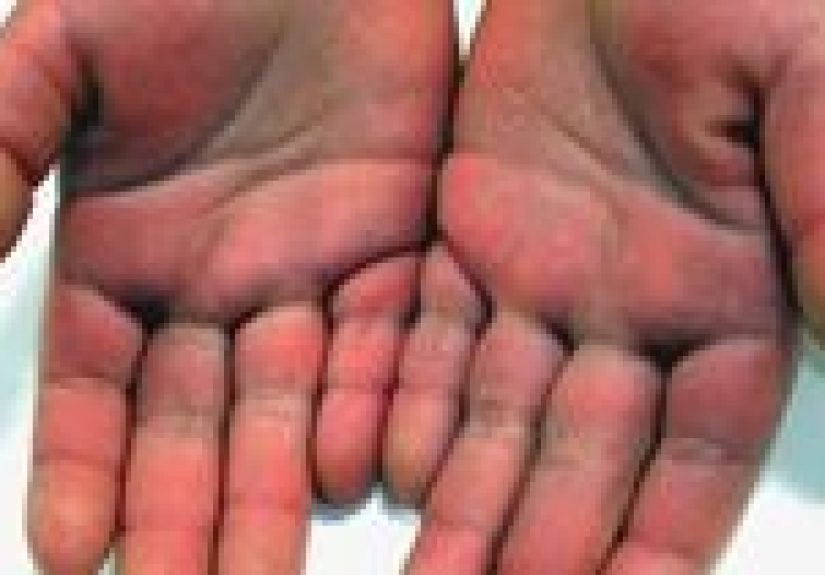
- Swelling or redness of the hands and feet, sometimes followed by peeling skin on fingers or toes
- An enlarged lymph node in the neck
These symptoms do not always arrive together like polite guests at a party. They may show up in stages, which is why parents sometimes describe the illness as confusing or “shape-shifting.”
Other symptoms that can appear
Kawasaki disease can also bring a collection of less specific symptoms, including:
- Irritability
- Abdominal pain
- Vomiting
- Diarrhea
- Joint pain
- Fussiness and fatigue
Because these symptoms overlap with many common childhood illnesses, Kawasaki disease may not be obvious at first glance. That is one reason persistent fever matters so much in the diagnostic picture.
Incomplete Kawasaki disease is still Kawasaki disease
Some children have the fever but fewer than four of the classic features. This is called incomplete or atypical Kawasaki disease. It is especially important in infants, who may present less clearly but still face a real risk of heart complications. In other words, fewer outward signs do not necessarily mean a milder problem.
How Doctors Diagnose Kawasaki Disease
There is no single magic test
This is one of the most important facts to understand: there is no single definitive test for Kawasaki disease. Diagnosis is clinical, which means doctors rely on the child’s symptoms, the duration of fever, physical exam findings, and supporting test results.
For classic Kawasaki disease, diagnosis usually depends on:
- Fever for at least five days
- Plus at least four of the five classic signs
That sounds simple on paper. Real life is messier. A child may arrive on day three with fever, red eyes, and a rash, but not yet have peeling hands or neck swelling. Another child may have incomplete Kawasaki disease and never develop the full checklist. That is why experienced clinicians watch the overall pattern rather than treating diagnosis like a rigid bingo card.
Tests doctors may order
Although no test confirms Kawasaki disease by itself, several tests help support the diagnosis and check for complications.
Blood and urine tests
Doctors often order blood tests to look for signs of inflammation and to rule out other illnesses. These tests may show elevated inflammatory markers, a high white blood cell count, anemia, or other changes that fit the broader picture. Urine tests may also be used as part of the workup.
Electrocardiogram (ECG)
An ECG checks the heart’s electrical activity and can help detect rhythm problems. It is not the headline act, but it gives doctors another useful clue when they are evaluating how the heart is doing.
Echocardiogram
An echocardiogram is one of the most important tests in Kawasaki disease. This ultrasound of the heart lets doctors see how the heart is functioning and whether the coronary arteries appear inflamed, enlarged, or aneurysmal. Even if the first echo is normal, follow-up imaging may still be needed because coronary changes can evolve over time.
Conditions doctors may rule out first
Kawasaki disease can resemble several other illnesses, so part of diagnosis is ruling out look-alikes. Depending on the child’s symptoms, doctors may consider:
- Scarlet fever
- Measles
- Toxic shock syndrome
- Stevens-Johnson syndrome
- Juvenile idiopathic arthritis or juvenile rheumatoid arthritis
- Rocky Mountain spotted fever
- Other viral or bacterial infections
- MIS-C, the inflammatory syndrome associated with prior COVID-19 infection
That long list explains why families are sometimes told, “We need to keep watching this.” It is not always hesitation. Sometimes it is careful medicine.
Why Early Diagnosis Matters So Much
The main reason doctors move quickly with Kawasaki disease is the risk of coronary artery complications. Inflammation can weaken the walls of the arteries that supply blood to the heart, leading to enlargement or aneurysms. These can raise the risk of clotting, reduced blood flow, or, in severe cases, heart attack.
Untreated Kawasaki disease has a much higher chance of causing coronary artery aneurysms. That is why medical teams aim to recognize and treat the illness early, ideally within the first 10 days of symptoms and often while the child is still febrile. Prompt treatment dramatically improves the outlook for most children.
The comforting part of this story is that most children recover well, especially when diagnosis is timely and follow-up care happens as planned.
A Quick Note on Treatment
Even though this article focuses on causes, symptoms, and diagnosis, treatment is part of the diagnostic urgency. Standard care usually includes:
- IVIG (intravenous immunoglobulin) to reduce inflammation and lower the risk of coronary artery damage
- Aspirin to help control inflammation and reduce clotting risk
- Hospital monitoring during the acute phase in many cases
- Follow-up heart imaging to make sure coronary arteries remain healthy
Some higher-risk children need more intensive therapy, especially if they have early coronary changes, are very young infants, or do not improve after initial treatment.
When Parents and Caregivers Should Call a Doctor
A fever that lasts more than a few days in a child always deserves attention, but certain combinations should raise concern fast. Call a healthcare professional promptly if a child has:
- A fever lasting more than three to five days
- Red eyes without discharge
- A widespread rash
- Red, cracked lips or a very red tongue
- Swollen hands or feet
- A swollen lymph node in the neck
If a child with known or suspected Kawasaki disease develops chest pain, trouble breathing, unusual swelling, poor feeding, or extreme fatigue, that needs urgent medical attention.
Real-Life Experiences With Kawasaki Disease: What Families Often Go Through
For many families, the first experience of Kawasaki disease is not “Aha, this is Kawasaki disease.” It is more like, “Why is this fever still here, and why does my child somehow look sick in five different ways at once?” Parents often describe the beginning as confusing because the illness does not always announce itself neatly. Day one may look like a virus. Day three looks stranger. By day five, people start realizing this is not ordinary kid sickness.
A common story starts with a child who is suddenly exhausted, clingy, and burning up with fever. Acetaminophen or ibuprofen may bring the temperature down briefly, but not for long. The child stops wanting food, becomes irritable, and seems uncomfortable in a way that feels hard to explain. Then the red eyes show up. Next come dry lips, or a rash, or swollen feet. Parents often say this is the moment when instinct kicks in hard: something is wrong.
Another shared experience is the frustration of hearing several possible explanations before Kawasaki disease is confirmed. Because the symptoms overlap with strep, viruses, allergic reactions, scarlet fever, and other childhood illnesses, families may go through one clinic visit or emergency department visit before the full pattern becomes clear. That can be scary, but it also reflects how the disease evolves over time. The diagnosis may not be obvious on the first day because the illness itself is still unfolding.
Once Kawasaki disease is suspected, many parents remember the echocardiogram as a major emotional moment. Until then, the illness may have felt like a miserable fever condition. Hearing that doctors need to look at the heart changes the emotional temperature in the room immediately. Families often describe a mix of fear and relief: fear because the heart is involved, relief because the medical team now has a plan and a name for what is happening.
Hospital treatment with IVIG is another experience many families remember vividly. Children may start improving surprisingly fast after treatment, which can feel almost miraculous after days of fever and misery. Still, recovery is not always instant. Even after the fever breaks, some children remain tired, cranky, or not quite themselves for days or weeks. Parents sometimes expect a dramatic overnight return to normal, only to learn that healing can be a slower walk than a sprint.
Follow-up appointments also become part of the family experience. Even when a child looks much better, families may continue thinking about the heart, future echocardiograms, and whether everything is truly okay. That worry is understandable. Over time, though, many parents say the follow-up visits bring reassurance, especially when heart imaging stays normal and the child returns to full energy.
Perhaps the biggest lesson families share is simple: trust the pattern, and trust your concern. A persistent fever plus changing symptoms deserves a second look. Parents often notice the odd combination before the diagnosis has a name. In Kawasaki disease, that instinct can matter a great deal.
Final Thoughts
Kawasaki disease is uncommon, but it is too important to shrug off as “probably just a virus” when the symptoms line up. The disease causes inflammation in blood vessels, tends to affect young children, and can threaten the heart if diagnosis is delayed. Because there is no single definitive test, doctors depend on a careful clinical evaluation, lab work, and heart imaging to spot it.
The takeaway is reassuring and urgent at the same time: early recognition changes outcomes. If a child has a prolonged fever with red eyes, mouth changes, rash, swollen hands or feet, or swollen neck glands, it is worth getting prompt medical attention. In Kawasaki disease, fast action is not overreacting. It is exactly the right reaction.
Note: This article is for educational purposes only and should not replace evaluation, diagnosis, or treatment by a licensed healthcare professional.






 Close
Close