
Table of Contents >> Show >> Hide
- What Is an Italian Margarita?
- Italian Margarita Recipe at a Glance
- How to Make an Italian Margarita
- Why This Italian Margarita Recipe Works
- Ingredient Notes That Actually Matter
- Best Tips for a Better Italian Margarita
- Easy Variations to Try
- What to Serve with an Italian Margarita
- Common Mistakes to Avoid
- The Experience of an Italian Margarita Recipe
- Conclusion
- SEO Tags
If a classic margarita and an after-dinner almond liqueur had a very charming, very well-dressed dinner date, the result would be the Italian Margarita. It is bright, citrusy, a little sweet, a little nutty, and just dramatic enough to make an ordinary weeknight feel like a tiny celebration. In other words, this is not the drink for being subtle. This is the drink for saying, “Yes, I do deserve a better Tuesday.”
An Italian Margarita recipe takes the backbone of a traditional margaritatequila, citrus, and orange notesand gives it a smoother, rounder personality with amaretto. Some versions lean into orange juice, some use triple sec, some go sweeter with sour mix, and some top the finished cocktail with an amaretto float for restaurant-style flair. The best version, though, is the one that tastes balanced in your glass: tart enough to wake up your taste buds, sweet enough to feel indulgent, and rich enough to justify a second sip.
What Is an Italian Margarita?
Despite the name, the Italian Margarita is best thought of as an Italian-inspired American cocktail-bar twist on the margarita. The “Italian” part comes from amaretto, the sweet almond-flavored liqueur that adds a warm, mellow edge to the drink. That one ingredient changes the personality of the cocktail fast. A classic margarita is crisp and zippy; an Italian Margarita is softer, silkier, and more dessert-adjacent without turning into a sugar bomb.
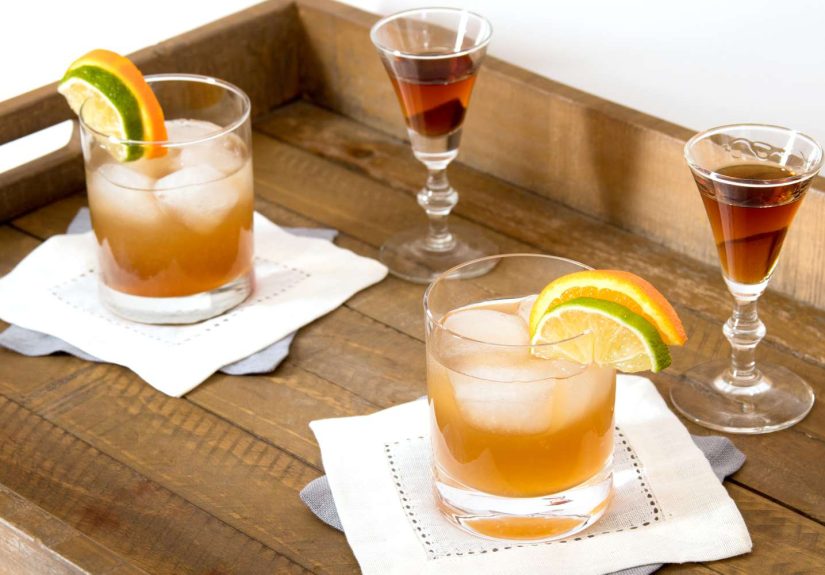
That contrast is exactly why the drink has such staying power. Tequila keeps it lively. Lime keeps it bright. Orange brings sunny sweetness. Amaretto ties the whole thing together with a nutty, almost cozy finish. The result tastes polished without being fussy, which is a nice trick for a drink that takes only a few minutes to make.
Italian Margarita Recipe at a Glance
Yield: 1 cocktail
Prep time: 5 minutes
Style: On the rocks
Flavor profile: Citrusy, almond-kissed, smooth, lightly sweet
How to Make an Italian Margarita
Ingredients
- 1 1/2 ounces blanco tequila
- 1 ounce amaretto
- 3/4 ounce triple sec or other orange liqueur
- 1 ounce fresh lime juice
- 1 ounce fresh orange juice
- 1/4 ounce agave syrup or simple syrup, optional
- Ice
- Lime wedge and orange slice, for garnish
- Coarse salt, sugar, or a half-salt/half-sugar mix for the rim
- Optional: 1/2 ounce amaretto for a float
Directions
- Run a lime wedge around the rim of a rocks glass. Dip the rim into salt, sugar, or a mixture of both. Fill the glass with fresh ice.
- In a cocktail shaker, combine the tequila, amaretto, triple sec, lime juice, orange juice, and optional agave syrup.
- Fill the shaker with ice and shake hard for about 15 seconds, until the outside of the shaker feels very cold.
- Strain the cocktail into the prepared glass.
- If you want a more restaurant-style presentation, slowly pour the extra amaretto over the top as a float.
- Garnish with a lime wedge or orange slice and serve immediately.
This version hits the sweet spot between fresh and crowd-pleasing. It has enough lime to taste like a margarita, enough orange to round things out, and enough amaretto to make the drink feel unmistakably “Italian.” If you prefer a drier cocktail, skip the optional syrup. If you like a softer, sweeter finish, keep it in.
Why This Italian Margarita Recipe Works
The secret is balance. Too much amaretto and your cocktail tastes like dessert with tequila issues. Too much lime and it turns sharp and sour. Too much orange juice and suddenly you are drinking grown-up brunch. This recipe keeps each component in check.
The tequila provides structure and bite. Blanco tequila is the cleanest choice because its bright, grassy character plays well with fresh lime and orange. Amaretto adds sweetness, texture, and that signature almond-like note. Triple sec sharpens the citrus profile, while orange juice softens the edges and makes the drink taste fuller and more approachable. The optional syrup is there only as a safety net, not a requirement.
That is also why this recipe works beautifully for people who say they “don’t usually love tequila drinks.” The amaretto smooths the rough corners. The citrus keeps the drink from feeling heavy. Everybody wins, including the friend who usually orders something with a paper umbrella.
Ingredient Notes That Actually Matter
Tequila
Use a decent blanco tequila. It does not need to be wildly expensive, but it should taste clean enough that you would not be embarrassed to sip it on its own. Reposado can work if you want a slightly warmer, oakier finish, but blanco keeps the cocktail fresher and more classic.
Amaretto
Amaretto is what gives this cocktail its identity. It brings sweetness and a subtle almond-apricot richness that makes the drink taste more layered than a standard margarita. If you have ever had a margarita and thought, “This is nice, but could it wear a velvet blazer?” amaretto is the answer.
Orange Liqueur vs. Orange Juice
Some Italian Margarita recipes rely mostly on orange liqueur, while others highlight orange juice. Using both gives you the best of both worlds. The liqueur adds classic margarita depth and brightness, while the juice lends fresh fruit flavor and a softer finish.
Fresh Lime Juice
Fresh is the move here. Bottled lime juice can flatten the cocktail and push it toward that vague “bar mix” flavor nobody sets out to recreate at home. Fresh lime keeps the drink lively and makes the sweetness taste intentional rather than accidental.
The Rim
A salted rim is classic and helps rein in the sweetness. A sugared rim leans into the almond-orange side of the drink. A half-salt, half-sugar rim is the diplomatic solution for anyone who cannot commit. It is the Switzerland of cocktail rims.
Best Tips for a Better Italian Margarita
- Shake longer than you think: Proper chilling softens the alcohol edge and integrates the citrus.
- Use plenty of ice: Warm margaritas are sad margaritas.
- Taste before serving: If your orange is especially sweet, you may not need syrup at all.
- Do not overdo the amaretto float: A little looks glamorous. Too much hijacks the drink.
- Choose the right glass: A rocks glass over fresh ice keeps the cocktail cold and easy to drink.
One more smart trick: if you like a smoother drink, add a tiny pinch of fine salt directly to the shaker, even if you are already salting the rim. It will not make the drink salty. It will make the flavors feel more connected, which is basically cocktail magic with less applause.
Easy Variations to Try
Frozen Italian Margarita
Blend the tequila, amaretto, triple sec, lime juice, orange juice, and about 1 cup of ice until smooth. This version is ideal for summer afternoons, backyard dinners, and moments when you want your cocktail to feel like air conditioning in a glass.
Olive Garden-Style Italian Margarita
If you are chasing that restaurant-style vibe, keep the orange notes obvious, rim the glass with sugar or a sugar-salt blend, and finish with a small amaretto float on top. That extra layer makes the first sip richer and a little more theatrical, which is honestly part of the appeal.
Pitcher Italian Margarita
For 6 servings, stir together 9 ounces blanco tequila, 6 ounces amaretto, 4 1/2 ounces triple sec, 6 ounces fresh lime juice, and 6 ounces fresh orange juice. Chill well, then pour over ice in prepared glasses. Add an amaretto float to each drink if desired. This is the easiest way to look organized at a party, even if you definitely are not.
Spicy Italian Margarita
Muddle a few jalapeño slices in the shaker before adding the rest of the ingredients. The spice works beautifully with amaretto because sweet almond notes and heat love a little drama together.
Blood Orange Italian Margarita
Swap the regular orange juice for blood orange juice. The drink becomes deeper in color, slightly berry-like in flavor, and suspiciously photogenic.
What to Serve with an Italian Margarita
This cocktail is excellent with salty, savory, and lightly spicy foods. Think shrimp tacos, grilled chicken, chips and queso, antipasto platters, roasted nuts, prosciutto-wrapped melon, or even a cheesy flatbread. It also works surprisingly well with richer fare because the citrus cuts through heaviness while the amaretto complements caramelized, nutty, or roasted flavors.
For dessert, keep it simple. Almond cookies, citrus cake, shortbread, or a small bowl of berries all make sense. The Italian Margarita already brings a little dessert energy to the table, so no need to serve it next to a chocolate lava mountain unless your evening goals are wildly ambitious.
Common Mistakes to Avoid
Using Too Much Sweetener
Amaretto is already sweet. Orange juice adds more sweetness. Triple sec adds more. This is why it is important to add syrup only if the drink needs it. Start without it, taste, then decide.
Skipping the Citrus Balance
An Italian Margarita still needs to taste like a margarita. If the lime disappears, the drink can turn flabby fast. Keep the fresh lime front and center.
Choosing Harsh Tequila
The goal is smooth and citrusy, not “campfire regret.” A decent tequila makes an enormous difference because the recipe is simple enough that every ingredient gets a vote.
Overloading the Glass with Garnish
This is not a fruit salad. One orange slice and one lime wedge are charming. Half the produce drawer is not.
The Experience of an Italian Margarita Recipe
The experience of an Italian Margarita is one of the reasons people fall for it so quickly. It is not just about taste. It is about mood. You make one, and suddenly your kitchen feels less like the place where bills pile up and more like the sort of room where candlelight exists on purpose. There is a tiny ceremony to it: rubbing the rim with lime, dipping the glass into salt or sugar, hearing the ice crackle in the shaker, watching the liquid turn frosty and golden. The whole process feels rewarding in a way that belies how easy it is.
The first sip usually delivers the same small surprise. You expect margarita tartness, and that definitely shows up, but then the amaretto slides in and makes the drink feel softer, rounder, more polished. It is the cocktail equivalent of a sharp outfit with really good tailoring. Nothing is screaming for attention, but everything looks like it belongs. The lime wakes up your palate, the orange brightens the middle, and the almond-like finish lingers just long enough to make you want another sip.
It is also a social kind of drink. A classic margarita can be punchy and direct. An Italian Margarita tends to invite conversation. It feels festive without being loud. Set out a pitcher for friends on a warm evening and people instantly start acting like the night has a plan, even if the only actual agenda is snacks and catching up. The cocktail looks pretty on the table, smells inviting, and tastes familiar enough for margarita fans while still feeling a little novel for everyone else.
There is also a seasonal magic to it. In summer, it tastes refreshing and sun-friendly, especially over lots of ice with a salty rim. In cooler weather, the amaretto gives it enough warmth to keep it from feeling out of place. That makes it a useful house cocktail, the kind you can bring out for taco night in July or a cozy dinner party in October. Few drinks manage that trick without changing costumes halfway through the year.
Another part of the experience is how customizable it is without becoming fussy. Some people love it sweeter and more orange-forward. Others prefer it sharper, with extra lime and less sugar. Some want the restaurant-style amaretto float because it looks fancy and adds a richer first sip. Others want a cleaner, brisker version with just enough amaretto to whisper rather than sing. The beauty is that the drink can handle all of those choices and still remain itself.
And then there is the emotional effect, which is real. Certain cocktails feel like events. The Italian Margarita feels like a reward. It is not trying too hard to impress anyone, but it still has charm. It is easy to make at home, but it does not taste homemade in the disappointing sense. It tastes intentional. For people who enjoy hosting, it offers that sweet spot between approachable and memorable. For people making one drink at the end of a long day, it offers the small luxury of something a little more interesting than the usual pour.
In that sense, the Italian Margarita recipe is not just a set of ingredients. It is a vibe enhancer. It is the kind of drink that turns dinner into date night, turns a backyard into a patio, and turns “I just threw something together” into “wow, you really know what you’re doing.” Even when you absolutely, positively are winging it.
Conclusion
The best Italian Margarita recipe is the one that respects both sides of the drink: the crisp tequila-citrus backbone of a margarita and the silky, nutty sweetness of amaretto. When those elements are balanced, the cocktail tastes bright but mellow, fresh but slightly indulgent, and fancy without requiring a mixology degree or an apron with emotional authority.
Whether you want a simple happy hour drink, a copycat-style restaurant favorite, or a house cocktail that feels a little more special than the usual lime-and-tequila routine, the Italian Margarita delivers. Make it on the rocks, blend it frozen, pour it by the pitcher, or finish it with an amaretto float if you want extra flair. Either way, this is one of those cocktails that proves a small twist can make a familiar drink feel brand new.







 Close
Close