
Table of Contents >> Show >> Hide
- Why Painting Over Mold Fails So Spectacularly
- What the Right Fix Actually Looks Like
- The Myth of “Mold-Killing Paint”
- Common Mistakes That Make Mold Come Back
- How to Prevent This Headache in the First Place
- The Real Lesson: Cosmetic Fixes Are Not Structural Fixes
- A Longer Personal Note on My Very Bad Mold Decision
- Conclusion
I had a plan. It was not a good plan, but it was a plan.
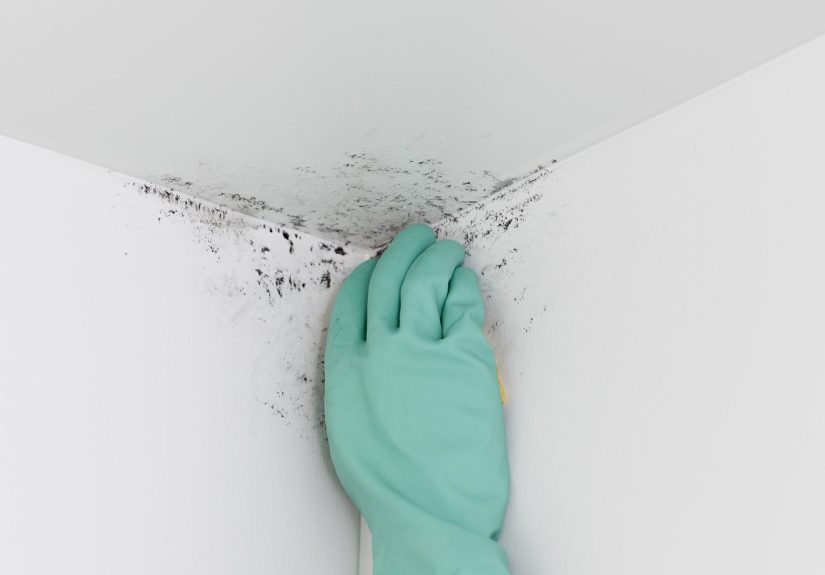
The plan was simple: notice weird speckly mold on the wall, panic for exactly nine seconds, then do what far too many overconfident homeowners and renters do when faced with a gross problemgrab a paintbrush and pretend the issue is now “aesthetic.” In my defense, fresh paint fixes a lot of things. Bad color choices. Scuffed trim. That one mysterious mark no one can explain. But mold? Mold laughs at paint. Mold sees your roller, your eggshell finish, your optimistic playlist, and says, “Cute.”
What I learned the hard way is this: painting over mold is not mold removal. It is mold makeup. It hides the evidence for a minute, then the problem comes back crankier, uglier, and often more expensive. If you are tempted to coat over a moldy patch and call it a renovation, let me save you from my personal journey into DIY nonsense.
Why Painting Over Mold Fails So Spectacularly
The biggest mistake people make is assuming mold is the problem. Usually, mold is the symptom. The real problem is moisture. That could be a slow plumbing leak, condensation from poor ventilation, a roof issue, a damp basement, a bathroom that never fully dries, or drywall that got wet and stayed wet. Paint does nothing to solve any of that.
So when you roll paint over mold, you are not removing the colony. You are basically putting a stylish throw blanket over a leaking pipe. The moisture source keeps feeding the growth behind the surface, and eventually the cover-up starts to fail. The paint may bubble, peel, stain, crack, or develop new discoloration. The wall starts looking like it has regrets. That is because it does.
Paint Does Not Eliminate the Moisture Source
Mold needs moisture to grow. That is the whole game. If the wall is still damp, if the bathroom still turns into a steam cave every morning, or if water is sneaking in from a window or pipe, the mold problem is still alive even if you cannot see it for a week or two.
This is why “just paint over it” feels like a fix at first. It changes the appearance. It does not change the conditions that let mold grow. And mold loves unchanged conditions.
Porous Materials Make the Problem Worse
Here is where the DIY fantasy really falls apart. Mold on hard, nonporous surfaces is one thing. Mold on porous materials like drywall, ceiling tile, insulation, carpet backing, or untreated wood is another. Those materials can hold moisture and let mold grow beneath the visible surface. That means the little patch you see may be the tip of a very annoying iceberg.
Translation: if you paint over moldy drywall, there is a decent chance you are painting over a problem that is already deeper than it looks. And because drywall is basically a sponge with ambitions, it is not always a “clean it and move on” situation.
Even “Dead Mold” Is Not a Free Pass
People also get hung up on the idea of killing mold versus removing mold. Those are not the same thing. The stain may fade. The smell may soften. But residue, spores, and damaged material can still remain. In other words, you do not get a gold medal for technically winning a chemistry experiment if the contaminated mess is still sitting in your wall.
That is one reason mold problems keep returning after half-hearted cleanups. You cannot simply nuke the surface, slap on primer, and expect the building to forget what happened.
What the Right Fix Actually Looks Like
The boring answerthe one no one wants because it involves actual effortis also the correct one. To fix mold properly, you need to do three things in the right order:
- Stop the moisture source.
- Clean or remove the moldy material correctly.
- Dry everything completely before priming or painting.
That is the whole recipe. No magic paint shortcut. No “one weird trick.” No blessed roller cover from the home improvement heavens.
Step 1: Find the Water
Before you clean anything, ask the least glamorous question in home maintenance: why is this wet? Is there a leak under the sink? Is the shower fan decorative instead of functional? Is outside water getting in around a window? Is the basement humid enough to support tropical fish?
If you skip this step, everything after it is theater.
Step 2: Decide Whether This Is a DIY Job or a Pro Job
Small mold patches are sometimes reasonable to handle yourself. If the affected area is fairly limited, the moisture source is obvious and fixed, and the material is cleanable, careful DIY cleanup may be possible. But once the area gets bigger, the material gets more absorbent, or the contamination may be hidden inside walls, ceilings, insulation, or HVAC zones, the smart move is often to bring in a professional.
That is especially true after flooding, sewage exposure, recurring leaks, or if someone in the home has asthma, severe allergies, or a weakened immune system. Mold is not the place to cosplay as a demolition wizard when your lungs are the ones paying the admission fee.
Step 3: Use Basic Safety Gear
For minor cleanup, that usually means gloves, eye protection, and a proper respirator rather than a flimsy “I found this in a drawer” dust mask. Good ventilation matters too. So does avoiding the classic DIY mistake of mixing cleaning products like you are auditioning for a hazard label.
If you use bleach on an appropriate hard surface, follow product directions carefully and never mix it with ammonia or other cleaners. More chemical drama does not mean more effectiveness. It usually means more regret.
Step 4: Clean Hard Surfaces, Remove What Cannot Be Saved
Hard surfaces can often be scrubbed clean with detergent and water, then dried thoroughly. But porous materials are a different story. If they are moldy and water-damaged, they may need to be removed and replaced. This is where people get emotional about drywall. I understand. Drywall looks innocent. Drywall is also frequently the thing that betrays you.
If the mold has gotten into carpet, insulation, ceiling tiles, soft furnishings, or the paper face of drywall, replacement is often the saner path than trying to preserve a cheap material with expensive labor.
Step 5: Dry the Area Completely Before Painting
This is the step I skipped, and therefore the step I now preach about like a reformed villain in a home renovation movie. The surface has to be dry. Not “feels pretty okay.” Not “probably dry enough.” Dry.
Only after the area is clean and completely dry should you think about primer and paint. At that point, mold-resistant coatings can be useful as part of a prevention strategy. They are not a substitute for remediation. They are the seat belt, not the brakes.
The Myth of “Mold-Killing Paint”
Yes, there are specialty primers and coatings marketed for mold and mildew situations. And yes, some are designed for specific nonporous or previously coated surfaces. But marketing language has launched a thousand bad decisions.
These products are not permission to paint over active mold on soggy drywall and move on with your life. If the underlying material is still wet, contaminated, or deteriorating, the coating is not going to perform a miracle. At best, it may help prevent future growth on a properly cleaned and dried surface. At worst, it becomes part of the cover-up you have to scrape off later while muttering words unsuitable for family websites.
Common Mistakes That Make Mold Come Back
Ignoring Humidity
Even without a dramatic leak, high indoor humidity can keep mold thriving. Bathrooms, laundry rooms, kitchens, basements, and window areas are repeat offenders. If indoor humidity stays high, your paint job may just become an expensive moisture diary. Exhaust fans, dehumidifiers, airflow, and fixing condensation issues matter more than most people think.
Testing Before Cleaning
A lot of homeowners assume they need lab testing before doing anything. In many cases, if you can already see visible mold, the more useful question is not “What species is this?” but “Why is this area wet, and how fast can I fix that?” Testing has its place, especially in large, hidden, disputed, or health-sensitive situations, but it is not a magic first step for every small visible patch.
Scraping and Sanding Old Painted Surfaces Without Thinking
If your home was built before 1978, be careful. Disturbing old paint can raise lead concerns. That means your “quick cleanup” project can unexpectedly turn into a lead-safe renovation issue. Mold is annoying enough on its own. It does not need a toxic side quest.
How to Prevent This Headache in the First Place
Once the mold is gone and the area is repaired, prevention becomes the real flex.
- Keep indoor humidity under control, ideally in a healthy middle range rather than swamp mode.
- Use bathroom and kitchen exhaust fans that actually vent properly.
- Fix leaks quickly instead of letting them become “future me” problems.
- Dry wet materials fast after spills, leaks, or flooding.
- Do not store damp stuff in basements, closets, or corners with poor airflow.
- Use mold-resistant paint only after surfaces are clean, sound, and dry.
Mold prevention is not glamorous, but neither is cutting out a section of wall because you tried to save thirty dollars and a Saturday afternoon.
The Real Lesson: Cosmetic Fixes Are Not Structural Fixes
The reason painting over mold is such a famously bad DIY move is not just that it fails. It is that it fails while making you feel briefly victorious. That is the dangerous part. You think you solved it. You stand back, admire your work, and maybe even text someone a photo. Meanwhile, the moisture problem is still doing laps behind the wall.
And when the stains reappear, or the paint peels, or the smell returns, you are no longer dealing with “a small ugly patch.” You are dealing with delayed maintenance, possible material damage, and an even less fun repair.
So yes, I painted over mold once. It looked great for a hot minute. Then the bubbling started. Then the smell came back. Then the wall felt a little soft, which is never the adjective you want for a wall. That is when I learned the humbling truth of home maintenance: if the fix is too easy, it is probably just camouflage.
A Longer Personal Note on My Very Bad Mold Decision
What made the experience especially ridiculous was how confident I felt at the beginning. I was not wandering blindly through a hardware store in a panic. No, I was organized. I had a roller tray, painter’s tape, a fresh gallon of paint, and the kind of dangerous optimism that usually ends with a second trip to the store. The mold patch was in a bathroom corner near the ceiling, and I convinced myself it was just a cosmetic stain from old humidity. I told myself I was being efficient. I was not being efficient. I was being theatrical.
At first, the result looked fantastic. The wall was bright, clean, and suspiciously innocent. For about ten days, I felt like a genius. Then a faint yellow-brown shadow started bleeding through the fresh paint. A week later, tiny speckles returned around the edges like mold was politely reintroducing itself. Then the paint began to blister. Not dramatically at firstjust enough to suggest that the wall had opinions. Soon, that small corner looked worse than it had before I touched it. My “fix” had basically turned a warning sign into a delayed explosion.
Once I stopped being offended by reality, I actually investigated the area. The exhaust fan in the bathroom was weak, the caulk near the shower had gaps, and condensation had clearly been collecting in that corner for a long time. In other words, the wall was not betraying me. I had betrayed the wall. After removing the damaged paint and opening up part of the area, I found damp material underneath. Nothing says personal growth quite like realizing you painted a moisture problem in premium satin finish.
The cleanup was annoying, dusty, and deeply humbling. I had to dry the space properly, improve ventilation, replace damaged material, and repaint the correct way after everything was fully dry. It cost more than the shortcut would have if I had handled it correctly the first time. It also took longer, because of course it did. Shortcuts in home repair have a magical way of turning one afternoon projects into multi-week morality tales.
But the experience did teach me something useful. A lot of DIY mistakes come from confusing surface appearance with actual condition. If something in a home looks ugly, our instinct is to cover it. Sand it. Patch it. Paint it. Style it into submission. Mold is different. Mold is evidence. It is your house sending a rude but important message: moisture is here, and it is not leaving on its own.
So now, whenever I see discoloration near a window, a musty smell in a closet, or bubbling paint in a bathroom, I do not reach for a brush first. I ask better questions. Why is this happening? Is the material still wet? Is this surface cleanable or ruined? Do I need a dehumidifier, a plumber, better ventilation, or an actual remediation plan? That shift in thinking has saved me money, time, and at least one more encounter with a soft wall.
If my embarrassment can save someone else from making the same mistake, then maybe that mold patch served a noble purpose. Or maybe it was just there to roast my decision-making. Honestly, both can be true.
Conclusion
Painting over mold feels clever for about five minutes and expensive for much longer. The right approach is less glamorous but far more effective: fix the moisture source, clean or remove contaminated material, dry the area fully, and only then repaint. If the mold is extensive, hidden, recurring, or tied to water damage, bring in a professional before the problem turns into a bigger mess. Your walls, wallet, and lungs will all appreciate the upgrade from denial to actual repair.







 Close
Close