
Table of Contents >> Show >> Hide
- Why Hedgehogs Make the Perfect Handmade Muse
- The Inspiration Behind My Little Hedgehogs
- How I Make Handmade Little Hedgehogs
- Why Handmade Hedgehog Gifts Feel So Personal
- Popular Styles of Little Handmade Hedgehogs
- How to Display Little Hedgehogs at Home
- What Makes Each Hedgehog Unique
- Why People Love Tiny Animal Art
- My Personal Experience Making Little Hedgehogs
- Conclusion: A Small Hedgehog, A Big Smile
Some people see a pinecone, a pinch of wool, a bead, or a scrap of fabric and think, “That belongs in a drawer until the end of time.” I see the beginning of a tiny hedgehog with suspiciously wise eyes, a round belly, and the personality of a woodland librarian who definitely knows where the snacks are hidden.
That is how my little handmade hedgehogs are born: one small detail at a time, with a lot of patience, a little imagination, and the occasional dramatic pause when a nose bead rolls under the table. These miniature hedgehog figures are inspired by real hedgehogs, forest folklore, cozy cottagecore style, and the kind of gentle humor that makes people smile before they even realize they are smiling.
Hedgehogs have a special kind of charm. They are small, rounded, shy-looking creatures with tiny faces and protective spines, yet somehow they manage to look like they are permanently late for tea. In nature, hedgehogs are mostly active at night, foraging for insects and other small foods. Their quills help protect them, but unlike the dramatic reputation of porcupines, hedgehog quills are not barbed. This mix of softness and prickliness makes them irresistible as artistic inspiration. They are cute, but not boring. Sweet, but not sugary. A little grumpy, but in the most lovable way.
My handmade little hedgehogs are created for hedgehog lovers, woodland decor fans, collectors of miniature animals, and anyone who believes a tiny creature can improve the mood of an entire room. They are not just decorations. They are pocket-sized ambassadors of coziness.
Why Hedgehogs Make the Perfect Handmade Muse
There are animals that look majestic, animals that look elegant, and animals that look like they just woke up from a nap inside a teacup. Hedgehogs proudly belong to the third category. Their shape is simple enough to become iconic: a rounded body, a pointed little snout, bright eyes, and a textured back. But within that simplicity, there is endless room for personality.
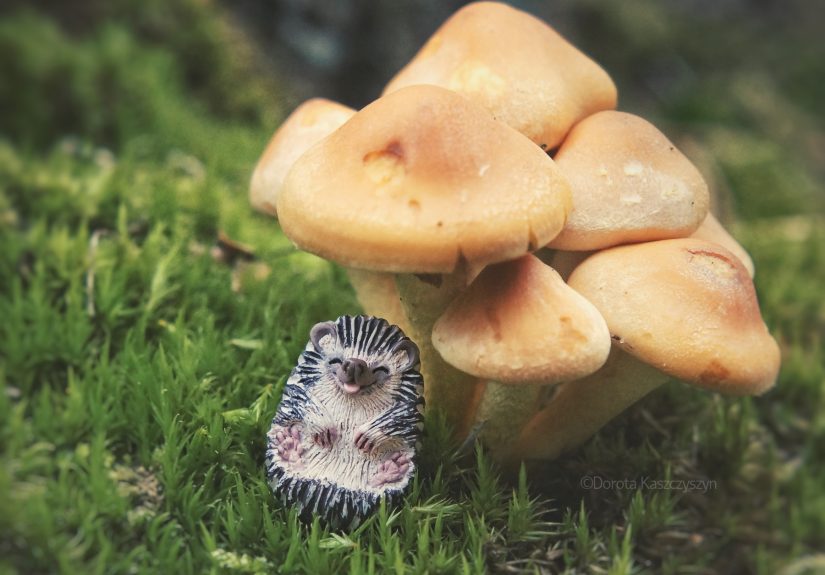
A handmade hedgehog can look curious, sleepy, mischievous, shy, cheerful, or deeply concerned about the state of the biscuit supply. That expressive range is one reason I love making them. A slight tilt of the nose can change the whole mood. A tiny scarf turns one into a winter wanderer. A mushroom hat makes another look like it has just stepped out of a fairy-tale union meeting for woodland creatures.
From an artistic perspective, hedgehogs also offer a satisfying contrast of textures. The face and belly can be soft and smooth, while the back can be spiky, curly, fuzzy, or layered. This makes them ideal for fiber art, needle felting, crochet, clay miniatures, fabric sculpture, and mixed-media ornaments. The texture tells the story before the viewer even reads a description.
Most importantly, hedgehogs carry emotional warmth. They remind people of gardens, autumn leaves, children’s books, quiet forests, and the simple comfort of small things made with care. In a world overflowing with plastic sameness, a handmade hedgehog feels personal. It looks like it has a tiny soul and possibly a strong opinion about acorn storage.
The Inspiration Behind My Little Hedgehogs
My inspiration comes from three places: nature, fantasy, and the wonderfully strange expressions that appear while crafting at midnight.
Nature: The Real Hedgehog Charm
Real hedgehogs are fascinating animals. They are nocturnal, which means they are most active when the world is quiet and moonlit. They use their noses and senses to explore, search for food, and navigate their surroundings. Their bodies are built for protection, with spines covering much of the back while the face and underside remain soft.
When I make a hedgehog, I try to honor those natural features without turning the piece into a scientific model. The goal is not perfect realism. The goal is recognition mixed with delight. I want someone to look at the finished piece and instantly think, “That is absolutely a hedgehog,” followed closely by, “Why do I feel emotionally attached to it?”
Fantasy: A Tiny Door Into a Bigger World
Fantasy lets the hedgehogs become more than animals. One can be a mushroom gatherer. Another can be a tiny baker with flour on its paws. Another might be a forest guardian wearing a leaf cloak and looking far more serious than its height should allow.
This fantasy element is important because handmade art often works best when it suggests a story. A little hedgehog sitting beside a miniature book does not need a full biography, but the viewer immediately invents one. Is it a scholar? A poet? A librarian? Has it misplaced its reading glasses again? The imagination fills in the blanks, and suddenly the piece becomes more memorable.
Cozy Humor: Because Cute Should Have Character
I like sweetness, but I love sweetness with a wink. My hedgehogs are not flawless porcelain angels. They have personality. Some look brave. Some look bashful. Some look like they have just remembered an embarrassing thing they said three winters ago. That small touch of humor keeps them alive.
When people buy or receive handmade hedgehog gifts, they are often responding to that personality. The best tiny animals are not just “adorable.” They feel like companions. Even if they sit quietly on a shelf, they add a little story to the space.
How I Make Handmade Little Hedgehogs
The process depends on the material, but the heart of it stays the same: shape, texture, expression, and finishing details. Whether I am working with wool, clay, yarn, or mixed media, I begin with the character first.
Step 1: Finding the Hedgehog’s Personality
Before I add eyes or texture, I decide what kind of hedgehog I am making. Is it a sleepy woodland baby? A cheerful garden friend? A tiny traveler? A shy little creature peeking out from leaves? This decision guides everything else: the body shape, color palette, accessories, and expression.
For example, a soft beige and brown hedgehog with round black eyes feels classic and gentle. Add a red scarf, and it becomes a winter gift. Add a tiny mushroom, and suddenly it belongs in a fairy garden. Add a book, and now it has academic responsibilities.
Step 2: Building the Body Shape
Most of my little hedgehogs start with a rounded form. Hedgehogs are naturally compact, and that roundness is part of their appeal. In needle felting, I build the body with wool fibers, repeatedly shaping and compressing the wool until the form becomes firm. In clay, I sculpt the base shape first and refine the face, belly, and back. In crochet or amigurumi-inspired work, the round body comes from tight stitches and careful stuffing.
The trick is balance. Too long, and the hedgehog starts looking like a potato with ambition. Too flat, and it loses its cuddly charm. A good handmade hedgehog needs a body that feels small, stable, and pleasantly plump.
Step 3: Creating the Spiky Texture
The back is where the hedgehog becomes a hedgehog. Depending on the style, I might use layered wool, textured yarn, tiny clay marks, embroidered stitches, faux fur, or carefully placed fibers. The texture should suggest quills without becoming sharp or unfriendly.
This is one of my favorite parts because it gives each hedgehog its own visual rhythm. Some backs look fluffy and soft. Others look more rustic and woodland-like. A few look delightfully messy, as if the hedgehog just rolled through a pile of leaves and considered it a fashion statement.
Step 4: Adding the Face
The face is the moment of truth. A handmade hedgehog can survive a slightly uneven ear or a quirky spine pattern, but the face must feel alive. The eyes need to be placed carefully. The nose should be small but expressive. The mouth, if added, should be subtle.
Many of my hedgehogs have simple faces because simplicity often feels more emotional. Two tiny eyes and a little nose can say a lot. Place the eyes slightly closer together, and the hedgehog looks innocent. Tilt the head, and it looks curious. Add tiny cheeks, and suddenly it is ready to steal hearts and possibly crumbs.
Step 5: Finishing With Details
Accessories are where the storytelling blooms. A scarf, acorn, mushroom, flower crown, miniature basket, leaf blanket, or tiny teacup can completely change the mood of the piece. But I try not to overload them. A hedgehog is already charming; it does not need to look like it packed for a three-week vacation through an enchanted forest.
The best details feel intentional. They support the character rather than distract from it. A single tiny mushroom can say “forest magic.” A small heart can say “gift.” A soft pastel bow can say “nursery decor.” A brown leaf can say “autumn, but make it adorable.”
Why Handmade Hedgehog Gifts Feel So Personal
Handmade gifts carry a different emotional weight than mass-produced items. When something is made by hand, it shows time, attention, and care. Small imperfections are not flaws; they are fingerprints of the process. They remind the receiver that a real person shaped, stitched, sculpted, or felted the piece into existence.
Little hedgehogs make especially good gifts because they fit many occasions. They can be birthday presents, desk companions, nursery decorations, Christmas ornaments, cottagecore shelf decor, teacher gifts, garden-lover surprises, or tiny “thinking of you” tokens. They are small enough to display anywhere but expressive enough to feel meaningful.
They also work beautifully for people who love animals but may not be able to keep pets. Real hedgehogs require specific care, including appropriate temperature, habitat, food, and handling. A handmade hedgehog, thankfully, requires no specialized enclosure, no mealworms, and no midnight exercise wheel concerts. It simply sits there being cute and emotionally supportive.
Popular Styles of Little Handmade Hedgehogs
One of the joys of making hedgehogs is that the same animal can become many different styles. Here are some of the most loved versions.
Needle-Felted Hedgehogs
Needle-felted hedgehogs are soft, sculptural, and full of character. Wool is a wonderful material for capturing that fuzzy woodland feeling. The face can be smooth and gentle, while the back can be built with textured fibers that mimic spines in a soft, artistic way. These pieces often feel warm and storybook-like, as if they belong in a tiny illustrated cottage.
Crochet and Amigurumi Hedgehogs
Crochet hedgehogs, especially amigurumi-style figures, are cozy and giftable. Their rounded forms, stitched details, and soft stuffing make them perfect for collectors and decor lovers. Amigurumi is often associated with small stuffed yarn creatures, and hedgehogs fit the style beautifully because their bodies are naturally compact and expressive.
Clay Miniature Hedgehogs
Clay hedgehogs allow for crisp details and playful accessories. They can become earrings, charms, ornaments, figurines, or fairy garden decorations. Clay is especially useful for tiny mushrooms, leaves, books, cups, and other miniature props. It also allows the hedgehog to hold a pose, which is excellent if the hedgehog needs to appear heroic, sleepy, or mildly suspicious.
Mixed-Media Woodland Hedgehogs
Mixed-media hedgehogs combine materials such as fabric, wool, wood, moss, paper, beads, and natural textures. These pieces often feel the most magical because they blend realistic woodland elements with handmade fantasy. A hedgehog nestled in faux moss with a tiny acorn cap looks like it wandered straight out of a secret forest market.
How to Display Little Hedgehogs at Home
Handmade hedgehogs are small, which makes them wonderfully easy to display. They do not demand a grand stage. A windowsill, bookshelf, desk corner, bedside table, plant shelf, or seasonal tray is enough. In fact, part of their charm is discovering them unexpectedly.
For a cozy cottagecore look, place a little hedgehog near dried flowers, ceramic mushrooms, small books, or natural wood pieces. For autumn decor, pair it with mini pumpkins, leaves, warm-toned candles, and acorns. For holiday styling, add a tiny scarf, a dusting of faux snow, or a miniature evergreen tree. For a child’s room or nursery, choose softer colors and gentle expressions.
Collectors often enjoy creating small scenes. A hedgehog beside a mushroom house. A hedgehog reading under a lamp. A hedgehog family crossing a tiny bridge. The more specific the scene, the more memorable it becomes. Just be careful: once you give one hedgehog a tiny accessory, the others may start looking underdressed.
What Makes Each Hedgehog Unique
No two handmade hedgehogs are exactly the same. Even when I use similar materials, tiny differences appear naturally. One nose points up slightly more. One face looks more curious. One body becomes rounder than expected. One pair of ears gives the creature a permanently surprised expression. These details are part of the charm.
In mass production, consistency is the goal. In handmade art, character is the goal. The little variations are what make each hedgehog feel like an individual rather than a product. A collector may choose one because it looks cheerful, another because it looks shy, and another because it appears to have the emotional depth of a retired forest poet.
This uniqueness also makes handmade hedgehogs ideal for personalized gifts. A hedgehog can be made in someone’s favorite colors, paired with a symbolic accessory, or designed to match a season, hobby, or personality. A book lover might receive a reading hedgehog. A gardener might receive one holding a flower. A teacher might receive one with a tiny apple. A cozy-home enthusiast might receive one wrapped in a scarf, looking like it has strong opinions about soup.
Why People Love Tiny Animal Art
Tiny animal art has a special place in modern handmade culture. It is decorative, but it is also emotional. Small creatures make people pause. They invite closer looking. They create a moment of tenderness in the middle of a busy day.
Part of the appeal comes from scale. When something is tiny, we instinctively pay attention. A miniature hedgehog feels delicate and precious, even if it has a comically serious face. The small size encourages people to hold it gently, display it thoughtfully, and imagine a world around it.
Another part of the appeal is nostalgia. Many people associate woodland animals with childhood stories, fairy tales, garden adventures, and handmade toys. Hedgehogs especially feel like they belong in a beloved picture book. They are familiar enough to be comforting and unusual enough to feel special.
Finally, tiny handmade animals offer joy without requiring much space. Not everyone can collect large artwork, but almost anyone can make room for a small hedgehog on a shelf. It is a little piece of happiness that does not ask for muchexcept perhaps a good viewing angle and the respect due to a creature of its stature.
My Personal Experience Making Little Hedgehogs
Making little hedgehogs has taught me that small art can have a surprisingly large emotional impact. When I first started creating them, I thought the appeal would be mostly visual. People would like the round shapes, the soft textures, and the cute faces. That did happen, but I quickly realized something deeper was going on. People were not just reacting to the object. They were reacting to the feeling behind it.
One person saw a tiny hedgehog with a scarf and said it reminded them of walking through autumn leaves with their grandmother. Another chose a sleepy hedgehog because it looked exactly how they felt after a long workweek. Someone else wanted a hedgehog holding a mushroom because it matched their forest-themed reading nook. These reactions showed me that the smallest details can create a bridge between the maker’s imagination and someone else’s memory.
The process itself is calming, though not always graceful. There are days when everything comes together smoothly: the body shape is perfect, the eyes sit evenly, and the little nose lands exactly where it should. Then there are days when a hedgehog looks less like a woodland creature and more like a confused dumpling. Those are the days when patience matters. I set the piece down, make tea, come back, and usually discover that it only needed one adjustment to become charming.
I have also learned that expression is everything. A hedgehog does not need complicated features to feel alive. Sometimes the tiniest tilt of the head makes it look curious. A slightly lowered face makes it shy. Wider-set eyes make it innocent. A little raised nose makes it seem adventurous. These subtle choices are what turn a craft project into a character.
Texture has become one of my favorite parts of the work. Hedgehogs are naturally defined by contrast: soft face, protective back, round body, pointed snout. Recreating that contrast in miniature is deeply satisfying. I love experimenting with wool fibers, stitched loops, layered clay marks, and fuzzy materials to suggest quills without making the piece feel harsh. The goal is always to keep the hedgehog touchable, warm, and friendly.
One of the funniest lessons is that people often assign personalities to the hedgehogs faster than I do. I might finish a little brown hedgehog and think, “This one is simple and sweet.” Then someone looks at it and says, “He is definitely the mayor of a tiny village.” And honestly, they are right. Once a handmade creature leaves the worktable, it begins collecting stories from whoever sees it.
Packaging and presentation have also become part of the experience. A tiny hedgehog feels even more special when it arrives nestled safely, almost like a little woodland treasure. I like the idea that opening the package should feel like discovering something, not just receiving an item. The first impression matters. A handmade hedgehog should arrive with the quiet drama of a forest secret.
Most of all, making these little hedgehogs has reminded me why handmade art matters. It slows things down. It invites care. It creates objects that carry personality instead of perfection. In a fast, noisy world, a tiny hedgehog can feel like a pause button. It says, “Here is something small, gentle, and made with attention.” That may sound simple, but simple joys are often the ones people keep closest.
Every hedgehog I make begins as material and becomes a tiny companion. Some are whimsical. Some are cozy. Some are slightly ridiculous in the best possible way. But each one is made with the hope that it will bring a smile to a hedgehog-loving heart. And if that smile comes with a small laugh, a warm memory, or the sudden urge to create a miniature forest shelf, then the hedgehog has done its job beautifully.
Conclusion: A Small Hedgehog, A Big Smile
Little handmade hedgehogs prove that joy does not need to be enormous to be meaningful. Sometimes it is small enough to sit in your palm, perch on a shelf, or hide beside a houseplant like it has important woodland business. Inspired by real hedgehogs, fantasy stories, cozy decor, and the magic of handmade craft, these tiny creatures bring warmth wherever they go.
Whether made from wool, yarn, clay, fabric, or mixed media, each hedgehog carries its own personality. Some look shy, some look adventurous, and some look like they are silently judging your snack choices. That is exactly what makes them wonderful. They are not just cute objects; they are tiny handmade characters with heart.
For hedgehog lovers, woodland decor collectors, cottagecore dreamers, and anyone who needs a cheerful little companion, handmade hedgehogs make thoughtful gifts and delightful keepsakes. They are proof that a small creature can carry a big storyand bring a smile to any hedgehog-loving heart.





 Close
Close