
Table of Contents >> Show >> Hide
There are two kinds of people during Prime Day: the calm, measured shopper who buys one practical thing and logs off, and the person who opens seventeen tabs, whispers “this is an investment” at 1:14 a.m., and suddenly knows more about vacuum motor wattage than any reasonable adult should. I am very much the second person.
And honestly? I have no regrets. Prime Day is one of those shopping events that can feel like total chaos on the surface, but when you approach it with a plan, it becomes a gold mine for smart buys. The trick is knowing what deserves a spot in your cart and what is merely wearing a discount tag like a fake mustache.
So this is not a random pile of “stuff I want.” This is my Prime Day cart strategy in action: a mix of practical upgrades, genuinely useful home finds, a few tech treats, and the household basics I’d rather buy on sale than at full price three weeks from now while silently judging my own timing.
If you live for Amazon deals too, here’s exactly how I think about my Prime Day cart, what I prioritize, what I skip, and which kinds of products earn a very dramatic “add to cart” from me.
Why Prime Day Shopping Hits Different
Prime Day is not just a sale. It is an event. It is theater. It is an annual reminder that the line between “responsible shopping” and “I deserve this because I remembered to answer one email today” is extremely thin.
But jokes aside, the reason Prime Day matters is simple: it tends to bring together discounts across categories that people actually shop. Not only electronics, but home essentials, cleaning gear, kitchen appliances, beauty tools, bedding, office accessories, and everyday replenishment items. That is why my cart is never just fun purchases. The best Prime Day cart has range.
I shop it like this:
- Big-ticket upgrades I have been postponing.
- Everyday essentials I know I will use anyway.
- Small “quality of life” buys that make daily routines less annoying.
- One or two indulgences that still feel justifiable.
That balance matters. A good Prime Day cart should not leave you with six neon gadgets and no toilet paper.
What’s in My Prime Day Cart This Year
1. A Smart Home Upgrade I’ll Actually Use
I am deeply suspicious of smart-home products that create more work than they solve. I do not want to download four apps just to dim a light bulb. That is why the products that make it into my cart are usually the simple, proven ones: a smart speaker, a video doorbell, a streaming stick, or a basic security camera for the front door or garage.
These are the kinds of deals that tend to show up again and again during major Amazon sales because they are practical, easy to set up, and often much cheaper than usual during event windows. In my cart, that usually means one entertainment upgrade and one peace-of-mind purchase.
For example, a streaming device makes sense if your TV is taking ten years to load a menu. A camera makes sense if you get mystery deliveries or want to keep an eye on packages. A smart display can be great in the kitchen for timers, recipes, and weather checks. A smart toaster? Hard pass. I refuse to Bluetooth my breakfast.
2. Wireless Earbuds That Pull Double Duty
No Prime Day cart of mine is complete without checking audio deals. This is one of the categories where the savings can feel substantial, especially on earbuds and headphones from major brands.
What I want is simple: strong battery life, reliable connectivity, good call quality, and enough comfort to survive a flight, a workout, and a dramatic walk around Target. Noise cancellation is a bonus, but fit matters even more. Amazing sound does not help if the earbuds launch themselves out of your ears every time you chew gum.
My rule is to buy audio only when I already know the product is well-reviewed and I have been eyeing it for a while. Prime Day is a good time to buy something tested and trusted, not to gamble on mystery earbuds with a name like “SuperBass ThunderBean X9 Pro Max.” I respect the confidence, but no.
3. A Cleaning Tool That Saves Time, Not Shelf Space
I love a clean home. I do not love spending my weekend pretending I enjoy dragging a vacuum across the same rug six times. So cleaning gear is always one of the first categories I check.
My cart usually includes one of these:
- a cordless stick vacuum for fast daily cleanups,
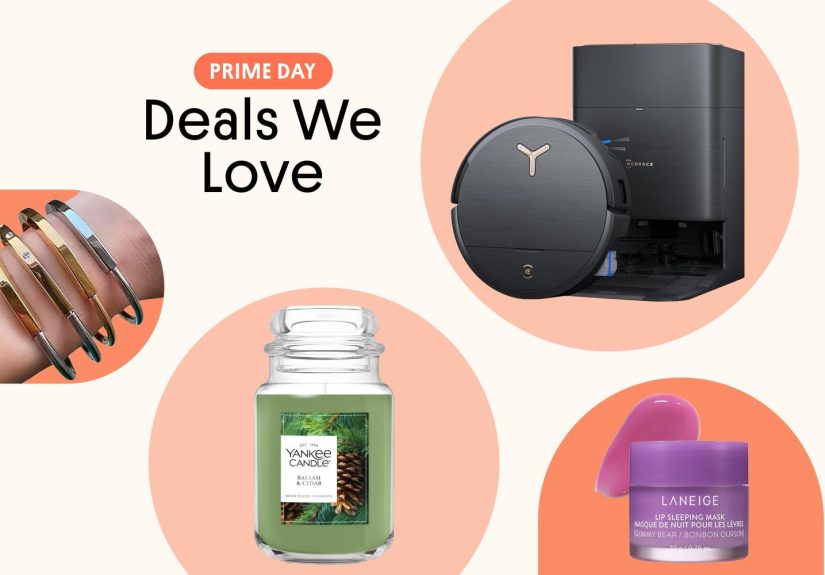
- a robot vacuum if I want automation,
- a portable carpet or upholstery cleaner for pet messes and “I spilled coffee but emotionally I spilled everything” situations,
- or a mop system that does not make me feel like I joined a part-time internship in floor maintenance.
This category is worth watching because the right cleaning product does not just clean better. It changes your habits. If a vacuum is lightweight and easy to grab, you use it more. If a carpet cleaner works in five minutes, you stop putting off messes until they become part of the décor. That is the difference between a sale buy and a genuinely smart buy.
4. Kitchen Gear That Earns Its Counter Space
Prime Day kitchen deals are dangerous for people like me because I can rationalize nearly any appliance if it promises crispier potatoes or less effort before coffee.
That said, I am picky. I am not interested in novelty machines that do one strange thing and then live in a cabinet forever. I want kitchen gear with repeat value. Think:
- an air fryer that gets used three times a week,
- a blender that can actually crush frozen fruit without sounding like a haunted lawn mower,
- a coffee maker that improves mornings,
- or storage containers that stop leftovers from turning into science projects.
These are the categories that make my cart because they support daily routines. If a product helps me cook at home more, reduces takeout temptation, or makes prep easier, it belongs there. If it is a single-purpose gadget for making flower-shaped waffles twice a year, I admire it from a distance and keep moving.
5. Bedding and Sleep Upgrades That Feel Luxurious but Useful
I do not need a dozen decorative pillows, but I will absolutely shop Prime Day for sleep upgrades. This is where I look for cooling sheets, supportive pillows, mattress toppers, blackout curtains, or a white-noise machine if my neighborhood decides every motorcycle must sound like a personal attack.
The reason these deals matter is that sleep products affect you every single day. When you buy better sheets, a better pillow, or a comforter that matches your sleeping temperature instead of actively fighting it, you feel the difference immediately. It is one of the least flashy but most satisfying categories in my cart.
If something helps me sleep deeper, wake up less cranky, and stop folding the same blanket over itself like a tactical operation, it is not an indulgence. It is self-preservation.
6. Everyday Essentials I’d Be Buying Anyway
This is where Prime Day quietly becomes its most useful. While the glamorous headlines focus on headphones and TVs, some of the smartest cart additions are the boring heroes: detergent, paper goods, toothbrush heads, skincare staples, vitamins, razors, batteries, trash bags, and pantry basics.
These purchases are not exciting, but they are powerful because they cut future spending. If I know I will need these items within the next month or two, I would rather buy them during a strong sale than pay regular price later while muttering “why is everything expensive?” into the void.
The only rule here is not to overdo it. Stocking up is smart. Panic-buying enough dish soap to survive three economic eras is not. My sweet spot is a practical refill, not a bunker.
How I Decide What Makes the Cut
A great Prime Day cart is not just about discounts. It is about discipline. Or at least the version of discipline available to someone browsing “today’s deals” with a coffee in one hand and zero resistance in the other.
Here is my filter:
Need, Use, Replace, Delight
I ask four questions before buying:
- Do I need it? If yes, obvious win.
- Will I use it often? Frequent-use products justify more spending.
- Am I replacing something annoying or broken? Upgrades count.
- Does it add real delight to daily life? Not every purchase must be strictly practical.
If an item hits at least two of those categories, it stays in the cart. If it only hits “this looked fun at midnight,” it gets cut before checkout.
I Avoid Fake Urgency
Prime Day is built on speed. Lightning deals, countdown clocks, low-stock warnings, dramatic little labels that imply civilization will collapse if I do not buy a water bottle in the next six minutes. I do not let that drive my decisions.
I love a good deal, but I love not regretting purchases even more. So I compare, pause, and ask whether the discount is attached to something I truly want or just something that found me while I was vulnerable and wearing pajamas.
I Prioritize Trusted Categories Over Trendy Hype
The best items in my cart are rarely the weird viral thing of the week. They are the categories with consistent long-term value: tech accessories, cleaning tools, kitchen workhorses, bedding, and replenishable household products. Those are the purchases that still feel smart a month later.
What I Skip During Prime Day
Just because something is discounted does not mean it belongs in the cart. Prime Day is full of temptation wearing a sale badge.
I usually skip:
- products with suspiciously vague reviews,
- off-brand gadgets with five-word names in all caps,
- items I did not want before the sale started,
- duplicates of things I already own and do not love,
- and giant purchases made purely because they are “such a good deal.”
A deal is only good if the product is good for you. Otherwise, congratulations, you saved money on clutter.
My Prime Day Cart Philosophy in One Sentence
I want my Prime Day cart to feel like my life is about to get easier, cleaner, cozier, better organized, and slightly more fun, not like I blacked out in an online mall.
That means a mix of smart home convenience, reliable tech, practical kitchen tools, upgraded cleaning gear, restful bedding, and everyday essentials I would buy anyway. The best Prime Day shopping is not random. It is thoughtful, even when it is enthusiastic.
The Real Experience of Building My Prime Day Cart
Now for the part that feels the most honest: the experience itself. Because if you love Amazon deals, you know the cart is not just a checkout destination. It is a living document. It evolves. It judges you. It occasionally reveals things about your priorities that no therapist asked for.
My Prime Day routine usually starts a few days early. I open the app “just to browse,” which is the shopping equivalent of saying you are only going to the beach to look at the water. Within minutes, I have saved a few practical items, a couple of maybe-items, and one absolutely unnecessary but aesthetically pleasing home product that makes me believe I am one purchase away from becoming the kind of person who folds napkins for fun.
Then comes the comparison phase. This is where I become mildly unhinged. I check whether the item is truly something I wanted before the sale. I look at whether it solves an actual problem. I imagine where it will live in my home. I picture whether I will still like it after the dopamine wears off. This sounds dramatic, but this process has saved me from buying more than one useless gadget that looked brilliant in a sponsored video and ridiculous five minutes later.
The funniest part of Prime Day shopping is that my cart always tells a story about my current life. If there are storage bins, I am trying to get organized. If there is a coffee maker, I am trying to become a morning person. If there is a robot vacuum, I have reached the stage of adulthood where I consider “not sweeping” a luxury experience. And if there are skincare refills and household basics piled next to earbuds and a streaming stick, that means I am balancing practicality with just enough fun to keep the whole thing interesting.
I also love the moment when I trim the cart down. That is where the real strategy kicks in. The final version is never the biggest one. It is the smartest one. I keep the products that improve my routine, replace something frustrating, or save me money later. I cut the things that only looked exciting because they were next to a red percentage sign.
And yes, there is always one item I almost remove but keep anyway. Sometimes it is a cozy blanket. Sometimes it is a nicer kitchen tool than I technically need. Sometimes it is a beauty product I have wanted forever but refused to buy at full price. I think that is part of the fun. A Prime Day cart should not feel joyless. It should feel intentional, with a little room for pleasure.
That is why I live for Amazon deals. Not because I want more stuff for the sake of having stuff, but because I genuinely enjoy finding the sweet spot where timing, value, and usefulness all line up. When that happens, shopping feels less like impulse and more like smart timing with excellent snacks nearby.
So if you are building your own Prime Day cart, take the pressure off. You do not need to buy everything. You do not need to chase every countdown timer. Just focus on the products that make your home run better, your routine feel easier, and your future self a little more grateful. Then add one fun thing too. You earned it.
Conclusion
My ideal Prime Day cart is never about buying the most. It is about buying well. I want practical upgrades, better daily tools, and a few satisfying treats that feel genuinely worth it. The smartest Prime Day purchases are the ones that still make sense after the sale banners disappear: the cleaner that saves time, the earbuds you use every day, the kitchen appliance that earns its keep, the bedding that improves your sleep, and the essentials you will absolutely need anyway.
That is the real Prime Day win. Not chaos. Not impulse. Just a cart full of useful, well-timed choices that make life a little smoother and a lot more enjoyable.






 Close
Close