
Table of Contents >> Show >> Hide
- What Happens When You Stub a Toe?
- How to Treat a Stubbed Toe: 14 Steps
- Step 1: Stop moving and assess the damage
- Step 2: Take off your shoe and sock right away
- Step 3: Clean any scrape, cut, or torn skin
- Step 4: Rest the foot and protect the toe
- Step 5: Ice it the right way
- Step 6: Elevate your foot above heart level
- Step 7: Use pain relief carefully
- Step 8: Buddy tape the toe if it seems minor and straight
- Step 9: Wear a stiff-soled or roomy supportive shoe
- Step 10: Limit impact for the next 24 to 72 hours
- Step 11: Start gentle movement when the worst pain settles
- Step 12: Watch the toenail closely
- Step 13: Know the signs that you may need an X-ray
- Step 14: Return to normal activity gradually
- When a Stubbed Toe Needs Medical Attention
- Common Mistakes That Make a Stubbed Toe Worse
- How Long Does a Stubbed Toe Take to Heal?
- Experience Notes: What People Usually Learn the Hard Way
- Final Thoughts
Stubbing your toe is one of life’s least glamorous plot twists. One second you’re walking like a functional adult, and the next you’re negotiating with the corner of the bed in language not approved by polite society. The good news: most stubbed toes are bruises, mild sprains, or small injuries that improve with smart home care. The not-so-fun news: some stubbed toes are actually broken, badly sprained, or involve a nail injury that needs a doctor’s attention.
If you want to know how to treat a stubbed toe without turning a small mishap into a weeklong limp-fest, this guide walks you through 14 practical steps. It also explains when a “just walk it off” toe is absolutely not a “just walk it off” toe.
What Happens When You Stub a Toe?
A stubbed toe usually happens when your toe slams into a hard object, bends farther than it should, or gets crushed. That can leave you with a bruise, a sprain, a cracked or broken bone, or bleeding under the toenail. In mild cases, the pain peaks fast, the swelling stays modest, and you can still walk. In more serious cases, the toe may look crooked, feel unstable, swell dramatically, or make wearing a shoe feel like a terrible life choice.
Before you panic, remember this: a painful toe does not automatically mean a broken toe. But severe pain, obvious deformity, trouble bearing weight, numbness, or a torn nail should push you toward medical care sooner rather than later.
How to Treat a Stubbed Toe: 14 Steps
Step 1: Stop moving and assess the damage
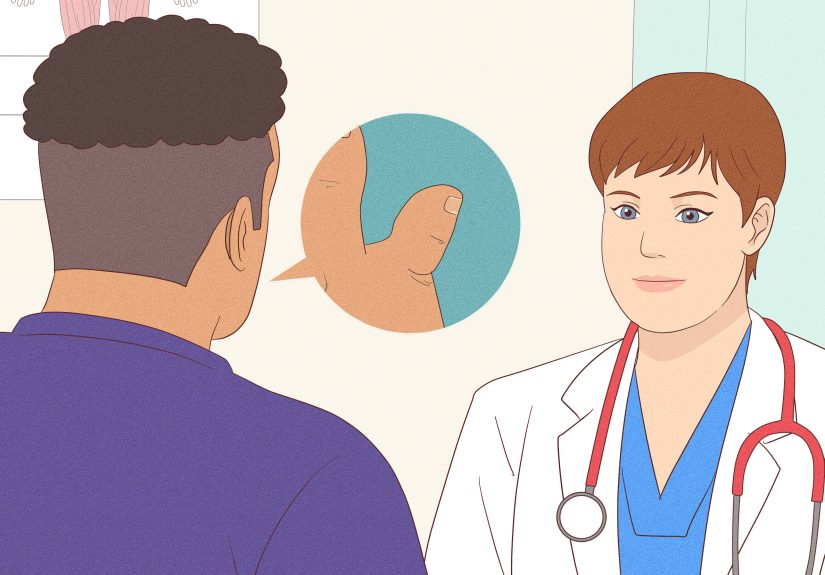
As tempting as it is to hop in circles and declare war on furniture, pause for a moment. Sit down and look at the injured toe. Check for swelling, bruising, cuts, bleeding, nail damage, or a toe that looks bent in an odd direction. Wiggle it gently if you can. Pain is expected. A toe that looks clearly crooked, feels numb, or causes intense pain with even slight movement deserves prompt medical evaluation.
Step 2: Take off your shoe and sock right away
Remove anything tight before swelling ramps up. Shoes and socks can trap pressure around the toe and make pain worse. If pulling the sock off hurts, go slowly. If the sock is stuck to blood or a nail injury, do not yank it off dramatically like you’re in an action movie. Ease it away carefully, and if needed, dampen it first.
Step 3: Clean any scrape, cut, or torn skin
If the stubbed toe also has a small cut or torn skin, rinse it gently with clean running water. Pat it dry and cover it with a clean bandage. Avoid pouring harsh antiseptics into the wound like you’re seasoning a steak. Gentle cleaning and a simple dressing are usually enough for a minor break in the skin. If the wound is deep, dirty, keeps bleeding, or you can see exposed tissue, seek care.
Step 4: Rest the foot and protect the toe
The first treatment for a stubbed toe is not heroism. It is rest. Stop running, jumping, training, or stomping around the house to prove you’re fine. Give the toe a break, especially for the first day or two. A minor bruise may tolerate light walking, but anything that sharply increases pain is your cue to back off.
Step 5: Ice it the right way
Apply a cold pack or a bag of ice wrapped in a thin towel for about 15 to 20 minutes at a time. Do not put ice directly on the skin. Repeat this several times during the first day and then a few times a day as needed. Ice helps reduce swelling, dull pain, and calm down that throbbing “my toe has become its own heartbeat” sensation.
Step 6: Elevate your foot above heart level
Elevation is underrated and deeply unglamorous, which is exactly why people skip it. Prop your foot up on pillows so the toe sits above the level of your heart when possible. This helps limit swelling and may make the toe feel less tight and angry. A couch, a stack of pillows, and a short break can do more for a stubbed toe than pacing around while complaining.
Step 7: Use pain relief carefully
If you normally can take over-the-counter pain medicine, consider acetaminophen for pain or an anti-inflammatory medicine such as ibuprofen or naproxen if those are appropriate for you. Follow the label directions and avoid taking more than recommended. If you have kidney disease, stomach ulcers, bleeding issues, liver disease, or other medical concerns, use extra caution and ask a clinician or pharmacist what is safest.
Step 8: Buddy tape the toe if it seems minor and straight
Buddy taping means gently taping the injured toe to the one next to it for support. This can help with some minor toe injuries and nondisplaced fractures, especially in the smaller toes. Place a small piece of gauze or cotton between the toes first so the skin does not rub and get soggy. Then wrap medical tape around both toes snugly, not tightly enough to cut off circulation.
Skip buddy taping if the toe is visibly crooked, the skin is badly injured, the big toe is involved and the injury seems significant, or taping makes the pain worse. In those cases, get medical advice first.
Step 9: Wear a stiff-soled or roomy supportive shoe
A flexible shoe forces the toe to bend with every step, which is exactly what an irritated toe does not want. A stiff-soled sneaker, hard-soled shoe, or post-op style shoe can reduce motion and protect the area. Avoid tight shoes, narrow toe boxes, high heels, and anything that squeezes the front of your foot. For a few days, your fashion priorities may need to shift from “cute” to “does not make me see stars.”
Step 10: Limit impact for the next 24 to 72 hours
Even if the pain starts to improve quickly, do not celebrate by doing sprints, a lower-body gym session, or a long walk “to test it.” Early overuse is a classic mistake. Gentle walking around the house may be fine if tolerable, but high-impact activity can increase swelling and delay recovery. The toe needs a little peace, not a comeback montage.
Step 11: Start gentle movement when the worst pain settles
Once swelling and pain begin to calm down, gently moving the toe through a comfortable range can help prevent stiffness. Think easy bending and straightening, not aggressive stretching. If the toe resists, feels unstable, or the pain spikes, back off. Motion should be gradual and boring, which is usually a good sign in injury recovery.
Step 12: Watch the toenail closely
Sometimes the real problem is under the nail. If blood collects beneath the toenail, you may notice dark discoloration and intense throbbing. A bruised nail can improve on its own, but severe pressure under the nail may need drainage by a clinician. Do not try your own dramatic internet-inspired nail procedure at home. That is a fast route to a worse story.
Step 13: Know the signs that you may need an X-ray
You should think beyond home care if the toe looks deformed, you cannot bear weight, the pain is severe after the first day or two, the swelling is substantial, the bruising is dramatic, or the toe remains very tender directly over the bone. An X-ray may be needed to check for a fracture, especially if the big toe is injured or the toe is not lining up normally.
Step 14: Return to normal activity gradually
As pain improves, slowly return to normal walking and exercise. A mild stubbed toe may settle down within days, while a broken toe can take several weeks to feel normal again. The goal is steady progress, not a rushed return that restarts the whole problem. If your limp hangs around, shoes still feel impossible, or the toe remains swollen and miserable, get checked.
When a Stubbed Toe Needs Medical Attention
Home treatment is reasonable for many mild cases, but some stubbed toe symptoms are a sign to call a doctor, visit urgent care, or get emergency care. Seek medical attention if:
The toe looks crooked or rotated. That can suggest a displaced fracture or dislocation.
You cannot put weight on the foot. Trouble bearing weight raises concern for a more significant injury.
The pain or swelling is severe or getting worse. A toe that keeps escalating instead of easing deserves a closer look.
There is an open wound, heavy bleeding, or exposed tissue. Skin injuries raise the risk of infection and can change treatment.
You have numbness, tingling, or color changes. These can suggest circulation or nerve problems.
The nail is badly damaged or pressure under the nail is intense. You may need nail care or drainage.
You have diabetes, poor circulation, or neuropathy. Even a small foot injury can become a bigger deal when healing or sensation is affected.
You develop redness, warmth, pus, fever, or streaking. Those are signs of infection and should not be ignored.
Common Mistakes That Make a Stubbed Toe Worse
One of the most common mistakes is assuming the injury is “just a bruise” because you can still walk. People often limp around in narrow shoes, skip icing, and keep doing their normal activities until the toe is twice as swollen and three times as cranky. Another mistake is taping the toe too tightly. Support is helpful; turning your neighboring toe into a hostage is not.
Some people also wait too long to get care for a big toe injury. That matters because the big toe handles a lot of the work of balance and push-off during walking. A significant injury there may need more support than a smaller toe would. And finally, there is the classic move of trying to pop, crack, pull, or “reset” the toe yourself. Please don’t. That is a fine way to make a manageable injury more complicated.
How Long Does a Stubbed Toe Take to Heal?
A mild stubbed toe may improve noticeably within a few days and continue settling over one to two weeks. A more serious sprain, nail injury, or fracture can take several weeks. The exact timeline depends on what got injured and how well you protect it. If your recovery stalls, walking remains hard, or the toe still looks odd after the initial swelling should be improving, it is time to get evaluated.
Experience Notes: What People Usually Learn the Hard Way
In real life, stubbed toe injuries rarely happen in dramatic fashion. They happen when someone gets up at 2 a.m. for water and underestimates the location of a bed frame by three tragic inches. They happen when a parent sidesteps a toy, clips the coffee table, and suddenly discovers new dimensions of pain. They happen when someone rushes down a hallway, catches the edge of a door, and then spends ten full seconds staring into space while reconsidering every choice that led to that moment.
What people usually notice first is how fast the pain arrives. It is sharp, immediate, and weirdly personal. Then comes the second phase: denial. Plenty of people try to keep walking normally for a minute or two, only to realize the toe is swelling inside the shoe and every step feels like a tiny revenge plot. That is often the moment they wish they had sat down, taken the shoe off, and iced it immediately instead of trying to power through.
Another common experience is that the toe may not look terrible at first. A person thinks, “It hurts, but it doesn’t look that bad,” and then an hour later the bruising appears, the toenail darkens, or the toe becomes too tender to tolerate a blanket touching it. That delayed swelling is one reason early rest and elevation matter more than people expect.
People also learn quickly that footwear can make or break the next few days. A roomy, stiff-soled shoe feels surprisingly helpful. A narrow sneaker or dress shoe feels like a personal insult. The front of the shoe becomes the enemy. Many people find that once they stop forcing the toe into tight footwear, the pain drops more than they expected.
There is also a pattern with activity. Someone feels a little better the next day and decides that means they are fully healed. They walk too much, go back to the gym, or spend hours on their feet, and by evening the toe is swollen again and throbbing. Stubbed toes are rude, but they are also predictable: if you irritate them too early, they complain loudly.
Probably the biggest lesson is that a “small” toe injury can still affect daily life in surprisingly annoying ways. Walking slows down. Stairs become a strategy problem. Shoes become a negotiation. Even sleeping can be irritating if the blankets brush the sore area. That does not mean the injury is catastrophic. It just means toes are tiny structures with an unfair amount of influence over your comfort.
The encouraging part is that most people improve with simple care: rest, ice, elevation, smart shoes, and patience. The people who do best are usually the ones who respect the injury early instead of arguing with it. And the people who need medical help are often glad they got checked, especially when the toe turns out to be fractured, misaligned, or hiding a nail injury that home care was never going to fix.
Final Thoughts
If you stub your toe, the best treatment is usually simple: inspect it, protect it, reduce swelling, support it if appropriate, and watch closely for signs that it is more than a minor bruise. Most stubbed toe injuries get better without much drama when treated early and sensibly. But if the toe is crooked, intensely painful, numb, badly swollen, or impossible to walk on, do not guess. Get it checked. Furniture may be smug, but at least your toe doesn’t have to suffer for it.






 Close
Close