
Table of Contents >> Show >> Hide
- What “Tear-Off” Means (And Why It Matters)
- Should You Tear Off or Roof Over?
- Safety Reality Check: Roof Tear-Offs Are High-Risk Work
- Plan the Tear-Off Like a Pro (Even If You’re Hiring One)
- Protect the House and Yard Before Anything Comes Off
- Tools and Supplies Pros Commonly Use
- How the Tear-Off Typically Happens (High-Level Overview)
- Deck Inspection: The Most Valuable Part of the Whole Job
- Special Cases: Multiple Layers, Old Materials, and “Roof Archaeology”
- Cleanup and Disposal: Where Good Roofers Quietly Win
- Common Tear-Off Mistakes (That Get Expensive Fast)
- Hiring a Roofer for Tear-Off: Questions Worth Asking
- FAQ: Quick Answers Homeowners Want
- Experiences From the Real World: What Roof Tear-Offs Teach You (The Fun Way)
- 1) The roof is never “just shingles”
- 2) Debris has a personality, and it’s chaotic
- 3) The nail situation is always bigger than you think
- 4) “In-between” roof slopes are sneaky
- 5) Rotten decking is less dramatic than you expectand more important
- 6) The best contractors protect your property like it’s their own
- 7) The “tear-off day” is where trust is built
- Conclusion
Tearing off roof shingles sounds like one of those heroic homeowner quests: climb the roof, defeat the ancient
crunchy layers, emerge victorious in a blizzard of granules. In reality, a roof tear-off is more like demolition
meets obstacle course… with gravity as the referee.
Important note up front: roof tear-offs involve serious fall and injury risk. This article explains what a
tear-off includes, how professionals typically approach it, and how to plan the job safely. If you’re not trained
for working at heights, treat this as “know what’s happening on your roof,” not “hold my soda and watch this.”
What “Tear-Off” Means (And Why It Matters)
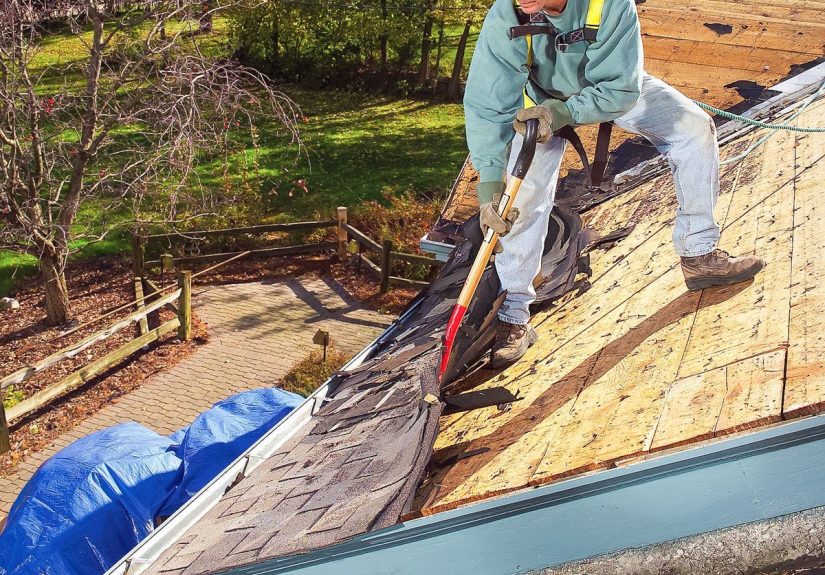
A roof tear-off is the removal of old roofing materials down to the roof deck (the wood sheathing),
so the deck can be inspected, repaired if needed, and then built back up with underlayment, flashing, and new
shingles. In other words: it’s not just ripping off shinglesit’s creating a clean, inspectable surface for a
proper roof replacement.
What usually gets removed during a full tear-off
- Asphalt shingles (including ridge caps)
- Old underlayment (felt/synthetic) and any “mystery layers”
- Problem flashing (especially around chimneys, valleys, skylights, and walls)
- Loose nails and fasteners left in the deck
Why a clean deck is the whole point
The deck tells the truth. When shingles stay on, hidden problems can stay hidden: soft spots, rotted sheathing,
old flashing failures, and ventilation issues. A tear-off lets you fix what’s underneath before you pay to cover
it up again.
Should You Tear Off or Roof Over?
Homeowners often ask, “Can I just install new shingles over the old ones?” Sometimes a “roof-over” (also called a
recover) is allowed, but it depends on local rules, the condition of the current roof, and how many layers are
already up there. Even when it’s permitted, roof-overs can hide decking problems and can make future work harder.
Common reasons a tear-off is the smarter move
- Deck inspection: you can’t repair what you can’t see.
- Flashing upgrades: chronic leaks often trace back to flashing, not the shingle field.
- Ventilation improvements: intake/exhaust issues are easier to correct during replacement.
- Weight and unevenness: multiple layers add weight and can create an uneven surface.
If you’re comparing options, a good rule of thumb is: if you’ve had leaks, sagging areas, or multiple layersor
the roof surface is wavy or brittletear-off tends to be the “do it once, do it right” choice.
Safety Reality Check: Roof Tear-Offs Are High-Risk Work
Roofing is consistently one of the most dangerous construction activities because falls can happen fast, and the
consequences are severe. Even “low” residential roofs can be dangerous, and conditions can change mid-job (heat,
wind, unexpected rot, loose debris).
Why tear-offs are riskier than they look
- Traction changes: loose granules and debris turn surfaces slippery.
- Trip hazards: protruding nails and torn underlayment catch feet.
- Hidden weak spots: soft decking can fail under weight.
- Falling debris: shingles and nails threaten people and property below.
If you’re not experienced with height safety, ladders, and fall protection, hiring a qualified roofing contractor
is not “giving up”it’s choosing to keep your bones in the configuration they came in.
Plan the Tear-Off Like a Pro (Even If You’re Hiring One)
Whether you’re overseeing a contractor or helping an experienced adult crew, planning prevents chaos. The best
tear-offs feel boring because everything was decided before the first shingle comes off.
1) Check local rules and logistics
Some areas require permits for roof replacement, and many have rules on debris disposal. Also think through
driveway access, where a dumpster can sit, and whether a truck can reach your home without turning your lawn into
modern art.
2) Choose the weather window (and respect it)
Tear-offs expose the deck. That means weather matters more than your optimism. Contractors watch forecasts
closely and plan so the roof can be dried-in quickly if conditions change.
3) Decide “how far” the tear-off goes
Not every job is an all-or-nothing demolition festival. Some projects are full tear-offs. Others are targeted:
removing shingles in specific areas to repair rot or replace failing flashing. A reputable roofer will explain
why they’re recommending one approach over another.
Protect the House and Yard Before Anything Comes Off
Roof shingle removal doesn’t just happen on the roofit happens in your landscaping, driveway, gutters, and
flowerbeds if you don’t prepare.
Ground protection checklist
- Move vehicles well away from the drop zone.
- Relocate patio furniture, grills, and potted plants.
- Cover delicate shrubs and garden beds (pros often use tarps/plywood strategically).
- Pick a “no-go” area for kids, pets, and curious adults (curiosity + nails = bad math).
Interior prep you’ll be glad you did
Tear-offs shake the house. In older homes especially, vibrations can rattle items in the attic and on walls. It’s
smart to protect stored attic items and secure fragile wall hangings. Think: “mini earthquake,” not “gentle roof
spa day.”
Tools and Supplies Pros Commonly Use
If you’re hiring a roofer, you don’t need to buy toolsbut knowing what’s normal helps you spot a crew that’s
prepared versus a crew that’s improvising with hope and a questionable pry bar.
Common tear-off tools (examples)
- Roofing shovel/fork (specialized tear-off tools)
- Pry bars and hammers
- Utility knives (for underlayment and detail work)
- Magnetic sweeper/roller (for nail cleanup in grass and driveways)
- Tarps/plywood (for debris control and property protection)
- Dump trailer or dumpster (because “pile it in the yard” is not a strategy)
You may also see dust control practices, eye/hand protection, and other safety measures used to reduce exposure
to debrisespecially if the old roof materials are brittle or dusty.
How the Tear-Off Typically Happens (High-Level Overview)
Every roof is different, but professional crews generally follow a consistent rhythm: remove, contain, inspect,
and clean. The goal is to expose sound decking without creating new problems (gouged wood, torn edges, damaged
flashing areas that should be preserved, etc.).
Typical phases of a roof tear-off
- Perimeter and detail work: ridge caps, vents, and areas around penetrations are addressed first.
- Main shingle removal: shingles are removed in controlled sections to keep the roof manageable.
- Underlayment removal: old felt/synthetic layers are peeled back to expose decking fully.
- Nail and debris cleanup: protruding fasteners and loose material are removed from the deck.
- Deck inspection: the crew checks for rot, delamination, and soft spots and marks repairs.
- Deck repairs: damaged sheathing is replaced so the new roof has a solid base.
- Dry-in / protection: if installation won’t finish immediately, the deck is protected.
Notice what’s missing: “speed-run demolition.” A quality tear-off is controlled. The crew is constantly managing
debris, keeping footing as safe as possible, and protecting the structure below.
Deck Inspection: The Most Valuable Part of the Whole Job
Once the old roof is off, you get a rare opportunity: a full look at the roof deck. This is where good contractors
earn their reputationbecause they don’t just slap new shingles over old problems.
What contractors look for
- Rot or moisture damage around valleys, eaves, and penetrations
- Soft/weak sheathing that can’t hold fasteners properly
- Delamination on plywood or degraded OSB
- Evidence of chronic leaks that suggests flashing or ventilation issues
If decking needs replacement, it’s normal for cost and timeline to adjust. It’s also normal for a good roofer to
show you photos and explain what they foundbecause “trust me, bro” isn’t a building material.
Special Cases: Multiple Layers, Old Materials, and “Roof Archaeology”
Sometimes tear-offs turn into an episode of Ancient Roof Mysteries. You might discover multiple shingle
layers, old wood shakes underneath, strange patch jobs, or a flashing situation that can only be described as
“creative.”
Multiple layers
More layers often mean more labor, heavier debris, and more nails to remove. It can also make the surface uneven.
Your roofer may recommend full tear-off to restore a flat, reliable base.
Old roofing that may involve hazardous materials
Older roofs can include materials that require special handling (including certain asbestos-containing roofing
components in specific situations). If there’s any reason to suspect hazardous materials, stop guessing and get
professional guidance/testing before disturbing the roof.
Cleanup and Disposal: Where Good Roofers Quietly Win
The tear-off isn’t “done” when the roof is bare. It’s done when the site is safe againespecially from nails.
Nails are tiny, sneaky, and oddly talented at finding tires and feet.
Nail cleanup best practices
- Deck cleanup so new underlayment and shingles sit flat
- Ground-level cleanup with magnetic sweepers and careful perimeter checks
- Multiple passes around driveways, grass, and walkways (because nails don’t all show up on the first lap)
Disposal and recycling
Asphalt shingles are heavy and bulky, and disposal rules vary by area. In some regions, shingles can be recycled
into paving materials. In others, they go to permitted landfills. Your contractor should be able to tell you how
debris will be handled and where it will go.
Common Tear-Off Mistakes (That Get Expensive Fast)
- Skipping deck repairs: new shingles won’t fix soft sheathing.
- Damaging flashing zones: careless removal can create new leak paths.
- Ignoring ventilation: moisture problems don’t disappear under fresh shingles.
- Messy debris control: damaged landscaping and dented gutters are avoidable.
- Weak cleanup: nails left behind can cause injuries and tire punctures.
Hiring a Roofer for Tear-Off: Questions Worth Asking
If you’re not doing roof shingle removal yourself (wise for most people), your job becomes: hire the right team
and make sure expectations are crystal clear.
Contractor questions that actually matter
- Are you licensed/insured for roofing work in my area?
- Is this a full tear-off or partial? Why?
- How will you protect landscaping, siding, windows, and the driveway?
- How do you handle deck repairs if rot is found?
- What’s the plan for cleanupespecially nails?
- Where does the debris go, and is recycling an option locally?
- What happens if weather interrupts the schedule?
A quality roofer won’t rush these answers. They’ll welcome thembecause clear expectations prevent disputes and
surprise invoices.
FAQ: Quick Answers Homeowners Want
How long does a tear-off take?
It depends on roof size, slope, layers, and deck condition. Some homes can be torn off and reroofed quickly; other
projects slow down when repairs are needed. The key is that the deck must be ready before new materials go on.
Is a tear-off always necessary?
Not always. Some roofs qualify for a roof-over, but many homeowners choose tear-off to inspect decking, correct
flashing issues, and avoid stacking problems for the next replacement.
What’s the biggest surprise during tear-offs?
Hidden rot near chimneys, skylights, valleys, and poorly flashed transitions. Water is patientand it always finds
the spot you assumed was “fine.”
Experiences From the Real World: What Roof Tear-Offs Teach You (The Fun Way)
You can read about tear-offs all day, but the roof has its own curriculum. Here are the lessons that show up once
the first shingle comes off and the roof starts telling on itself.
1) The roof is never “just shingles”
The first time you watch a tear-off, it’s tempting to think the shingles are the whole story. Then you see the
underlayment. Then the flashing. Then the weird patch someone did ten years ago that looks like it was installed
during a windstorm… by a raccoon… using leftover caulk. A tear-off is less “removal” and more “revealing.” You’re
uncovering the system that kept water outand the spots where it absolutely did not.
2) Debris has a personality, and it’s chaotic
Shingle granules behave like tiny ball bearings and somehow migrate everywhere: shoes, gutters, the driveway, and
that one corner of the yard you swore was protected. The best crews manage debris constantly, not at the end,
because waiting until “later” turns “later” into “why is my lawn crunchy?”
3) The nail situation is always bigger than you think
Nails are the glitter of home improvement: once they exist, they are forever. Even with excellent cleanup, stray
nails can appear days laterespecially after rain or when the ground settles. Homeowners who’ve been through a new
roof often learn to do multiple perimeter checks, and they appreciate contractors who take nail cleanup seriously
(magnetic sweeps, repeated passes, and careful walk-throughs).
4) “In-between” roof slopes are sneaky
Some roofs feel walkable when shingles are on, then feel completely different once the surface is stripped and
dusty. That change surprises people. It’s one reason experienced crews are disciplined about where they work, how
they stage materials, and how they keep the deck clear. The roof doesn’t care that you’ve watched three videos and
feel confident; it only cares about friction and gravity.
5) Rotten decking is less dramatic than you expectand more important
Rotten sheathing isn’t always obvious from the ground. Sometimes it’s a small area near a penetration that’s been
slowly taking on moisture for years. It may not look like movie-style decay; it can look like “slightly soft” or
“oddly discolored.” But if you build a new roof on compromised decking, you’re basically wearing new sneakers with
a cracked ankle. It might hold for a while… until it really doesn’t.
6) The best contractors protect your property like it’s their own
Homeowners remember the little things: covering shrubs, moving outdoor items, using driveway protection, and
cleaning up daily instead of leaving a week-long debris festival. A tear-off can be loud and messy, but it doesn’t
have to be disrespectful. The crews that treat your home with care tend to also treat the roof system with care,
which is the entire point.
7) The “tear-off day” is where trust is built
When the old roof comes off, decisions happen fast: how much decking needs replacing, whether flashing should be
upgraded, and how to handle surprise conditions. Homeowners who have the best experience are the ones whose roofer
communicates clearlyphotos, explanations, and optionsso it feels like a collaboration, not a mystery bill. Tear-off
day is when you find out whether you hired a professional… or a person with a ladder and confidence.
Conclusion
Learning how to tear off roof shingles is less about “how to rip” and more about understanding the roofing system:
safe staging, controlled removal, honest deck inspection, solid repairs, and thorough cleanup. If you’re planning
a roof replacement, knowing what a tear-off includes helps you ask better questions, compare quotes fairly, and
recognize quality work. And if you’re ever tempted to treat a tear-off like a casual weekend project, remember:
gravity does not accept apologies, excuses, or motivational speeches.






 Close
Close