
Table of Contents >> Show >> Hide
- Quick Navigation
- Step 1: Check legality and plan for the long haul
- Step 2: Set up the right cage (bigger than you think)
- Step 3: Build a foot-friendly perch & toy “gym”
- Step 4: Nail a balanced Quaker parrot diet
- Step 5: Create a daily routine your bird can trust
- Step 6: Provide out-of-cage time (and supervision)
- Step 7: Use positive training (no drama, all snacks)
- Step 8: Prevent biting, screaming, and “hormone brain”
- Step 9: Handle bathing and grooming the right way
- Step 10: Bird-proof your home like it’s a toddler with wings
- Step 11: Set up smart preventive health care
- Step 12: Have an emergency plan (before you need it)
- Closing thoughts
- Owner Experience Notes: The Stuff Nobody Warns You About (But Your Quaker Will)
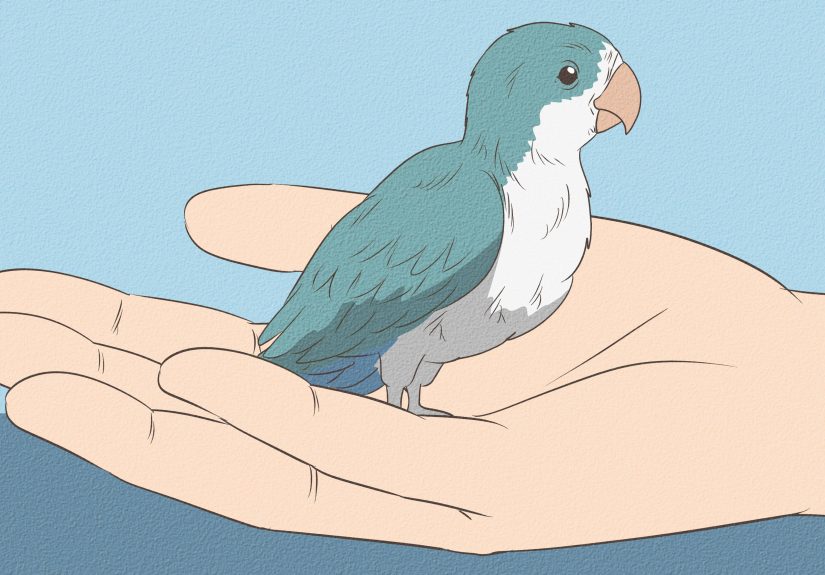
Quaker parrots (a.k.a. monk parakeets) are tiny green comedians with the confidence of a bald eagle and the hobby set
of a wood chipper. They can talk, bond intensely, learn tricks, and also redecorate your furniture into “modern art”
if you blink too long. The good news: with the right setup and routine, Quakers are joyful, social, and wildly
entertaining companion birds.
This guide breaks Quaker parrot care into 12 practical stepscovering cage setup, nutrition, enrichment, training,
safety, and healthso you can raise a bird who’s thriving, not just surviving. (And so your home stays mostly
recognizable.)
Step 1: Check legality and plan for the long haul
Before you buy toys, pick a name, and start practicing “Who’s a pretty bird?” in the mirror, confirm that owning a
Quaker parrot is legal where you live. Quakers have restrictions in some U.S. states because feral colonies have
caused agricultural concerns in certain regions. If it’s legal, awesomemove on to the real commitment question:
are you ready for a long-term relationship with a feathered roommate who has opinions?
What “long-term” really means
Many Quakers live well into their teens and can go much longer with excellent care. That’s not “a pet for a season,”
that’s “a pet who may still be judging your haircut in 2040.” Budget for quality food, toys (pluralmany), and
avian-vet care from day one.
Step 2: Set up the right cage (bigger than you think)
If your Quaker can fully extend their wings without touching anything, you’ve met the bare minimum. But “minimum”
isn’t the goalthriving is. Quakers climb, hop, chew, and explore. A spacious cage reduces boredom, supports
exercise, and makes behavior issues less likely.
Cage size and layout that actually works
- Go wider, not just taller: Quakers love lateral movementclimbing side-to-side and hopping between perches.
- Bar spacing matters: Choose spacing that prevents your bird’s head from fitting through the bars.
- Safe materials only: Avoid rust, peeling coatings, or questionable metals. If a bird can chew it, they might.
- Placement: Put the cage at eye level or higher in a family area (not the kitchen), away from drafts and direct blasts of heat/AC.
Inside the cage, think “open floor plan.” Too many toys jammed together can be stressfulleave space to move,
forage, and flap.
Step 3: Build a foot-friendly perch & toy “gym”
A Quaker parrot’s feet do a lot of workclimbing, holding food, acrobatics, and occasionally throwing a toy off a
perch to watch you pick it up (enrichment for them, cardio for you). The goal is variety: different perch
diameters, textures, and safe materials.
Perches: avoid the “perfectly round dowel trap”
- Use varied diameters: Natural branches and rope perches encourage healthy foot movement.
- Skip sandpaper covers: They can cause painful sores.
- Position smart: Don’t place perches so droppings land in food or water dishes.
Toys that prevent boredom (and mischief)
Quakers are curious and busy. Rotate toys weekly like a streaming service lineupsame bird, new “episodes.”
Prioritize chewable wood, shreddable paper, foraging toys, and puzzle feeders. Watch for hazards: loose strings,
unsafe plastics, or metal parts that could be ingested.
Step 4: Nail a balanced Quaker parrot diet
Diet is the single biggest lever you control for long-term health. Many pet birds will happily eat seeds forever,
the way a child would happily eat only candy. Your job is to be the kind, firm “nutrition manager” your bird did
not ask forbut needs.
What to feed (a practical blueprint)
- High-quality pellets as the base: Think of pellets as the “daily essentials” that help avoid nutrient gaps.
- Vegetables every day: Dark leafy greens, carrots, bell peppers, broccoli, squashchopped into bird-friendly bites.
- Fruit in smaller amounts: Great as training rewards or a side dishbecause sugar adds up.
- Seeds and nuts as treats: Especially useful for training, but don’t let them become the entire menu.
Example one-day menu (realistic and doable)
- Morning: Pellets + a veggie chop (kale + bell pepper + cooked sweet potato, cooled)
- Afternoon: Foraging toy stuffed with pellets + a tiny sprinkle of seeds
- Evening: Fresh veggies + a blueberry or two as a “dessert”
If you’re converting from a seed-heavy diet, go slow. Mix pellets in gradually, offer veggies consistently, and
monitor weight (a small digital gram scale is your friend). Sudden changes can stress birds or lead to refusal to
eatnever assume “they’ll eat when hungry.” Birds can get into trouble quickly when they stop eating.
Step 5: Create a daily routine your bird can trust
Quakers are smart, and smart animals like predictability. A steady routine reduces anxiety and prevents the “I will
now scream because I have no idea what’s happening” lifestyle.
Your simple daily checklist
- Fresh food and water: Replace daily; remove wet/cooked foods promptly.
- Spot-clean: Change cage liners and wipe obvious messes (Quakers are messy artists).
- Social time: Talk, train, or simply hang out near the cageyour attention is enrichment.
- Sleep schedule: Aim for 10–12 hours of quiet darkness nightly.
Bonus: a consistent “bedtime routine” (dim lights, calm voice, cover if appropriate, quiet room) can reduce
crankiness and hormonally-driven behavior in many parrots.
Step 6: Provide out-of-cage time (and supervision)
Even with a great cage, Quakers need time outside itdaily. Think of the cage as a safe home base, not a prison.
Out-of-cage time supports exercise, confidence, and bonding.
How much time is enough?
Many Quakers do best with several hours of supervised out-of-cage time each day. If your schedule is tight, aim for
at least one solid session daily plus shorter check-ins.
Supervision rules (because chaos is creative)
- Ceiling fans off.
- Windows and doors secured.
- No open water hazards: Toilets closed, sinks and tubs monitored.
- Kitchen is off-limits: Heat, fumes, and cookware are real risks.
If you allow flight, you must also manage the environment. If you don’t allow flight, you’ll need alternate
exercise: climbing gyms, foraging stations, and training games.
Step 7: Use positive training (no drama, all snacks)
Training isn’t just for party tricks. It builds communication, confidence, and cooperation for handling and vet
visits. The golden rule: reward what you want, don’t punish what you don’t.
Three core behaviors to teach first
- Step-up: A calm, reliable step onto your hand or a perch.
- Stationing: “Go to this perch” so you can manage movement without conflict.
- Targeting: Touch a target stickhelps guide your bird without grabbing.
Micro training sessions (the Quaker-approved format)
Do 3–5 minutes, 1–3 times daily. Use tiny treats (like a single sunflower seed) and end on a win. Quakers learn
fast, but they also get bored fastkeep it upbeat and varied.
Step 8: Prevent biting, screaming, and “hormone brain”
Quakers are affectionate, but they can also be territorial and intense. Most “problem behaviors” are really unmet
needs: boredom, fear, inconsistency, or accidental reinforcement (yes, including yelling “STOP!” which your bird
interprets as “Wow, instant audience!”).
Reduce bites with these strategies
- Read body language: Pinning eyes, stiff posture, and lunging are warnings, not surprises.
- Don’t force contact: Offer a perch or target instead of grabbing.
- Reward calm behavior: Quiet sitting, gentle beak, relaxed posturetreat it like it’s newsworthy.
Lower hormone triggers
- Pet only head/neck: Full-body petting can be interpreted as mating behavior in many parrots.
- Limit nesty spaces: Boxes, dark corners, under-couch “caves,” and shredded nesting piles can fuel territorial behavior.
- Prioritize sleep: Stable light/dark cycles often help.
Step 9: Handle bathing and grooming the right way
Clean feathers aren’t just cosmeticthey’re health. Regular bathing supports skin, sinuses, and feather condition.
Some Quakers love misting. Some prefer a shallow dish. Some insist on joining your shower like a tiny lifeguard.
Bathing options (pick your bird’s favorite)
- Mist spray: Fine mist above the bird (not blasting directly into the face).
- Shallow dish bath: Lukewarm water in a sturdy dish.
- Shower perch: Warm room, gentle indirect spray.
Many birds benefit from bathing at least once or twice weekly, assuming they’re not fearful. If your Quaker hates
baths, make it a training projectsmall steps, big rewards.
Grooming basics
Nails may need trimming if they snag or overgrow. Beak care is usually managed through chewing and proper diet, but
abnormal overgrowth needs a vet. Wing trimming is a personal and safety choicediscuss pros/cons with an avian
veterinarian rather than relying on internet opinions (including this sentence).
Step 10: Bird-proof your home like it’s a toddler with wings
Birds have efficient respiratory systems and can be extremely sensitive to airborne toxins. That means things that
feel “normal” to humans (like scented candles or nonstick cookware) can be genuinely dangerous to a parrot.
Big hazards to eliminate or control
- Nonstick/PTFE fumes: Overheated nonstick surfaces can release odorless fumes that are rapidly fatal to birds. Keep birds far from kitchens and consider removing PTFE products entirely.
- Smoke and aerosols: Cigarette smoke, incense, strong cleaners, hair spray, perfumeavoid in the bird’s airspace.
- Heavy metals: Birds may chew or ingest metals from blinds, jewelry, hardware, and unsafe toyslead and zinc are major concerns.
- Unsafe foods: Treat human snacks like suspicious strangers. Many common foods and drinks are inappropriate or toxic for birds.
- Toxic plants: If your Quaker can reach a plant, assume they’ll taste-test it. Check every plant before it enters the home.
Simple “bird-safe air” habits
- Ventilate well when cooking (and keep birds away from the kitchen).
- Avoid scented products and harsh chemicals near the cage.
- Use a HEPA filter if your home air quality is poorespecially helpful with dander/dust.
Step 11: Set up smart preventive health care
Birds are masters at hiding illness. In the wild, looking sick is basically an invitation to be lunch. So your job
is to notice subtle changes earlyand partner with an avian veterinarian before anything is urgent.
What preventive care looks like
- New bird exam ASAP: Schedule a baseline check soon after bringing your Quaker home.
- Routine wellness visits: Regular checkups help catch problems early.
- Quarantine newcomers: If you have other birds, keep new arrivals separate until your vet says it’s safe.
- Track weight: Weekly weigh-ins can reveal health issues before symptoms become obvious.
Common early warning signs
Watch for reduced appetite, lethargy, sitting fluffed up, changes in droppings, breathing changes, repeated
sneezing, regurgitation, or anything that feels “off.” If you’re unsure, call your avian vet. With birds, it’s
better to be “dramatic” early than regretful later.
Step 12: Have an emergency plan (before you need it)
Emergencies are not the time to Google “avian vet near me” with one hand while your Quaker auditions for a medical
drama with the other. Prepare now.
Your Quaker emergency kit
- A secure travel carrier (ready to grab)
- Contact info for your avian vet and the nearest emergency clinic
- A towel for gentle restraint (training helps!)
- Styptic powder (for minor nail bleedsuse carefully)
- Digital gram scale + a log of normal weights
When to go NOW
Labored breathing, repeated falls, blood, seizures, collapse, suspected toxin exposure (especially fumes), or a bird
that refuses foodthese are urgent. Move your bird to fresh air if fumes are suspected and contact a professional
immediately.
Owner Experience Notes: The Stuff Nobody Warns You About (But Your Quaker Will)
If you ask a group of Quaker parrot owners what surprised them most, you’ll hear a theme: these birds are small,
but their personalities are not. Many people expect “cute little parakeet energy” and instead get a bird with the
emotional intensity of a soap-opera lead and the problem-solving skills of a toddler who has discovered drawers.
The first “experience lesson” is that Quakers do best when they feel included. Owners often report that behavior
improves dramatically when the bird’s cage is placed in a social area (not isolated), and when the bird gets
predictable daily interactiontraining, talking, or just being near the family.
Another common experience: the “quiet bird” honeymoon can end if the routine gets inconsistent. Quakers can learn
patterns fastespecially patterns that benefit them. If screaming makes a human appear (even to scold), some birds
will treat that as a successful button push. Many owners end up creating a simple plan: reward quiet moments, teach
a replacement sound (like a whistle cue), and reduce triggers (boredom, hunger, overtiredness). The surprising part
is how well it works once everyone in the house is consistent. Quakers are basically tiny behavior experiments
with feathers.
Food is another “real life” journey. A lot of Quakers arrive eating mostly seed, and owners discover that diet
conversion is less like flipping a switch and more like convincing a picky friend that vegetables aren’t a
personal attack. People commonly succeed by offering veggies first when the bird is hungriest, chopping produce
finely, modeling eating (“Look! I’m eating it! Totally not suspicious!”), and using favorite seeds strictly as
training rewards. Many owners also find that a “chop” mix (greens + crunchy veg + a small amount of cooked grains
or legumes) helps because it encourages sampling instead of selective eating. The key experience: patience wins.
If you treat it like a months-long habit change, you’ll stress lessand your bird will eat better.
Then there’s chewing. Quakers chew because it’s normal, satisfying, and in their DNA. Owners often describe a
turning point when they stop seeing chewing as “bad behavior” and start treating it as a need to be redirected.
When the cage is stocked with safe shreddables (paper, palm leaf, soft wood) and foraging toys, Quakers tend to
chew what you give themmore often than the curtains, anyway. People also learn to rotate toys like a playlist:
same favorites, different order, and a new item occasionally to keep the bird engaged.
Finally, many owners talk about “hormone season” like it’s a weather pattern: predictable, occasionally dramatic,
and best managed with preparation. A few small changesmore sleep, fewer dark nesting spots, limiting full-body
petting, and leaning into trick trainingcan make an outsized difference. The shared experience is reassuring:
most Quaker challenges are fixable, especially when you meet the bird’s needs proactively. Do that, and you’ll earn
something pretty great: a bold, affectionate companion who greets you like you’re the best thing that happened all
day (even if you’re just returning from taking out the trash).







 Close
Close