
Table of Contents >> Show >> Hide
- First Things First: What to Do Before You Start Scrubbing
- How to Tell What Kind of Paint You’re Dealing With
- How to Get Wet Latex Paint Out of Carpet
- How to Get Dried Latex or Acrylic Paint Out of Carpet
- How to Get Oil-Based Paint Out of Carpet
- What Experts Say You Should Never Do
- What About Wool Carpet?
- When to Call a Professional Carpet Cleaner
- How to Prevent the Next Paint-on-Carpet Disaster
- The Real-World Experience: What Paint Spills on Carpet Actually Teach You
- Conclusion
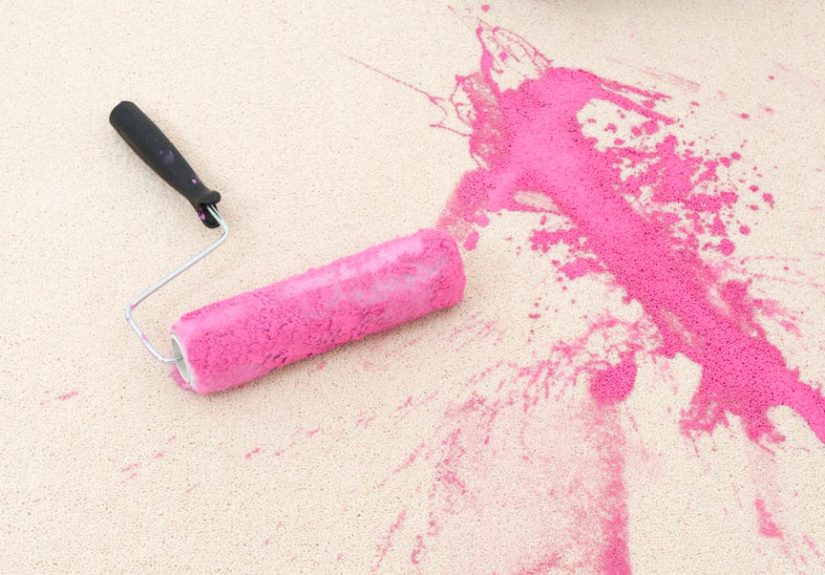
Paint belongs on walls, trim, and that one accent cabinet you were absolutely sure would “transform the space.” It does not belong on carpet. And yet, somehow, one tiny drip turns into a full-blown decorating crime scene in about three seconds.
The good news is that a paint spill does not automatically mean your carpet is doomed. Cleaning experts generally agree that the outcome depends on four things: how fast you act, whether the paint is water-based or oil-based, whether it is still wet or already dry, and how aggressively you try to “fix” it. That last one matters because panic-cleaning is often what pushes paint deeper into the fibers.
If you want to know how to get paint out of carpet without turning a small problem into a fuzzy, discolored memorial to your weekend project, the approach is pretty simple: remove what you can, use the mildest method that fits the paint type, keep moisture under control, and slow your roll with solvents. In other words, this is less about brute force and more about strategy.
First Things First: What to Do Before You Start Scrubbing
Before you reach for every cleaner under the sink like a contestant on a home-improvement game show, pause and do these basics first:
- Blot, do not rub. Rubbing spreads the paint and grinds it farther into the carpet pile.
- Scoop up excess paint. Use a spoon, dull knife, or plastic scraper to lift paint sitting on top of the fibers.
- Use white cloths only. Colored towels can transfer dye and create a brand-new problem nobody asked for.
- Work from the outside in. This helps keep the stain from expanding like it just signed a lease.
- Do not oversaturate the carpet. Too much water or solvent can soak the backing and padding underneath, which makes cleanup harder and drying slower.
- Test first. Any cleaner stronger than plain soapy water should be tested in a hidden area, especially on wool or older carpet.
If the spill is fresh and you cannot tackle it immediately, cover it loosely with an inverted bowl. That can slow drying and buy you a little time. Not forever, though. This is not a magical pause button. It is more like a brief intermission before the cleanup performance begins.
How to Tell What Kind of Paint You’re Dealing With
Knowing the paint type makes a big difference. In most homes, you will be dealing with one of these:
Latex or Acrylic Paint
This is the most common water-based paint used for walls, ceilings, and many DIY projects. It is generally easier to remove than oil-based paint, especially while wet. Warm water and a small amount of dish soap are often enough to get the job done.
Oil-Based Paint
This is the tougher customer. It tends to cling more stubbornly to fibers and usually requires a solvent-based approach. The goal here is precision, not flooding the area with paint thinner and hoping for the best.
If you still have the paint can, check the label. If not, think about where the paint came from. Wall and craft paint are often water-based. Trim and specialty enamel paints are more likely to be oil-based. When in doubt, start with the gentlest method first.
How to Get Wet Latex Paint Out of Carpet
If the paint is still wet, congratulations: you are dealing with the easiest version of this mess. Speed matters here, so move quickly but calmly.
Step 1: Lift Off the Excess
Use a spoon or dull knife to scoop up as much wet paint as possible. Do not press down. You are trying to remove paint sitting on the surface, not coach it deeper into the fibers.
Step 2: Blot the Spill
Use paper towels or a clean white cloth to blot repeatedly. Switch to a fresh section of cloth often. If you keep using a paint-loaded towel, you are basically repainting your carpet in tiny installments.
Step 3: Use a Mild Soap Solution
Mix warm water with a small amount of liquid dish soap. Dip a clean cloth into the solution, wring it out so it is damp rather than dripping, and blot the stain. Keep working from the outer edge toward the center.
Step 4: Rinse Lightly
Mist the area with plain warm water or blot with a fresh damp cloth to remove soap residue. Too much soap left behind can attract dirt later, which is a deeply unfair sequel to your original problem.
Step 5: Blot Dry
Press dry towels into the area until no more moisture transfers. Once the carpet is fully dry, vacuum the area to lift the pile back up.
For many fresh latex paint spills, this is enough. If a faint shadow remains, repeat the process instead of escalating immediately to something harsher.
How to Get Dried Latex or Acrylic Paint Out of Carpet
Dried paint is trickier, but not impossible. The job here is to break up the dried paint, soften what remains, and lift it without damaging the carpet fibers.
Step 1: Gently Break Up the Dried Paint
Use your fingers to separate the carpet tufts. Then use a dull knife, spoon, or plastic scraper to lift away any brittle flakes. Be gentle. The mission is “remove paint,” not “shear the carpet like a sheep.”
Step 2: Vacuum Loose Debris
Once flakes break free, vacuum them up. This keeps loose paint from spreading around while you work.
Step 3: Rehydrate the Stain
Place a cloth dampened with warm, soapy water over the dried paint for several minutes. This helps soften the residue so you can blot and loosen it more effectively.
Step 4: Blot and Loosen
Blot with the damp cloth, then gently work at the softened paint. A soft brush or cloth can help, but avoid aggressive scrubbing.
Step 5: Try Isopropyl Alcohol or a Carpet-Safe Spot Remover If Needed
If warm soapy water is not enough, a small amount of isopropyl alcohol on a white cloth may help loosen stubborn dried latex or acrylic paint. Always test first in a hidden area and use it sparingly. Blot, do not pour.
Some experts also suggest carefully softening dried paint with gentle heat or steam, but that only makes sense if you can control moisture and heat carefully. If you try this, keep a protective damp cloth between the heat source and the carpet fibers. Carpet should not be treated like a wrinkled shirt.
How to Get Oil-Based Paint Out of Carpet
Oil-based paint is the high-maintenance guest who refuses to leave. Water and dish soap alone usually will not do enough, so you may need a solvent such as paint thinner, mineral spirits, turpentine, or acetone-based remover, depending on the paint and your carpet.
This is where caution matters. Strong solvents can discolor carpet, weaken adhesives, or damage certain fibers if used carelessly.
Step 1: Remove Excess Paint
If the stain is wet, scoop away excess paint first, then blot with a dry white cloth. If it is dry, scrape away what you can before using any liquid.
Step 2: Apply Solvent to a Cloth, Not Directly to the Carpet
Dampen a white cloth with a small amount of solvent. Then blot the stain carefully, starting at the outer edge and moving inward. Avoid soaking the carpet. The cloth should be damp, not dripping like it just got back from a pool party.
Step 3: Keep Blotting With Clean Sections
As the paint transfers, rotate to a clean part of the cloth. Continue until no more paint lifts.
Step 4: Follow With a Dish Soap Solution
Once the paint starts releasing, blot the area with warm water mixed with a small amount of dish soap. This helps remove solvent residue and leftover paint.
Step 5: Rinse and Dry Thoroughly
Blot with clean water, then blot dry with towels. Allow the area to dry completely and vacuum afterward.
Important: If you are considering acetone or nail polish remover, test first in a hidden area. Some carpets, especially those made from acetate, triacetate, or modacrylic fibers, can be damaged by acetone. If you do not know the fiber type, proceed carefully or skip straight to a professional.
What Experts Say You Should Never Do
Sometimes the biggest mistake is not the spill. It is the cleanup method. Here are the most common ways people accidentally make paint stains worse:
- Scrubbing hard: This pushes paint deeper and frays the fibers.
- Using too much water: Saturated carpet padding can lead to lingering moisture and residue.
- Pouring solvent directly on the stain: That can spread the stain and damage the carpet backing.
- Skipping the test spot: Especially risky with solvents, older carpets, and wool.
- Using dish soap straight from the bottle: Thick soap is harder to rinse out and can leave a sticky residue behind.
- Mixing random chemicals: This is not a chemistry contest, and your carpet did not volunteer.
What About Wool Carpet?
Wool carpet needs a gentler touch. It can be more sensitive to harsh solvents and aggressive agitation. If the carpet is wool, start with mild soap and water only, use very little moisture, and stop if you notice fading, texture change, or dye transfer.
For valuable wool rugs or wall-to-wall wool carpet, professional help is often the smarter play. The cost of expert cleaning can be much lower than the cost of replacing a damaged section that once had the audacity to be cream-colored.
When to Call a Professional Carpet Cleaner
Sometimes DIY works. Sometimes it just gives you a cleaner-looking stain with stronger emotions attached to it. Call a pro if:
- The paint is oil-based and spread over a large area.
- The stain is old and fully set.
- Your carpet is wool, delicate, expensive, or installed over padding you may have saturated.
- You tried the safe steps and still see pigment left behind.
- The carpet is patchable and you have leftover carpet from installation.
Professional hot-water extraction can sometimes lift pigment that home cleaning leaves behind. And if the stain simply will not budge, a flooring pro may be able to cut out the damaged area and patch it with a matching piece from leftover carpet or a hidden closet section.
How to Prevent the Next Paint-on-Carpet Disaster
Because once is an accident, but twice starts to look like a hobby.
- Use heavy canvas drop cloths instead of thin plastic sheeting that slides around.
- Tape down the edges of your protective covering.
- Keep a stack of white rags or paper towels nearby before you open the paint can.
- Do not overload your roller or brush.
- Move paint trays away from walk paths.
- Keep kids, pets, and one particularly curious sock out of the room.
The Real-World Experience: What Paint Spills on Carpet Actually Teach You
If there is one thing repeated cleanup stories have in common, it is this: the people who save their carpet are usually not the people with the fanciest products. They are the people who act fast, stay patient, and avoid the urge to attack the stain like it insulted their family.
A very common real-life scenario goes like this: someone is painting a bedroom, they feel organized, the drop cloth is down, the playlist is excellent, and then a small line of paint sneaks off the tray and lands on the carpet near the baseboard. The first reaction is usually disbelief. The second is panic. The third is often rubbing, which is unfortunately the exact wrong move. When homeowners stop, blot, and scoop instead, they usually get much better results.
Another classic experience is underestimating how much dried paint can still come out. Many people assume that once paint hardens, the carpet is finished. In practice, dried paint often looks worse before it looks better. You scrape off the crusty top layer, soften the residue, blot again, and slowly realize the stain is shrinking. It is not glamorous work. It is repetitive and mildly annoying. But patience tends to outperform panic every time.
There is also a lesson in using too much product. People often believe that if a little cleaner works, a lot will work faster. That is how you end up with a carpet that is wet down to the padding, smells like solvent, and still has a faint paint shadow. Experienced cleaners tend to use smaller amounts, more clean cloths, and more repetitions. It is a surprisingly boring strategy, which is exactly why it works.
Then there is the white-cloth lesson. Plenty of people grab the nearest old towel, only to discover that the towel color transfers onto the damp carpet. Suddenly the paint stain has become a mystery-art project involving blue terry cloth dye. Experts recommend white cloths for a reason, and real-world cleanup stories back that up every single time.
Perhaps the most useful experience-based takeaway is knowing when to stop. If you are working on a wool carpet, using stronger solvents, or seeing no improvement after careful attempts, the smartest move may be calling a pro. Experienced homeowners and cleaners both know that there is a point where “one more try” becomes “one more mistake.” Professional extraction or patching is sometimes the most cost-effective fix, especially when the carpet is otherwise in good shape.
In the end, paint on carpet is one of those problems that feels catastrophic in the moment and surprisingly manageable once you follow the right steps. It rewards quick thinking, gentle technique, and realistic expectations. No, the cleanup is not fun. Yes, it can absolutely save your carpet. And if nothing else, it gives you a very strong opinion about always keeping paper towels within arm’s reach during any painting project ever again.
Conclusion
If you have been wondering how to get paint out of carpet, the expert-approved answer is reassuringly practical. Start by identifying the paint, lifting away the excess, and blotting instead of rubbing. Fresh latex spills usually respond well to warm water and diluted dish soap. Dried paint can often be loosened with patience, gentle scraping, and targeted spot treatment. Oil-based paint is the toughest case, and it calls for a more careful solvent-based approach with plenty of testing and restraint.
The biggest takeaway is that carpet cleanup is usually a game of method, not muscle. Use the mildest effective solution, keep moisture under control, and know when it is smarter to bring in a professional. Your carpet may have had a rough day, but it still has a fighting chance.







 Close
Close