
Table of Contents >> Show >> Hide
- Why Living Without a Cell Phone Feels So Hard
- How to Survive Without a Cell Phone: Useful Tips That Actually Work
- 1. Create an old-school communication plan
- 2. Carry a paper backup kit
- 3. Wear a watch and use a real alarm clock
- 4. Plan your routes before leaving home
- 5. Set meeting places and times like a sensible 1990s movie character
- 6. Move your digital life to designated places
- 7. Build a money system that does not depend on apps
- 8. Prepare for emergencies before they happen
- 9. Replace idle scrolling with something physical
- 10. Tell yourself the truth about what is actually urgent
- Benefits of Living Without a Cell Phone
- When Going Completely Without a Cell Phone May Not Be Ideal
- A Practical First-Week Plan for Going Phone-Free
- Conclusion
- Experiences of Going Phone-Free: What It Really Feels Like
Living without a cell phone sounds dramatic in the same way that saying, “I’m going camping without coffee,” sounds dramatic. Technically possible? Yes. Emotionally suspicious? Also yes. In a world where phones act as alarm clocks, maps, cameras, wallets, calendars, social lifelines, and tiny glowing anxiety machines, going without one can feel less like a lifestyle choice and more like a dare.
But here’s the surprising part: you can absolutely survive without a cell phone, and in some cases, you may even like yourself better while doing it. The trick is not pretending you live in a log cabin with a butter churn and a heroic sense of direction. The trick is building smart offline systems that replace the conveniences your phone used to handle automatically.
If you want to learn how to survive without a cell phone, this guide breaks down the practical side, the mental side, and the real-life benefits of unplugging. Whether you are ditching your phone for a digital detox, cutting costs, reclaiming focus, or just proving to yourself that you are still a functional adult without a glowing rectangle in your pocket, these tips can help you make the transition without wandering into the nearest cornfield.
Why Living Without a Cell Phone Feels So Hard
Before getting into the useful tips, it helps to understand why living without a cell phone feels so unnatural. It is not because you are weak. It is because phones now do the work that several separate tools used to do. One device covers your calendar, reminders, directions, music, communication, entertainment, shopping, banking, and random late-night searches like “can raccoons open doors?”
When you remove a cell phone, you are not removing one item. You are removing an entire system. That is why the first few days without a phone can feel chaotic. You do not just miss texting. You miss instant access, instant reassurance, and instant convenience.
The good news is that most of those functions can be replaced. Not always as fast. Not always as elegantly. But replaced? Absolutely.
How to Survive Without a Cell Phone: Useful Tips That Actually Work
1. Create an old-school communication plan
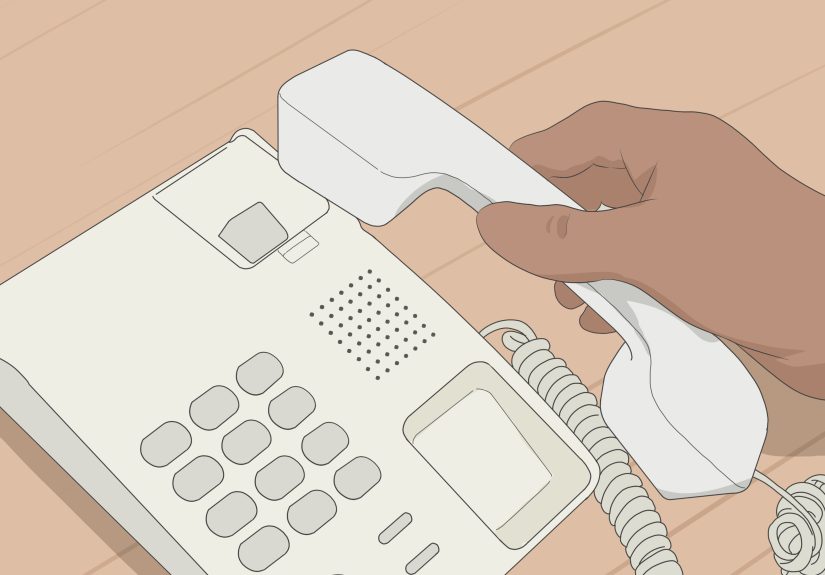
If you do not have a cell phone, communication needs to become more intentional. Tell the important people in your life how they can reach you and when. Give them your home number, work number, email address, or another reliable contact method. Set expectations clearly. For example, let friends know that you check email at 8 a.m. and 6 p.m., or tell family that the fastest way to reach you is through your workplace landline during business hours.
This one step prevents a huge amount of confusion. Without it, people assume you are ignoring them. With it, they simply know the rules. Think of it as setting office hours for your social existence.
2. Carry a paper backup kit
Your phone used to store everything. Now you need a small analog survival pack. Keep a few essentials in your bag or wallet: a printed list of emergency contacts, key addresses, directions to frequent destinations, your work schedule, medical information that matters, and a little cash. Add a pen and a small notebook, and suddenly you look like the most organized person in the room instead of the most disconnected.
This kit is especially helpful for errands, commuting, and travel. If you are used to relying on your phone for every tiny detail, paper will feel weird at first. Then it will feel weirdly powerful.
3. Wear a watch and use a real alarm clock
One of the sneakiest ways phones stay in control is by making themselves “necessary.” People often say they need a phone mostly for the clock, alarm, and reminders. That problem disappears quickly when you buy a simple wristwatch and a basic alarm clock.
A real alarm clock has one major advantage: it does not tempt you to check email, scroll headlines, or fall into a 45-minute video rabbit hole because you “just wanted to set your alarm.” A phone-free morning usually feels calmer because your day starts with time, not noise.
4. Plan your routes before leaving home
If you want to survive without a cell phone, planning ahead becomes your superpower. Look up directions before you leave. Print them. Write them down. Study the route for one minute instead of trusting your former digital chauffeur. If you use public transit, check schedules in advance and keep important route numbers on paper.
This does not mean becoming a human GPS wizard overnight. It means respecting the trip enough to prepare for it. The small act of planning a route ahead of time can save you from that classic phone-free moment when every street suddenly looks like it was designed by a prankster.
5. Set meeting places and times like a sensible 1990s movie character
Without a phone, vague plans become dangerous. “Text me when you get there” no longer exists. Instead, make precise plans. Choose an exact location, an exact time, and a backup plan. If you are meeting friends at a restaurant, agree in advance: “Let’s meet at the front entrance at 6:30. If one of us is late, wait 15 minutes, then go inside and ask for the reservation.”
This sounds ridiculously formal until it saves you from wandering in circles while everyone else assumes you vanished into another dimension.
6. Move your digital life to designated places
Going without a cell phone does not have to mean going without the internet entirely. Many people do just fine by shifting their online tasks to a laptop, desktop, or public computer. Pay bills at home. Answer emails at set times. Use online maps before you leave. Print tickets instead of storing them on a screen. In other words, turn digital activity into something you do on purpose, not something you do every seven minutes while standing in line for coffee.
This single change often reduces mindless scrolling because the internet stops living in your pocket. Convenience drops a little, but focus rises a lot.
7. Build a money system that does not depend on apps
Cash, a debit card, a credit card, and a transit card can still carry a shocking amount of modern life. If you normally use your phone to pay for everything, switch to physical payment methods and keep them organized. You may also want printed account numbers stored safely at home, not in your bag, in case you need to handle a banking issue from a landline or computer.
The side benefit is that physical spending often feels more real. It is harder to accidentally treat lunch, snacks, and a “small” impulse buy like abstract numbers when actual money changes hands.
8. Prepare for emergencies before they happen
This is the part that matters most. Living without a cell phone is easier when you already know what to do in a tough situation. Keep emergency contacts written down, memorize at least two essential phone numbers, and know where you can access a phone if needed. At home, post important numbers somewhere visible. When traveling, let someone know your route and expected arrival time.
You should also know the basics: if there is an emergency, a voice call to 911 is generally preferred when possible, and planning ahead with printed contact information is smart, not paranoid. Preparedness is what turns “I don’t have a phone” from risky to manageable.
9. Replace idle scrolling with something physical
The hardest moments without a cell phone are often the tiny in-between moments: waiting in line, sitting on a bus, arriving early, taking a break, pretending to be busy at a family gathering. Phones have become universal boredom shields. Without one, you need replacements.
Carry a paperback, a crossword book, a journal, or even a folded newspaper if you want to look delightfully stubborn. Some people sketch. Some people think. Some people stare out a window and rediscover that clouds have been doing excellent work this whole time. Boredom is not always a problem. Sometimes it is the doorway to clearer thinking.
10. Tell yourself the truth about what is actually urgent
One of the biggest mental shifts in living without a cell phone is realizing how little of modern communication is truly urgent. Much of it feels urgent because it arrives fast, not because it matters deeply. When you stop checking notifications every few minutes, you may discover that many messages can wait an hour, an afternoon, or even a day without the universe collapsing.
This does not mean becoming unreliable. It means becoming deliberate. There is a difference.
Benefits of Living Without a Cell Phone
Better focus
This is one of the clearest benefits of not having a cell phone. Without buzzing alerts, endless headlines, random app badges, and the temptation to “just check one thing,” your brain gets longer stretches of uninterrupted attention. Work often feels less fractured. Reading becomes easier. Conversations feel more complete. You stop living in five-second fragments.
Improved sleep
Phones are terrible bedtime roommates. They glow, ping, tempt, and somehow convince you that midnight is the perfect time to watch videos about organizing your sock drawer. Removing the phone from your evenings can make it easier to wind down, stick to a bedtime, and wake up without starting the day in a digital sprint.
Less stress and less media overload
Without constant alerts, doomscrolling becomes much harder. You are less likely to absorb a nonstop feed of bad news, social comparison, arguments, and algorithmic chaos before breakfast. Many people feel calmer simply because fewer things are demanding their attention all day long.
Stronger face-to-face interactions
When there is no phone on the table, people tend to be more present. Meals last longer. Small talk gets better. Eye contact makes a triumphant return. Even ordinary moments feel more real when nobody is half-listening while also checking sports scores, memes, and weather alerts for a city they do not live in.
More control over your time
Phones are excellent at making small chunks of time disappear. Five minutes becomes 25. One quick check becomes a grand tour of inboxes, apps, and bad opinions. Without a cell phone, you often become more aware of how you spend your day. That awareness alone can be life-changing.
More privacy and fewer digital crumbs
Living without a cell phone reduces how much of your life is constantly tracked, stored, or monetized. That may not be the main reason people unplug, but it is a meaningful benefit. Fewer apps and fewer notifications usually mean fewer companies peeking over your shoulder while you try to buy toothpaste.
Potential cost savings
No monthly cell plan, fewer impulse purchases through apps, and less temptation to upgrade devices can save money over time. Going phone-free is not automatically a financial miracle, but it can reduce both bills and digital convenience spending.
When Going Completely Without a Cell Phone May Not Be Ideal
Living without a cell phone is not the right choice for everyone. Some jobs require constant availability. Some people have caregiving responsibilities, medical needs, safety concerns, or travel demands that make a phone genuinely important. If that is your situation, a less extreme version may be smarter: keep a basic phone for emergencies, remove distracting apps, or create phone-free windows each day.
The goal is not to win a purity contest. The goal is to use technology in a way that serves your life instead of swallowing it whole.
A Practical First-Week Plan for Going Phone-Free
If you want to test this lifestyle, do not start by tossing your phone into a dramatic lake scene. Start smaller. Spend a week practicing the habits that make life without a cell phone possible.
- Day 1: Write down important phone numbers, addresses, and appointments.
- Day 2: Buy or set up a watch, alarm clock, and notebook.
- Day 3: Tell key people how to reach you without texting.
- Day 4: Plan one outing using printed directions only.
- Day 5: Leave the house for several hours without your phone.
- Day 6: Spend an evening screen-free and notice how your sleep feels.
- Day 7: Decide whether you want a full break, a partial break, or a long-term low-phone lifestyle.
This approach lets you build confidence before you go all in. It is much easier to survive without a cell phone when you have practiced being the kind of person who can.
Conclusion
Learning how to survive without a cell phone is really about relearning how to rely on memory, planning, paper, routine, and real-world presence. Yes, it requires more preparation. Yes, it can be inconvenient. Yes, you may occasionally miss being able to look up whether a store closes at 8 p.m. or 9 p.m. while standing directly outside it like a confused raccoon.
But living without a cell phone can also make life feel lighter. You may sleep better, focus more deeply, talk to people more fully, and stop treating every buzz, headline, and update like a tiny national emergency. In the end, going phone-free is not about rejecting modern life. It is about choosing which parts of modern life deserve a permanent seat at your table.
Experiences of Going Phone-Free: What It Really Feels Like
The first experience many people have without a cell phone is not freedom. It is phantom panic. You leave the house, pat your pocket, and suddenly feel as though you forgot your passport, your wallet, and your basic personality all at once. For the first day or two, ordinary moments can feel oddly loud. Waiting in line feels longer. Riding the bus feels stranger. You notice just how often your hand reaches for a device that is no longer there. It can be humbling, and a little ridiculous, to discover how much muscle memory your phone trained into your day.
Then something interesting happens. The panic starts turning into awareness. You begin noticing your surroundings more. You know the coffee shop playlist. You recognize the same crossing guard every morning. You actually look at buildings instead of floating past them while staring at a screen. Conversations shift, too. When you cannot glance down every 20 seconds, people feel your attention more clearly. Some react with surprise, as if you have given them a premium feature they forgot existed.
Another common experience is that time changes shape. Without a phone, tiny dead zones of the day stop getting automatically filled with content. At first, that emptiness feels uncomfortable. Then it starts feeling spacious. You think longer thoughts. You daydream. You remember things you meant to do. You may even solve problems because your brain finally has a minute to stretch instead of being force-fed updates and notifications like a goose being prepared for fancy pâté.
There can also be practical frustrations, of course. You may miss a last-minute change of plans. You may get lost once. You may discover that modern businesses are wildly optimistic about everyone having a phone available for verification codes. These moments are annoying, but they also teach you where your real dependencies are. Once you know them, you can work around them with planning, printed information, better routines, or a computer-based backup system.
Emotionally, many people report feeling calmer after the adjustment period. Not ecstatic every second. Not transformed into a forest monk. Just calmer. Less tugged. Less interrupted. News no longer barges in every few minutes demanding an emotional reaction. Social media no longer turns every quiet moment into a comparison contest. The world gets a little less noisy, and your own thoughts get easier to hear.
Perhaps the most meaningful experience of all is realizing that your competence returns quickly. You remember routes. You memorize numbers. You make firmer plans. You become a little more resourceful and a little less dependent on instant digital rescue. That does not mean phones are evil or that everyone should give theirs up forever. It simply means you are more capable without one than the modern world likes to suggest. And honestly, that is a pretty satisfying thing to learn.






 Close
Close