
Table of Contents >> Show >> Hide
- Why Do Windshield Wiper Blades Squeak?
- Step 1: Clean the Windshield Thoroughly
- Step 2: Clean the Wiper Blades
- Step 3: Check Your Washer Fluid
- Step 4: Never Run Wipers on a Dry Windshield
- Step 5: Inspect the Rubber Blade Edge
- Step 6: Check the Wiper Arm Angle and Pressure
- Step 7: Choose the Right Replacement Blades
- Step 8: Install Wiper Blades Correctly
- What Not to Do When Wipers Squeak
- Quick Troubleshooting Guide
- Maintenance Tips to Keep Wipers Quiet Longer
- Real-World Experiences: What Actually Works When Wipers Start Squeaking
- Conclusion
Few sounds can turn a peaceful drive into a tiny rolling haunted house faster than squeaky windshield wiper blades. One second you are calmly driving through a drizzle; the next, your windshield is performing a rubber-on-glass violin solo. Squeak. Swipe. Squeak. Swipe. Suddenly, the rain is not the problem. The soundtrack is.
The good news is that noisy windshield wipers are usually easy to fix. In many cases, you do not need a mechanic, a new windshield, or a dramatic speech about selling the car. You need clean glass, clean blades, proper washer fluid, and a little inspection. Sometimes the blades are simply worn out and ready for retirement. Other times, they are just dirty, dry, misaligned, or being dragged across a windshield coated in road grime, tree sap, wax, or old bug confetti.
This guide explains how to stop windshield wiper blades from squeaking, why the noise happens, when cleaning is enough, and when replacement is the smartest move. Think of it as couples counseling for your wipers and windshield. They need to work together, not scream at each other in public.
Why Do Windshield Wiper Blades Squeak?
Windshield wiper squeaking usually comes from friction. A healthy wiper blade should glide smoothly across wet glass. When that smooth motion turns into dragging, skipping, bouncing, or squealing, something is interfering with the blade’s contact with the windshield.
Common Causes of Squeaky Windshield Wipers
The most common causes include dirt on the windshield, grime on the rubber blade, hardened rubber, dry glass, low washer fluid, worn-out blades, incorrect blade installation, or a wiper arm that is pressing at the wrong angle. In plain English: either the rubber is not sliding properly, the glass is not clean enough, or the blade is no longer shaped the way it needs to be.
Road film is a major troublemaker. Even when a windshield looks clean, it can be coated with a thin layer of oil, exhaust residue, pollen, dust, wax, salt, or leftover car-wash chemicals. Your eyes may not notice it, but your wipers definitely will. They hit that sticky layer, grab the glass, and complain loudly.
Old rubber is another common issue. Wiper blades live a hard life. They bake under the sun, freeze in winter, scrape over grit, battle bugs, and spend months bent against curved glass. Over time, the rubber edge becomes stiff, cracked, rounded, or uneven. Once that edge loses flexibility, it cannot flip smoothly from one direction to the other. That is when squeaking, streaking, and chattering begin.
Step 1: Clean the Windshield Thoroughly
If your wipers are squeaking, start with the windshield. This is the cheapest fix and often the most effective one. A dirty windshield makes even expensive wiper blades act like bargain-bin drama queens.
Park the car in a safe place, lift the wipers away from the glass, and wash the windshield with a quality automotive glass cleaner. Use a clean microfiber towel rather than an old shop rag that has been living a mysterious second life under the seat. Wipe the glass in overlapping motions, then buff it dry with a fresh towel.
For stubborn residue, clean the windshield twice. The first pass removes obvious dirt. The second pass attacks the invisible film that causes the squeak. Pay special attention to the lower part of the windshield where the wipers rest. That area collects dust, leaves, pollen, and washer-fluid residue like it is building a tiny compost pile.
Remove Bugs, Sap, and Road Film
If bug splatter, tree sap, or road tar is stuck to the glass, use a cleaner designed for automotive glass and residue removal. Do not scrape aggressively with metal tools. Windshield glass is tough, but it is not a cutting board. Gentle pressure, the right cleaner, and patience are better than creating scratches that will catch light at night.
After cleaning, spray washer fluid and run the wipers briefly. If the squeak disappears, congratulations. Your wipers were not broken; they were just dragging across a windshield wearing a dirty little sweater.
Step 2: Clean the Wiper Blades
Once the windshield is clean, clean the blades themselves. Wiper rubber collects the same grime as the glass, but in a concentrated strip. That black line you see on a cleaning towel is not magic. It is dirt, oxidized rubber, road film, and general automotive sadness.
Lift each wiper arm carefully away from the windshield. Hold the arm so it does not snap back onto the glass. Then wipe the rubber edge with warm, soapy water and a soft cloth. Run the cloth along the full length of the blade several times. Keep wiping until the cloth stops picking up dark residue.
After the soapy-water cleaning, wipe the rubber edge lightly with a cloth dampened with rubbing alcohol. This can help remove leftover grease and film. Do not soak the rubber or scrub like you are trying to erase a bad memory. A gentle pass is enough.
Do Not Use Harsh Household Products
Avoid bleach, petroleum-based solvents, heavy degreasers, or random garage chemicals with labels that look like they were designed by a warning committee. Harsh products can dry out or damage the rubber. You want the blade clean and flexible, not chemically traumatized.
When you lower the blades back onto the windshield, spray washer fluid and test them. If they move quietly and clear the glass evenly, you have solved the problem without spending money. That is the kind of car repair everyone likes: effective, cheap, and not involving a mysterious dashboard light.
Step 3: Check Your Washer Fluid
Windshield washer fluid does more than make blue puddles in parking lots when someone overfills the reservoir. It helps clean the glass and provides lubrication so the wiper blades can glide smoothly. If your fluid is low, weak, frozen, clogged, or mostly plain water, the blades may drag across the windshield and squeak.
Open the hood and check the washer fluid reservoir. Top it off with the correct washer fluid for your climate. In cold regions, use winter-rated fluid that resists freezing. In bug-heavy areas, a washer fluid formulated to remove insects can make a noticeable difference.
Do not rely on plain water for regular use. Water does not clean oily road film well, and it can freeze in cold weather. Frozen washer fluid is not just inconvenient; it can leave you with poor visibility exactly when you need your windshield clear.
Make Sure the Spray Nozzles Work
If the reservoir is full but very little fluid reaches the windshield, check the spray nozzles. They may be clogged or aimed incorrectly. A weak spray pattern leaves the glass too dry, which makes squeaking more likely. The wipers should not be forced to cross dry glass like they are sanding a tabletop.
Step 4: Never Run Wipers on a Dry Windshield
Running wipers on dry glass is one of the fastest ways to create noise and wear. Dry wiping increases friction, drags grit across the glass, and can damage the fine edge of the rubber blade. It is tempting to flick the wipers once to clear dust, pollen, or a single dramatic raindrop, but resist the urge unless you use washer fluid first.
If the windshield is dusty, spray it before wiping. If frost or ice is present, defrost and scrape the windshield before turning on the wipers. Wiper blades are not ice chisels. Asking them to scrape frozen glass is like asking a toothbrush to shovel a driveway.
During winter, make sure the blades are not frozen to the windshield before starting them. If they are stuck, turning on the wipers can tear the rubber or strain the wiper motor. Use the defroster, carefully free the blades, and clear the glass first.
Step 5: Inspect the Rubber Blade Edge
If cleaning does not stop the squeak, inspect the rubber. Look for cracks, splits, missing chunks, rounded edges, stiffness, or areas where the rubber is pulling away from the frame. Also check whether the blade makes full contact with the windshield from end to end.
A good wiper blade has a flexible, sharp rubber edge that flips direction smoothly with each pass. A worn blade may look uneven, feel stiff, or leave streaks even after the windshield is clean. If you see damage, replacement is the correct fix. Cleaning cannot restore rubber that has cracked, hardened, or lost its shape.
Signs You Need New Wiper Blades
Replace your windshield wiper blades if they squeak on wet glass after cleaning, leave streaks, skip across the windshield, smear water into a cloudy film, miss large sections of glass, or show visible rubber damage. Most drivers should expect to replace wiper blades every six to twelve months, depending on climate, parking conditions, blade quality, and use.
Hot sun, freezing temperatures, road salt, dust, and heavy use can shorten wiper life. A car parked outside in Arizona or Minnesota is going to put more stress on wiper rubber than a garage-kept vehicle in a mild climate. Your blades do not care what the calendar says; they care how hard their life has been.
Step 6: Check the Wiper Arm Angle and Pressure
If your wiper blades are new, the windshield is clean, and the squeak still refuses to leave, the problem may be the wiper arm. The blade should sit at the correct angle so the rubber edge can flip smoothly as it changes direction. If the arm is twisted or pressing unevenly, the blade may drag, chatter, or squeal.
Look at the blade as it moves. If it skips, bounces, or appears to scrape in one direction more than the other, alignment may be off. Sometimes this happens after a windshield replacement, an automatic car wash, ice buildup, or someone lifting the wiper arm carelessly.
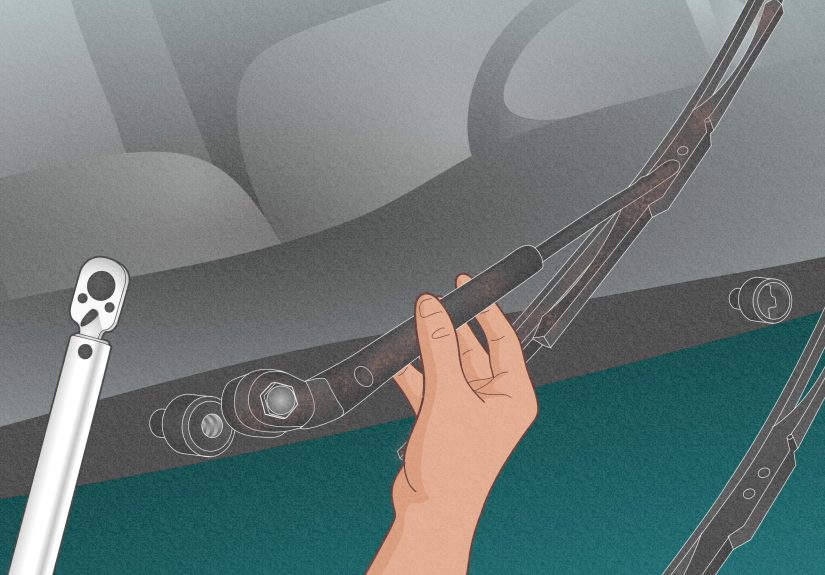
Minor alignment issues can sometimes be corrected, but be careful. Wiper arms are spring-loaded and connected to the wiper system. Bending or twisting too aggressively can make the problem worse. If you are unsure, ask a mechanic or auto parts professional to inspect it. This is especially wise if both wipers behave strangely or the arm appears loose.
Do Not Ignore Loose Hardware
A loose wiper arm can cause noise, poor wiping, and uneven pressure. Check that the blade is securely attached to the arm and that the arm itself is not wobbling. If the blade was installed incorrectly, it may sit too high, too low, or backward. Yes, backward wipers happen. Cars are machines, but humans install the parts.
Step 7: Choose the Right Replacement Blades
If replacement is needed, choose blades that fit your vehicle. Wiper blades come in different lengths, connector styles, and designs. Using the wrong size can cause poor contact, missed areas, noise, or even damage to the windshield trim.
You can find the correct size in your owner’s manual, through an auto parts store lookup tool, or by checking the existing blades if you know they were correct. Many vehicles use different sizes on the driver and passenger sides, so do not assume both blades match. The rear wiper, if your vehicle has one, may use a completely different size.
Conventional, Beam, and Hybrid Blades
Conventional blades use a metal frame with pressure points. Beam blades have a curved, frameless design that often performs better in snow and heavy rain. Hybrid blades combine frame support with an aerodynamic cover. Silicone blades can last longer in some conditions and may leave a water-repelling effect, while traditional rubber blades are widely available and affordable.
The best choice depends on your climate, budget, and vehicle. If you drive through heavy rain, snow, or highway spray, premium blades may be worth it. If your car mostly runs short errands in mild weather, a good mid-range blade may be perfectly fine. The goal is not to buy the most expensive wiper in the store; it is to buy one that fits correctly and wipes quietly.
Step 8: Install Wiper Blades Correctly
Incorrect installation can create squeaking even with brand-new blades. Follow the instructions for your blade type. Most modern blades use a hook, pin, bayonet, or special adapter system. Make sure the connector clicks securely into place before lowering the arm.
Place a towel on the windshield while changing blades. If the spring-loaded arm snaps down without a blade attached, it can crack or chip the glass. This is one of those mistakes that turns a ten-minute wiper job into a windshield replacement appointment and a long stare into the distance.
After installation, spray washer fluid and test the blades. They should glide smoothly, clear water evenly, and make little to no noise. If a new blade squeaks immediately, recheck the installation, clean the glass, and confirm that no protective plastic cover remains on the rubber edge.
What Not to Do When Wipers Squeak
Some internet tricks are helpful. Others are just chaos wearing a helpful hat. Do not coat your windshield with oily products that are not designed for auto glass. Do not use cooking oil, petroleum jelly, or random lubricants on the rubber. They may temporarily quiet the squeak but can smear the windshield, reduce visibility, attract dirt, and damage rubber.
Be careful with water-repellent glass treatments. When applied correctly to clean glass, they can help water bead and improve visibility. When applied unevenly or layered over old residue, they may contribute to chatter or streaking. If you use a rain repellent, follow the directions carefully and clean the glass first.
Do not ignore wiper noise if it comes with poor visibility. Squeaking may be annoying, but streaking and smearing are safety problems. At night, a dirty or streaked windshield can scatter headlights and make it harder to see lane markings, pedestrians, and road hazards.
Quick Troubleshooting Guide
If the Wipers Squeak Only When the Glass Is Dry
Use washer fluid before wiping. Avoid dry wiping. Clean the windshield and blades to remove dust and grit.
If the Wipers Squeak in Light Rain
Light rain may not provide enough lubrication. Use washer fluid briefly, clean the glass, and inspect the blades for hardened rubber.
If the Wipers Squeak After a Car Wash
Car-wash wax or residue may be on the windshield. Clean the glass thoroughly with automotive glass cleaner and wipe the blades.
If Brand-New Wipers Squeak
Check installation, remove any protective cover, clean the windshield, and inspect the wiper arm angle. New blades can still squeak if the glass is contaminated or the arm is misaligned.
If the Wipers Chatter or Bounce
Look for hardened rubber, uneven pressure, incorrect blade size, or an arm angle problem. Chattering often means the blade is not flipping smoothly as it changes direction.
Maintenance Tips to Keep Wipers Quiet Longer
Clean your windshield regularly, not just when it looks dirty. Wipe the blades every time you wash the car. Keep washer fluid filled. Replace blades before they fail completely. Park in the shade or garage when possible to reduce sun damage. In winter, clear ice and snow before using the wipers.
Make wiper inspection part of your normal routine. When you fill the gas tank, take a moment to clean the windshield and glance at the blades. It takes less time than choosing a gas-station snack, and it is probably better for your long-term well-being than the mystery hot dog.
If you notice squeaking, streaking, or skipping, do not wait for the next storm to deal with it. Wiper problems always become more dramatic in bad weather. Fixing them on a sunny afternoon is much nicer than discovering the problem during a midnight downpour while a semi-truck sprays your windshield like a pressure washer.
Real-World Experiences: What Actually Works When Wipers Start Squeaking
In everyday driving, squeaky windshield wipers tend to show up at the worst possible moment. Many drivers first notice the problem during light rain, when there is just enough moisture to activate the wipers but not enough water to lubricate the glass. The blades drag, squeal, and make the car feel older than it is. One practical lesson from this situation is simple: before blaming the blades, add washer fluid and clean the windshield. Light rain mixes with dust and road film, creating a thin sticky layer that makes rubber complain loudly.
A common experience after replacing wipers is surprise squeaking. People install new blades expecting silence, then hear the same noise five minutes later. In many cases, the new blades are not the problem. The windshield is. A fresh rubber edge can grab old wax, tree sap, glass-treatment residue, or car-wash chemicals more aggressively than worn blades did. Cleaning the windshield twice, especially along the lower resting area, often makes the new blades behave properly. It feels silly, but sometimes the “bad new wipers” are innocent.
Another real-world pattern happens in hot climates. Cars parked in direct sun all day can develop hardened blade edges faster. The rubber sits against hot glass, bakes under UV light, and slowly loses flexibility. Drivers may clean the blades and get temporary improvement, but the squeak returns after a few days. That usually means the rubber is past its prime. Replacing the blades is not wasteful in that situation; it is basic visibility maintenance.
Winter creates a different kind of wiper drama. If blades freeze to the windshield and the driver turns them on too soon, the rubber can tear or deform. After that, the blades may squeak, slap, or leave curved streaks. The better habit is to defrost first, scrape carefully, and free the blades by hand before using them. It takes an extra minute, but it saves the rubber and protects the wiper motor from unnecessary strain.
Some drivers also discover that squeaking is linked to speed. Around town, the wipers may be quiet. On the highway, they chatter like they are trying to send Morse code. This can happen when the blade design does not handle wind lift well, when the arm pressure is uneven, or when the windshield has stubborn residue. Beam-style or hybrid blades may perform better for some vehicles because they maintain more even pressure across curved glass.
The best long-term experience is preventive: keep the windshield genuinely clean, avoid dry wiping, use proper washer fluid, and replace blades before they become noisy little windshield gremlins. When wipers are maintained, they fade into the background, which is exactly what you want. The only thing you should hear in the rain is the soft rhythm of clean blades doing their jobnot a rubber squeak auditioning for a horror movie soundtrack.
Conclusion
Stopping windshield wiper blades from squeaking usually starts with cleaning. Wash the windshield, clean the rubber blades, refill the washer fluid, and avoid running the wipers on dry glass. If the noise continues, inspect the rubber for cracks, stiffness, or uneven wear. Check the blade installation and wiper arm angle if the blades are new but still noisy.
Windshield wipers are small parts with a big job. They protect visibility, reduce glare, and help you drive safely in rain, snow, and road spray. A squeak may sound like a minor annoyance, but it is often a warning that the blade is dirty, dry, worn, or not contacting the glass correctly. Fix it early, and your next rainy drive will be quieter, clearer, and far less dramatic.






 Close
Close