
Table of Contents >> Show >> Hide
- Why Glasses Fog Up with a Mask (a Tiny Science Moment)
- The Fastest Fixes (Do These First)
- Seal the Deal: Tape, Bandages, and Skin-Safe Tricks
- Make Your Lenses Less Fog-Friendly
- Methods to Avoid (Because Your Lenses Have Feelings)
- Mask Choices That Fog Less (Picking the Right Tool for the Job)
- Technique Tweaks That Help More Than You’d Think
- Troubleshooting: When Your Glasses Still Fog (and You’re Over It)
- A Simple “No-Fog Recipe” You Can Copy-Paste into Real Life
- FAQ
- Real-Life Experiences: My Very Scientific (and Slightly Dramatic) Anti-Fog Field Notes
- Conclusion
If you’ve ever put on a face mask and instantly transformed into a human terrariumcongrats, you’re part of a very
steamed-up club. One second you’re walking confidently into Target. The next, you’re navigating by vibes and
fluorescent lighting.
The good news: you don’t need magic, a new face, or LASIK-by-wishful-thinking. You just need to control where your
warm breath goes, how much moisture it carries, and what happens when that moisture meets your lenses.
Let’s get your vision backwithout sacrificing mask comfort (or your dignity).
Why Glasses Fog Up with a Mask (a Tiny Science Moment)
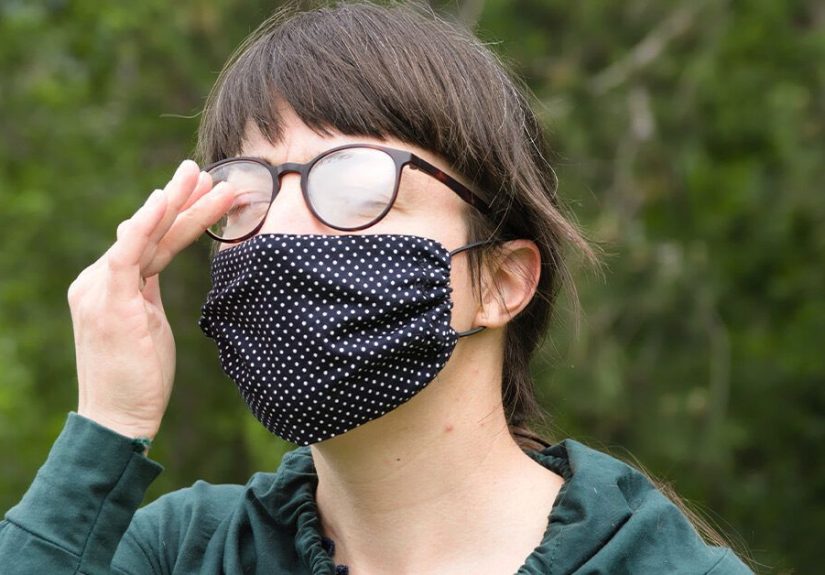
Fog happens when warm, moist air from your breath escapes upward from the top of your mask and hits your cooler
lenses. That moisture condenses into tiny droplets, scattering lightaka “Why do I suddenly live inside a cloud?”
Translation: if you can stop air from leaking upward, absorb some moisture, or make lenses less “droplet-friendly,”
you can prevent foggingor at least knock it down from “whiteout blizzard” to “mildly dramatic haze.”
The Fastest Fixes (Do These First)
If you want results in under two minutes, start here. These are the highest-impact moves to stop glasses from
fogging up while wearing a mask.
1) Upgrade the mask fit at the nose (this is the main event)
Most fogging is simply “air leakage.” Your mask should fit snugly over the bridge of your nose and cheeks. Masks
with an adjustable nose wire (or a nose clip) are your best friend. The goal is a seal that routes exhaled air
through the masknot into your glasses.
- Choose a mask with a built-in nose wire or add an adhesive nose strip/nose clip.
- Shape the wire using both hands to mold it smoothly along your nose (not pinched into a sharp tent).
- Tighten ear loops or use an ear saver so the mask stays snug against your cheeks.
Quick self-check: exhale sharply. If you feel a warm “jet” hitting your eyes or lenses, air is escaping where you
need a better seal.
2) Put your glasses over the mask’s top edge (yes, really)
This simple positioning trick works because your frames lightly press the mask down, helping block upward airflow.
Slide your mask up, then rest your glasses so the nose pads/bridge sit slightly on top of the mask edge.
Bonus: it looks normal. Nobody will point and yell “FRAUD!” (Probably.)
3) Add a “mini moisture sponge” inside the mask
Fold a tissue or a thin strip of paper towel and place it along the inside top edge of your mask, right over the
bridge of your nose. It acts like a humidity bouncer: catching moisture before it escapes upward.
If you’re in a cold climate, walking briskly, or talking a lot, this trick can be shockingly effective.
Seal the Deal: Tape, Bandages, and Skin-Safe Tricks
If your mask refuses to cooperate, you can physically seal the upper edge to your skin. Healthcare workers have
been doing versions of this foreverbecause surgical loupes fog too, and surgeons are famously not into operating
by guesswork.
Use skin-safe medical tape (or an adhesive bandage) across the nose bridge
Apply a short strip of skin-safe tape across the top of the mask so it bonds the mask to your skin over the bridge
of your nose. Some people prefer using an adhesive bandage because the softer pad can reduce irritation compared
to harsher tapes.
- Clean, dry skin helps tape stick better.
- Use the smallest amount that works. More tape ≠ more joy.
- If you get irritation, stop and switch methods (your face is not a science fair project).
Try a mask brace or fitter for stubborn gaps
Mask braces (silicone or plastic frames that press the mask closer to your face) can dramatically reduce leaks
including the leak that fogs your glasses. These are especially helpful if you talk a lot, have a smaller face,
or your mask collapses when you inhale.
Make Your Lenses Less Fog-Friendly
Even with a great mask seal, some fog can still happenespecially when you move from cold outdoor air into a warm,
humid room. Lens treatments reduce condensation by changing how water spreads across the lens surface.
The soap-and-water method (cheap, easy, surprisingly legit)
Wash your lenses with a mild soap and water, rinse lightly, then let them air dry or gently pat dry with a clean,
lint-free microfiber cloth. A very thin film can remain that helps water spread into a clearer, more uniform layer
instead of forming foggy droplets.
This works best as a “daily routine” move: do it before you leave the house, not while you’re already late and
power-walking through a parking lot.
Anti-fog sprays and wipes (best for “I need this to work all day”)
Commercial anti-fog sprays, wipes, and coated microfiber cloths are made for optical surfaces and can last longer
than soap alone. If you’re wearing a mask for hours (commuting, teaching, healthcare, retail), this is often the
most reliable categoryjust follow the product instructions and make sure it’s safe for your lens coatings.
Anti-fog lens coatings (the “set it and forget it” option)
If you’re due for new lenses, ask your optician about anti-fog coatings. They’re designed for repeated temperature
changes and high humidity situations. It’s the closest thing to a permanent solutionespecially if fogging is a
year-round problem for you.
Methods to Avoid (Because Your Lenses Have Feelings)
The internet is full of “hacks” that range from mildly unhelpful to “congratulations, you’ve sanded off your lens
coating.” Here are common ones that can damage lenses or leave residue:
- Toothpaste: can be abrasive and scratch lenses.
- Hand sanitizer: high alcohol content may damage many prescription lens coatings.
- Vinegar: acidic and can be harsh on coatings.
- Random automotive defog products: not meant for use near eyes or on optical coatings.
- Spit: please don’t. Also, it doesn’t work.
If you’re ever unsure, test any product on a small corner of the lens firstor ask your optical shop what’s safe
for your exact lens coatings.
Mask Choices That Fog Less (Picking the Right Tool for the Job)
Look for these anti-fog-friendly features
- Adjustable nose wire (non-negotiable for many glasses wearers)
- Foam nose pad (adds comfort and helps seal micro-gaps)
- Adjustable ear loops or ties (better fit = less leakage)
- Multiple sizes (because faces are not “one size fits all”)
If you wear a high-filtration respirator (N95/KN95-style)
A well-fitted respirator should seal to your face. If your glasses fog significantly during exhalation, it can be a
sign the seal isn’t snugespecially around the nose. Mold the nose piece carefully with both hands and re-check the
seal. If it keeps happening, you may need a different shape/model for your face.
Technique Tweaks That Help More Than You’d Think
Breathe like you’re trying to cool soup (downward)
Sounds silly, works surprisingly well: aim your exhale downward. Some eye care pros describe a “blow downward”
technique (think gentle flute-playing mouth shape). It won’t replace a good mask seal, but it can reduce the fog
spike during conversation.
Mind the head tilt
Looking down can encourage warm air to rise straight into your lenses. If you’re reading a menu or checking your
phone and fogging goes nuclear, try lifting your chin slightly or holding the item higher.
Adjust nose pads (if your frames have them)
Tweaking nose pads so your lenses sit a tiny bit farther from your cheeks can improve airflow and reduce trapped
humidity. If you wear progressive lenses or have a strong prescription, small fit changes can affect your
“sweet spot,” so go gentlyor ask an optician to adjust them properly.
Troubleshooting: When Your Glasses Still Fog (and You’re Over It)
Fog only happens when you talk a lot
That’s a leakage + moisture combo. Try: nose wire + glasses-over-mask positioning + anti-fog wipe. Talking pushes
more warm air out, so you need the “three-layer defense.”
Fog is worst when going from cold to warm (winter villain arc)
This is classic condensation. You’ll want an anti-fog product (spray/wipe/coated cloth) plus a tight nose seal.
Soap alone may not last long enough when temperature swings are dramatic.
Fog happens even with a nose wire
The wire may be shaped incorrectly (pinched sharply) or the mask may be too big/small. Re-mold it with both hands
and tighten the mask. If gaps remain near cheekbones, add a small strip of medical tape or try a different mask
shape.
Your mask keeps sliding down
Sliding creates leaks, and leaks create fog. Tighten ear loops, use an ear saver, or switch to a mask with
adjustable straps. If you can keep the mask stable, you can keep the lenses clear.
A Simple “No-Fog Recipe” You Can Copy-Paste into Real Life
If you want the most reliable combo for most people, start here:
- Mask with nose wire + snug cheeks + no gaps.
- Glasses resting slightly over the mask (frames gently press mask edge down).
- Anti-fog wipe or spray if you’ll be masked for hours or dealing with cold weather.
For stubborn foggers: add a folded tissue inside the mask’s top edge or a short strip of skin-safe tape.
FAQ
Does fogging mean my mask doesn’t fit?
Often, yesfogging usually means air is escaping upward. But small amounts can happen even with decent fit in cold
weather. If you wear a respirator-style mask and fogging is strong during a seal check, that’s a sign to adjust or
try a better-fitting model.
Will anti-fog products damage my lenses?
Products made specifically for eyeglasses are generally safest. Avoid harsh chemicals and random “defog” products
meant for cars or other surfaces. If your lenses have anti-reflective coatings, choose products explicitly labeled
safe for coated lensesor ask your optician.
Is tape safe on my skin?
Skin-safe medical tape can work well, but irritation is possible, especially on sensitive skin. Use minimal tape,
remove gently, and stop if you notice redness, itching, or discomfort.
What about kids with glasses?
Focus on comfort and fit. A tight nose fit matters most, and some families find soft tape at the bridge helpful.
Glasses positioned slightly forward, with the nose piece over the mask edge, can also reduce fogging.
Real-Life Experiences: My Very Scientific (and Slightly Dramatic) Anti-Fog Field Notes
The first time I tried to run errands with a mask and glasses, I learned something important: I am not emotionally
prepared to shop for produce while legally blind. I walked into the store feeling responsible and community-minded.
Thirty seconds later, my lenses fogged so hard I could’ve sworn a weather system moved in. Somewhere near aisle
three, I apologized to a cardboard display because I thought it was a person.
The “mask with a nose wire” revelation was my turning point. I had been pinching the wire like I was trying to
sculpt modern art. Spoiler: that creates gaps. When I finally shaped it with both hands and smoothed it along the
bridge of my nose, the fog dropped instantlylike my glasses stopped having trust issues.
Next I tested the “glasses over mask” trick. At first, I resisted because it sounded too easy, like a life hack that
ends with “and then everyone clapped.” But it worked. My frames gently pressed the mask edge down, which redirected
my breath away from the lenses. I could finally read signs again, which is underrated in a society that hides
bathrooms like they’re secret treasure.
Then came the tape experiment. I used a small strip of skin-safe tape across the bridge and felt like I’d unlocked a
cheat code. The seal was fantasticno fog, even during a long conversation. The downside: removing tape from your
face at the end of the day can feel like your pores are being audited. After a few tries, I learned to use the
smallest strip possible, and only on days when I really needed “zero fog, no excuses” clarity.
The tissue-in-mask trick surprised me the most. On a cold morning, I tucked a folded tissue along the top inside edge
and went for a walk. Usually, cold air + warm breath = instant lens sauna. But the tissue absorbed enough moisture
that fog never fully formed. It’s not glamorous, but neither is walking into a lamp post because you thought it was
“just a shadow.”
Finally, I tried anti-fog wipes on a day I knew I’d be masked for hours. That was the “adulting” solution: quick,
consistent, and low drama. The biggest lesson from all this: you don’t need one perfect trick. You need a reliable
combinationtight nose seal, smart glasses positioning, and (when necessary) a lens treatment. Once you find your
combo, you’ll stop thinking about fog entirely… which is the highest compliment you can pay a solution.
Conclusion
Foggy glasses aren’t a personal failurethey’re physics. The fix is mostly about controlling airflow: choose a mask
with a nose wire, shape it correctly, and position your glasses to block upward leaks. Add a tissue buffer or a
small strip of skin-safe tape if you need extra sealing power. For long days or cold weather, anti-fog wipes or
sprays can make the difference between “clear vision” and “living inside a latte.”
Once you dial in a setup that works for your face, you can stop adjusting your mask every 12 seconds and go back to
doing important thingslike recognizing your friends and not greeting a coat rack.







 Close
Close