
Table of Contents >> Show >> Hide
- Why You Might Not Like Touching (And Why That’s Okay)
- The Golden Rule: Affection Must Be Consensual
- Use a Simple Framework: “Love Languages” (As a Conversation Tool)
- Step One: Make Your “Touch Boundary” Clear (Without Sounding Like a Robot)
- Step Two: Show Affection Without Touch (A Big List of Ideas That Actually Work)
- Step Three: If Your Partner Craves Touch, Build a “Bridge,” Not a Battle
- Step Four: Special Situations (Family, Friends, Kids, and Work)
- When to Get Extra Support
- Conclusion: Affection Is a Skill, Not a Skin Contact Requirement
- Experiences: What “No-Touch Affection” Looks Like in Real Life (500+ Words)
Some people hug to say “I love you.” Others say “I love you” by remembering your coffee order, sending you a meme that feels like it was tailor-made for your exact brand of chaos, and not touching you like you’re a touchscreen with a sticky finger.
If you don’t like physical touch, you’re not broken, cold, or secretly a lizard in a human hoodie. You’re a person with preferences. And in healthy relationshipsromantic, family, friendships, even workpreferences matter. The goal isn’t to force yourself into affection styles that make your skin crawl. The goal is to communicate clearly and show love in ways that feel good to you and land well for them.
This guide gives you practical, non-cringey ways to show affection without touching, plus scripts, examples, and “relationship UX” (because yes, your partner is a user, and you’d like fewer error messages).
Why You Might Not Like Touching (And Why That’s Okay)
Touch aversion can come from lots of placessometimes it’s sensory, sometimes it’s emotional, sometimes it’s just “I’m fine, I just don’t want hands on me.” Common reasons include:
- Sensory sensitivity: Light touch can feel irritating, overwhelming, or even painful (some people do better with firm pressure than surprise taps).
- Stress or anxiety: When your nervous system is already revved up, extra input (like touch) can be too much.
- Past experiences: Not everyone feels safe with touch due to personal history. (If this is you, a trauma-informed therapist can helpwithout forcing anything.)
- Cultural or family norms: Some families are “group hug,” others are “we show love by feeding you and fixing your car.”
- Medical or pain-related issues: Touch can be uncomfortable during flare-ups, chronic pain, or certain conditions.
Whatever the reason: you get to have boundaries. Affection is not a tax you pay in hugs.
The Golden Rule: Affection Must Be Consensual
Here’s the deal: affection isn’t affectionate if it’s not wanted. Even in long-term relationships, consent mattersespecially around physical touch. A healthy partner doesn’t treat your body like a public suggestion box.
Instead of “Just get used to it,” aim for: “Let’s figure out what makes you feel loved and safe.”
Use a Simple Framework: “Love Languages” (As a Conversation Tool)
You’ve probably heard of the “five love languages”: words of affirmation, quality time, acts of service, receiving gifts, and physical touch. It’s popular because it’s easy to remember and helps couples talk about needs without starting a courtroom drama.
Quick reality check: relationship researchers have pointed out that the love languages idea is more of a helpful metaphor than a proven scientific law of romance. So treat it like a menu, not a diagnosis. You can still use it to build a “no-touch affection plan” that works.
Step One: Make Your “Touch Boundary” Clear (Without Sounding Like a Robot)
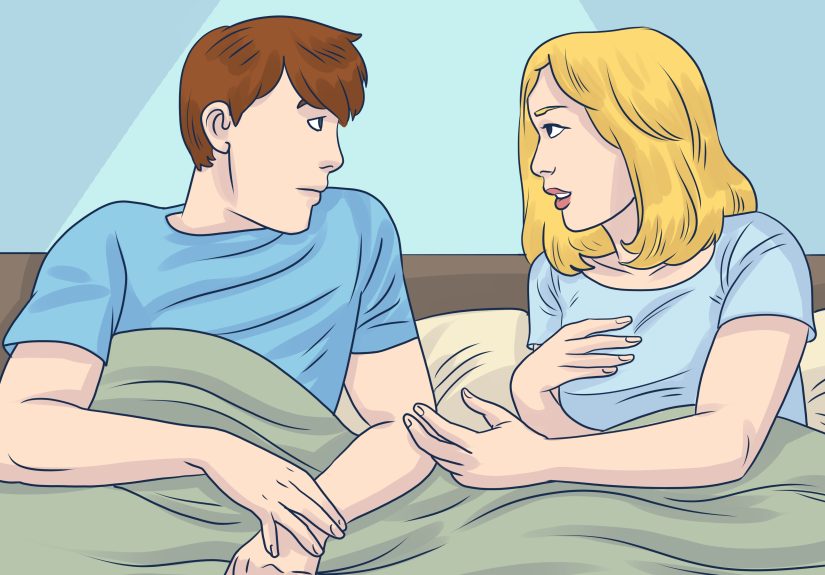
The best way to avoid awkwardness is to be directand kind. You’re not announcing a ban on happiness. You’re sharing a preference so your relationships can run smoother.
Try a simple script
- To a partner: “I really love being close to you, but I don’t enjoy a lot of physical touch. Can we find other ways to show affection that feel good to both of us?”
- To family: “I’m not a hugger, but I’m so happy to see you. Can we do a wave/high-five instead?”
- To friends: “I’m affectionately allergic to surprise hugs. I’m still obsessed with you though.”
- At work: “Nice to meet youI’m more of a wave person than a handshake person.”
Create a “Green / Yellow / Red” touch list
This works especially well if your partner does like touch. You’re not saying “never,” you’re saying “here’s what works.”
- Green (usually okay): fist bump, quick side-hug, holding hands for 10 seconds, sitting close.
- Yellow (depends): cuddling, back rubs, longer hugs, surprise touches (often a no).
- Red (nope): being grabbed from behind, face touching, tickling, prolonged contact when stressed.
Pro tip: include context. “Yellow when I’m relaxed, red when I’m tired” is valuable information, not a personality flaw.
Step Two: Show Affection Without Touch (A Big List of Ideas That Actually Work)
If physical touch isn’t your thing, you still have a ton of ways to express love and warmth. Pick a few that feel natural, then make them consistent. Consistency is the emotional equivalent of showing up on time.
1) Words of Affirmation (AKA “Use Your Mouth for Good”)
Compliments are nice, but specific appreciation hits harder (in a good way). Swap vague praise for details.
- “I felt really supported when you texted me before my meeting.”
- “You make my day calmer. That’s a rare talent.”
- “I noticed you handled that awkward situation with so much patience. I’m proud of you.”
- “I love the way your brain works. It’s like a fun documentary I get to live inside.”
Try “micro-affirmations”: quick, daily statements that build security“I’m glad we’re a team,” “I choose you,” “I’m here.” If your partner loves touch, words can become the “physical closeness” they feel in their chest.
2) Quality Time (Connection Without Contact)
Quality time isn’t just being in the same room while you both scroll like synchronized zombies. It’s intentional presence.
- The daily 10-minute check-in: “High/low of your day?” or “What’s one thing on your mind?”
- Parallel play: you each do your own thingreading, gaming, craftingtogether in the same space.
- Rituals: Saturday pancakes, a nightly “tell me one weird thing you learned today,” weekly walk-and-talk.
- Shared projects: planning a trip, building a playlist, organizing a photo book, learning a new recipe.
If you want a science-flavored approach, consider “bids for connection”tiny attempts to connect (a question, a joke, a look). Responding to them warmly (“turning toward”) builds closeness fast, even without touch.
3) Acts of Service (Love With a To-Do List, But Cute)
Acts of service work best when they feel like care, not control. The trick is to do things that genuinely lighten your person’s load.
- Make their morning smoother: prep lunch, set out the coffee, charge their phone.
- Handle the annoying task they dread: schedule the appointment, return the package, call the utility company.
- Help in ways that match their preferences: “Want me to fix it, listen, or distract you?”
Watch out for the “martyr trap.” If you do acts of service, do them with consent: “Would it help if I handled X?” is more loving than silently doing everything and then building resentment like it’s a hobby.
4) Thoughtful Gifts (Small, Meaningful, Not “Buy Me a Yacht”)
Gifts don’t have to be expensive. The point is, “I noticed you.”
- Their favorite snack “just because.”
- A bookmark with an inside joke.
- A printed photo of a good memory.
- A playlist titled “Songs That Feel Like You.”
- A silly sticker on their water bottle (with permission, because consent is sexy even for stationery).
5) Non-Touch Warmth: Closeness Cues That Still Feel Intimate
There are ways to signal closeness without physical contact:
- Eye contact (not a staring contestmore “I’m with you”).
- Facial softness: smiling, nodding, raised eyebrows when they talk.
- Proximity: sitting nearby, leaning in slightly, choosing to be in the same space.
- Inside jokes and “our language.”
- Checking in: “How’s your body? How’s your brain? Anything you need?”
Step Three: If Your Partner Craves Touch, Build a “Bridge,” Not a Battle
Sometimes the issue isn’t “touch vs no touch.” It’s “I feel loved by touch” vs “touch overwhelms me.” Both needs are real. The solution is teamwork and creativity, not guilt.
Make it practical
- Schedule touch (yes, really): “Hug hello and goodbye, but no surprise touching during the day.”
- Short, predictable contact: a 3-second hug can be easier than long cuddles.
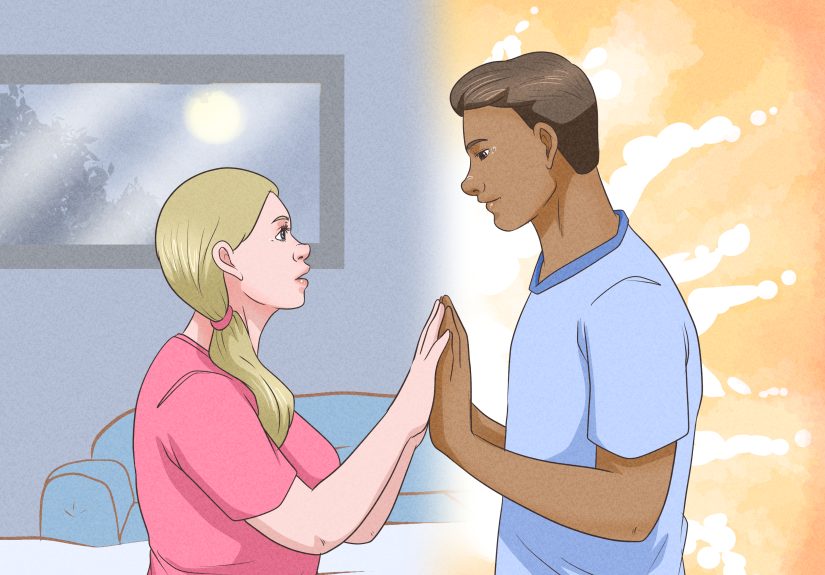
- Offer alternatives in the moment: “I can’t hug right now, but I can sit with you and talk.”
- Use a signal: a phrase like “yellow light” means “I’m getting overloaded; let’s pause.”
The goal is to protect your nervous system while still protecting the relationship. That’s not selfish. That’s mature.
Step Four: Special Situations (Family, Friends, Kids, and Work)
With family
Family can be the final boss of unwanted hugs. Set expectations early and repeat them kindly. Offer a replacement: wave, fist bump, cheeky salute, or “I’m doing verbal hugs today.”
With friends
Friend affection can be super physical in some groups. You can keep the warmth and ditch the contact: show up, remember important dates, send supportive messages, plan hangouts, and be the friend who listens like it’s a sport.
With kids
Kids learn consent by watching it. You can model boundaries without rejecting them: “I don’t want a hug right now, but I would love a high-five or for you to sit next to me.” Teach that affection has optionsand that “no” can be loving.
At work
Keep it simple and professional. A friendly greeting, a smile, and clear communication go a long way. If handshakes are expected, you can offer a wave or say, “I’m avoiding handshakes right now.”
When to Get Extra Support
If touch aversion is causing distress, conflict, or suddenly changes (for example, you used to be okay with touch and now it feels intolerable), it may help to talk to a therapistespecially one experienced in anxiety, trauma, sensory issues, or neurodiversity.
Support isn’t about “fixing” you. It’s about helping you feel safe and connected in ways that fit your life.
Conclusion: Affection Is a Skill, Not a Skin Contact Requirement
You can be deeply loving without being physically affectionate. Real connection is built through attention, consistency, kindness, and respect. If you communicate your boundaries clearly and show affection intentionallythrough words, time, helpful actions, and thoughtful gesturesyou’ll be more affectionate than plenty of people who hug constantly but never really show up.
So go ahead: love loudly, just… from a respectful distance. (With snacks. Snacks help.)
Experiences: What “No-Touch Affection” Looks Like in Real Life (500+ Words)
Here are a few realistic, everyday examples of how people build warm relationships when physical touch isn’t their comfort zone. These aren’t “perfect couples” or fairy-tale friendshipsjust normal humans using practical strategies and a little humor.
1) The “Not a Hugger” College Friend Group
One student in a tight friend group hated surprise hugs. The others were naturally affectionate and didn’t mean harm, but the constant “glomp hugs” made her tense up. Instead of silently enduring it (and slowly developing a fear of hallways), she told them: “I love you all, but my body reacts badly to surprise touch. Can we do high-fives or the hand-heart thing instead?”
The shift was immediate. The group created playful alternatives: dramatic bows, silly secret handshakes, and “verbal hugs” like “I’m proud of you” when someone bombed a test. Oddly enough, the friend group got closerbecause everyone felt safer and more understood. The lesson: boundaries can create intimacy when they’re respected.
2) The Married Couple with Mismatched Needs
In another example, one spouse craved physical touch to feel loved, while the other felt overwhelmed by frequent contactespecially after stressful workdays. They stopped framing it as “you don’t love me” vs “you’re too needy,” and started treating it like a shared problem to solve.
They built a tiny routine: a predictable hello hug (short), a nightly check-in (ten minutes), and a weekly “date block” with no phones. When the touch-averse spouse was overloaded, they used a simple phrase: “Yellow lightcan we do closeness without touching?” The touch-seeking spouse learned to ask, “Do you want touch, talk, or help?” Most days, the answer was talk or helpand that still created closeness. Over time, the spouse who loved touch reported feeling more secure, because the affection became reliable instead of random.
3) The Neurodivergent Adult Who Needed Predictability
A neurodivergent adult described touch as “fine in theory, awful in surprise.” Light taps and unexpected contact felt like their skin was getting spam notifications. What helped wasn’t forcing more touchit was increasing predictability and options. They made a “touch menu” with their partner: fist bumps were almost always okay, short hand-holding was sometimes okay, and surprise touching was basically never okay.
To replace touch-based reassurance, they leaned into words and acts of service: a morning note, “I’m in your corner,” a stocked water bottle before errands, and a consistent bedtime routine. Their partner stopped guessing and started asking, which reduced anxiety for both. The relationship became calmer, not colder.
4) The Parent Modeling Consent (Without Rejecting the Kid)
A parent who disliked touch worried they were “failing” because their child wanted cuddles. They found a middle path: “I don’t want a hug right now, but you can sit next to me and we’ll read together,” or “High-five and then you pick the bedtime story.” The child learned that affection has many forms, and that consent is normalnot dramatic. Over time, the kid started asking first, which made cuddles feel safer for everyone.
Across all these experiences, the pattern is the same: when people communicate clearly, offer alternatives, and stay consistent, affection doesn’t disappearit simply changes shape. And sometimes, that new shape fits better than the old one ever did.





 Close
Close