
Table of Contents >> Show >> Hide
- First, Why Does a Beard Look Patchy?
- Tip 1: Shape the Beard You Have, Not the Beard You Wish You Ordered
- Tip 2: Shave Smarter So You Do Not Create New Problems
- Common Grooming Issues That Make a Patchy Beard Look Worse
- When Patchiness May Be More Than a Styling Issue
- A Simple Routine for a Patchy Beard That Actually Works
- Experience: What People Learn After Fighting a Patchy Beard for Too Long
- Conclusion
A patchy beard can feel like your face started a group project and only half the hairs showed up. One patch is thriving, another is on vacation, and the area near your cheekbone appears to be negotiating a later arrival time. The good news is that patchy facial hair is common, it is usually not a grooming disaster, and it does not mean you are doing something wrong.
In fact, most patchy beard frustration comes from using the wrong strategy. Many people try to force fullness by shaving everything to the skin, carving lines that belong in a geometry textbook, or growing the beard too long and hoping faith will do the rest. Usually, that only makes gaps more obvious. A better plan is simpler: shape the beard around the growth you actually have, then shave in a way that protects your skin and keeps sparse areas from looking worse.
If you have ever wondered how to shave a patchy beard without turning your face into a science fair on razor burn, this guide is for you. Below are the two most effective tips to fix grooming issues, plus practical examples, common mistakes, and a realistic routine you can actually stick with.
First, Why Does a Beard Look Patchy?
Before reaching for a razor like it insulted your family, it helps to understand why patchiness happens. For many men, beard density is mostly about genetics. Hair follicles are not spread evenly across every face, and some areas simply grow thicker than others. Age can also play a role. Some beards fill in later than expected, while others stay naturally lighter on the cheeks and stronger on the chin or mustache.
Texture matters too. If your facial hair is curly or coarse, shaving too closely can increase the chance of ingrown hairs and bumps, which can make the beard area look rougher than it really is. And sometimes what looks like a patchy beard is not a beard problem at all. Dry skin, dandruff in the beard, folliculitis, irritation, or sudden round bald spots can all change how your facial hair looks.
One myth needs to be kicked out immediately: shaving does not make a beard grow back thicker, darker, or faster. It may feel coarser when it grows in because the cut hair has a blunt edge, but the razor is not secretly coaching your follicles to bulk up.
Tip 1: Shape the Beard You Have, Not the Beard You Wish You Ordered
If your beard grows unevenly, the smartest move is not always a full shave. Often, the best answer is a strategic trim that uses your stronger growth areas to your advantage. This is where patchy beard grooming becomes less emotional and more architectural. Your job is not to create density out of thin air. Your job is to create balance.
Shorter Styles Usually Win
When a beard is patchy, longer growth often makes the thin spots easier to see. Sparse cheeks can start to look stringy, while a fuller chin begins acting like it is applying for its own zip code. A shorter style keeps everything tighter and makes contrast less noticeable.
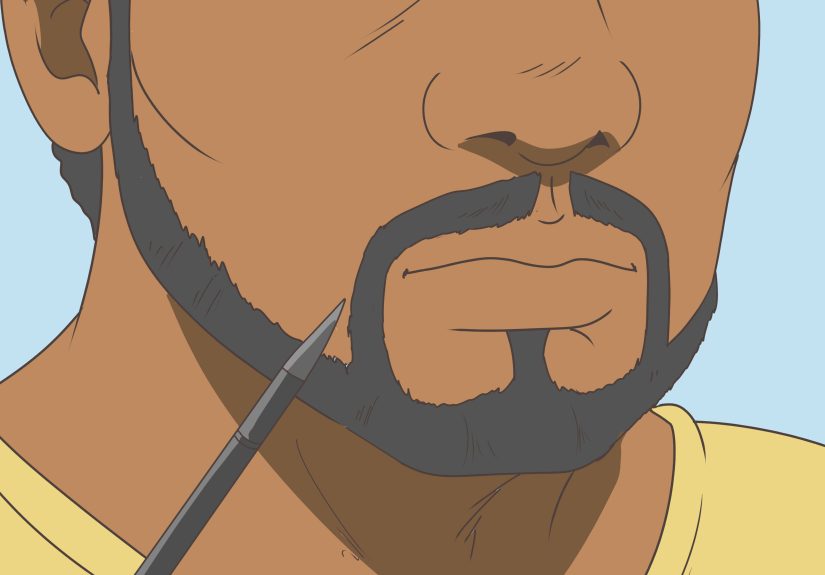
That is why short stubble, heavy stubble, a short boxed beard, a goatee, or a mustache-forward style often works better than a long full beard. These styles do not require perfect coverage across the cheeks, and they give the face a cleaner outline. A patchy beard with a deliberate shape looks stylish. A patchy beard with no plan looks like your trimmer lost interest halfway through.
Map Your Strong Areas and Weak Areas
Stand in good lighting and look at where your beard is strongest. For many people, the chin, jawline, soul patch, and mustache grow more densely than the upper cheeks. That matters. If the chin is full but the cheeks are thin, a goatee or short boxed beard can look intentional and sharp. If the jawline is decent but the cheek area is weak, a tight stubble beard with clean cheek lines may be your best play.
A simple way to do this is to let your facial hair grow for a little while so the pattern becomes clear. Then trim everything to an even length with a guard. Once it is even, decide which zones deserve to stay and which ones should be cleaned up. This is not giving up on your beard. This is editing it.
Keep the Lines Natural
One of the biggest patchy beard mistakes is drawing super high cheek lines because you think it will make the beard look neater. Often, it does the opposite. If you cut too far into naturally sparse cheek growth, the beard becomes smaller, the gaps become more obvious, and your face ends up looking surprised all the time.
Instead, keep the cheek line close to your natural growth pattern. Clean up obvious strays, but do not erase half the beard. The same goes for the neckline. A neckline that sits too high can make a beard look weak and chopped off. A good rule is to keep the neckline under the jaw rather than on it, following a soft curve from one side to the other.
Trim Before You Shave
If your beard has uneven length, trim it first before using a razor on the edges. This helps you see the true shape, reduces tugging, and keeps the blade from clogging with longer hairs. It also gives you more control. Trimmers are forgiving. Razors are like that one friend who says, “Trust me,” right before things go sideways.
Use a guard to bring bulk down gradually. Start longer than you think you need, then step down if necessary. It is much easier to take off more than to negotiate with missing hair you already removed.
Tip 2: Shave Smarter So You Do Not Create New Problems
Even the best beard style can be ruined by poor shaving technique. Razor burn, ingrown hairs, redness, and bumps do not just hurt. They also make patchiness more noticeable. So the second tip is simple: fix your shave, and you fix a surprising amount of your beard’s appearance.
Prep the Skin Properly
Shaving dry skin with no prep is basically asking for irritation. Start with warm water, either after a shower or with a warm washcloth. Wash the skin first. Then apply a shaving cream or gel and give it a little time to soften the hair. This step reduces friction and helps the razor glide instead of scrape.
If you are shaving only the edges of your beard, you do not need to cover the entire face. Apply product to the cheeks, neck, or other areas you plan to clean up. That keeps the process controlled and avoids unnecessary irritation on the hair you want to keep.
Shave With the Grain
If you constantly battle razor bumps, this one matters. Shaving against the grain may feel closer in the moment, but it can increase irritation and ingrown hairs, especially if your hair is curly or tends to curl back into the skin. A more skin-friendly approach is to shave in the direction your hair grows, using light pressure and short strokes.
Rinse the blade often. Do not drag a clogged razor across your neck like you are mowing wet grass. That is how a grooming routine turns into a regret routine.
Use a Sharp, Clean Blade
A dull razor is not saving money. It is renting trouble. Old blades pull hair, require more passes, and make irritation more likely. Whether you use a cartridge razor, safety razor, or disposable razor, replace blades regularly and clean the tool well.
If you are prone to bumps or folliculitis, fewer passes are better. One careful pass is often enough for beard edging. You do not need to polish your jawline like a car hood.
Do Not Stretch the Skin
Stretching the skin can make a shave feel closer, but it also makes it easier to cut the hair below the surface. That raises the risk of ingrown hairs when the beard grows back. For patchy beards, that is especially annoying because now you are dealing with thin spots and bumps. Let the skin stay relaxed and let the razor do the work.
Know When a Trimmer Is Better Than a Razor
If your skin gets irritated easily, you do not need to be in an exclusive relationship with a razor. An electric trimmer or guarded beard trimmer often works better for maintaining a patchy beard. It leaves a tiny bit of length, which can reduce ingrown hairs and keep the beard area looking cleaner without that ultra-close shave that sometimes causes trouble.
For many people, the sweet spot is using a trimmer for overall length and a razor only for detail work on the upper cheeks and neckline. That gives you structure without overworking the skin.
Common Grooming Issues That Make a Patchy Beard Look Worse
Sometimes the patchiness is not the main problem. The routine is. Here are a few common mistakes that quietly sabotage the look:
Growing It Too Long Too Soon
Longer is not always fuller. If the cheeks are thin, extra length can make gaps look wider.
Over-Correcting Every Sparse Spot
Trying to make both sides identical often leads to shaving away good hair. Aim for balance, not mathematical perfection.
Ignoring the Skin Under the Beard
Dryness, flaking, itch, and acne under facial hair can make the beard look rough and unhealthy. Clean skin helps facial hair look better, even when growth is uneven.
Believing the “Shave It and It Grows Back Thicker” Myth
It does not. What grows your beard is time, your natural growth pattern, and a routine that does not irritate the skin.
When Patchiness May Be More Than a Styling Issue
Most patchy beards are just normal variation, but some signs should not be brushed off. If you notice sudden smooth bald spots, significant itching, redness, pain, crusting, pus-filled bumps, heavy flaking, or rapid shedding, it may be worth seeing a dermatologist. Conditions like alopecia areata, fungal infections, seborrheic dermatitis, or folliculitis can affect beard growth and skin comfort.
This is especially true if the patchiness showed up suddenly instead of gradually, or if the skin underneath looks inflamed. A grooming fix can help with style, but it cannot solve an underlying skin condition by itself.
A Simple Routine for a Patchy Beard That Actually Works
If you like routines with seventeen products and a ceremonial towel fold, that is your business. But most people do better with something realistic:
Step 1: Wash the face and beard area gently.
Step 2: Trim the beard to a consistent short length.
Step 3: Keep only the styles that flatter your growth pattern.
Step 4: Shave edges after warm water and shaving gel.
Step 5: Shave with the grain using light pressure.
Step 6: Rinse, pat dry, and use a light moisturizer or beard-friendly hydrating product if your skin feels dry.
That is it. No wizard potion. No beard pep talk in the mirror required, though morale support never hurts.
Experience: What People Learn After Fighting a Patchy Beard for Too Long
One of the most common experiences with a patchy beard starts the same way: a person decides this is finally the month they become “a beard guy.” Day three feels promising. Day seven feels confusing. By day ten, the mustache looks ambitious, the chin is fully committed, and the cheeks seem to be waiting for approval from upper management. The first instinct is usually panic grooming. Everything gets shaved down too close, the lines get cut too high, and the face ends up looking cleaner but somehow more patchy. It is a very specific kind of disappointment.
Then comes the experimental phase. Some people try letting it grow for too long, thinking extra length will hide the gaps. Usually it does the opposite. Sparse areas become more obvious, wiry hairs start pointing in different directions, and the beard begins to resemble a project that has excellent intentions but poor supervision. Others swing the other way and shave every day, hoping the beard will come back stronger. It does not. What does happen is irritation, razor bumps, and the sudden realization that your neck apparently holds grudges.
The turning point usually comes when the goal changes from “grow a perfect beard” to “make this beard look good on my face.” That shift is huge. People stop trying to copy a beard style that belongs to someone with completely different growth patterns and start noticing what actually works for them. Maybe the cheeks are light, but the chin is strong. Great, go shorter and lean into a goatee or short boxed beard. Maybe the jawline fills in better than the sides. Fine, keep a tight stubble look and clean up the edges. Once the style matches the natural growth, the beard often looks more intentional within a single trimming session.
Another lesson people learn is that skin care matters more than they expected. A patchy beard can look decent when the skin underneath is calm, smooth, and not flaking like a croissant. But the exact same beard can look much worse if the neck is irritated, the cheeks are covered in razor bumps, or the beard line is carved with all the gentleness of a lawn trimmer. Warm water, a decent shave gel, fewer passes, and less pressure sound boring, but boring is often what gets results.
There is also the confidence factor. A lot of people assume a patchy beard automatically looks bad, but that is not really true. What often reads as “bad” is not the patchiness itself. It is the indecision. A beard that is too long in weak areas, too sharp in the wrong spots, or too irritated around the edges looks accidental. A short, neat beard with deliberate lines looks like a choice. And choice reads better than struggle every single time.
The best experience-based advice is surprisingly simple: stop chasing fullness, start chasing shape. Keep the beard short enough that thin zones do not steal the spotlight. Use a trimmer like a sculpting tool, not a weapon. Shave only what helps the style. Protect the skin as if it has to live there, because unfortunately it does. Over time, that routine usually feels easier, looks better, and creates a lot less bathroom drama.
If your patchy beard eventually fills in more, great. If it does not, that is fine too. A well-groomed beard does not need to be dense enough to block sunlight. It just needs to suit your face, stay healthy, and stop making your mornings harder than they need to be.
Conclusion
If you want to know how to shave a patchy beard, the answer is not “start over and hope.” The answer is to use two smart moves: choose a style that works with your natural growth pattern, and shave with a technique that keeps your skin calm and your edges clean. Shorter styles, better prep, lighter pressure, and realistic expectations can make a patchy beard look sharper fast.
In other words, do not fight your beard like it is your enemy. Train it, edit it, and make it work for you. Your face is not failing. It just prefers strategy over chaos.







 Close
Close